How Do Cats Know to Use a Litter Box: Surprising Science Explained

Have you ever wondered how your cat seems to just know where to go when it’s time to use the bathroom? It’s almost like they have a secret guidebook!
Understanding how cats learn to use a litter box can make your life easier and help your furry friend feel more comfortable in your home. If you’ve struggled with litter box issues or are simply curious about your cat’s behavior, this article will reveal the surprising reasons behind their instinct and training.
Keep reading—you might discover something that changes the way you care for your cat forever.
Instincts Behind Litter Box Use
Cats naturally use a litter box because of deep instincts. These instincts guide their bathroom habits. Understanding these instincts helps explain why cats quickly learn to use a litter box. It also helps owners create a comfortable space for their pets.
Natural Burial Behavior
Cats like to bury their waste. This behavior comes from their natural urge to hide smells. By covering their waste, cats protect themselves from predators. Burying also keeps their living area clean. This habit makes the litter box feel like a safe, familiar place.
Wild Ancestors’ Influence
Domestic cats inherit many traits from wild ancestors. Wild cats used to bury waste to avoid detection. This helped them survive in the wild. The litter box mimics this natural environment. It taps into the same instincts that wild cats follow every day.
Credit: nefrologiadelbritanico.com.ar
Senses That Guide Cats
Cats rely heavily on their senses to understand the world. Their ability to use a litter box is no different. The senses guide them to the right spot for their bathroom needs. Two senses stand out as key players in this behavior.
Smell And Familiar Scents
Cats have a strong sense of smell. They use it to find the litter box easily. The scent of their own waste marks the box as their place. This smell reassures them and draws them back each time.
New litter or changes in the box’s scent can confuse cats. Keeping familiar scents helps them feel safe. It encourages consistent litter box use.
Tactile Feedback From Substrate
Cats like the feel of the litter beneath their paws. They prefer soft, sandy textures that mimic natural ground. This tactile feedback tells them they are in the right spot.
If the litter feels wrong or hard, cats may avoid the box. Choosing the right type of litter supports good habits. The texture helps them understand where to go.
Learning And Adaptation
Cats learn to use a litter box through a mix of teaching and watching. This learning helps them adapt quickly to their new home. Understanding how they pick up this habit shows the important role of their mother and their ability to observe.
Learning and adaptation are natural for cats. They develop these skills early in life. This helps them stay clean and healthy. It also makes living with humans easier.
Mother Cat’s Role
The mother cat teaches her kittens where to go. She shows them how to dig and cover their waste. Kittens watch her closely and try to copy her actions. This early training builds a strong habit. It makes litter box use feel natural and safe.
The mother also cleans the kittens and their space. This keeps the area tidy and encourages good habits. Her care helps kittens learn what is expected of them.
Observational Learning
Kittens learn a lot by watching others. They watch their mother and siblings to understand behavior. Seeing others use the box helps them know what to do. This learning method is quick and effective.
Even adult cats can learn by watching other cats. This shows how observation helps cats adapt. It makes training easier for owners and pets.
:max_bytes(150000):strip_icc()/how-do-cats-know-how-to-use-the-litter-box-1283463889-2000-f1260aa75bac4dd6b968fe43b2dd1993.jpg)
Credit: www.eco2profil.ch
Environmental Factors
Cats learn to use a litter box through many environmental factors. These factors shape their behavior and comfort. Cats prefer clean, quiet, and safe places. The environment around the litter box matters a lot. Two key elements affect their use: box placement and litter type. Understanding these helps keep cats happy and clean.
Box Placement And Size
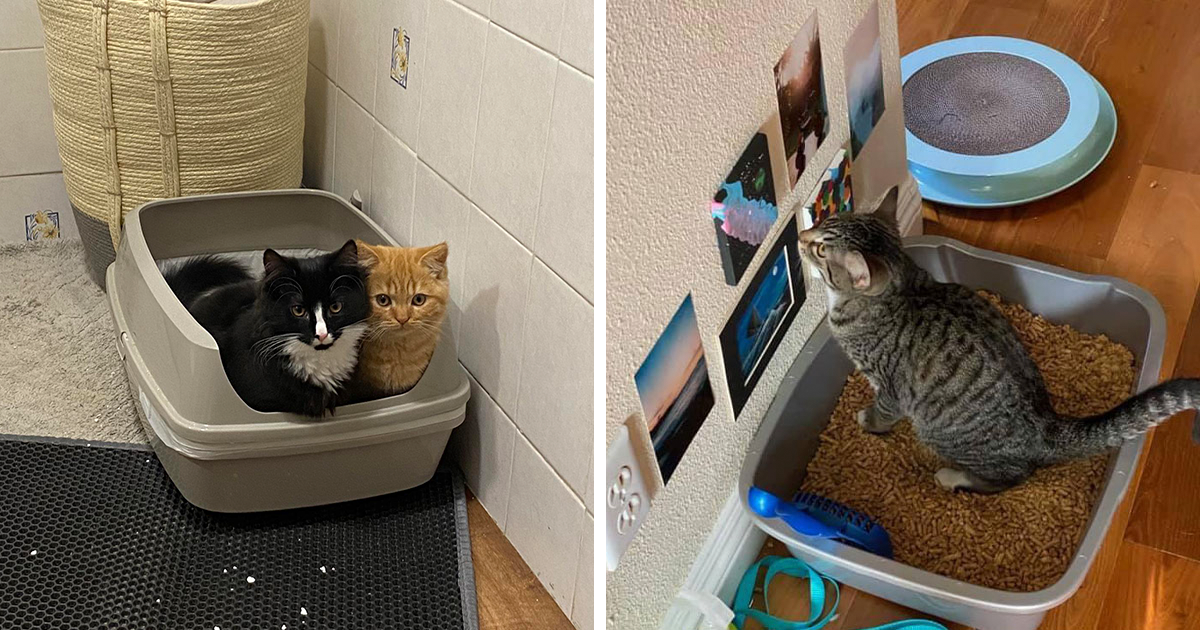
Cats need privacy while using the litter box. Place it in a quiet, low-traffic area. Avoid noisy spots near washing machines or busy hallways. Cats dislike feeling trapped, so give enough space around the box. The size of the box matters. It must be big enough for the cat to turn and dig. Small boxes can cause discomfort and accidents. A well-placed, large box encourages regular use.
Type Of Litter Material
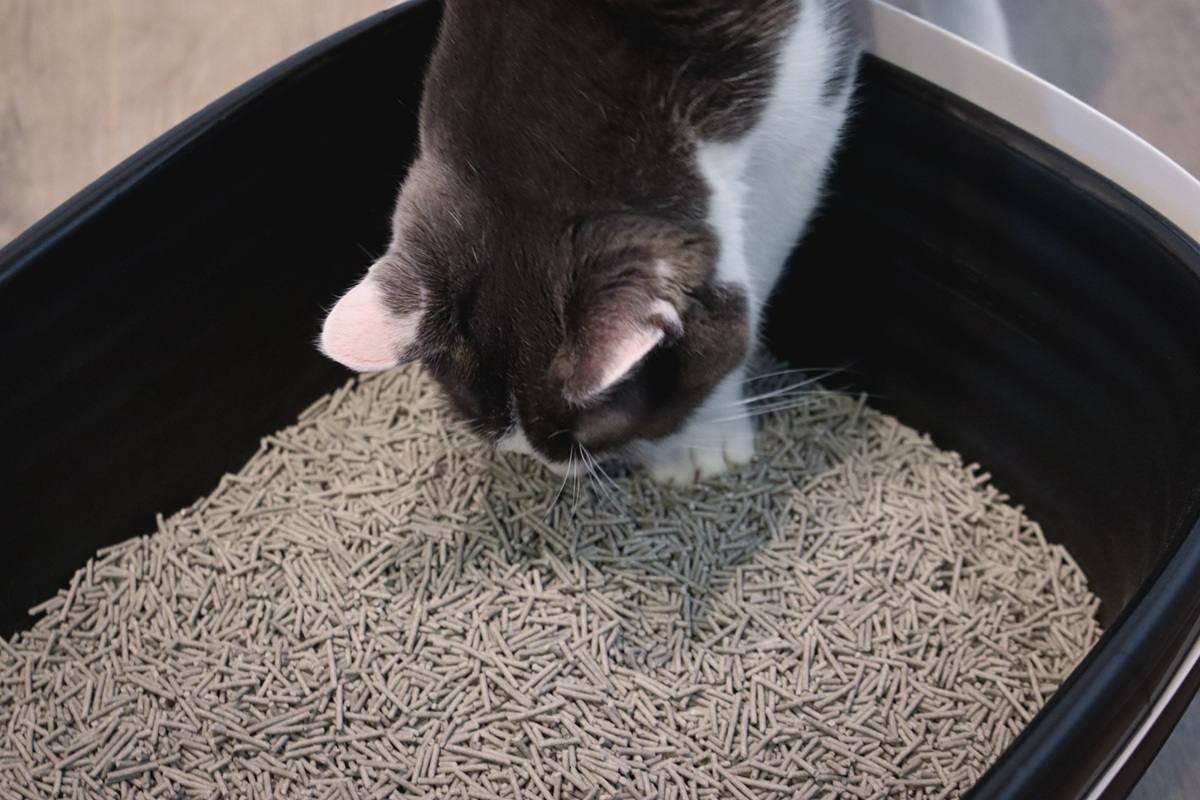
Cats prefer certain textures for their litter. Many like soft, fine-grain litter that feels natural. Some litters control odor better, which cats notice. Avoid scented litters that can irritate sensitive noses. Clumping litter often works well because it stays cleaner. The right litter makes cats more likely to use the box. Changing litter type suddenly can confuse cats. Gradual changes help cats adjust comfortably.
Common Challenges And Fixes
Cats usually learn to use a litter box quickly. Still, some problems can happen. These challenges can cause frustration for cats and owners. Understanding common issues helps keep your cat happy and clean.
Many problems come from litter box habits. These include accidents outside the box or refusing to use it. Fixing these issues needs patience and care. Small changes can make a big difference.
Avoiding Accidents
Accidents happen when cats avoid the box or can’t reach it. Keep the litter box clean and easy to find. Place it in a quiet, safe spot. Use the right type of litter your cat likes. Scoop the box daily to remove waste. More boxes can help if you have many cats. Watch for signs of illness that cause accidents. A quick vet visit can rule out health problems.
Dealing With Litter Box Aversion
Some cats refuse the box due to stress or dislike. Change the litter type or box style to suit your cat. Avoid scented litters that may irritate sensitive noses. Give your cat time to adjust to new boxes. Use calming sprays or pheromones near the box. Keep the area quiet and free from disturbances. Reward your cat with treats after using the box. Avoid punishment, as it increases fear and avoidance.
Credit: cats.com
Scientific Studies On Cat Behavior
Scientific studies help us understand how cats learn to use a litter box. These studies focus on cat behavior and how they adapt to new environments. Researchers observe cats in different settings to see how they respond to litter boxes. The findings show how cats develop habits and what guides their choices.
Research On Feline Learning
Scientists found that cats learn by watching and exploring. Kittens copy their mother’s behavior, including using the litter box. Cats use their senses to find the right spot. Smell plays a big role. Cats prefer places that feel safe and clean.
Studies also show cats remember where they buried waste. This memory helps them return to the litter box. Learning happens quickly if the environment stays consistent. Changes can confuse cats and lead to accidents.
Behavioral Conditioning Insights
Behavioral conditioning explains how cats link litter box use with positive outcomes. Cats feel comfort and safety when they use the box correctly. Owners can reward cats with treats or praise to encourage good habits.
Negative experiences, like loud noises near the box, can stop cats from using it. Conditioning helps cats form routines. It also shows why early training is important. Consistency and patience improve success in litter box training.
Frequently Asked Questions
How Do Cats Instinctively Find The Litter Box?
Cats have a natural instinct to bury their waste. This behavior helps them keep their environment clean and hide their scent from predators. The texture and smell of litter mimic natural substrates, guiding cats to use the litter box as their designated bathroom spot.
Can Kittens Learn To Use A Litter Box Easily?
Yes, kittens learn quickly by observing their mother. Providing a clean, accessible litter box helps. Consistency and patience are key. Most kittens grasp litter box habits by three to four weeks old, making early training effective and stress-free.
What Role Does Scent Play In Litter Box Training?
Scent is crucial for cats to recognize their bathroom area. Litter with familiar smells encourages use. Avoid strong fragrances that may deter cats. Regular cleaning maintains a neutral scent, ensuring cats continue using the box comfortably.
Why Do Some Cats Avoid The Litter Box?
Cats may avoid the litter box due to cleanliness issues, stress, or medical problems. Unclean boxes or inappropriate litter types can deter use. Behavioral changes or illnesses like urinary infections also cause avoidance. Identifying and addressing these issues helps resolve the problem.
Conclusion
Cats learn to use a litter box through instinct and training. They naturally bury their waste to stay clean. Owners help by placing cats in the box after meals or naps. A clean, quiet spot makes cats more willing to use it.
Patience and consistency are key to success. Understanding this helps build trust with your pet. Teaching a cat feels simple with these tips. It shows how smart and adaptable cats really are. Keep the litter box fresh, and your cat will use it happily.