How Many Litter Boxes for 2 Cats: Ultimate Guide for Happy Pets

If you have two cats, you might be wondering how many litter boxes you really need. It’s not just about convenience—your cats’ happiness and health depend on it.
Getting the right number of litter boxes can prevent messy accidents and keep your home smelling fresh. But how do you decide what’s best for your furry friends? Keep reading to find out the simple rule that will make both you and your cats feel comfortable and stress-free.
Ideal Number Of Litter Boxes
Choosing the right number of litter boxes is key for happy cats and a clean home. The ideal number depends on the number of cats and their habits. Each cat needs space and privacy to feel comfortable. This helps prevent accidents and stress.
General Rule For Multiple Cats
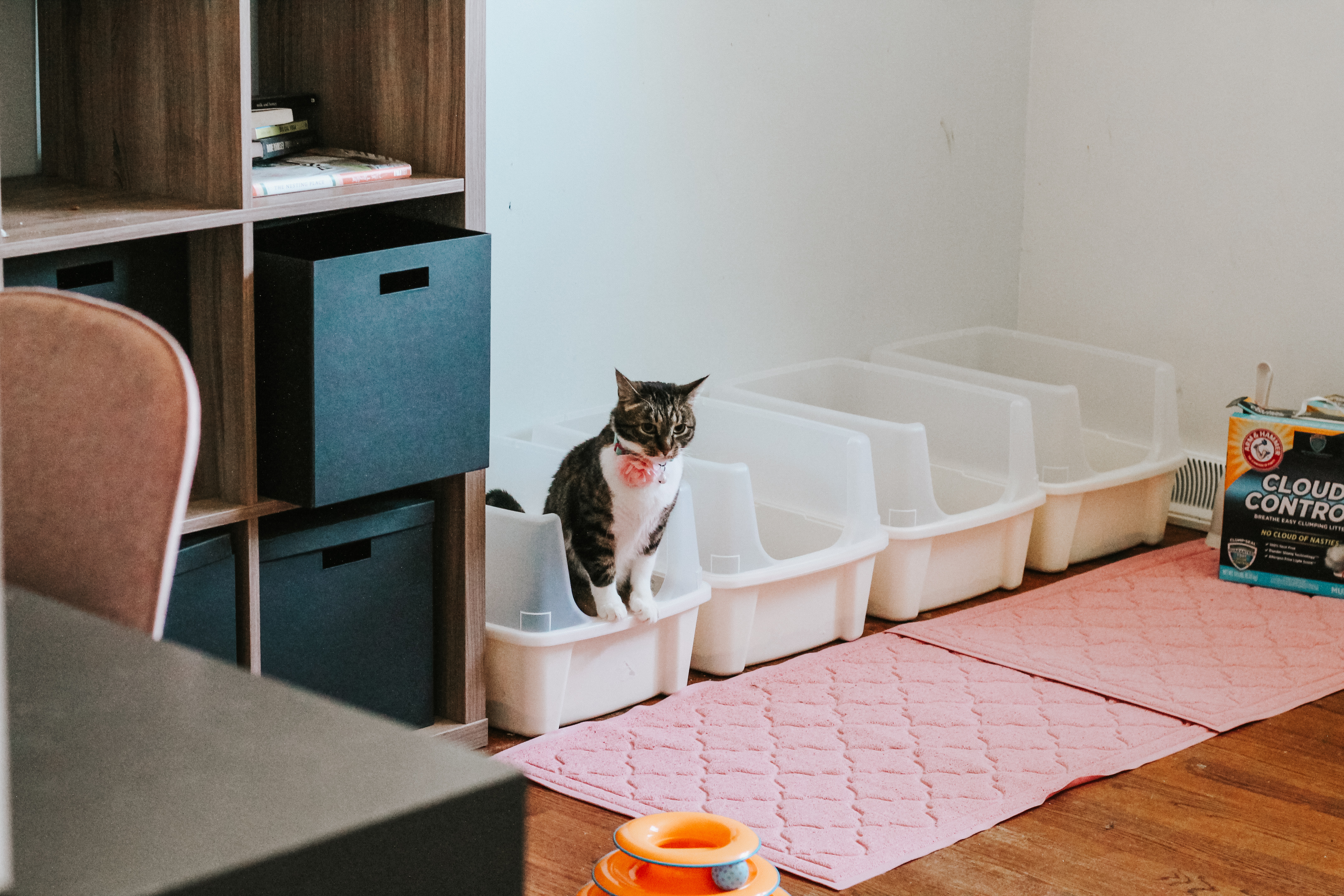
The simple rule is one litter box per cat, plus one extra. For two cats, three litter boxes work best. This gives each cat options and reduces fights over space. Cats like having their own area to do their business.
More boxes help keep the boxes clean and odor-free. Cats avoid dirty boxes and may go elsewhere if they feel crowded. The extra box acts as a backup if one is dirty or blocked.
Factors Influencing Litter Box Count
Some cats share well, but others prefer their own box. Age, health, and personality affect how many boxes they need. Older or sick cats may need more boxes near their resting spots.
House size and layout also matter. Spread boxes across different rooms to give cats choices. This lowers stress and prevents accidents. Litter box type and size can influence comfort too.
Credit: mcaseed.com
Types Of Litter Boxes
Choosing the right litter box type is important for cat owners. Each type has benefits and challenges. Understanding these helps keep cats happy and clean.
Different litter boxes suit different cats and homes. Picking the correct one supports good litter habits.
Open Vs Covered Boxes
Open boxes allow fresh air and easy access. Cats often prefer them for comfort and space. Cleaning open boxes is simple and quick. Covered boxes offer privacy and help contain odors. Some cats feel trapped in covered boxes. Choose based on your cats’ behavior and preference.
Self-cleaning Options
Self-cleaning litter boxes save time. They automatically scoop waste into a separate compartment. This keeps the box fresh longer. Not all cats like the noise or movement. Check if your cats accept these boxes before buying. They require electricity and regular maintenance.
Size And Design Considerations
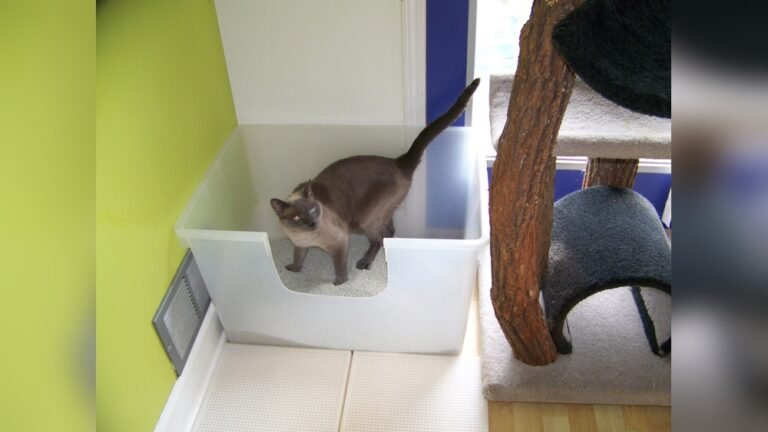
Litter boxes must be big enough for cats to move freely. A box should be at least one and a half times the cat’s length. Deeper boxes hold more litter and reduce spills. Low-sided boxes suit older or small cats. Look for sturdy materials that are easy to clean.
Placement Tips For Multiple Boxes
Placing multiple litter boxes for two cats needs careful thought. The right spots can keep cats happy and stress-free. Good placement helps avoid fights and keeps boxes clean. It also makes cats use their boxes regularly. Here are tips to pick the best locations for each litter box.
Choosing Quiet Locations
Pick calm places away from loud noises. Cats like peace when they use the box. Avoid spots near TVs, washing machines, or busy hallways. Quiet areas help cats feel safe and relaxed. This way, they use the box without fear or stress.
Avoiding Competition Spots
Place boxes far from each other. Cats can be territorial and dislike sharing close spaces. If boxes are too close, fights or avoidance may happen. Spread boxes to different rooms or corners. Separate spots reduce competition and keep peace.
Accessibility For Cats
Make sure cats reach boxes easily. Avoid tight spaces or places with many obstacles. Older or shy cats need easy access without worries. Keep boxes on the same floor where cats spend time. Easy access means cats will use the boxes more.
Credit: www.kinship.com
Maintaining Cleanliness
Keeping litter boxes clean is key for happy cats and a fresh home. Two cats need enough space and clean boxes to avoid stress. Cleanliness helps prevent odors and health problems. It also encourages cats to use their boxes properly. Let’s explore how to maintain litter box cleanliness for two cats.
Cleaning Frequency
Clean litter boxes daily to keep them fresh. Scoop out waste at least once a day. Change all the litter once a week. More cleaning may be needed if cats produce more waste. Regular cleaning stops smells and keeps cats healthy.
Litter Types And Preferences
Choose litter that your cats like and that controls odor. Clumping litter is easy to scoop and keeps the box tidy. Some cats prefer unscented litters to avoid irritation. Try different types to see what works best for your cats. Keep the litter depth about two inches for comfort.
Dealing With Odors
Odors come from waste and dirty litter. Scoop waste daily to reduce smells. Use baking soda under the litter to absorb odors. Avoid strong fragrances that may bother cats. Clean the box with mild soap and warm water weekly. Good ventilation in the litter area helps keep air fresh.
Behavioral Signs And Adjustments
Behavioral signs from cats can tell you a lot about their comfort with litter boxes. Watching their actions helps you know if you need to make changes. Cats may show stress or avoid certain boxes. Recognizing these signs early helps keep peace and cleanliness.
Recognizing Stress Or Avoidance
Cats may avoid a litter box if it feels unsafe or dirty. Signs include sniffing around but not using the box. Some cats urinate outside the box to show discomfort. Watch for scratching around the house instead of the box. These behaviors often mean stress or dislike.
When To Add More Boxes
Two cats usually need at least two litter boxes. Adding a third box can reduce competition. If one cat blocks another, add more boxes. Also, add boxes if you see accidents outside the box. Multiple boxes give cats options and reduce stress.
Managing Conflicts Between Cats
Cats may fight over litter box access. Separate boxes in quiet, different areas to avoid fights. Clean boxes often to keep odors low. Watch for bullying behavior near boxes and intervene. Creating a calm space helps both cats use their boxes peacefully.
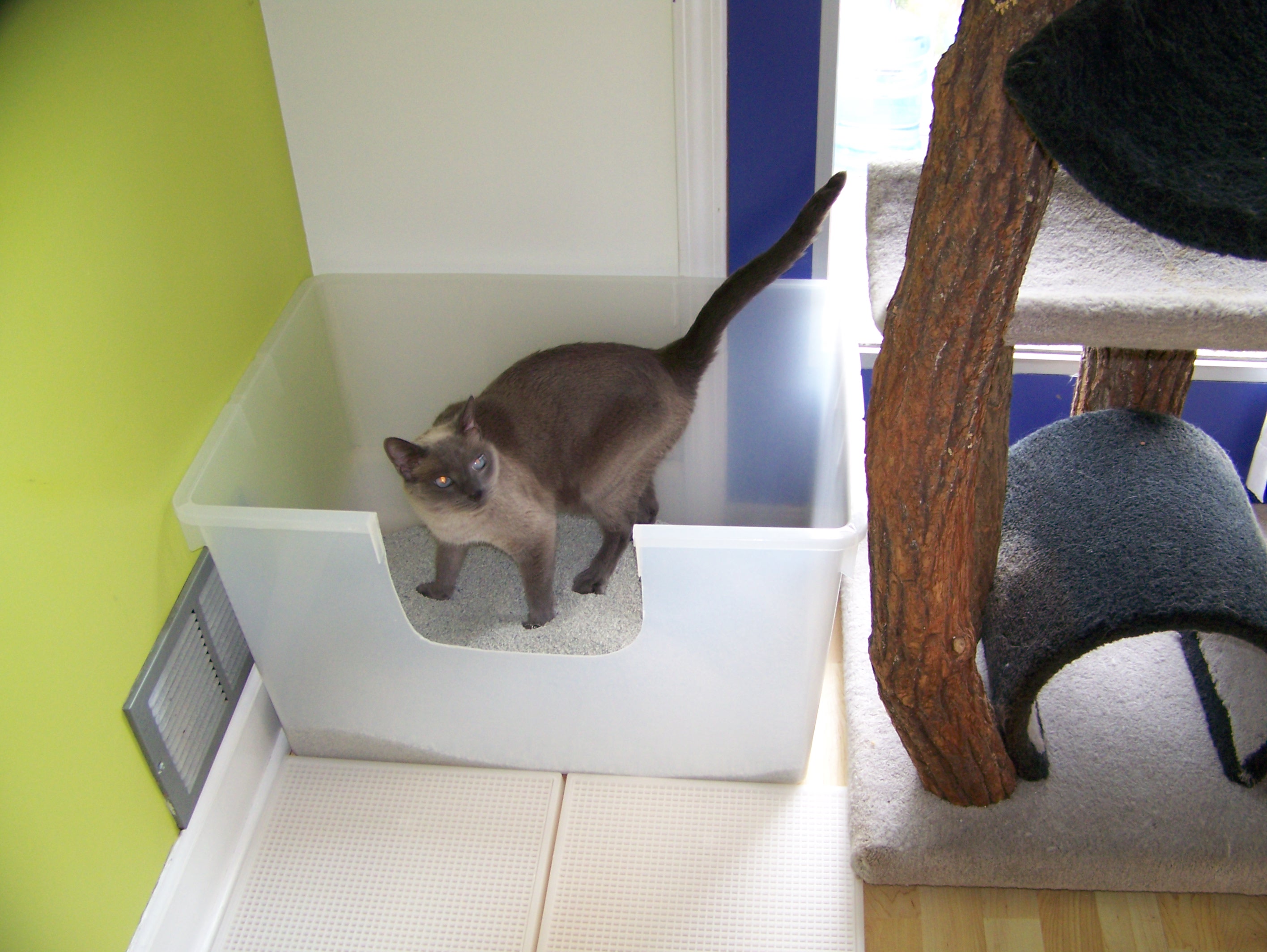
Credit: www.fundamentallyfeline.com
Health And Hygiene Benefits
Keeping the right number of litter boxes for two cats helps maintain health and hygiene. Cats are clean animals and prefer a tidy place to do their business. Having enough litter boxes reduces stress and prevents health problems. Clean and accessible litter boxes support good habits and well-being.
Preventing Urinary Issues
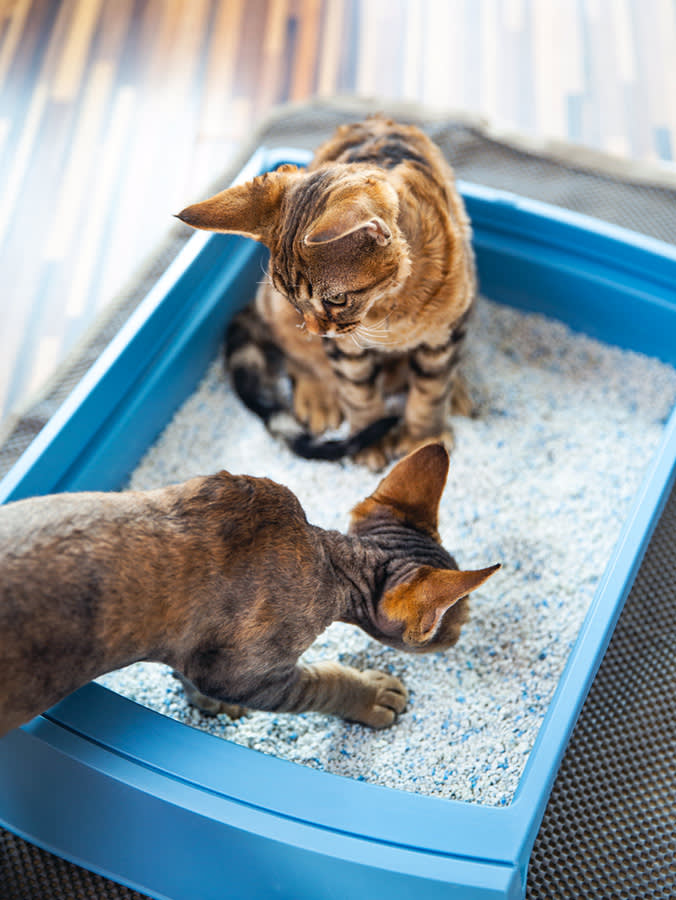
Using separate litter boxes lowers the risk of urinary infections. Cats avoid dirty or crowded boxes, which can cause holding urine too long. Holding urine can lead to bladder problems and infections. Multiple boxes encourage frequent use and keep cats healthy.
Reducing Territorial Marking
Cats mark territory by urinating in different places. Sharing one litter box can increase marking outside the box. Providing enough litter boxes helps cats feel secure and less likely to mark. This reduces bad smells and keeps your home clean.
Improving Overall Well-being
Clean litter boxes reduce stress and anxiety in cats. Stress can cause behavior problems and health issues. Multiple boxes make cats comfortable and happy. Happy cats are active, eat well, and have better immune systems.
Cost And Space Considerations
Choosing the right number of litter boxes for two cats means thinking about cost and space. Each box needs regular cleaning and some replacement over time. Two cats usually need at least two litter boxes to keep them happy and healthy. This means more expense and more room needed in your home.
Many cat owners worry about where to place multiple boxes. Small homes or apartments may have limited space. Finding spots that are quiet and easy to clean is important. Balancing cost and space can help you create a good setup for your cats.
Budgeting For Multiple Boxes
Buying more than one litter box adds to your spending. Boxes vary in price based on size and material. Simple plastic boxes cost less, while covered or self-cleaning boxes cost more. You also need to buy litter, which adds ongoing expense. Plan for litter replacement and occasional box replacement. Setting a clear budget helps avoid surprises.
Consider buying durable boxes that last longer. This saves money over time. Bulk buying litter can reduce costs too. Budgeting helps you provide good care without overspending.
Optimizing Small Living Spaces
Space can be tight with two litter boxes. Choose boxes that fit well in small areas. Corners, under cabinets, or behind doors work well. Use vertical space by placing boxes under shelves if possible. Keep boxes in quiet spots where cats feel safe.
Regular cleaning keeps the area fresh and comfortable. Use mats to catch litter and keep floors clean. Organize supplies in small bins to save space. Small space does not mean less comfort for your cats.
Frequently Asked Questions
How Many Litter Boxes Do 2 Cats Need?
Two cats need at least three litter boxes to avoid territorial issues. This rule helps reduce stress and accidents.
Why Is Having Extra Litter Boxes Important?
Extra boxes prevent competition and ensure cleanliness. Cats prefer separate spaces for urination and defecation.
Sharing one box often leads to stress and litter box avoidance. Multiple boxes are recommended for harmony.
Where Should I Place Litter Boxes For 2 Cats?
Place boxes in quiet, accessible locations. Avoid high-traffic or noisy areas to encourage regular use.
Conclusion
Two cats need at least two litter boxes to stay happy. Each cat should have its own space to avoid stress. Clean the boxes often to keep them fresh and inviting. Place boxes in quiet, easy-to-find spots around the house.
Watching your cats’ behavior helps you know if changes are needed. Keeping litter boxes clean and accessible supports your cats’ health. A simple setup makes life easier for both you and your pets. Remember, happy cats mean a peaceful home for everyone.