How Many Litter Boxes Per Cat: Ultimate Guide for Happy Pets

If you have a cat, you probably want to keep them happy and your home clean. One important question you might have is: how many litter boxes does your cat really need?
Getting this right can save you from unpleasant surprises like accidents outside the box or stressed-out cats. You’ll discover the simple rule that helps you avoid these problems and keeps your feline friend content. Keep reading to find out the best number of litter boxes for your cats and why it matters more than you think.
Ideal Number Of Litter Boxes
Choosing the right number of litter boxes helps keep cats happy and healthy. Cats need clean and easy places to go. The ideal number of litter boxes depends on simple rules and some key factors. Understanding these points makes caring for your cat easier.
Basic Rule For Litter Boxes
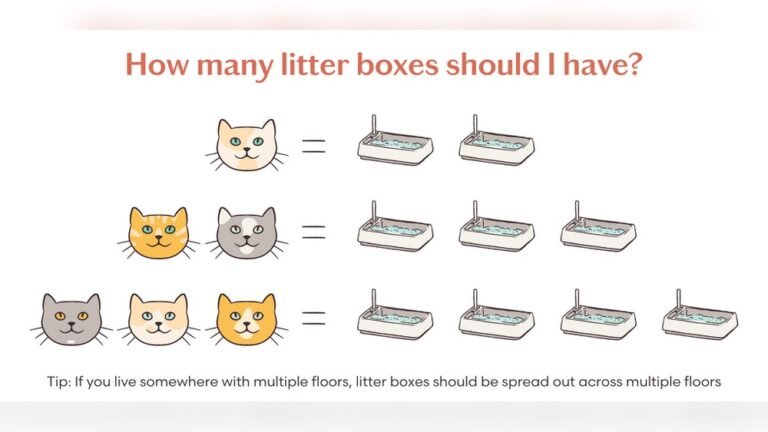
The simple rule is one litter box per cat plus one extra. This means two cats need three boxes. The extra box helps avoid fights over space. It also keeps cats from holding in their needs. Clean boxes in quiet spots work best.
Factors Influencing Box Count
Some things change the number of boxes your cat needs. Age plays a role. Older cats may need more boxes. The size of your home matters. Larger homes might need more boxes in different rooms. The cat’s health affects how often it uses the box. Multiple cats with different personalities may need separate boxes. Some cats do not share well.
Choosing The Right Litter Box
Choosing the right litter box is important for your cat’s comfort and hygiene. Cats need a box that fits their size and habits. The right box helps keep your home clean and your cat happy. Here are key points to consider when picking a litter box.
Size And Shape Options
Size matters for cats. Bigger cats need larger boxes to move freely. Small boxes can make cats uncomfortable and cause accidents. Shapes also matter. Rectangular boxes work for most cats. Some cats prefer round boxes. Choose a shape that fits your space and your cat’s needs.
Open Vs Covered Boxes
Open boxes give cats plenty of space and fresh air. They are easy to clean but may spread litter outside. Covered boxes offer privacy and reduce odor. Some cats feel trapped inside covered boxes. Watch your cat’s behavior to decide which type suits them best.
Material And Durability
Most litter boxes are plastic. Choose sturdy plastic that resists cracks and stains. Thin plastic breaks easily and traps odors. Some boxes have non-stick surfaces for easy cleaning. Durable material saves money and keeps your cat healthy.
Litter Types And Preferences
Choosing the right litter type is key for happy cats and clean homes. Cats can be picky about their litter. Their preference affects how often they use the box. Understanding litter options helps you make better choices. It also ensures your cat feels comfortable and safe.
Clumping Vs Non-clumping
Clumping litter forms solid clumps when wet. This makes cleaning easier and faster. Non-clumping litter absorbs moisture but stays loose. Some cats prefer the texture of non-clumping litter. Clumping litter controls odor better than non-clumping. Choose based on your cat’s comfort and your cleaning routine.
Scented Vs Unscented
Scented litter masks odors with added fragrances. Some cats dislike strong smells and avoid the box. Unscented litter offers a natural scent. It is gentle on sensitive noses. Unscented litter reduces the chance of allergies. Pick unscented for a safe, neutral environment your cat trusts.
Eco-friendly Choices
Eco-friendly litters use natural materials like corn, wheat, or wood. They break down faster in the environment. These litters are often biodegradable and low in dust. Many cats like the natural feel of eco-friendly litter. Switching helps protect the planet while keeping your cat happy.
Placement Strategies
Proper placement of litter boxes is key to keeping cats happy and clean. Cats prefer private, quiet spots to do their business. Placement also affects how often cats use their boxes. Good strategies reduce accidents and stress for both cats and owners.
Think about your home’s layout and your cat’s habits. Place boxes where cats feel safe and comfortable. Avoid areas that are too noisy or crowded. Spread boxes to match your cat’s daily paths and routines.
Quiet And Accessible Spots
Choose calm and quiet places for litter boxes. Cats need privacy to feel secure. Avoid noisy rooms like kitchens or busy living rooms. Keep boxes easy to reach for your cat. Avoid blocking entrances with furniture or doors. Accessibility helps cats use their boxes more often.
Avoiding High-traffic Areas
Stay away from busy hallways or near loud appliances. Cats dislike being disturbed while using their box. High traffic causes stress and can lead to accidents. Pick spots away from children’s play areas or loud TV rooms. A peaceful environment encourages regular use of the litter box.
Multiple Floors Consideration
Place litter boxes on every floor if you live in a multi-story home. Cats may not want to climb stairs to find a box. Having boxes on each level reduces accidents and keeps cats comfortable. Make sure each box is in a quiet and accessible place on that floor. This helps cats feel secure and relaxed.
Cleaning And Maintenance
Keeping litter boxes clean is very important for cats. It helps stop smells and keeps cats healthy. Clean boxes also make cats happy and less likely to go outside the box. Regular cleaning and good care are key parts of owning cats.
Daily Scooping Tips
Scoop the litter box every day. Remove clumps and solid waste quickly. Use a scoop with holes to let clean litter fall through. This saves litter and keeps the box fresh. Scoop gently to avoid making a mess.
Deep Cleaning Schedule
Wash the litter box with soap and warm water once a week. Avoid strong-smelling cleaners; cats dislike them. Dry the box fully before adding new litter. Deep cleaning stops germs and reduces odors. It helps keep your cat’s bathroom safe.
Replacing Litter Boxes
Replace old or cracked litter boxes every 1 to 2 years. Cracks can trap bacteria and cause bad smells. Using a new box helps keep your cat healthy. Always have one box per cat plus one extra for best results.

Credit: www.kinship.com
Special Situations
Special situations need extra care with litter boxes. Cats have different needs based on age, health, and social setting. Adjusting the number of litter boxes helps keep cats happy and healthy. Below are key scenarios to consider.
Multiple Cats In One Household
Each cat needs their own litter box, plus one extra. This reduces fights and stress. Cats prefer separate spaces to do their business. More boxes mean less chance of accidents outside the box. Place boxes in different rooms or corners. This gives cats privacy and helps avoid territorial issues.
Senior And Sick Cats
Older or sick cats may struggle to reach litter boxes. Provide boxes with low sides for easy access. Place boxes near their favorite resting spots. Keep boxes clean to prevent infections and discomfort. Consider extra boxes to reduce stress. Watch for changes in bathroom habits, signaling health issues.
Introducing New Cats
New cats need time to adjust to litter boxes. Provide multiple boxes to avoid competition. Place boxes in quiet, separate areas at first. Gradually introduce new cats to shared spaces. Monitor their behavior closely to catch problems early. Extra boxes help reduce stress and promote harmony.
Signs Of Litter Box Problems
Signs of litter box problems often show early. Cats do not hide their discomfort. These signs help you catch issues fast. Spotting problems early protects your cat’s health. It keeps your home clean and stress-free.
Behavioral Changes
Cats might avoid their litter box suddenly. They may seem restless or anxious near the box. Some cats meow more or hide away. Changes in mood or habits often signal trouble. Watch for these shifts as early warnings.
Accidents Outside The Box
Accidents happen outside the litter box. Your cat may urinate on furniture or floor. This often means the box is not right. It could be dirty, too small, or in a bad place. Such accidents show your cat’s discomfort or confusion.
Health Concerns
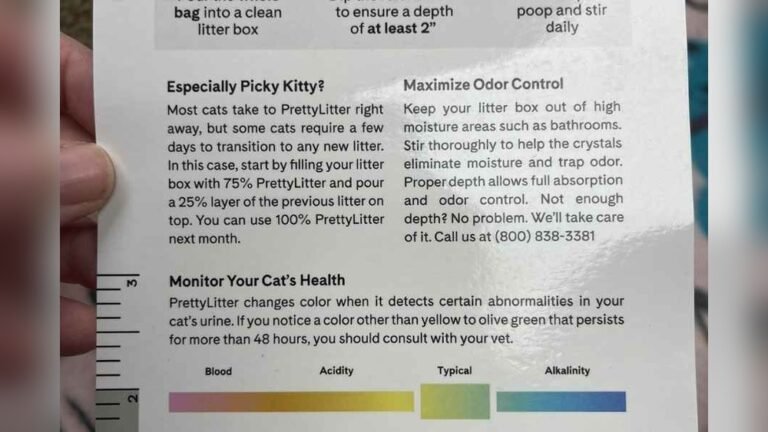
Health problems often cause litter box issues. Urinary infections or bladder problems are common. Cats might strain or cry while using the box. Blood in urine is a serious warning sign. These signs need a quick vet visit for care.

Credit: www.petnurture.com.au
Enhancing Litter Box Experience
Enhancing the litter box experience helps keep cats happy and healthy. A good setup encourages cats to use their boxes regularly. It also reduces accidents and stress in your home. Small changes can make a big difference in cat behavior and cleanliness.
Litter Attractants
Litter attractants are additives that make the box more appealing. They often contain scents that cats find pleasant. These attractants encourage cats to use the box more often. Choose attractants that are safe and natural. Avoid strong perfumes that might upset your cat’s nose.
Adding Multiple Boxes
Multiple boxes give cats options and reduce competition. Place boxes in quiet, easy-to-access areas. One box per cat, plus one extra, is a good rule. This helps prevent accidents and stress. It also keeps each box cleaner for longer.
Positive Reinforcement
Reward your cat for using the litter box correctly. Offer treats or gentle praise right after use. This builds a positive connection to the box. Avoid punishment or harsh reactions. Positive reinforcement helps your cat feel safe and confident.
Credit: www.petmd.com
Frequently Asked Questions
How Many Litter Boxes Do I Need Per Cat?
The general rule is one litter box per cat plus one extra. For example, two cats need three boxes. This prevents territorial disputes and keeps cats comfortable.
Why Is Having Multiple Litter Boxes Important?
Multiple boxes reduce stress and avoid accidents. Cats prefer clean, accessible boxes. Extra boxes ensure better hygiene and satisfaction, improving their overall well-being.
Can One Litter Box Cause Behavioral Issues?
Yes, a single box can lead to marking, accidents, or avoidance. Cats may feel territorial or stressed. Multiple boxes help prevent these problems.
Where Should I Place Litter Boxes For Multiple Cats?
Place boxes in quiet, low-traffic areas. Spread them out, not all in one spot. This gives cats privacy and reduces conflicts.
Conclusion
Cats need enough litter boxes to stay happy and healthy. One box per cat, plus one extra, works best. This helps avoid fights and keeps each cat comfortable. Clean boxes often to prevent odors and messes. Place boxes in quiet, easy-to-find spots around your home.
Watching your cats’ behavior can guide you to adjust the number. A happy cat means a happy home. Simple steps make a big difference in cat care. Keep these tips in mind for peaceful living with your pets.