How Many Cat Litter Boxes Per Cat: Ultimate Guide for Happy Pets

If you have a cat, you probably want to keep your home clean and your furry friend happy. But how many cat litter boxes do you really need?
It might seem simple, but the answer can make a big difference in your cat’s comfort and behavior. Getting this right can save you from unpleasant surprises like accidents outside the box or stressed-out cats. You’ll discover the ideal number of litter boxes for your cats and why it matters.
Keep reading to find out how to create the perfect litter setup that works for both you and your pets.
Ideal Number Of Litter Boxes
Knowing the ideal number of litter boxes helps keep cats happy and clean. Cats need easy access to a litter box. This prevents accidents and stress. Providing enough boxes also helps maintain a fresh-smelling home. The right number depends on a few simple rules and factors.
Basic Rule For Litter Boxes
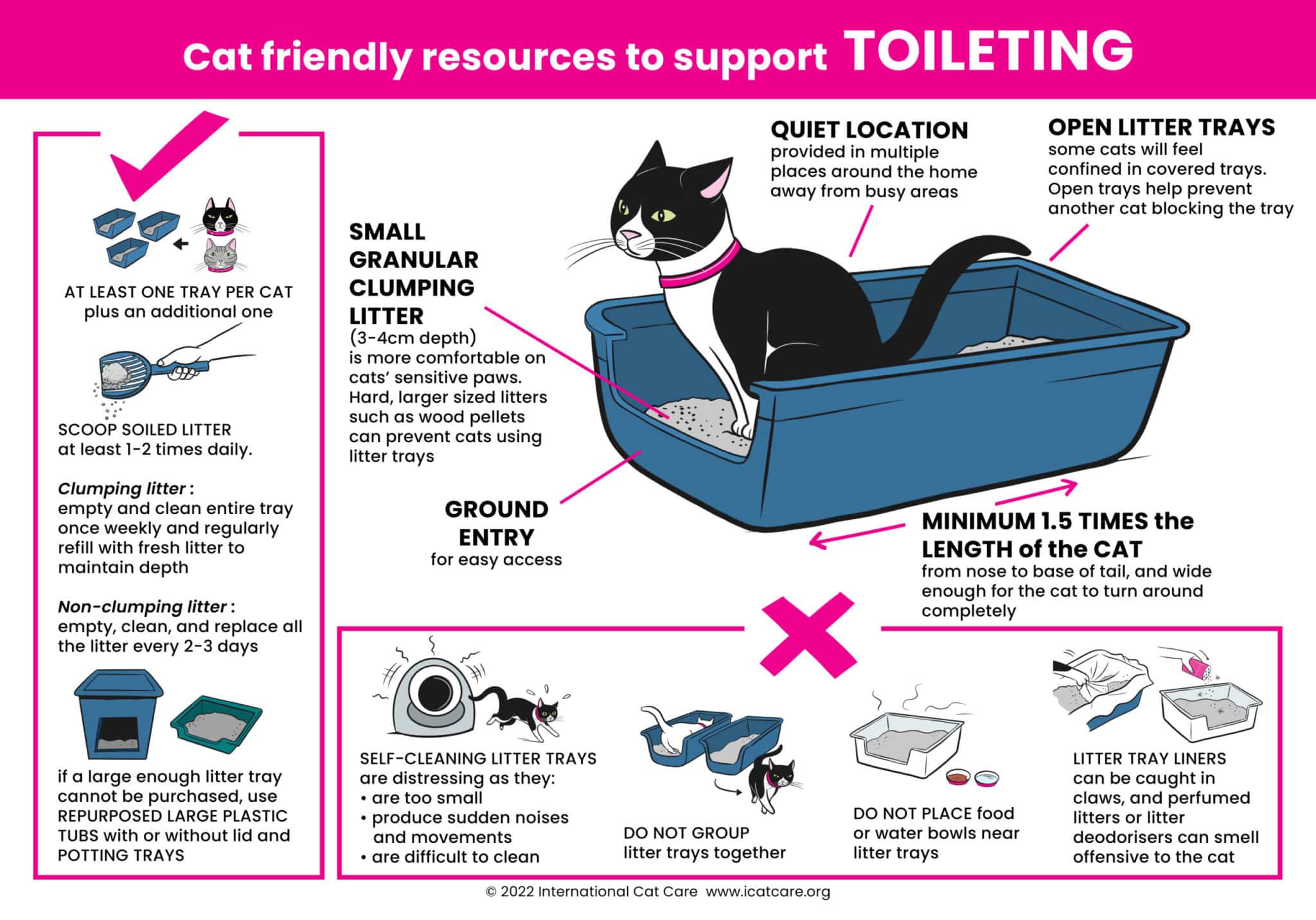
The basic rule is one litter box per cat, plus one extra. For example, if you have two cats, provide three litter boxes. This gives cats options and reduces fights over space. Each box should be in a quiet, easy-to-reach area. Clean boxes daily for best results.
Factors Affecting Number Needed
Some cats need more boxes than others. Older cats or those with health issues may prefer closer boxes. Multi-level homes may require boxes on each floor. Some cats like privacy and multiple spots to choose from. Watch your cats’ behavior to adjust the number if needed. More boxes mean less stress for your cats.
Credit: www.petmd.com
Types Of Litter Boxes
Choosing the right type of litter box is important for your cat’s comfort and hygiene. Different boxes suit different cats and homes. Understanding the options helps you pick the best one.
The main types are open, covered, and self-cleaning boxes. Each type has benefits and drawbacks. Knowing these can improve your cat’s litter habits.
Open Vs Covered Boxes
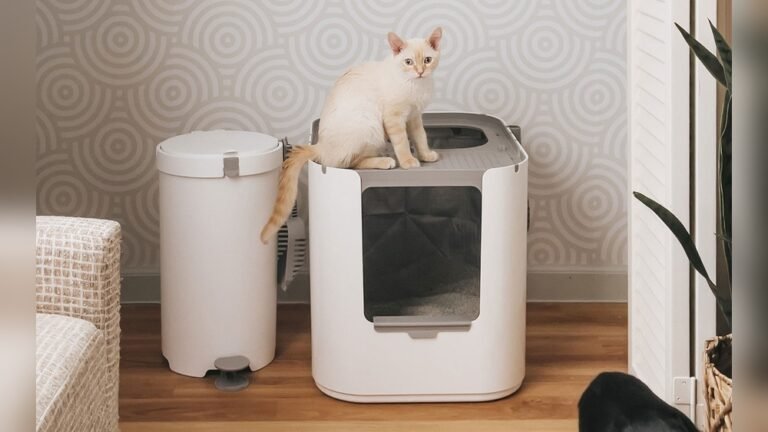
Open litter boxes have no lid. Cats can enter and exit easily. They provide good airflow and reduce smell inside the box. Cleaning is simple and fast.
Covered boxes have a lid or hood. They help contain odors and litter scatter. Cats get more privacy inside. Some cats may feel trapped or dislike the enclosed space.
Choosing between open and covered depends on your cat’s preference and home space. Try both types to see what your cat likes.
Self-cleaning Options
Self-cleaning litter boxes use technology to remove waste automatically. These boxes save time and keep the area clean. They often have sensors to detect when the cat leaves.
Some models use rakes to scoop clumps into a sealed container. Others use rotating drums to separate waste. These boxes reduce smell and manual scooping.
Self-cleaning boxes need power and regular maintenance. They can be more expensive but help busy owners keep litter areas tidy.
Placement Tips
Proper placement of cat litter boxes helps keep cats happy and healthy. Cats need privacy and quiet to feel safe while using their litter boxes. The right spot encourages good bathroom habits and reduces accidents.
Choosing Quiet Locations
Pick spots where your cat can relax without noise. Loud sounds can scare cats and make them avoid the box. A quiet corner or a spare room works well. Keep the area calm and peaceful to invite your cat.
Avoiding High Traffic Areas
Stay away from busy places like hallways or near doors. Cats dislike crowds and sudden movements while using the litter box. Choose a low-traffic space where your cat won’t be disturbed. This helps your cat feel safe and comfortable.

Credit: www.kinship.com
Cleaning Frequency
Cleaning cat litter boxes often keeps your home fresh. It helps stop smells and keeps cats happy. The right cleaning routine depends on how many cats and boxes you have. Regular care makes a big difference in hygiene and comfort.
Daily Maintenance
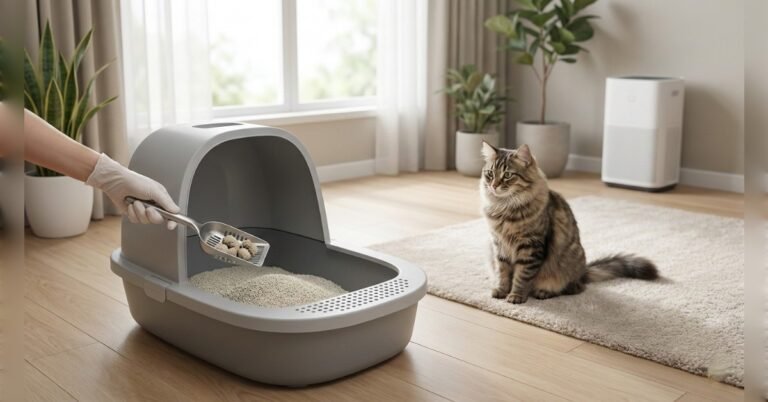
Scoop waste at least once a day. Remove clumps and solid waste quickly. This stops odors and stops bacteria from growing. Clean the edges and corners of the box. Use a small scoop made for litter boxes. Replace the scooped waste in the trash, not the toilet.
Deep Cleaning Schedule
Empty the whole box once a week. Wash it with warm water and mild soap. Avoid strong chemicals that can harm cats. Dry the box completely before adding new litter. Deep cleaning keeps the box fresh and safe. It also helps stop stains and bad smells.
Common Litter Box Problems
Cat litter boxes can cause many issues for pet owners. Problems often lead to cats avoiding their boxes. This creates messes and stress for both cats and owners. Understanding common problems helps keep cats happy and homes clean.
Avoiding Litter Box Avoidance
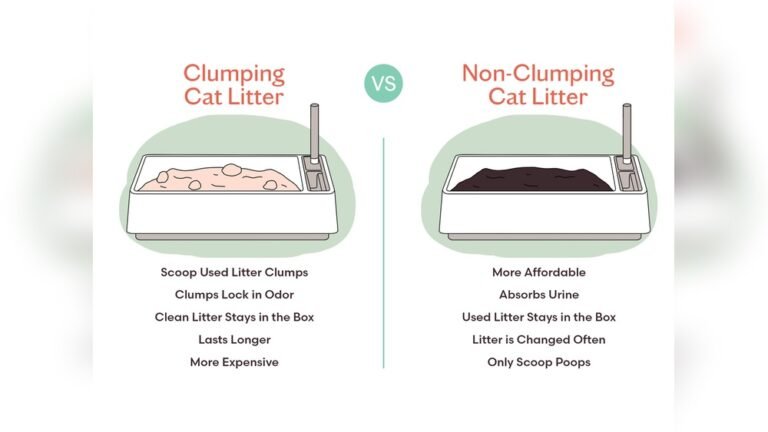
Cats may avoid their litter boxes for many reasons. Dirty boxes with strong smells turn cats away. Scoop boxes daily and change litter often. Choose unscented, clumping litter to please most cats.
Place boxes in quiet, low-traffic areas. Loud noises or busy spots scare cats. Also, use the right box size. Small boxes feel cramped and uncomfortable. A clean, calm space encourages use every time.
Handling Multiple Cat Dynamics
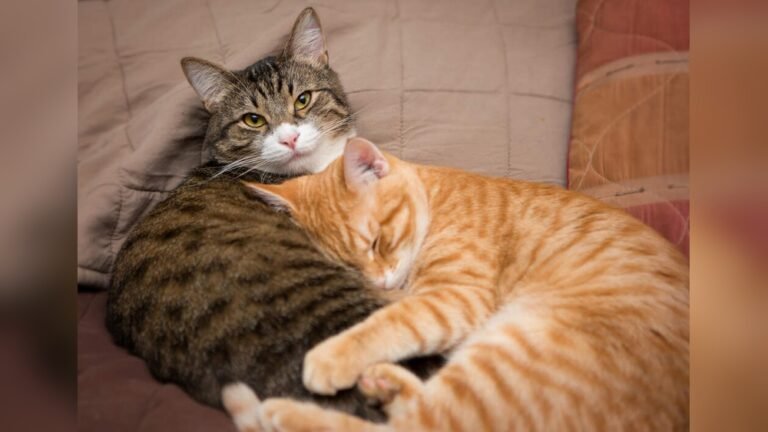
Multiple cats need multiple litter boxes. Sharing boxes causes stress and fights. The rule is one box per cat plus one extra. This prevents competition and keeps peace.
Place boxes in different rooms. This avoids crowding and gives each cat privacy. Watch for bullying or guarding behavior. Separate boxes help reduce tension and stop avoidance.
Credit: sdhumane.org
Special Considerations
Some cats need extra care with their litter boxes. Special needs affect how many boxes they need. This section explains important points for kittens, senior cats, and cats with health issues. Understanding these helps keep your cats happy and healthy.
Kittens And Senior Cats
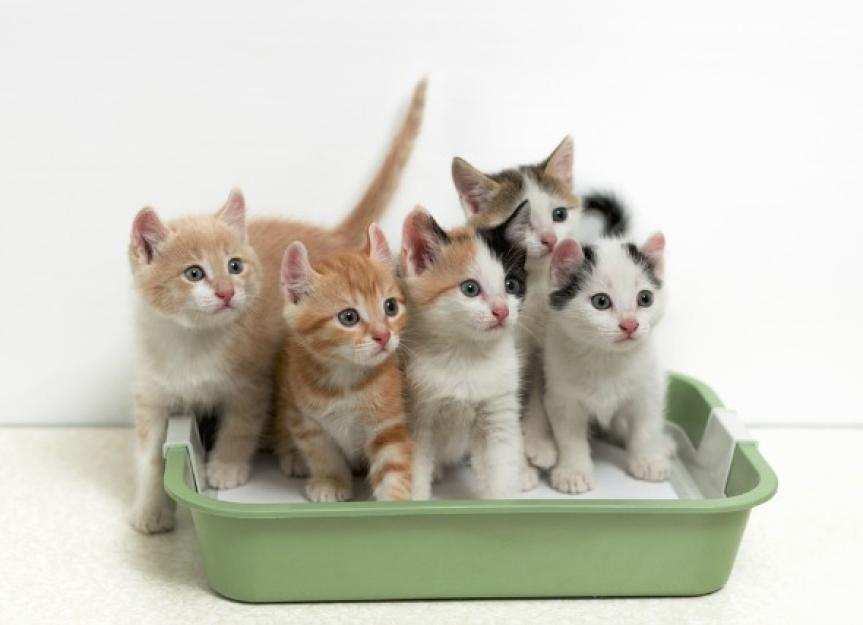
Kittens are small and still learning to use the box. They may need a smaller, easy-to-access box. Place more boxes in different rooms. This helps them find one quickly.
Senior cats may move slower or have trouble climbing into tall boxes. Use low-entry boxes for them. More boxes reduce the chance of accidents. Keep boxes clean and soft to protect their paws.
Cats With Health Issues
Cats with health problems may need more boxes. Arthritis or pain can make walking hard. Place boxes close to where they rest. This reduces strain and stress.
Some cats may urinate more or less due to illness. Extra boxes help avoid accidents. Watch their behavior closely and adjust box numbers as needed.
Frequently Asked Questions
How Many Litter Boxes Should I Have For One Cat?
It is recommended to have one litter box per cat plus one extra. This prevents territorial issues and keeps boxes clean.
Why Is An Extra Litter Box Necessary For Cats?
An extra box offers options, reduces stress, and prevents accidents. Cats prefer clean, accessible boxes at all times.
Can One Litter Box Cause Health Problems In Cats?
Yes, a single box can lead to hygiene issues and urinary tract infections. Multiple boxes promote better health and comfort.
How Does Litter Box Number Affect Cat Behavior?
Insufficient boxes may cause stress, territorial disputes, and inappropriate elimination. More boxes help cats feel secure and relaxed.
Conclusion
Cats need enough litter boxes to stay happy and healthy. One box per cat, plus one extra, works best. This helps prevent accidents and keeps cats comfortable. Clean litter boxes often to avoid odors and stress. Watch your cats’ behavior to know if more boxes are needed.
A simple setup makes life easier for both you and your pets. Giving cats enough space to do their business keeps your home clean. Remember, happy cats mean a happy home.