How to Wash Cat Litter Box: Easy Steps for a Fresh, Clean Home

Keeping your cat’s litter box clean is more important than you might think. If you want to avoid unpleasant odors and keep your furry friend happy and healthy, knowing how to wash your cat litter box the right way is key.
You might be surprised how a simple, proper cleaning routine can make a huge difference in your home’s freshness and your cat’s comfort. You’ll discover easy steps and smart tips to make litter box cleaning quick, effective, and even hassle-free.
Ready to transform this chore into something simple? Let’s dive in!
Gather Supplies
Gathering the right supplies is the first step to cleaning your cat litter box well. Having everything ready makes the process faster and easier. It also helps keep your hands safe and your cat healthy. Below are the key tools and products you will need to clean the litter box properly.
Essential Cleaning Tools
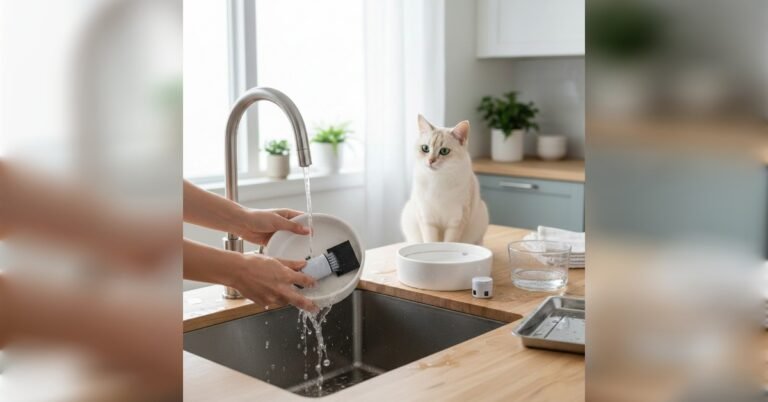
Start with a sturdy pair of gloves to protect your hands. Use a scoop to remove old litter and waste. A small brush or sponge helps scrub the box’s corners and sides. Have a bucket or trash bag ready for disposal of dirty litter. A clean towel or paper towels come in handy for drying the box after washing.
Safe Cleaning Products
Choose gentle cleaning products that do not harm your cat. Mild dish soap works well to break down grime without harsh chemicals. Avoid bleach or strong disinfectants that can irritate your cat’s nose. White vinegar is a natural cleaner that also removes odors. Use warm water to rinse the box thoroughly after cleaning.
Credit: www.fearfreehappyhomes.com
Remove Old Litter
Removing old litter is the first step in cleaning your cat’s litter box. It keeps the box fresh and helps stop bad smells. Regular removal makes cleaning easier and keeps your cat happy. Use proper methods to get rid of the waste safely and cleanly.
Proper Disposal Methods
Put old litter in a strong trash bag. Tie the bag tightly to stop spills and smells. Avoid flushing litter down the toilet. It can cause plumbing problems and harm the environment. Dispose of the bag in your regular trash bin. Use a scoop or small shovel to move litter easily.
Handling Clumps And Waste
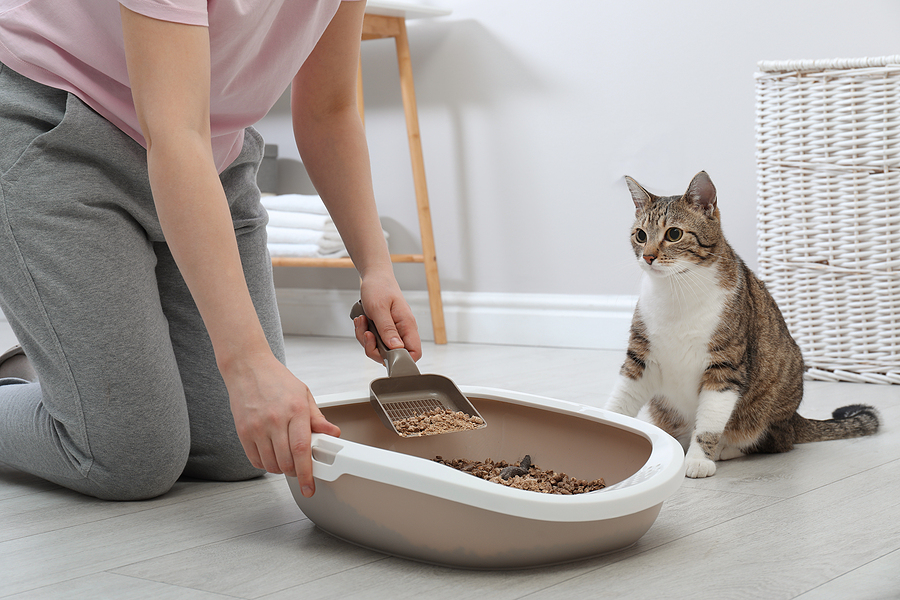
Remove clumps of urine and feces first. Use a scoop with holes to shake clean litter back into the box. This saves litter and keeps the box tidy. Wear gloves to protect your hands. Clean the scoop after use to avoid germs. Check for wet spots and remove them to keep the box dry.
Scrub The Litter Box
Scrubbing the cat litter box is key to keeping it clean and fresh. Dirt and odors build up fast. A good scrub removes waste and bacteria, making the box safe for your cat. This step needs care and the right approach to avoid damage and keep your cat healthy.
Choosing The Right Scrubbing Technique
Use a scrub brush or sponge with firm bristles. Soft brushes do not clean well. Scrub all corners and edges to remove stuck waste. Avoid harsh scrubbing that might scratch the box. Scratches hold bacteria and smells. Use warm water to help break down grime. Take your time for a thorough clean.
Avoiding Harmful Chemicals
Do not use bleach or strong cleaners. These chemicals harm your cat and damage the box. Choose mild soap or a mix of vinegar and water. These cleaners kill bacteria and are safe. Rinse the box well after scrubbing. No soap should remain. Your cat’s health depends on a clean, chemical-free box.
Credit: cleanzen.com
Rinse And Dry
Rinsing and drying the cat litter box is a key step in keeping it clean and fresh. Proper rinsing removes all dirt and odors from the box. Drying prevents moisture, which stops bad smells and bacteria growth. Both steps help keep your cat’s area healthy and pleasant.
Effective Rinsing Tips
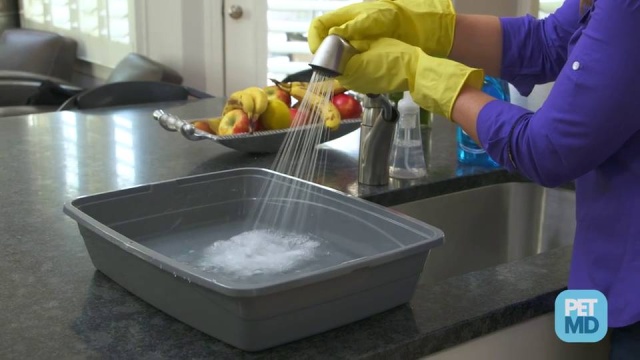
Use warm water to rinse the litter box thoroughly. Warm water helps break down waste and litter residues. Avoid using harsh soaps that can harm your cat or leave strong smells. A mild, unscented dish soap works best. Scrub all corners with a brush or sponge to remove stuck debris. Rinse again until no soap remains. Cleaning every part ensures no odor stays behind.
Drying For Odor Prevention
Dry the litter box completely before adding new litter. Use a clean towel to wipe the inside and outside. Air drying works well if you have time. Moisture left in the box causes bacteria and bad smells. Drying also helps the litter stay dry and fresh longer. A dry box keeps your cat happy and healthy.
Add Fresh Litter
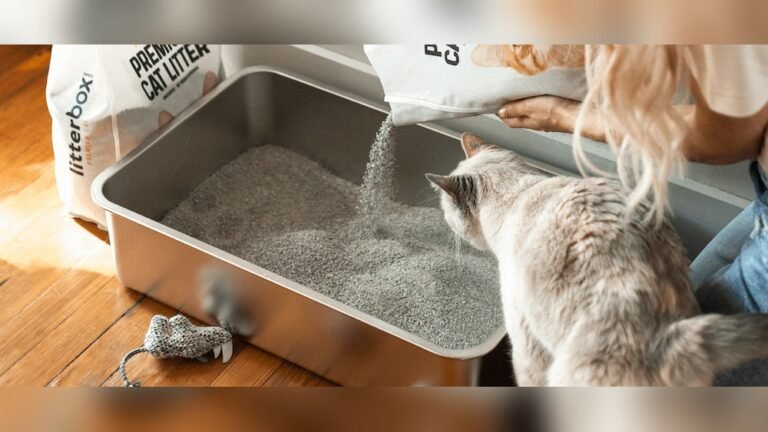
Adding fresh litter to the cat litter box keeps it clean and inviting for your cat. Fresh litter controls odor and absorbs moisture well. It also encourages your cat to use the box regularly. Proper care of the litter helps maintain a healthy environment for your pet.
Selecting The Best Litter
Choose litter that clumps easily for simple cleaning. Unscented litter works best for sensitive noses. Natural materials like clay or corn are gentle on paws. Avoid dusty litter to prevent respiratory issues.
Proper Litter Depth
Fill the box with about two to three inches of litter. Too little litter makes digging hard for your cat. Too much litter can cause waste to spread outside the box. The right depth keeps your cat comfortable and the area tidy.
Maintain Regular Cleaning
Maintaining regular cleaning of your cat’s litter box keeps it fresh and odor-free. A clean box encourages your cat to use it consistently. It also helps prevent bacteria and germs from building up. Regular cleaning can make your home more pleasant for everyone.
Daily Spot Cleaning
Remove clumps and waste every day. Use a small scoop to take out soiled litter. This keeps the box tidy and reduces smells. Stir the remaining litter to keep it loose and dry. Replace any litter that looks wet or dirty. Daily care makes the box more inviting for your cat.
Weekly Deep Cleaning Routine
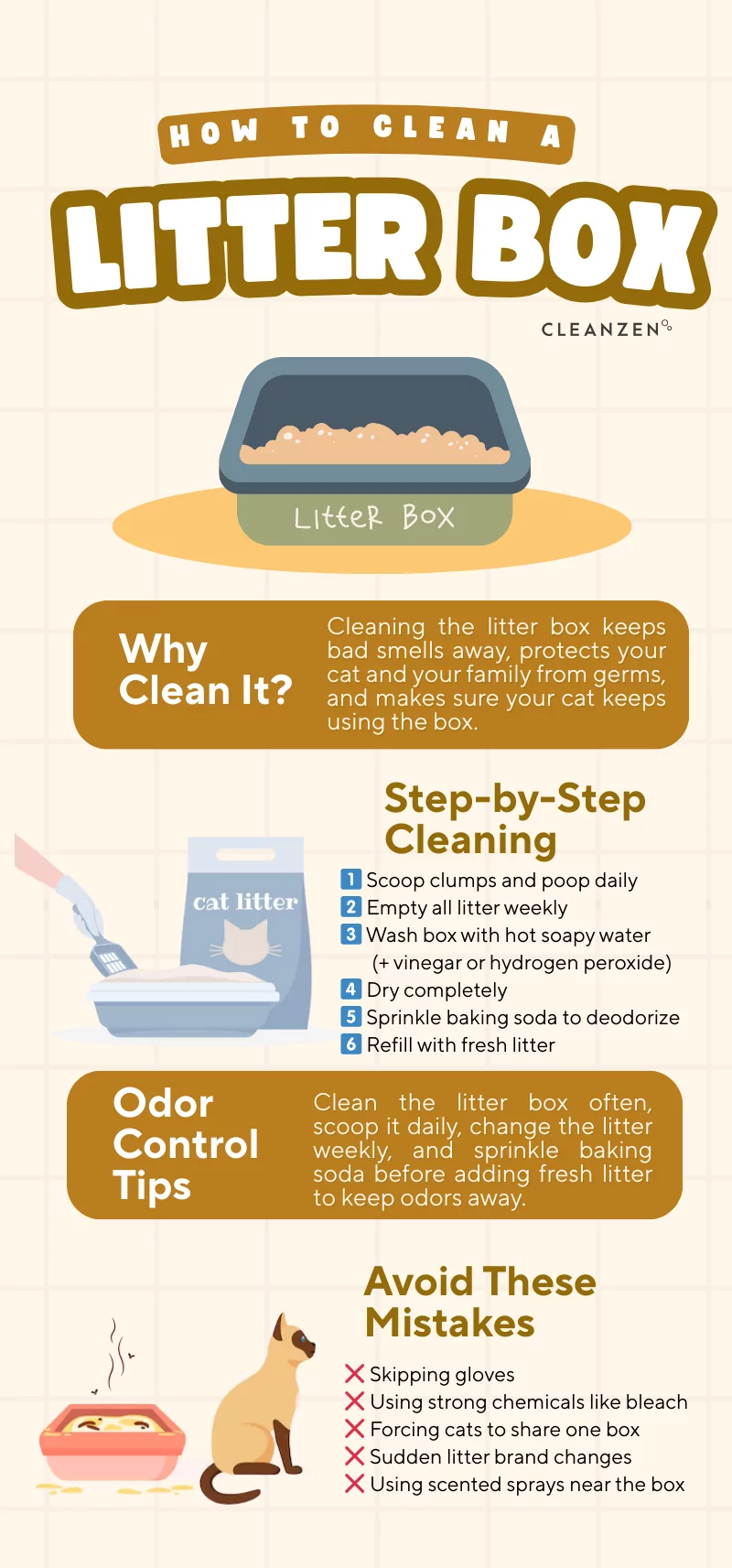
Empty all the litter once a week. Wash the box with warm water and mild soap. Avoid harsh chemicals that can harm your cat. Rinse well and dry completely before adding fresh litter. Clean the scoop and surrounding area too. Weekly cleaning helps stop bacteria and keeps the box safe.
Prevent Odors
Preventing odors is key to keeping your home fresh. Cat litter boxes can smell bad quickly. Cleaning alone does not stop all odors. You need extra steps to control the smell. Simple methods work well to keep odors away. Let’s explore two easy ways to prevent bad smells.
Using Deodorizers
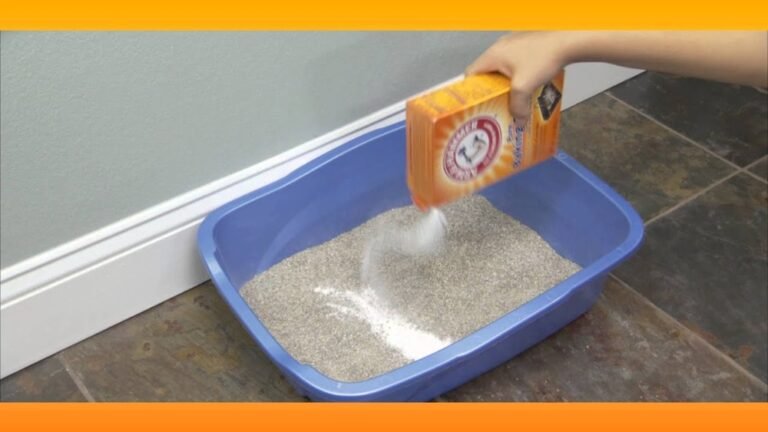
Deodorizers help mask and reduce litter box smells. Choose products made for cat litter boxes. Sprinkle baking soda at the bottom before adding litter. It absorbs moisture and neutralizes odors. Some litters already include deodorizing agents. Replace the deodorizer regularly to keep it effective. Avoid strong scents that may bother your cat.
Ventilation Tips
Good airflow reduces odor buildup around the litter box. Place the box in a well-ventilated spot. Open windows or use fans to circulate air. Avoid cramped or closed rooms. Ventilation helps dry the litter faster. Dry litter means less smell and less bacteria growth. Keep the area clean and free of dust to improve air quality.
Credit: www.petmd.com
Frequently Asked Questions
How Often Should I Wash My Cat Litter Box?
Wash your cat litter box at least once a week. Frequent cleaning prevents odor and bacteria buildup. Daily scooping helps maintain cleanliness between washes, ensuring a healthy environment for your cat.
What Cleaning Products Are Safe For Litter Boxes?
Use mild, unscented soap and warm water. Avoid harsh chemicals like bleach or ammonia. These can harm your cat or leave harmful residues. Natural, pet-safe cleaners are best for litter box hygiene.
Can I Use Vinegar To Clean The Litter Box?
Yes, vinegar is an effective, natural cleaner. It removes odors and disinfects without harmful chemicals. Mix vinegar with water and rinse thoroughly before adding fresh litter to keep the box safe.
How Do I Prevent Litter Box Odor After Washing?
Thoroughly dry the litter box before adding new litter. Use baking soda under the litter to absorb odors. Regular washing and daily scooping also help maintain freshness and reduce smells.
Conclusion
Keeping your cat’s litter box clean helps prevent odors and keeps your cat healthy. Wash the box regularly with mild soap and warm water. Avoid strong chemicals that can harm your cat. Dry the box well before adding fresh litter.
A clean litter box encourages your cat to use it properly. Small efforts make a big difference in your pet’s comfort. Remember, a clean home means a happy cat and a happier you. Simple steps keep both safe and comfortable every day.