How to Keep Dogs Out of Cat Litter Box: Easy & Effective Tips

If you have both dogs and cats at home, you’ve probably faced the frustrating problem of your dog getting into your cat’s litter box. It’s not just messy—it can be unhealthy for your dog and stressful for your cat.
You want a clean, calm space for your feline friend, but how do you keep your curious dog away? You’ll discover simple, effective ways to stop your dog from invading the litter box. Keep reading to protect your pets and keep your home fresh and peaceful.
Credit: cats.com
Reasons Dogs Visit Cat Litter Boxes
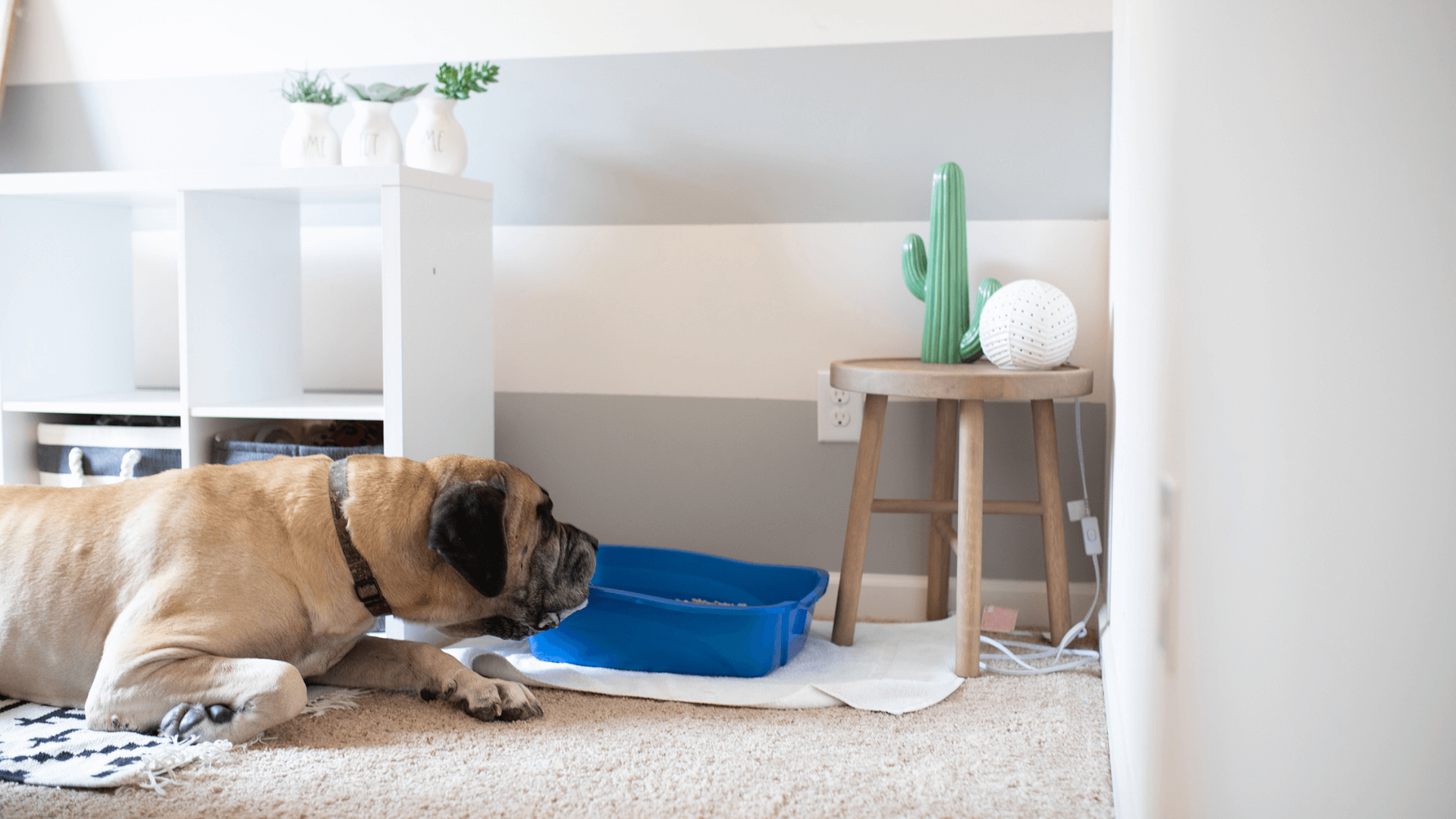
Dogs often visit cat litter boxes for various reasons. Understanding these reasons helps in managing this behavior. Dogs explore new things around the house. The litter box is no exception. Its smell and texture attract dogs. This visit can affect both pets. It may also pose health risks for dogs.
Curiosity And Smell Attraction
Dogs rely on their sense of smell. Cat litter boxes have strong odors. These smells catch a dog’s attention. Dogs are curious about new scents. The litter box offers a mix of smells. This makes dogs want to investigate. Sometimes, they even try to eat the litter or waste.
Health Risks For Dogs
Cat litter boxes can be harmful to dogs. The litter may contain chemicals or clumping agents. Eating litter can cause stomach problems. Dog exposure to cat waste can spread infections. Parasites and bacteria may transfer to dogs. This can lead to vomiting or diarrhea. Keeping dogs away protects their health.
Impact On Cats
Dogs visiting litter boxes disturb cats. Cats need privacy to use the box comfortably. A dog’s presence may stress cats. Stressed cats might avoid the litter box. This can cause accidents around the house. Cats may also refuse to eat or drink properly. Protecting the litter box helps cats feel safe.
Credit: www.thedoorbuddy.com
Choosing The Right Litter Box Location
Choosing the right location for your cat’s litter box plays a big role in keeping dogs away. A good spot makes cats feel safe and helps stop dogs from getting curious. The place should be quiet, easy for your cat to reach, and hard for your dog to access. Think about your home’s layout and your pets’ habits when picking the location.
High Or Hidden Spots
Placing the litter box in a high or hidden spot keeps dogs out. Cats like places where they can watch around and feel safe. Use shelves, counters, or small rooms that dogs cannot reach easily. High spots give cats privacy and stop dogs from sniffing or digging in the litter.
Using Barriers Or Gates
Barriers or gates create a clear limit around the litter box area. Use pet gates with small openings to block dogs but let cats pass. This method works well in doorways or hallways. Barriers keep dogs away and help cats use the box without stress or interruptions.
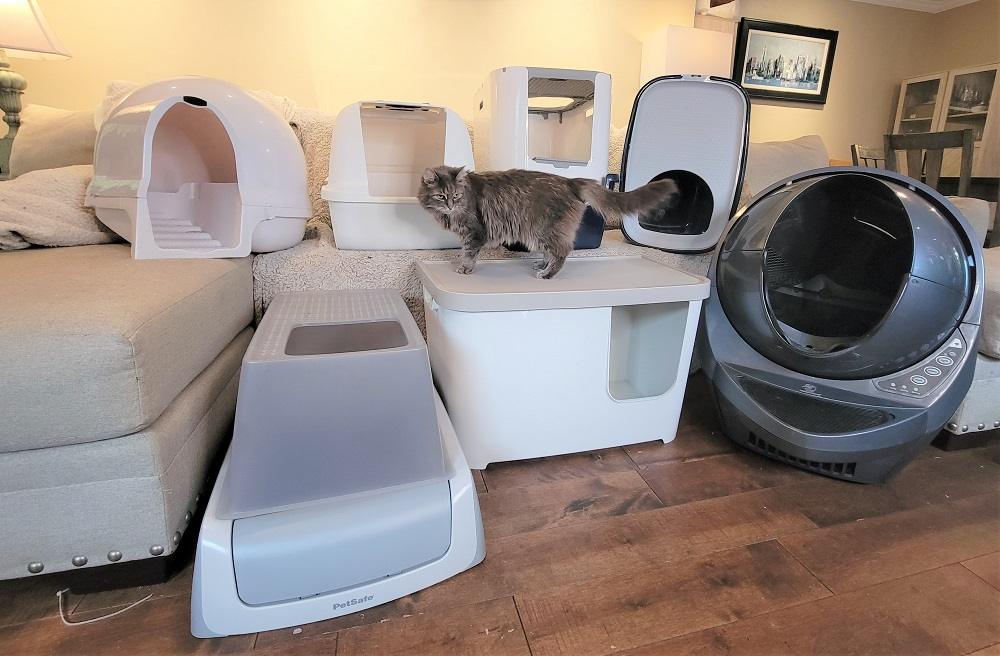
Types Of Dog-proof Litter Boxes
Choosing the right dog-proof litter box helps keep dogs away from the cat’s area. Different types suit different homes and pets. Each design offers a special way to protect the litter box.
Covered Litter Boxes
Covered litter boxes have a lid or hood. This keeps the litter hidden and blocks dogs from entering. Cats like the privacy, and dogs find it hard to reach inside. The cover also helps reduce litter mess around the box.
Top-entry Litter Boxes
Top-entry boxes have an opening on the top, not the side. Cats jump in from above, but dogs cannot easily reach the entrance. This design stops dogs from digging or eating the litter. It also limits litter scatter outside the box.
Automatic Cleaning Boxes
Automatic cleaning litter boxes clean themselves after cats use them. The rake or scoop moves the waste into a sealed container. Dogs can’t access the litter because it’s cleaned quickly. This type keeps the box fresh and less tempting for dogs.

Credit: centromedicoloira.com
Training Techniques To Deter Dogs
Training your dog to stay away from the cat litter box takes patience and clear steps. Teaching your dog what is off-limits helps keep your home clean and safe. Use gentle methods that your dog can understand easily. Consistency matters most in training. Here are some simple techniques to try.
Positive Reinforcement
Reward your dog for good behavior near the litter box. Use treats or praise to encourage staying away. Catch your dog before it approaches the box. Give a treat when your dog moves away. Repeat often to build a strong habit. This method helps dogs learn with kindness.
Command Training
Teach clear commands like “leave it” or “no.” Practice these commands in quiet places first. Use a calm voice and short words. Reward your dog when it obeys commands. Use commands near the litter box to stop unwanted behavior. Consistent practice helps your dog listen well.
Using Deterrent Sprays
Spray safe deterrents near the litter box edges. Dogs dislike certain smells but cats do not. Use sprays made for pets to avoid harm. Reapply spray regularly to keep the scent strong. This creates an unpleasant area your dog avoids. Combine sprays with training for best results.
Providing Distractions And Alternatives
Keeping dogs out of the cat litter box needs more than just blocking access. Dogs often seek attention or curiosity drives them to the box. Providing distractions and alternatives can help redirect their focus. This approach keeps dogs busy and away from the litter box.
Creating A Dog Play Area
Set up a special play area for your dog. Use a small space with their favorite toys and bed. This gives the dog a place to relax and play. A dedicated area reduces their interest in the cat’s litter box. Make this spot inviting and fun to encourage your dog to stay there.
Offering Chew Toys And Treats
Give your dog chew toys to keep them busy. Chewing satisfies their natural urges and calms them down. Use treats as rewards when they play with toys instead of the litter box. This positive reinforcement helps dogs learn what is allowed. Regularly rotate toys and treats to keep your dog interested.
Maintaining Cleanliness And Hygiene
Keeping the cat litter box clean helps stop dogs from getting inside. Dogs avoid dirty spaces. A fresh litter box smells better and is less interesting to them.
Good hygiene also protects your cat’s health. Bacteria and germs grow fast in dirty litter. Clean litter boxes keep both pets safe and happy.
Frequent Litter Changes
Change the litter at least once a day. Remove waste and clumps to keep the box fresh. Fresh litter reduces smells that attract dogs.
Use a scoop with small holes for quick cleaning. This makes it easy to keep the litter tidy. Regular changes make the box less tempting for dogs to explore.
Sanitizing The Area
Clean the litter box with mild soap and water every week. Avoid strong chemicals that can harm cats. Wipe the surrounding area to remove odors and dirt.
Place a mat under the box to catch stray litter. Wash the mat often to keep the space clean. A clean area discourages dogs from coming near the litter box.
Frequently Asked Questions
How Can I Stop My Dog From Eating Cat Litter?
Use a covered litter box or place it in a dog-proof area. Training your dog with commands and distractions also helps reduce litter box access.
What Are Safe Deterrents To Keep Dogs Away?
Use citrus scents, double-sided tape, or motion-activated alarms near the litter box. These discourage dogs without harming them or the cats.
Why Do Dogs Eat Cat Litter?
Dogs are often curious or attracted to the litter’s smell. Some might eat litter due to nutritional deficiencies or boredom. Identifying the cause helps in prevention.
Is A High Litter Box Effective Against Dogs?
Yes, using a tall or top-entry litter box limits dog access while keeping cats comfortable. This design reduces unwanted dog interference efficiently.
Conclusion
Keeping dogs away from the cat litter box is important for hygiene. Use barriers or covered boxes to block access. Train your dog gently to avoid the area. Regular cleaning helps keep both pets healthy. Small changes can make a big difference at home.
Stay patient and consistent with your methods. Your pets will be happier and safer this way. Try different ideas until you find what works best. Safe spaces mean less stress for cats and dogs.