How to Get Cat to Use New Litter Box: Easy Tips That Work

Getting your cat to use a new litter box can feel frustrating, especially when your furry friend seems confused or hesitant. You want to keep your home clean and your cat happy, but changing litter boxes doesn’t always go smoothly.
What if there was a simple way to make the switch easier for your cat? You’ll discover practical tips that help your cat feel comfortable and confident with their new litter box. Keep reading to find out how you can make this transition stress-free for both you and your pet.
Choosing The Right Litter Box
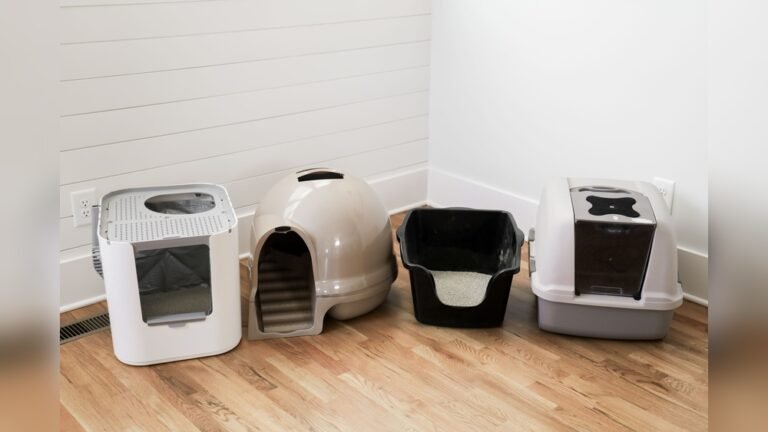
Choosing the right litter box is key to helping your cat accept a new bathroom spot. Cats have preferences that can affect their comfort and willingness to use the box. Picking a litter box that fits your cat’s needs makes the transition smoother. Below are important factors to consider for the best choice.
Size And Shape Considerations
The litter box should be large enough for your cat to turn and dig comfortably. Small boxes can cause stress and accidents. Consider your cat’s size and age. Older cats may prefer lower sides for easy access. Shapes vary from rectangular to oval. Some cats like a deep box, others prefer shallow. Watch your cat’s habits to find the right fit.
Covered Vs. Open Boxes
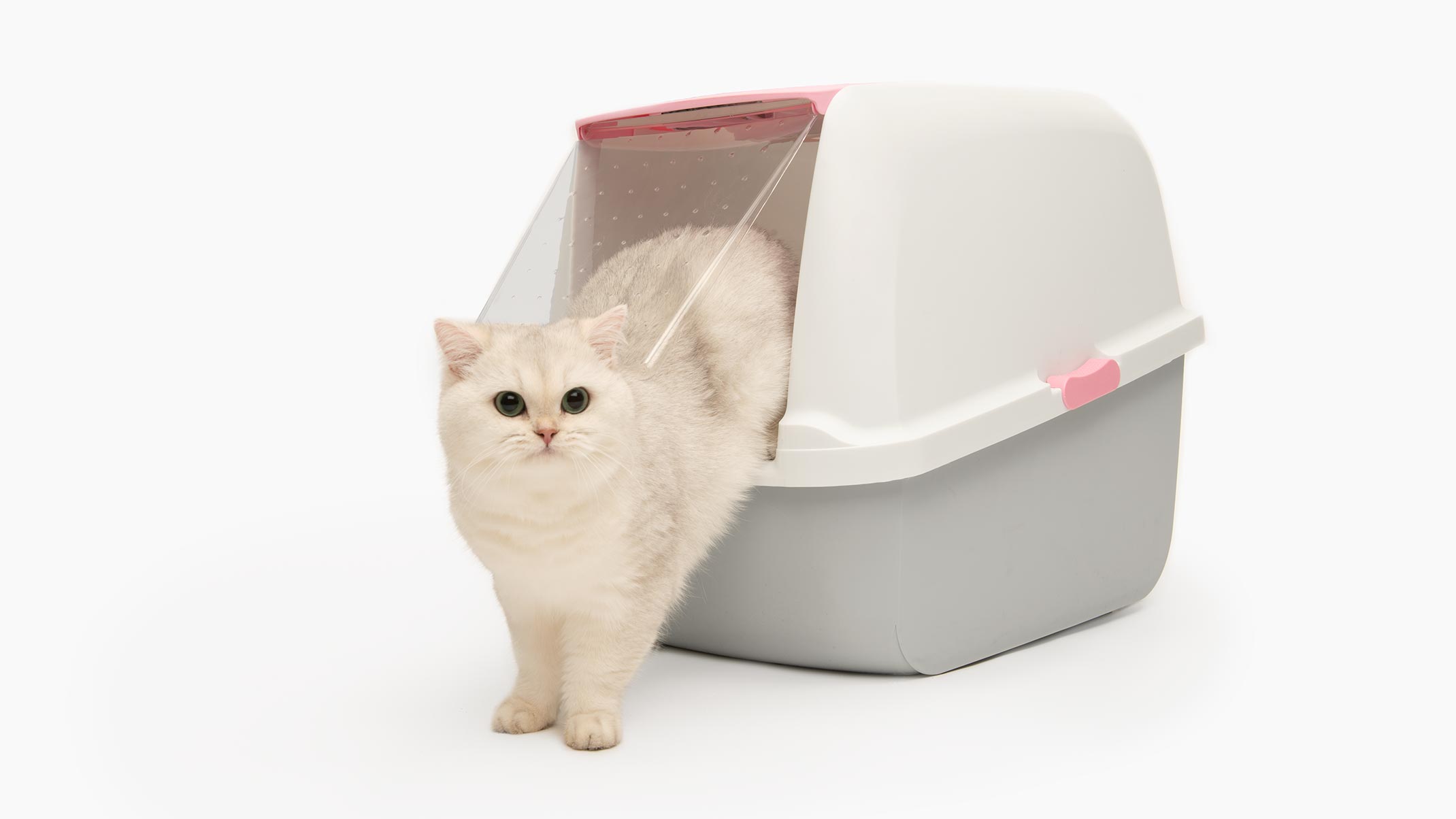
Open boxes give cats full visibility and fresh air. Some cats feel safer in open spaces. Covered boxes offer privacy and help contain odors. They reduce litter scatter around the house. Some cats dislike covered boxes because they feel trapped. Test both types to see which your cat prefers. The goal is comfort, not just aesthetics.
Material And Design
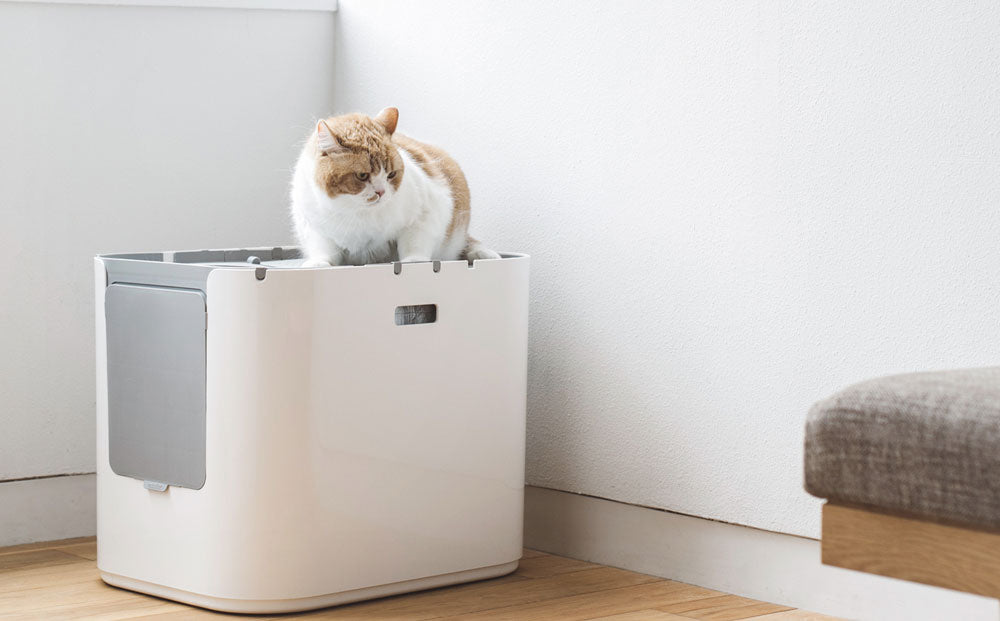
Choose litter boxes made of sturdy plastic. They are easy to clean and durable. Smooth surfaces prevent litter from sticking. Avoid boxes with sharp edges or cracks. Designs with high sides help contain litter scatter. Some boxes come with non-slip bottoms to keep them stable. A well-designed box makes cleaning easier for you and more pleasant for your cat.
Picking The Best Litter
Choosing the right litter is key to getting your cat to use a new litter box. Cats have different likes and dislikes about litter. Picking the best type helps your cat feel comfortable and safe. This makes the transition smooth and stress-free for both of you.
Texture And Scent Preferences
Cats prefer certain textures under their paws. Some like fine, soft litter. Others prefer coarser grains. Watch your cat’s reaction to different types. Scent is also important. Many cats avoid strong smells. Unscented litter often works best. It feels natural and does not irritate their nose.
Clumping Vs. Non-clumping
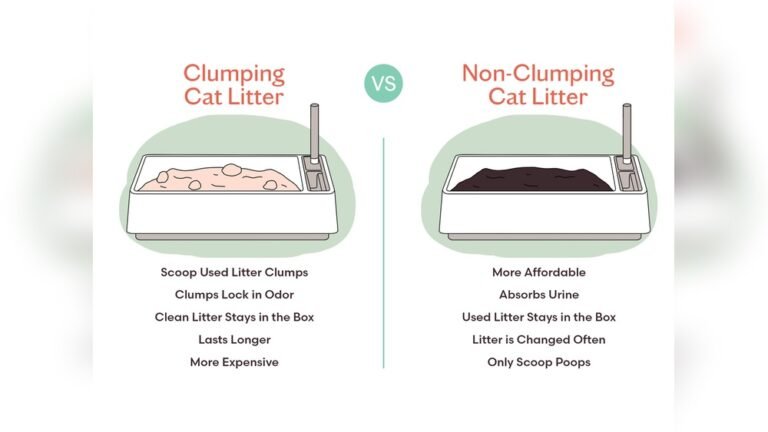
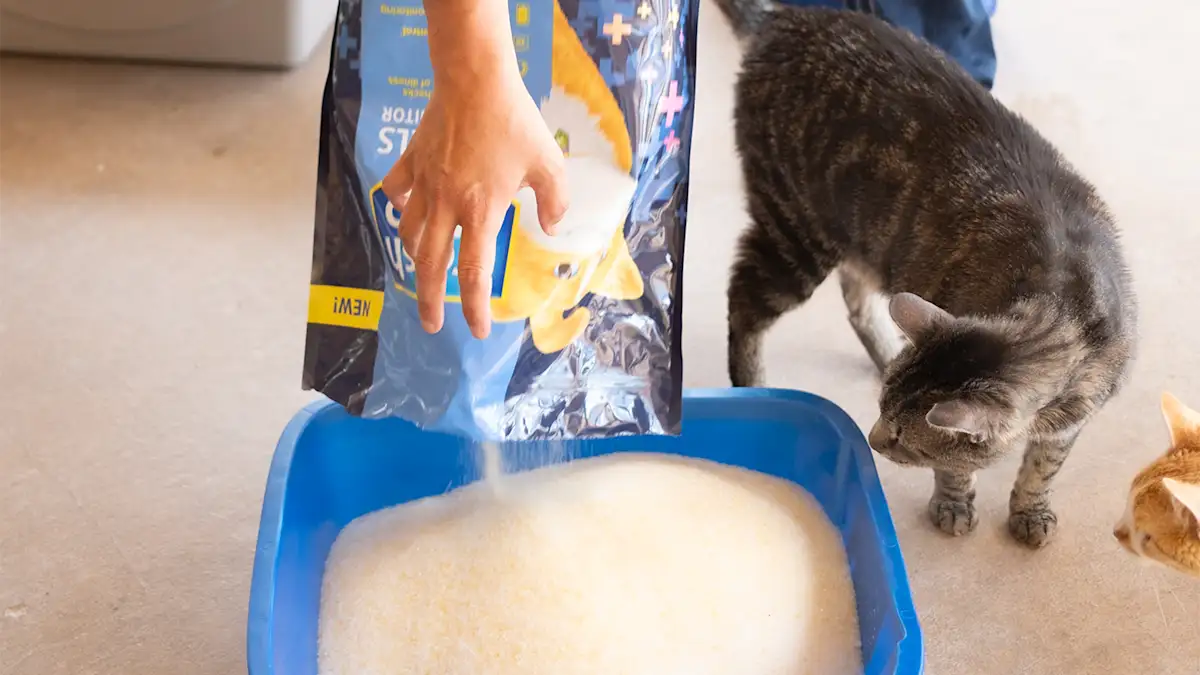
Clumping litter forms solid clumps when wet. This makes cleaning easier and keeps the box fresh. Non-clumping litter absorbs moisture but does not form clumps. It may need more frequent changing. Some cats have strong preferences. Try both types to see which your cat prefers.
Eco-friendly Options
Eco-friendly litter uses natural materials like corn, wheat, or recycled paper. These litters break down faster in landfills. They often have less dust and no harmful chemicals. Many cats accept these litters well. Choose eco-friendly options to protect your home and the planet.
Proper Placement Of Litter Box
Choosing the right place for a new litter box is very important. Cats like quiet and safe spots to do their business. The wrong location can make your cat avoid the box. Proper placement helps your cat feel comfortable and use the new litter box quickly.
Quiet And Accessible Spots
Cats need calm places for their litter box. Loud noises can scare them away. Pick a spot with low noise and few distractions. The box should be easy to reach at all times. Avoid rooms that close often or have loud machines. This helps your cat feel safe and relaxed.
Avoiding High-traffic Areas
Busy spots with many people or pets cause stress. Cats may avoid litter boxes in these places. Do not place the box near doors, hallways, or kitchens. These areas have constant movement and noise. Choose a quiet corner or a room with little foot traffic. This gives your cat privacy and peace.
Credit: www.catit.com
Introducing The New Box
Introducing a new litter box to your cat needs care and patience. Cats prefer familiar places and routines. A sudden change can confuse or stress them. Helping your cat adjust slowly makes the switch easier. The new box should feel safe and clean. You want your cat to accept it without fear or hesitation.
Start by placing the new box near the old one. This helps your cat notice it without feeling forced. Keep both boxes accessible so your cat has options. Watch your cat’s behavior for signs of stress or comfort. Gradual introduction helps build trust with the new box.
Gradual Transition Steps
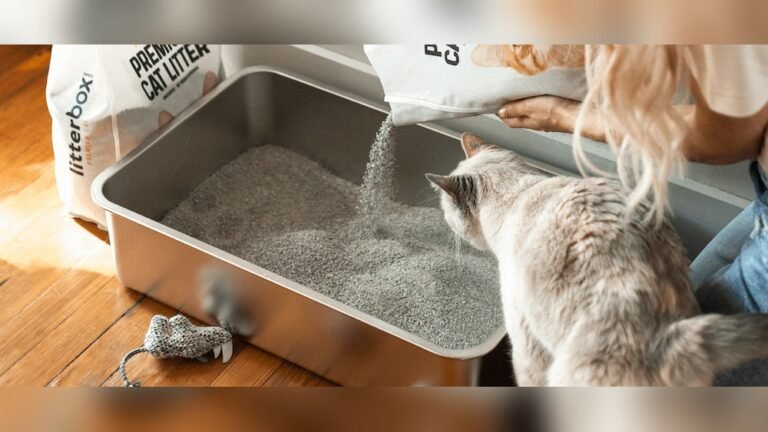
Begin by placing the new litter box beside the old one. Let your cat explore both boxes freely. Use the same type of litter in the new box first. This helps your cat recognize a familiar smell. After a few days, slowly reduce litter in the old box. Increase litter in the new box at the same time. Move the old box farther away each day. Eventually, remove the old box completely. This slow change eases the transition for your cat.
Encouraging Exploration
Encourage your cat to check the new box often. Gently place your cat inside the new box. Do this after meals or naps, when they usually go. Praise your cat quietly when they use the new box. Avoid punishment if accidents happen outside the box. Use treats or toys near the new box to attract your cat. Keep the new box clean to invite use. A clean box feels more comfortable and safe for cats.
Cleaning And Maintenance Tips
Keeping your cat’s new litter box clean is very important. A clean box encourages your cat to use it. It also helps keep your home fresh and free of bad smells. Simple cleaning and maintenance habits make a big difference.
Here are some easy tips to keep the litter box in good shape. Follow these steps to help your cat feel comfortable with the new box.
Frequency Of Cleaning
Clean the litter box every day. Scoop out clumps and waste daily. This keeps the box neat and inviting. Change the litter completely once a week. Clean the box with warm water during the change. Avoid letting waste build up. Cats dislike dirty litter boxes.
Using Safe Cleaning Products
Use gentle cleaning products only. Avoid strong chemicals and bleach. These can harm your cat’s paws and nose. Mild soap and water work well. Rinse the box well to remove soap. Strong smells can scare cats away. Use natural cleaners like vinegar if needed.
Handling Common Issues
Getting your cat to use a new litter box can be tricky. Some cats resist change and act out. Handling common issues calmly helps your cat adjust faster. Understanding their behavior is key to solving problems.
Litter Box Aversion
Some cats avoid the new litter box. They may dislike the smell or texture. Place the new box near the old one. Use the same litter type at first. Clean the box often to keep it fresh. Avoid strong cleaners that can scare your cat. Give your cat time to explore the box. Praise them when they use it. Patience reduces fear and builds trust.
Accidents Outside The Box
Accidents happen when cats feel stressed or confused. Clean any mess with an enzyme cleaner. This removes smells that attract cats back to the spot. Watch for patterns in accidents. The box may be dirty or in a noisy place. Move the box to a quiet, easy-to-reach spot. Increase the number of litter boxes if you have many cats. Reward your cat for using the box correctly. This helps create good habits.
Positive Reinforcement Techniques
Positive reinforcement is a gentle way to help your cat accept a new litter box. It focuses on rewarding good behavior instead of punishing mistakes. This method builds trust and makes your cat feel safe. Cats respond well to kindness and consistency. Using positive reinforcement can speed up the adjustment process and reduce stress for your pet.
Rewards And Praise
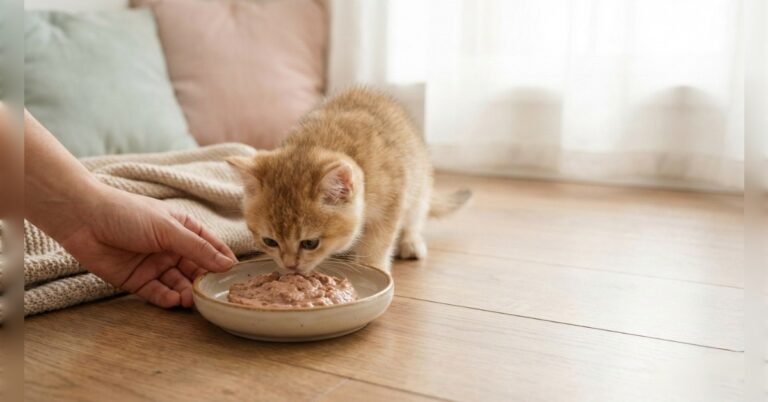
Offer treats or small snacks when your cat uses the new litter box. Choose treats your cat likes and save them only for this purpose. Use a calm and happy voice to praise your cat. Say simple words like “good job” or “well done.” This shows your cat that using the litter box is a good thing. Keep rewards immediate so your cat connects the behavior with the treat.
Creating A Routine
Place your cat in the new litter box at regular times. Try after meals and naps, when cats usually need the bathroom. Stay nearby and gently encourage your cat. Consistent timing helps your cat learn faster. Avoid moving the box too often. A stable routine makes your cat feel safe and confident.
Credit: modkat.com
When To Seek Professional Help
Sometimes, getting a cat to use a new litter box can be tricky. Most cats adjust quickly, but some may show signs of stress or refuse the new box. These behaviors may need professional attention to avoid bigger problems.
Knowing when to seek help can save your cat’s comfort and your peace of mind. Professionals can offer solutions tailored to your cat’s needs.
Behavioral Consultations
Behavioral experts understand cat habits and fears. They can identify why your cat avoids the new litter box. Sometimes, cats refuse due to stress or past experiences. A consultation can provide training tips and strategies.
These experts teach you how to encourage positive litter box use. They also help manage anxiety or territorial behavior. Early help can prevent litter box issues from becoming serious.
Veterinary Concerns
Health problems often cause litter box avoidance. Urinary tract infections or bladder pain can make cats avoid the box. A vet check can rule out or treat these conditions.
Some cats may hide pain or discomfort. Only a vet can diagnose and treat these issues. Regular vet visits help keep your cat healthy and happy.
Credit: www.freshstep.com
Frequently Asked Questions
How Do I Introduce A New Litter Box To My Cat?
Place the new litter box near the old one. Let your cat explore it without pressure. Gradually encourage use by transferring some old litter into the new box to maintain familiar scents.
How Long Does It Take For Cats To Accept New Litter Boxes?
Most cats adapt within a few days to two weeks. Patience is key; avoid forcing them. Consistency in location and litter type speeds up acceptance.
What Type Of Litter Should I Use In A New Box?
Use the same litter your cat prefers initially. Sudden changes can cause refusal. Slowly transition to new litter types if desired, mixing old and new gradually.
How Can I Prevent My Cat From Avoiding The New Litter Box?
Keep the box clean and in a quiet, accessible spot. Avoid strong smells or cleaning products. Reward your cat with treats or praise after use.
Conclusion
Getting your cat to use a new litter box takes time and patience. Keep the box clean and in a quiet spot. Let your cat explore the box at its own pace. Praise and gentle encouragement help build good habits.
Watch for any signs of stress or discomfort. Most cats adjust well with steady care and attention. Soon, your cat will feel comfortable using the new litter box every day. Small steps make a big difference in your cat’s routine.