How Big Should a Cat Litter Box Be: Expert Size Guide for Comfort

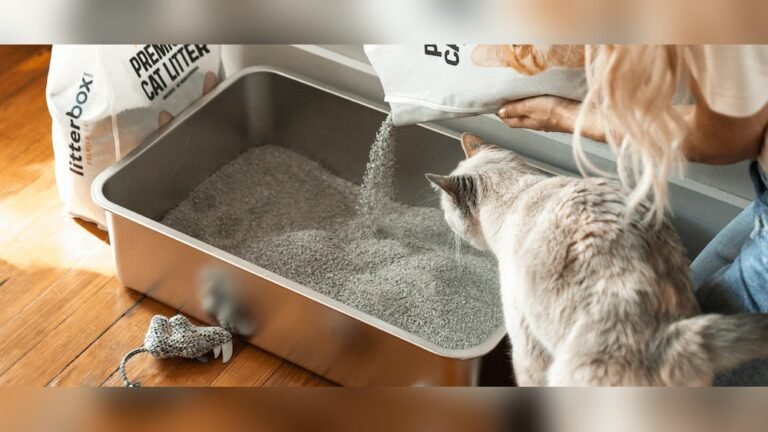
Choosing the right size for your cat’s litter box might seem simple, but it can make a huge difference in your cat’s comfort and your home’s cleanliness. If the box is too small, your cat may avoid using it or make a mess outside.
Too big, and it could take up unnecessary space. You want to get it just right. You’ll discover exactly how big a cat litter box should be to keep your furry friend happy and your home fresh. Keep reading to find the perfect fit for your cat’s needs.
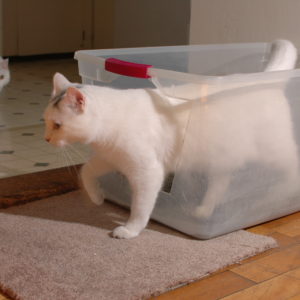
Credit: catfriendly.com
Choosing The Right Size
Choosing the right size for a cat litter box is important for your pet’s comfort and hygiene. A box that is too small can cause discomfort and messes. Too large might waste space and litter. Finding the perfect size helps your cat feel safe and clean.
Measuring Your Cat
Start by measuring your cat from nose to tail. Add a few inches for extra room. The box should be at least 1.5 times your cat’s length. Also, consider your cat’s height when standing. This ensures your cat can move and turn easily inside the box.
Considering Cat Behavior
Some cats like privacy, others prefer open spaces. Observe how your cat uses the box. Does your cat dig or scratch a lot? Bigger boxes allow more digging and comfort. Older or less active cats might prefer a smaller, easier-to-access box.
Types Of Litter Boxes
There are many styles: covered, uncovered, top-entry, and self-cleaning. Covered boxes may feel cramped for big cats. Top-entry boxes suit cats who like privacy but can jump high. Choose a type that fits your cat’s size and habits for best results.

Credit: www.youtube.com
Comfort Factors
Comfort factors play a big role in choosing the right size for a cat litter box. Cats need enough room to feel safe and relaxed. A comfortable box encourages good litter habits and keeps your cat happy.
Space For Turning Around
Cats need enough space to turn around easily inside the box. A cramped box can make them feel trapped or stressed. Choose a litter box at least 1.5 times the length of your cat. This allows smooth movement and helps prevent accidents outside the box.
Depth Of Litter
Depth of litter matters for comfort and cleanliness. Most cats prefer 2 to 3 inches of litter. Too little litter can make digging hard. Too much can cause litter to scatter outside. The right depth lets cats cover their waste comfortably.
Accessibility For Older Cats
Older cats may have trouble with high sides or small boxes. Low-entry boxes help them enter and exit easily. Consider boxes with lower walls or ramps for senior cats. This reduces strain and encourages them to use the box regularly.
Standard Size Recommendations
Choosing the right size for a cat litter box matters. Cats need enough space to move comfortably. A box that is too small can cause discomfort and accidents. A box that fits your cat’s size helps keep them happy and clean.
Below are the standard size recommendations based on your cat’s size. These sizes help you pick the best box for your furry friend.
Small Cats
Small cats need litter boxes about 16 inches long and 12 inches wide. This size gives enough room to turn and dig. Boxes smaller than this can feel cramped. Choose low-sided boxes for easy entry and exit.
Medium Cats
Medium cats require boxes around 18 to 20 inches long and 14 inches wide. This size supports their larger bodies and active digging habits. Medium boxes often have medium-height sides to prevent spills.
Large Cats
Large cats need a litter box at least 22 inches long and 16 inches wide. They need plenty of space to move without feeling restricted. High sides help contain litter and waste. Look for sturdy boxes to hold their weight.
Special Considerations
Choosing the right size for a cat litter box needs special thought for different situations. Some cats have unique needs that affect the box size. These special cases include homes with many cats, young kittens, and cats with health or movement problems.
Multiple Cats
More cats need more litter space. A bigger box or several boxes help avoid fights. Each cat needs room to move and dig. Crowded boxes can cause accidents outside the box. Place boxes in quiet, separate spots for peace.
Kittens
Kittens need smaller, shallow boxes. They can easily climb in and out. A big box might scare or confuse them. Use low sides so kittens don’t struggle. Change litter often to keep it clean and fresh.
Cats With Mobility Issues
Cats with joint pain or arthritis need easy access. Boxes with low sides or ramps work best. Bigger boxes give more space to turn around. Soft litter helps protect sensitive paws. Keep the box close to their resting place.
Litter Box Shapes And Their Impact
Choosing the right litter box shape affects your cat’s comfort and cleanliness. Cats have different preferences for shapes, which can impact their use. The shape also influences how much space the box takes and how easy it is to clean. Understanding these shapes helps you pick the best box for your cat.
Rectangular Boxes
Rectangular boxes offer plenty of space for cats to move around. They fit well in corners or against walls, saving room in small areas. Most cats prefer these because they give enough space to turn and dig. These boxes often hold more litter, reducing how often you refill them.
Covered Vs. Open Boxes
Covered boxes provide privacy and help control odor. Cats that like quiet, private spots prefer covered boxes. But some cats feel trapped and avoid them. Open boxes give easy access and reduce accidents outside. They also dry faster and are simpler to clean. Choose based on your cat’s behavior and needs.
Automatic Litter Boxes
Automatic boxes clean themselves after each use. They save time and keep the area fresh. Some cats need time to adjust to the noise and movement. These boxes often have unique shapes to fit the mechanism inside. They usually require power and more space. Ideal for busy owners and multiple cats.
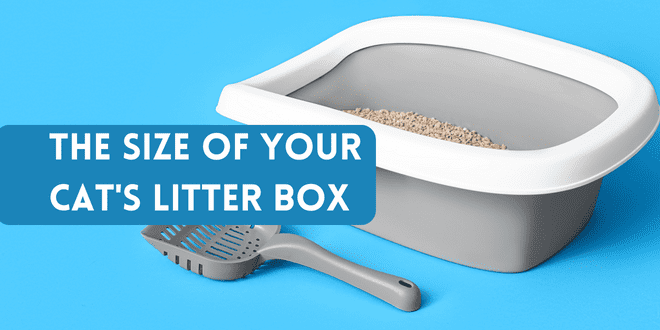
Credit: catbehaviorassociates.com
Placement Tips For Optimal Use
Choosing the right place for your cat’s litter box is as important as choosing the size. Proper placement helps your cat feel safe and comfortable. It also keeps your home clean and fresh. Here are some tips to place the litter box for the best use.
Quiet And Private Locations
Cats prefer quiet spots where they feel safe. A calm corner or a small room works well. Avoid noisy areas like near washing machines or televisions. Privacy helps cats relax and use the box without stress.
Avoiding High Traffic Areas
Busy places make cats nervous. Keep the litter box away from hallways, doorways, or where many people walk. A calm place reduces distractions and stops your cat from avoiding the box. It makes the experience peaceful.
Easy Cleaning Access
Choose a spot easy for you to reach. Cleaning often is important for hygiene and odor control. Avoid tight spaces or places with many obstacles. A simple, open location helps keep the litter box fresh and your cat happy.
Signs Your Cat Needs A Bigger Box
Noticing your cat’s discomfort around the litter box can signal the need for a bigger size. Cats often show clear signs when their box feels too small. Watching these signals helps keep your cat happy and clean.
Litter Outside The Box
Finding litter scattered outside the box is a common sign. A small box can cause your cat to dig harder. This pushes litter beyond the edges. A bigger box gives more space to dig and cover waste.
Avoidance Behaviors
Your cat may avoid the box if it feels cramped. Holding back or waiting too long to use it shows discomfort. Sometimes, cats choose other spots to relieve themselves. These avoidance signs often mean the box is too small.
Frequent Accidents
Accidents outside the box happen more with a small litter area. Your cat might not fit well or turn comfortably inside. This leads to missed spots or messes nearby. Increasing the box size can reduce these accidents significantly.
Frequently Asked Questions
How Big Should A Cat Litter Box Be?
A cat litter box should be 1. 5 times the length of your cat. This size allows enough space for turning and digging comfortably, ensuring your cat feels secure and uses the box consistently.
Does Cat Size Affect Litter Box Dimensions?
Yes, larger cats need bigger litter boxes. A bigger box prevents mess and discomfort. Always choose a box that fits your cat’s size to promote good bathroom habits.
What Are Ideal Litter Box Dimensions For Kittens?
For kittens, a smaller box is best. Choose a shallow box around 10-12 inches long. It should be easy for them to enter and exit without difficulty.
Should I Use A Covered Or Uncovered Litter Box?
Both types work, but uncovered boxes are better for ventilation. Covered boxes can trap odors but may feel confined. Consider your cat’s preference and litter box size.
Conclusion
Choosing the right size for a cat litter box matters a lot. Cats need enough space to move and dig comfortably. Too small a box can cause stress and accidents. A bigger box helps keep your cat happy and your home clean.
Always consider your cat’s size and habits. Finding the right box size is a simple step for a healthy pet. Keep your cat’s comfort in mind every time you shop. A well-sized litter box makes life easier for both of you.