How to Get Your Cat to Eat Dry Food: Proven Tips That Work

Getting your cat to eat dry food can sometimes feel like a puzzle. You want to make sure your furry friend stays healthy, but they just won’t take to that crunchy kibble.
If you’re struggling with a picky eater, you’re not alone—and there are simple, effective ways to encourage your cat to enjoy dry food. Keep reading, because with a few easy tips, you’ll have your cat happily munching away in no time.
Credit: healingpawscarlisle.com
Choosing The Right Dry Food
Choosing the right dry food is key to getting your cat to eat well. Cats have different tastes and needs. The right food supports their health and keeps them happy. Consider these important factors to pick the best option for your furry friend.
Nutritional Needs
Cats need protein for energy and muscle health. Look for dry food with high protein content. Essential vitamins and minerals help keep your cat’s body strong. Check the label for taurine, an important nutrient for cats. Avoid foods with too many fillers like corn or wheat. Balanced nutrition supports your cat’s growth and overall wellbeing.
Flavor And Texture
Cats can be picky eaters. Taste matters a lot. Choose flavors your cat likes, such as chicken, fish, or beef. Texture also plays a role. Some cats prefer crunchy kibble, while others like softer pieces. Try different options to find what your cat enjoys. A happy cat is more likely to eat regularly.
Brand Reputation
Choose brands known for quality and safety. Trusted brands test their products carefully. They use good ingredients without harmful additives. Reading reviews and asking your vet can help. A reliable brand reduces risks of health problems. Quality dry food protects your cat’s health long term.
Credit: www.petmd.com
Gradual Transition Techniques
Changing your cat’s diet can take time and patience. Gradual transition techniques help your cat accept dry food without stress. This method reduces the chance of digestive problems or refusal to eat.
Start slow and observe your cat’s reaction. Each step should be gentle and steady. This way, your cat can adjust to new tastes and textures comfortably.
Mixing Wet And Dry Food
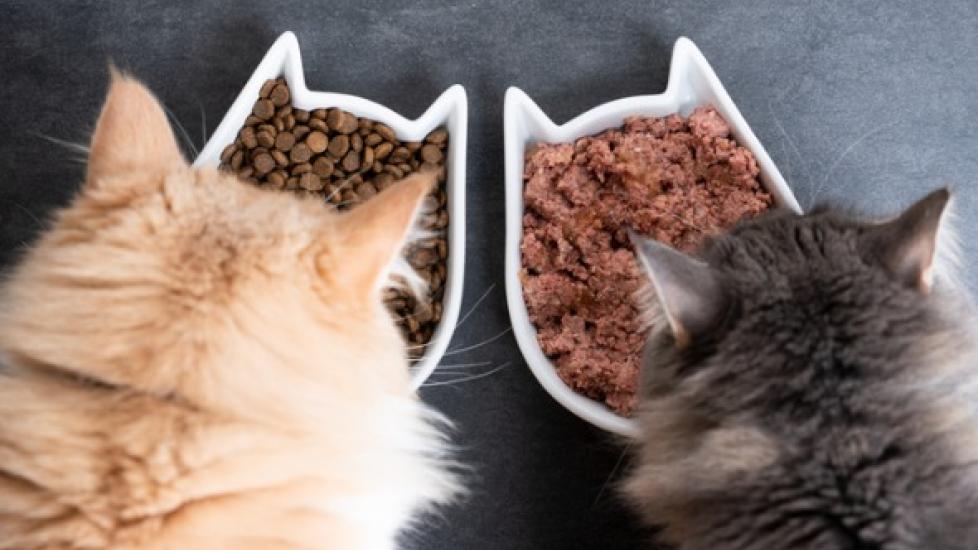
Begin by mixing a small amount of dry food into your cat’s wet food. Use more wet food than dry at first. This mix makes the dry food taste familiar and easier to accept.
Stir the food well so your cat gets a consistent flavor. Offer this mixture for several days. Watch if your cat is eating and enjoying the meal.
Increasing Dry Food Ratio
Slowly increase the amount of dry food in the mix. Decrease the wet food at the same time. Do this step by step over one or two weeks.
Make small changes to avoid upsetting your cat’s stomach. Keep the food fresh and clean. This helps your cat stay interested in eating.
Monitoring Eating Habits
Observe how much and how often your cat eats the new food. Note any signs of refusal or digestive issues. This helps you adjust the transition speed if needed.
Keep track of your cat’s weight and energy levels. Healthy cats usually adapt well to slow changes. If problems continue, consult your vet for advice.
Enhancing Food Appeal
Getting your cat to enjoy dry food can be challenging. Cats often prefer wet or fresh food. Enhancing the food’s appeal makes dry food more tempting. Small changes can make a big difference.
Try warming the food slightly to bring out its aroma. Adding tasty toppers can excite your cat’s taste buds. Changing the bowl type and location can also help your cat feel more comfortable while eating.
Warming The Food
Warm dry food lightly before serving. Heat releases the food’s natural smell. This draws your cat’s attention. Use a microwave for 5-10 seconds. Avoid overheating to keep food safe. Warm food feels fresh and inviting.
Adding Tasty Toppers
Sprinkle a little tuna juice or chicken broth on dry food. These toppings add flavor and moisture. Use small amounts to keep food dry enough. Offer crushed freeze-dried treats on top. This encourages your cat to try new flavors.
Changing Bowl Type And Location
Use shallow, wide bowls to reduce whisker stress. Cats dislike tight spaces around their whiskers. Try ceramic or glass bowls instead of plastic. Place the bowl in a quiet, low-traffic area. A calm spot makes your cat feel safe while eating.
Creating A Comfortable Feeding Environment
Creating a comfortable feeding environment helps your cat enjoy dry food more. Cats are sensitive to their surroundings. A calm, familiar place can make a big difference. This section explains how to set up a good feeding spot for your cat.
Quiet Feeding Area
Choose a quiet spot away from loud noises and busy rooms. Cats feel safe in peaceful places. Avoid areas near washing machines or loud TVs. A calm area helps your cat relax while eating. This reduces stress and improves appetite.
Consistent Feeding Schedule
Feed your cat at the same times each day. Cats like routine and predictability. A regular schedule helps your cat know when to expect food. This builds trust and comfort. Avoid changing meal times often to prevent confusion.
Avoiding Distractions
Remove toys, other pets, and noisy objects near the feeding area. Too many distractions can stop your cat from eating. Keep the feeding space simple and quiet. This helps your cat focus on the food. A distraction-free zone encourages better eating habits.
Addressing Health And Behavioral Issues
Sometimes cats refuse dry food because of health or behavior issues. Understanding these problems helps improve their eating habits. Cats feel discomfort or stress that stops them from eating dry food. Checking their health and environment is important to find the cause.
Dental Checkups
Pain in the mouth makes cats avoid hard food. Dry food is tough to chew with sore teeth or gums. Regular dental checkups spot problems early. Cleaning and treatment can ease pain. Healthy teeth help cats enjoy dry food again.
Stress And Anxiety Factors
Stress changes a cat’s appetite. Loud noise, new pets, or moving home can upset them. An anxious cat may refuse dry food. Creating a calm feeding space helps. Keep their routine steady. This reduces stress and encourages eating dry food.
Consulting A Veterinarian
Veterinarians find hidden health problems. Some illnesses cause loss of appetite. A vet can check for infections or allergies. They suggest the best diet for your cat’s needs. Early treatment improves your cat’s willingness to eat dry food.
Encouraging Positive Eating Behavior
Encouraging positive eating behavior helps your cat enjoy dry food more. Cats respond well to gentle guidance and rewards. Creating good habits takes time and patience. Using simple techniques can make meals fun and appealing.
Using Treats And Rewards
Give your cat small treats when it tries dry food. This shows dry food is good. Use soft treats or bits of dry food as rewards. Praise your cat with a calm voice. Positive feelings link to eating dry food.
Interactive Feeding Toys
Feeding toys turn mealtime into playtime. These toys make your cat work for food. This keeps your cat interested and active. Interactive toys slow eating and reduce boredom. Your cat learns to enjoy dry food this way.
Patience And Persistence
Change takes time. Keep offering dry food regularly without pressure. Avoid forcing or rushing your cat to eat. Stay calm and consistent with feeding times. Over time, your cat will accept dry food better.

Credit: untamed.com
Frequently Asked Questions
How Can I Transition My Cat To Dry Food Smoothly?
Start by mixing dry food with wet food gradually. Increase dry food ratio over 7-10 days. This helps your cat adjust to the new texture and taste without stress.
What Are The Best Dry Foods For Picky Cats?
Choose high-quality dry foods with natural ingredients. Look for options rich in protein and low in fillers. Brands with added vitamins and minerals support your cat’s health.
How Often Should I Feed My Cat Dry Food Daily?
Feed your cat dry food 2-3 times daily. Divide the daily recommended amount into smaller meals. This maintains energy levels and reduces overeating or food waste.
Can Adding Water Make Dry Food More Appealing?
Yes, adding a little warm water softens the kibble. It releases aroma and makes food easier to chew. This encourages cats to eat dry food more willingly.
Conclusion
Getting your cat to eat dry food takes time and patience. Try different flavors and textures to find what your cat likes best. Offer small amounts regularly and mix with wet food if needed. Keep mealtime calm and quiet to help your cat feel safe.
Watch your cat’s reaction and adjust as you go. Remember, every cat is different. Stay consistent and gentle, and your cat will adapt in time. Dry food can support your cat’s health and dental care. Small steps lead to big changes.