How to Get Your Cat to Eat Wet Food: Easy Tips That Work!

Getting your cat to eat wet food can sometimes feel like a real challenge. You want the best for your furry friend, but they might turn their nose up at anything new.
If you’ve been struggling to make the switch or simply want to add more moisture and nutrients to your cat’s diet, you’re not alone. The good news is, with a few simple tricks and a bit of patience, you can help your cat enjoy wet food—and improve their health at the same time.
Keep reading, because the tips ahead could change mealtime for both you and your cat.
Benefits Of Wet Food
Wet food offers many benefits for cats. It supports their health and well-being in simple ways. Cats often prefer wet food due to its texture and taste. Feeding wet food can improve your cat’s diet and hydration. Understanding these benefits helps in making better food choices for your pet.
Nutritional Advantages
Wet food contains more protein and fewer carbohydrates than dry food. It often has higher-quality ingredients that support your cat’s muscles. The vitamins and minerals in wet food stay fresh longer. This type of food matches a cat’s natural diet better. It helps cats maintain a healthy weight and energy level.
Hydration Support
Wet food has a high moisture content, usually around 70-80%. This helps keep cats hydrated throughout the day. Many cats do not drink enough water on their own. Wet food helps prevent urinary tract problems and kidney disease. Proper hydration supports your cat’s overall health and activity.
Palatability For Cats
Wet food smells stronger and tastes richer than dry food. Cats find it more appealing because of its soft texture. This makes it easier for picky eaters or older cats to enjoy meals. Wet food can encourage cats to eat more regularly. It adds variety and excitement to their diet.

Credit: saintnicholashospital.com.br
Common Reasons Cats Avoid Wet Food
Cats can be picky eaters. Many avoid wet food for specific reasons. Understanding these reasons helps you encourage your cat to eat better. Wet food offers hydration and nutrition, but not all cats like it at first. Here are common reasons cats avoid wet food.
Texture Preferences
Some cats dislike the texture of wet food. It can feel slimy or mushy in their mouth. Cats that prefer dry kibble may find wet food strange. Texture plays a big role in their eating habits. Offering different textures might help your cat adjust.
Smell Sensitivity
Cats have a strong sense of smell. Wet food often has a strong odor. This smell can be too intense or unpleasant for some cats. If the food smells unfamiliar, cats may refuse to eat it. Choosing milder-smelling wet food may improve acceptance.
Previous Negative Experiences
Bad past experiences affect a cat’s food choices. If your cat felt sick after eating wet food, it may avoid it. Sometimes, an upset stomach links to a specific brand or flavor. Trying new brands or flavors carefully can help rebuild trust.
Choosing The Right Wet Food
Choosing the right wet food is important for your cat’s health and happiness. Cats can be picky, so selecting food they like is key. Wet food has many benefits, like hydration and taste. The right choice helps your cat enjoy meals and stay healthy.
Flavor Varieties
Cats have different flavor preferences. Many wet foods come in chicken, fish, or beef flavors. Try small portions of different flavors. This helps find what your cat prefers. Variety can keep your cat interested in eating.
Quality Ingredients
Look for wet food with real meat as the first ingredient. Avoid foods with too many fillers or artificial additives. Quality ingredients provide better nutrition. Good food supports your cat’s energy and overall health.
Grain-free Options
Some cats have trouble digesting grains. Grain-free wet food can reduce stomach issues. It often contains more protein and fewer carbs. Choosing grain-free helps cats with sensitive tummies feel better.

Credit: www.scala-santa.com
Introducing Wet Food Gradually
Introducing wet food gradually helps your cat adjust to the new taste and texture. Cats can be picky eaters. Sudden changes may cause them to refuse the new food. Taking small steps makes the transition easier and less stressful for your pet. This section shows simple ways to introduce wet food gently.
Mixing With Dry Food
Start by mixing a small amount of wet food with your cat’s dry food. Use a ratio of mostly dry food and a little wet food. Slowly increase the wet food amount over several days. This helps your cat get used to the smell and taste. It also keeps familiar flavors in every meal.
Small Portion Sizes
Offer small portions of wet food at first. Large amounts may overwhelm your cat. Small servings encourage tasting without pressure. You can increase the portion size as your cat accepts the wet food more. Keep portions fresh and avoid leftovers to maintain appeal.
Consistent Feeding Schedule
Feed your cat wet food at the same times every day. A regular schedule creates a routine. Cats like predictability and will learn to expect new food. Avoid free feeding dry food all day. Controlled meal times help your cat adapt faster to wet food.
Enhancing Wet Food Appeal
Getting your cat to enjoy wet food can be tricky. Cats often prefer dry food because it smells and feels different. Enhancing wet food appeal makes it more attractive to your cat. Small changes can make a big difference. These tips can help your cat eat wet food happily.
Warming The Food
Warming wet food releases its aroma. Cats rely on smell to decide what to eat. Heat the food slightly in the microwave or warm water. Make sure it is not too hot. Warm food smells more like fresh prey. This can attract your cat to try it.
Adding Broth Or Tuna Juice
Adding broth or tuna juice can increase flavor. Use low-sodium chicken broth or water from canned tuna. Mix a small amount into the wet food. The liquid makes the food juicier and tastier. Cats love the extra scent and taste boost.
Using Food Toppers
Food toppers add texture and flavor to wet food. Sprinkle crunchy or soft toppers on top. Try small bits of cooked chicken or special cat treats. Toppers create interest and variety. They make mealtime more exciting for your cat.
Creating A Comfortable Feeding Environment
Creating a comfortable feeding environment helps your cat enjoy wet food more. Cats feel safe and relaxed in the right space. This encourages them to eat without stress. Small changes around the feeding area can make a big difference. Focus on quietness, cleanliness, and reducing competition for the best results.
Quiet And Calm Area
Choose a quiet spot away from noise and busy areas. Loud sounds can scare cats or make them anxious. A calm space helps your cat focus on eating. Avoid placing the bowl near the litter box or loud appliances. Keep the area peaceful during feeding times.
Clean Bowls And Fresh Food
Use clean bowls for every meal. Dirty dishes can turn cats away from their food. Wash bowls with mild soap and warm water daily. Serve fresh wet food at room temperature. Cold or old food may smell strange or taste bad to cats.
Avoiding Competition
Feed your cat in a place without other pets nearby. Cats can feel nervous if others try to eat their food. Separate feeding spots stop fights and stress. Give each pet their own space and bowl. This helps your cat eat peacefully and happily.
Monitoring And Adjusting Feeding Habits
Monitoring and adjusting your cat’s feeding habits helps ensure they enjoy wet food and stay healthy. Cats can be picky eaters. Observing their behavior reveals what they like or dislike. Small changes in feeding routines can improve their appetite and digestion.
Tracking Eating Patterns
Note the times your cat eats wet food each day. Watch how much they eat and how fast. Record any leftovers or refusals. Notice if your cat prefers certain flavors or textures. Tracking patterns shows trends and helps adjust feeding times.
Consulting A Veterinarian
Ask a vet for advice if your cat refuses wet food. A vet can check for health problems. They may suggest special diets or supplements. Professional guidance ensures your cat gets the right nutrients. This step is important for picky or sick cats.
Addressing Health Issues
Health issues can cause a loss of appetite. Look for signs like vomiting, diarrhea, or weight loss. Treating dental problems or infections may improve eating habits. Keep your cat comfortable and stress-free during meals. Health care supports a better feeding experience.
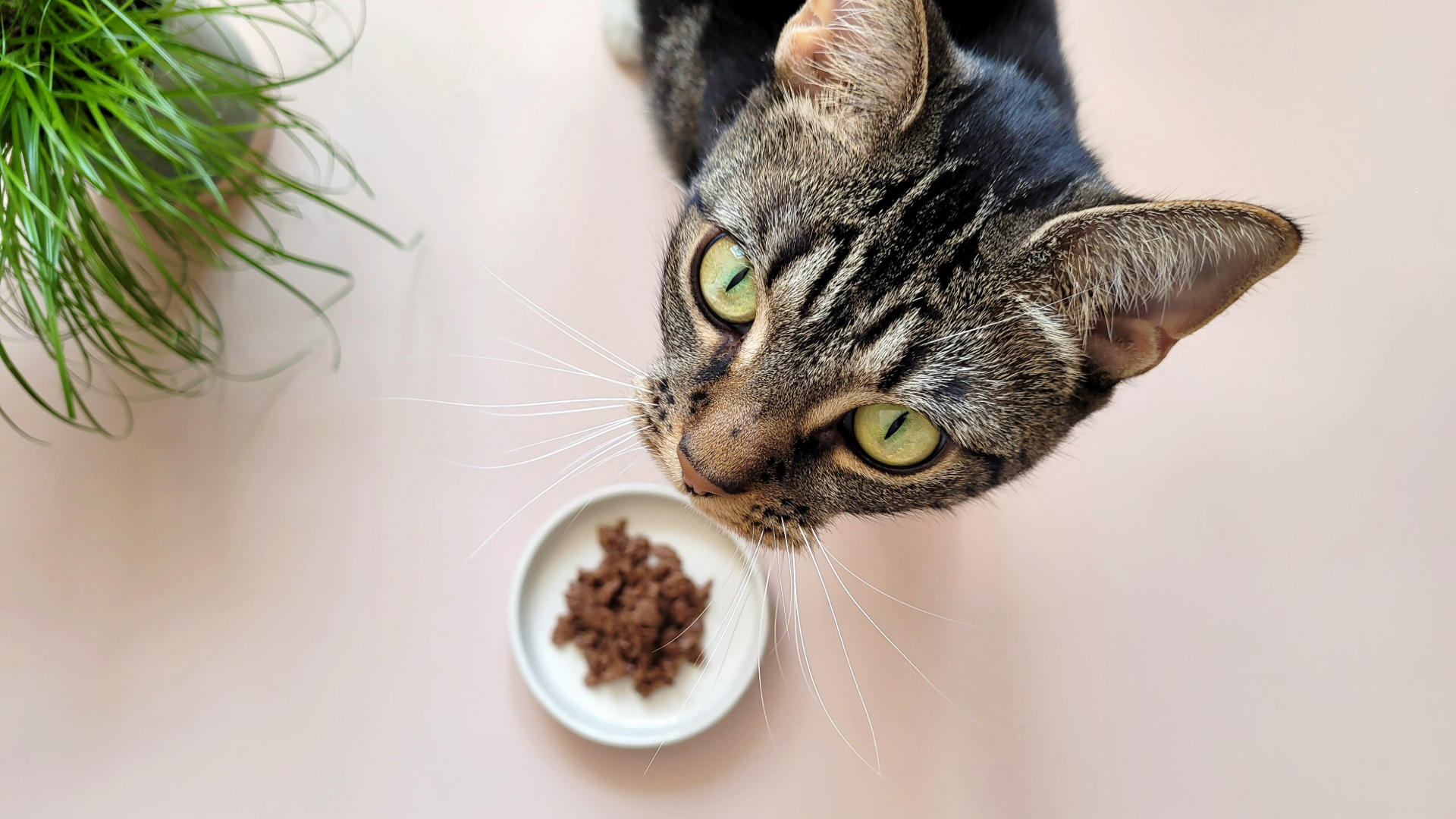
Credit: www.petsradar.com
Frequently Asked Questions
How Can I Transition My Cat To Wet Food Smoothly?
Start by mixing wet food with dry food gradually over 7-10 days. Increase wet food ratio daily to help your cat adjust. This slow change reduces digestive upset and encourages acceptance of the new diet.
What Are The Benefits Of Feeding Cats Wet Food?
Wet food provides higher moisture content, which supports kidney health and hydration. It also tends to be more palatable and helps with urinary tract health. Wet food can aid in weight management due to controlled portion sizes.
How Do I Make Wet Food More Appealing To My Cat?
Warm the wet food slightly to enhance aroma and flavor. Adding a little tuna juice or broth can entice picky eaters. Serving smaller, frequent meals also encourages consistent eating habits.
Can I Mix Wet And Dry Food For My Cat?
Yes, mixing wet and dry food can offer balanced nutrition and variety. Ensure portion sizes meet your cat’s daily calorie needs. This mix can ease the transition and keep meals interesting.
Conclusion
Getting your cat to eat wet food takes time and patience. Try different flavors and textures to find what they like. Warm the food slightly to make it smell better. Offer small amounts at first and avoid mixing with dry food.
Keep feeding times consistent to build a routine. Watch your cat’s reaction and adjust as needed. Remember, every cat is unique and learns at their own pace. Stay calm and gentle throughout the process. Soon, your cat may enjoy the benefits of wet food.
A happy cat, a healthier diet—worth the effort.