How to Get a Kitten to Eat Hard Food: Easy Tips That Work Fast

Getting your kitten to eat hard food can feel like a challenge. You want your furry friend to grow strong and healthy, but sometimes they just prefer soft or wet food.
If you’re wondering how to make this switch easier, you’re in the right place. This guide will help you understand the best ways to encourage your kitten to enjoy hard food without stress—for both of you. Keep reading, and you’ll discover simple, effective tips that really work.

Credit: www.youtube.com
Why Kittens Resist Hard Food
Kittens often resist eating hard food at first. This resistance is common and natural. Understanding why kittens prefer soft food helps pet owners support their pets better. Several reasons explain this behavior, including taste, texture, and physical comfort.
Natural Preferences For Soft Food
Kittens naturally like soft food because it is easier to eat. Their taste buds respond well to the smooth texture. Soft food feels gentle and familiar, similar to their mother’s milk. This comfort makes them less willing to try hard food.
Teething And Mouth Sensitivity
Kittens go through teething, which causes sore gums. Hard food can hurt their sensitive mouths. They avoid hard food to prevent pain. Soft food offers relief and is easier to chew during this stage.
Transition Challenges
Switching from milk to hard food is a big change. Kittens need time to adjust to new textures. Sudden changes can cause stress or refusal to eat. Patience and gradual introduction help kittens accept hard food better.
Choosing The Right Hard Food
Choosing the right hard food for your kitten is important for their health and growth. The right food supports strong bones and good energy levels. It also helps your kitten enjoy their meals and transition smoothly from soft to hard food. Focus on quality and suitability to make mealtime easier for your kitten.
Nutritional Needs For Kittens
Kittens need food rich in protein to build muscles. They also need fats for energy and brain development. Vitamins and minerals help keep their bones and teeth strong. Look for food labeled for kittens to meet these needs. Avoid adult cat food, as it lacks the nutrients kittens require.
Texture And Size Considerations
Kittens have small mouths and sensitive teeth. Choose hard food with small, soft pieces. This texture helps them chew without pain. Avoid large or very hard kibbles that may frustrate your kitten. Gradually introduce harder textures to help them adjust comfortably.
Popular Brands And Options
Many brands offer kitten-specific hard food with balanced nutrition. Royal Canin, Blue Buffalo, and Wellness have good options. Look for formulas designed for kittens with real meat. Check for products free from artificial colors and fillers. Always read labels to ensure quality ingredients.
Preparing Hard Food For Beginners
Introducing hard food to a kitten can be tricky. Kittens prefer soft textures first. Preparing hard food correctly helps your kitten adjust easily. It makes eating less stressful and more enjoyable. Below are simple methods to prepare hard food for beginners.
Soaking To Soften
Soaking hard food in warm water makes it soft. This helps kittens chew and swallow easily. Use just enough water to cover the food. Let it sit for 10 to 15 minutes. The food will absorb water and become tender. Serve it lukewarm for better acceptance.
Mixing With Wet Food
Mixing hard food with wet food adds flavor and moisture. It encourages kittens to try the new texture. Start with a small amount of dry food in wet food. Gradually increase the dry food over time. This mix creates a familiar taste and texture.
Using Broth Or Water
Adding broth or water to hard food softens it quickly. Use low-sodium chicken or beef broth for extra taste. Pour a small amount over the dry food. Let it soak for a few minutes before serving. Warm broth can make the food more appealing.
Encouraging Your Kitten To Try Hard Food
Encouraging your kitten to try hard food takes patience and care. Kittens are used to soft, wet food or their mother’s milk. Switching to hard food is a big step for them. This change needs a gentle approach to make it easy and stress-free.
Using the right methods helps your kitten accept hard food faster. Creating a good mealtime routine and a calm environment makes a big difference. These tips will guide you through the process smoothly.
Gradual Introduction Techniques
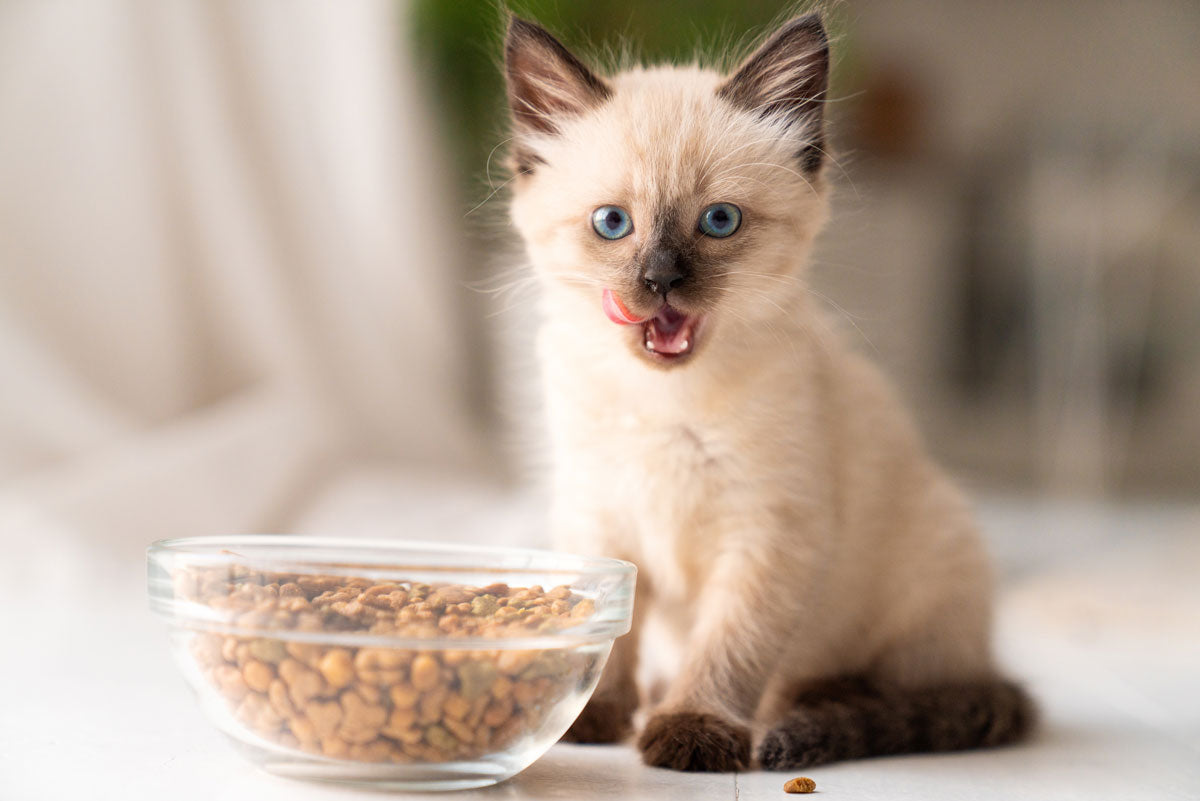
Start by mixing a small amount of hard food with soft food. Slowly increase the hard food portion over several days. Let the kitten sniff and taste the hard pieces first. This helps build interest and trust in the new food. Avoid forcing the kitten to eat hard food immediately.
Creating A Positive Mealtime Environment
Choose a quiet place for feeding to avoid distractions. Keep the feeding area clean and comfortable. Sit near your kitten to provide comfort and encouragement. Use a shallow bowl to make eating easier. Praise your kitten gently to build positive feelings.
Feeding Schedule Tips
Feed your kitten at the same times every day. Set short, regular meal sessions to keep hunger balanced. Remove uneaten food after 20 to 30 minutes. This helps the kitten learn to eat when food is available. Avoid free-feeding to encourage interest in hard food.
Common Mistakes To Avoid
Getting your kitten to eat hard food can be tricky. Many pet owners make mistakes that slow the process. Avoiding these common errors helps your kitten adjust faster and stay healthy. Here are some mistakes to watch out for.
Forcing The Kitten To Eat
Forcing a kitten to eat hard food can cause stress. Kittens need time to get used to new textures. Pressuring them may make them avoid food altogether. Offer food gently and let your kitten explore it.
Ignoring Hunger Cues
Kittens show signs when they are hungry or full. Ignoring these cues may disrupt their eating habits. Watch for meow sounds or pawing at the bowl. Feed your kitten when it shows hunger, not just on a schedule.
Switching Foods Too Quickly
Changing from soft to hard food suddenly can upset a kitten’s stomach. Gradually mix small amounts of hard food into soft food. Increase the hard food slowly over several days. This helps kittens adjust comfortably to the new diet.
Credit: simplynakedpetfood.com
Monitoring Progress And Adjusting
Watching your kitten adjust to hard food is important. This phase needs close observation and small changes. Each kitten reacts differently, so patience is key. Notice how your kitten eats and digests the new food. Adjust the feeding plan based on these signs.
Signs Of Successful Transition
Your kitten should show interest in hard food. Chewing without discomfort is a good sign. Stool should be firm, not loose or hard. Energy levels stay steady or improve. No vomiting or gagging during meals means progress. Eating regular meals without fuss shows comfort with hard food.
When To Consult A Veterinarian
Seek help if your kitten refuses hard food for many days. Watch for weight loss or lethargy. Persistent vomiting or diarrhea needs a vet’s check. If your kitten shows pain while eating, call a vet. These signs may indicate health issues or allergies. Early advice can prevent bigger problems.
Maintaining A Balanced Diet
Combine hard food with wet food initially for smooth change. Ensure the hard food suits kitten’s age and health. Provide fresh water at all times. Avoid feeding human food or treats that upset balance. Regularly check nutrition labels to meet kitten’s needs. Proper diet supports growth and strong immunity.

Credit: cats.com
Frequently Asked Questions
How Do I Transition My Kitten To Hard Food?
Start by mixing soft and hard food gradually. Increase hard food amount over 7-10 days. Ensure fresh water is always available.
When Is The Best Age To Introduce Hard Food?
Introduce hard food around 8 weeks old. At this age, kittens’ teeth and digestive systems are ready. Consult your vet for personalized advice.
What If My Kitten Refuses Hard Food?
Try warming the hard food slightly to enhance aroma. Offer in small portions and be patient. Mixing with a bit of wet food can help.
How Can I Encourage My Kitten To Chew Hard Food?
Provide small-sized kibble for easy chewing. Gently guide your kitten to the food bowl. Reward with praise or treats when they try hard food.
Conclusion
Getting a kitten to eat hard food takes time and patience. Start slowly, mixing soft and hard food. Offer fresh water nearby to encourage eating. Watch your kitten’s reactions and adjust as needed. Keep feeding times consistent every day. Praise your kitten gently for trying new foods.
This helps build good eating habits. Soon, your kitten will enjoy hard food on its own. Remember, small steps lead to big progress. Stay calm and caring throughout the process. Your kitten will grow healthy and strong with proper nutrition.