How to Get Cat to Stop Meowing for Food-Simple Tips That Work

Are you tired of your cat meowing non-stop for food, making your home feel like a noisy restaurant? That constant “Mmmmmmmmm” sound can be exhausting and stressful for both you and your furry friend, especially when you’re trying to figure out how to get cat to stop meowing for food without adding more chaos to your day.
But what if you could gently stop this behavior without upsetting your cat? You’ll discover simple, effective ways to calm your cat’s hunger demands and bring peace back to your daily routine. Keep reading to learn how to get your cat to stop meowing for food and enjoy quieter, happier moments together.
Reasons Cats Meow For Food
Cats meow for food for several reasons. Understanding why they do this helps you respond better. It also stops constant meowing that can be annoying. Cats use meowing as a way to communicate their needs.
Some cats meow because they are hungry. Others meow for attention or out of habit. Sometimes, health problems cause increased meowing. Knowing these reasons helps you manage your cat’s behavior.
Hunger Vs Attention
Cats often meow to tell you they are hungry. They learn that meowing gets them food quickly. Some cats meow even when they are not very hungry. They want your attention or to play.
Distinguishing hunger meows from attention meows is key. Hunger meows are usually more urgent and frequent. Attention meows tend to be softer and less persistent.
Habitual Meowing
Some cats meow because they formed a habit. They may have been fed every time they meowed. This teaches the cat to meow for food regularly. Breaking this habit takes patience and consistency.
Ignore meows that are not linked to real hunger. Feed your cat at set times, not on demand. This routine helps stop habitual meowing over time.
Health Issues
Increased meowing can signal health problems. Cats with pain or illness may meow more often. Conditions like diabetes or hyperthyroidism can increase appetite.
Watch for other signs like weight loss or changes in behavior. Visit a vet to rule out health issues. Treating health problems can reduce excessive meowing.
Setting A Feeding Schedule
Setting a feeding schedule is key to stopping your cat’s constant meowing for food. Cats thrive on routine. A clear feeding plan helps them know when to expect meals. This reduces their anxiety and hunger-driven meows. You can train your cat to wait calmly for food by sticking to a schedule.
Consistent Meal Times
Feed your cat at the same times every day. Cats feel secure when they expect meals on time. Pick two or three fixed times for feeding. Avoid random or frequent feeding. Consistency teaches your cat patience and reduces begging. Your cat will learn that meowing will not bring food early.
Portion Control
Measure your cat’s food carefully at each meal. Overfeeding can cause constant hunger signals and meowing. Use the recommended portion size based on your cat’s weight and age. Balanced portions keep your cat full and healthy. Proper portions also prevent weight gain and related health problems.
Ignoring Excessive Meowing
Ignoring excessive meowing is a key step to teach your cat healthy habits. Cats often meow for food because they want attention or treats. Giving in every time makes the behavior worse. Instead, staying calm and not responding helps your cat learn to be patient.
This method needs time and care. Your cat may meow louder or more often at first. This is normal and shows your cat is testing limits. Consistent ignoring will reduce the meowing over days or weeks. Your cat learns that quiet behavior brings food, not loud meowing.
Avoiding Reinforcement
Do not give food or treats when your cat meows loudly. Feeding only when your cat is quiet stops the bad habit. Reward silence with gentle petting or feeding. This teaches your cat to be calm before eating. Avoid eye contact or talking during meowing. It can make your cat think meowing works.
Patience And Persistence
Ignoring meows takes patience. Your cat may try hard to get attention. Stay strong and do not respond to meows. Give food only at set times. Over time, your cat will stop meowing for food. Consistency is the key to success in this training.
Using Distractions And Alternatives
Using distractions and alternatives helps reduce your cat’s food meowing. Cats often meow out of boredom or habit. Giving them something else to focus on can calm them down. Distractions keep their minds busy and lower their demand for food.
Choosing the right activities can make a big difference. Toys and puzzles give your cat a fun challenge. These keep your cat entertained and less likely to meow for treats or meals.
Interactive Toys
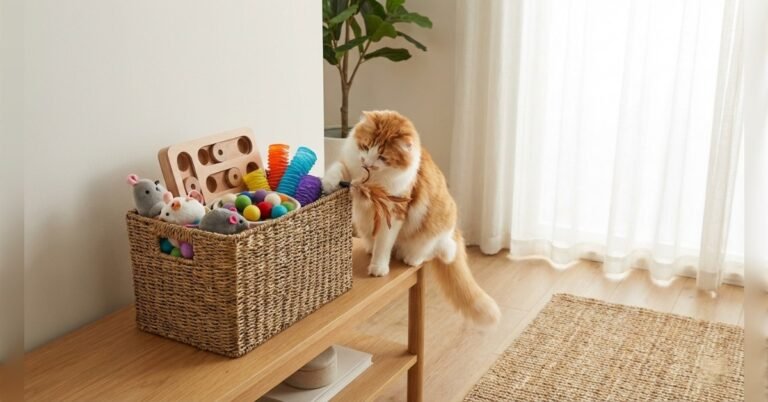
Interactive toys catch your cat’s attention and keep them active. Toys that move or make sounds are especially good. Your cat will chase, pounce, and play instead of meowing. These toys also help your cat exercise and stay healthy.
Try toys like feather wands, laser pointers, or motorized mice. Rotate toys regularly to keep your cat interested. Play sessions with your cat build trust and reduce meowing for food.
Treat Puzzles
Treat puzzles make your cat work for food slowly. Your cat must solve a puzzle to get treats. This slows down eating and distracts from constant meowing. Puzzles can be simple or complex, depending on your cat’s skill.
Use puzzle feeders or homemade puzzles with small treats. This encourages mental activity and reduces boredom. Treat puzzles also help control your cat’s weight by limiting treat intake.
Training Your Cat To Be Quiet
Training your cat to be quiet takes patience and consistency. Cats meow for many reasons, but food is one of the most common. Teaching your cat to stop meowing for food helps create a calm home. It also strengthens your bond with your pet. The key is clear communication and positive training methods. Start by understanding your cat’s needs and signals. Then use simple training steps to encourage quiet behavior.
Positive Reinforcement
Positive reinforcement means rewarding good behavior. When your cat stays quiet, give a treat or gentle petting. This teaches your cat that being quiet brings rewards. Avoid giving food or attention when your cat meows loudly. This stops the cat from linking meowing with getting food. Use calm tones and soft words when rewarding your cat. Repeat this often to build a strong habit. Over time, your cat learns that quietness is better than meowing.
Command Training
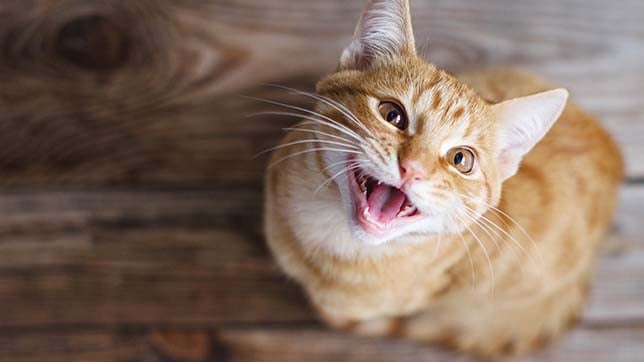
Command training uses a simple word or sound to signal quiet time. Choose a word like “quiet” or “enough.” Say the word in a calm voice when your cat stops meowing. Immediately reward your cat with a treat or praise. Practice this daily during feeding times and other moments. Consistency helps your cat understand the command. Avoid yelling or punishment. This keeps training positive and effective. Your cat will learn to stop meowing on command with time.
Credit: www.animalfriends.co.uk
Checking For Medical Problems
Persistent meowing for food may not always be about hunger. Sometimes, it signals a health problem. Cats cannot tell us when they feel unwell. Meowing can be their way to ask for help. Checking for medical problems is important if your cat’s meowing changes suddenly or becomes excessive.
Ignoring medical issues can make your cat suffer. Early detection helps your cat get the right care. A healthy cat usually meows less for food. Understanding the signs of illness helps you act fast and protect your pet.
When To Visit The Vet
Visit the vet if your cat meows more than usual. Sudden changes in behavior need attention. If your cat looks tired or loses weight, see a vet. Frequent vomiting or diarrhea also needs a checkup. If your cat drinks or urinates more, this can be a warning. Do not wait. Early vet visits catch problems early and ease treatment.
Common Health Concerns
Diabetes can cause cats to feel very hungry and thirsty. Kidney disease often makes cats restless and meow more. Hyperthyroidism speeds up metabolism, increasing appetite and vocalization. Dental pain may make your cat cry out when eating. Parasites or infections can also cause discomfort and more meowing. Knowing these common health issues helps you understand your cat’s needs better.
Improving Cat’s Diet And Environment
Improving your cat’s diet and environment plays a key role in reducing constant meowing for food. Cats often meow because they feel hungry or stressed. By meeting their nutritional needs and creating a calm space, you can help them feel satisfied and quiet. This approach supports their health and well-being.
Nutritional Needs
Feed your cat balanced meals with all essential nutrients. Choose high-quality cat food with proteins, fats, and vitamins. Avoid low-quality brands that leave cats hungry. Regular meal times help your cat know when to expect food. Offer measured portions to prevent overeating. Fresh water should always be available to keep them hydrated. Consider wet food to increase moisture intake. A well-fed cat meows less for food.
Reducing Stress Factors
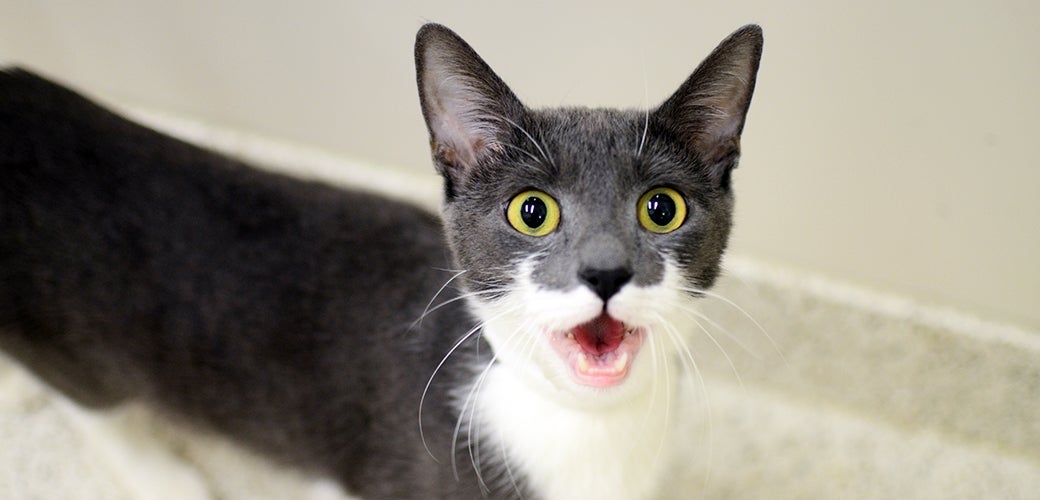
Cats meow when stressed or anxious. Create a quiet, safe area for your cat to relax. Provide hiding spots and cozy beds. Keep a consistent daily routine to reduce uncertainty. Play with your cat to burn energy and improve mood. Avoid loud noises and sudden changes in the home. Stress reduction leads to less meowing and a happier cat.
Credit: www.aspca.org
Credit: canagan.com
Frequently Asked Questions
Why Does My Cat Meow For Food Constantly?
Cats meow for food to get attention or express hunger. It can become a habit if you feed them on demand. Establish regular feeding times to reduce excessive meowing and avoid reinforcing this behavior.
How Can I Stop My Cat’s Food Meowing Habit?
Ignore your cat’s meowing at feeding times to avoid encouraging it. Feed your cat on a strict schedule, and provide interactive toys to distract them. Consistency helps break the habit of meowing for food.
What Feeding Schedule Is Best To Reduce Meowing?
Feed your cat at the same times daily, ideally twice a day. Consistent feeding times create routine and reduce anxiety-driven meowing. Avoid free-feeding to prevent constant hunger signals.
Can Diet Changes Help Reduce My Cat’s Meowing?
Yes, feeding high-quality, nutritious meals can keep your cat fuller longer. Balanced diets prevent hunger-driven meowing. Consult your vet for the best food suited to your cat’s needs.
Conclusion
Stopping your cat from meowing for food takes patience and care. Feed your cat on a regular schedule. Ignore loud meowing to avoid encouraging it. Give your cat attention in other ways. Use toys to distract your cat from begging.
Remember, your cat learns from your actions. Stay consistent, and the meowing will reduce. Your calm and steady approach helps both you and your cat. Enjoy peaceful mealtimes and a happy pet.