How to Change Kitty Litter: Easy Steps for a Fresh, Clean Home

Changing your kitty’s litter might seem like a simple task, but doing it the right way can make a big difference for both you and your cat. If you want to keep your home fresh and your furry friend happy, knowing how to change kitty litter properly is key.
In this guide, you’ll discover easy steps and helpful tips that save you time and prevent common mistakes. Ready to make litter changes less messy and more effective? Keep reading—you’ll thank yourself later.
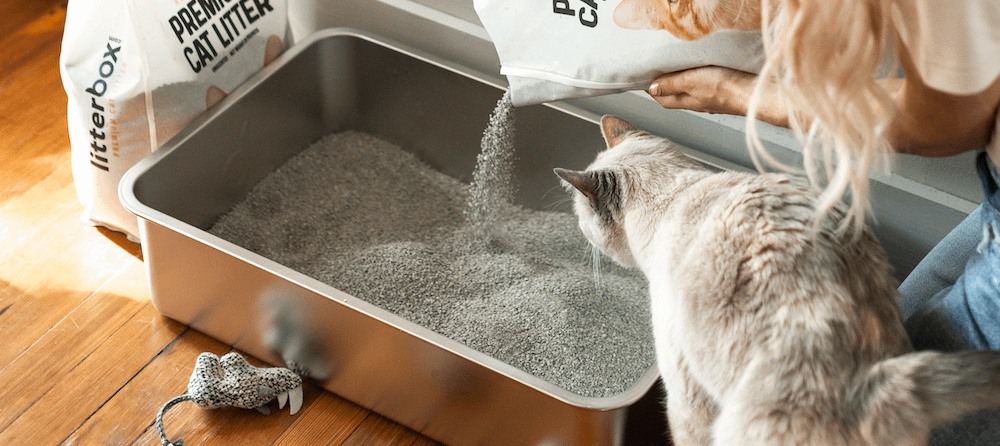
Credit: www.litter-robot.com
Choosing The Right Litter
Choosing the right kitty litter is important for both you and your cat. The right litter makes cleaning easier and keeps your home smelling fresh. It also keeps your cat happy and healthy.
Different types of litter suit different cats and homes. Some cats like soft litter, others prefer clumping types. The litter you choose should fit your cat’s needs and your lifestyle.
Types Of Kitty Litter
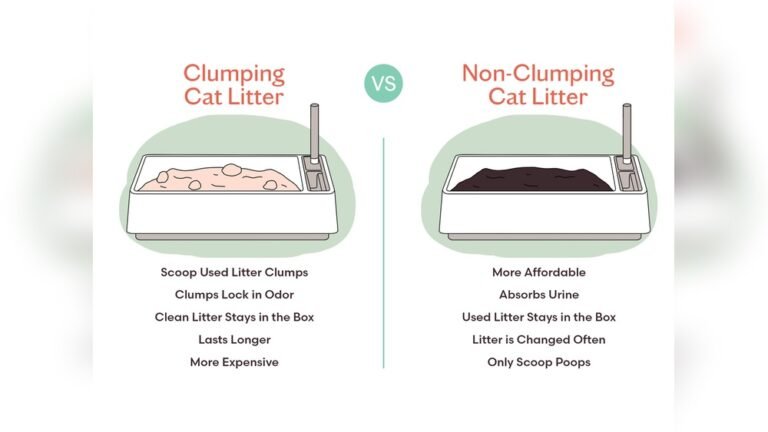
Clay litter is common and affordable. It clumps well and controls odor. However, it can be dusty and heavy.
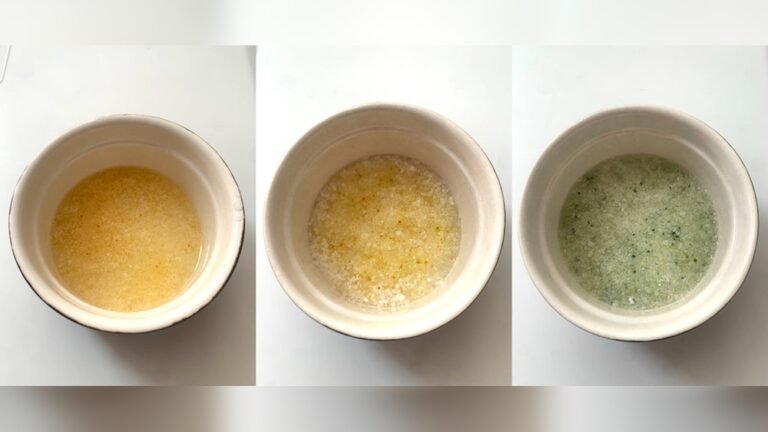
Silica gel litter absorbs moisture and smells. It lasts longer but costs more. Some cats dislike the texture.
Natural litter includes materials like corn, wheat, or pine. It is biodegradable and less dusty. These litters often have a mild scent.
Factors To Consider
Dust levels matter. Dusty litter can cause breathing issues for cats and people. Choose low-dust options for better air quality.
Clumping helps with easy cleaning. It forms solid clumps for quick removal. Not all cats like clumping litter.
Odor control is key. Some litters mask smells well. Others need frequent changing to stay fresh.
Price affects your choice. Some litters cost more but last longer. Choose what fits your budget and needs.
Eco-friendly Options
Eco-friendly litters use natural, renewable materials. They break down faster in landfills. Examples include corn, wheat, and recycled paper.
These options often have less dust and fewer chemicals. They are safer for cats and the environment.
Biodegradable litter helps reduce waste. It is a good choice for green-conscious pet owners.

Credit: articles.hepper.com
Gathering Supplies
Changing kitty litter is easier with the right supplies. Gathering these items before you start saves time and keeps the task neat. Prepare everything so the process is smooth and quick. This helps keep your cat’s space clean and fresh.
Essential Tools
A sturdy litter scoop is a must. It helps remove clumps and waste efficiently. Choose one with a comfortable handle for easy use. A trash bag or container is needed to hold the old litter. Gloves protect your hands from dirt and germs. A small broom or brush helps clean around the box.
Optional Accessories
Liner bags can make cleaning faster and reduce mess. Some people use deodorizing sprays to keep odors low. A dust mask is useful if you or your cat are sensitive to dust. Extra litter types let you try what your cat prefers. A mat outside the box stops litter from spreading around.
Preparing The Litter Box
Preparing the litter box is the first step to keep your cat’s space clean and fresh. It helps prevent odors and keeps your kitty happy. A clean box also reduces the risk of infections for your cat. Follow these simple steps to prepare the litter box before adding fresh litter.
Removing Old Litter
Start by scooping out all the old litter. Use a scoop with holes to let clean litter fall through. Dispose of the waste in a sealed bag. Remove every bit of used litter to avoid smells. Make sure the box is empty before cleaning.
Cleaning The Box
Wash the litter box with warm water and mild soap. Avoid strong cleaners that can harm your cat. Scrub all corners and sides thoroughly. Rinse the box well to remove soap residue. Cleanliness helps keep your cat healthy and comfortable.
Drying And Inspection
Dry the box completely with a towel or let it air dry. Check the box for cracks or damage. Replace the box if you find any breaks. A smooth, clean surface prevents bacteria buildup. Ready the box for fresh litter and your cat’s use.
Adding Fresh Litter
Adding fresh litter is a key step in keeping your kitty’s box clean and inviting. It helps control odors and makes your cat comfortable. Properly adding litter encourages your cat to use the box consistently.
Proper Litter Depth
Use about two to three inches of fresh litter. This depth allows your cat to dig and cover waste easily. Too little litter can make digging hard. Too much can waste litter and make cleaning tough.
Even Distribution
Spread the litter evenly across the bottom of the box. Avoid piles or empty spots. Smooth, level litter helps your cat find a good place to dig. It also prevents odor pockets and messes.
Maintaining A Clean Litter Box
Keeping your cat’s litter box clean is important for their health and your home’s smell. A clean box encourages your kitty to use it properly. It also helps prevent infections and bad odors. Regular care makes litter box maintenance easier and faster.
Daily Scooping Tips
Scoop out waste every day. This keeps the box fresh and dry. Use a good scoop with holes to remove clumps. Check all corners and under the litter surface. Throw the waste in a sealed bag to stop smells. Daily scooping saves time and keeps your cat happy.
Weekly Deep Cleaning
Empty the entire litter box once a week. Wash the box with warm water and mild soap. Avoid strong chemicals that can harm your cat. Dry the box completely before adding fresh litter. This deep clean removes bacteria and old smells. It also keeps the box looking new.
Dealing With Odors
Good ventilation helps reduce litter box smells. Use baking soda mixed in with the litter for extra odor control. Replace the litter fully every week to prevent buildup. Clean around the box and the floor nearby regularly. These steps keep your home smelling fresh and clean.
Encouraging Your Cat To Use The Litter Box
Encouraging your cat to use the litter box is key to a clean home. Cats may avoid the box for many reasons. Understanding these helps keep your cat happy and healthy. Patience and gentle guidance work best. Small changes can make a big difference.
Placement Tips
Choose a quiet, low-traffic spot for the litter box. Cats like privacy when they go. Avoid placing the box near food or water dishes. Keep the litter box on a stable, flat surface. Make sure the area is easy for your cat to reach. Change the box location gradually if needed. Sudden moves can confuse your cat.
Addressing Behavioral Issues
Watch for signs of stress or illness. Cats may avoid the box if they feel pain. Clean the litter box daily to prevent odors. Use unscented litter to avoid irritation. Praise your cat after using the box. Do not punish mistakes; it causes fear. Consult a vet if problems continue. Behavioral problems often need time and care.
Safety And Hygiene Tips
Changing kitty litter involves more than just scooping and refilling. It requires careful attention to safety and hygiene. Keeping yourself and your pet safe is important. This section covers key tips to handle litter safely and protect your health.
Handling Litter Safely
Wear disposable gloves before touching the litter. This prevents direct contact with germs and waste. Scoop waste daily to keep the box clean. Avoid stirring dust while cleaning to reduce airborne particles. Use a scoop with a sturdy handle for better control. Dispose of old litter in a sealed bag. Clean the litter box with mild soap and warm water regularly. Let it dry completely before adding fresh litter.
Protecting Your Health
Wash your hands thoroughly after changing litter. Avoid touching your face during the process. Keep the litter box in a well-ventilated area to reduce odors and dust. Pregnant women should avoid handling cat litter due to health risks. Store litter out of reach of children and pets. Replace gloves after each cleaning session to stop bacteria spread. Clean any spills immediately to maintain a safe environment.

Credit: www.weknowpets.com.au
Frequently Asked Questions
How Often Should I Change My Cat’s Litter?
Change your cat’s litter completely once a week. Scoop waste daily to maintain cleanliness and reduce odor. Frequent changes help prevent bacterial buildup and keep your cat healthy and happy.
What Is The Best Way To Dispose Of Used Kitty Litter?
Seal used litter in a plastic bag before discarding it in the trash. Avoid flushing litter down the toilet, as it can cause plumbing issues and environmental harm.
Can I Reuse Kitty Litter To Save Money?
It’s not recommended to reuse kitty litter. Reusing can harbor bacteria and odors, which can harm your cat’s health and comfort. Always replace with fresh litter for hygiene.
How Do I Clean The Litter Box Before Adding New Litter?
Empty all old litter, then wash the box with mild soap and warm water. Avoid strong chemicals that may deter your cat. Dry thoroughly before adding fresh litter.
Conclusion
Changing kitty litter keeps your cat healthy and happy. Clean litter helps stop bad smells and germs. Take out old litter every few days. Add fresh litter to keep it soft and dry. Use a scoop to remove clumps daily.
This simple routine saves you time and stress. Your cat will thank you with purrs and love. Keep the litter box tidy for a happy home. Easy steps, better care.