How to Change Cat Litter: Easy Steps for a Fresh, Clean Home

Changing your cat’s litter might seem like a simple chore, but doing it the right way can make a huge difference for both you and your furry friend. If you want to keep your home fresh and your cat happy, knowing How to Change Cat Litter the right way is essential.
In this guide, you’ll discover easy tips that save time, reduce odors, and make cleaning less of a hassle. Ready to make litter changes quick and stress-free? Keep reading to learn how!
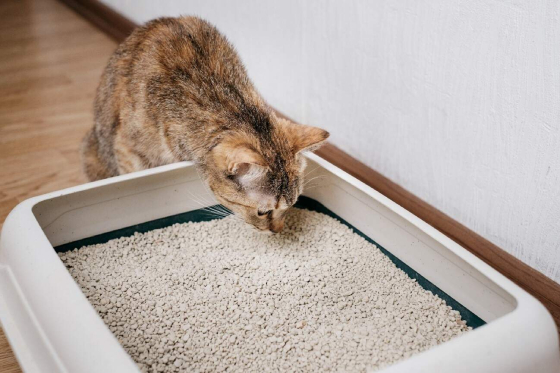
Credit: www.armandhammer.com
Choosing The Right Litter
Choosing the right cat litter is important for both you and your cat. The right litter keeps your home clean and your cat happy. It also helps control odor and makes cleaning easier. Different types of litter offer different benefits. Understanding these options helps you pick the best one.
Types Of Cat Litter
Clay litter is common and affordable. It clumps well and controls odor. Silica gel litter absorbs moisture and smells. It is low dust and lasts longer. Natural litter comes from materials like corn, wheat, or pine. It is biodegradable and gentle on paws.
Factors To Consider
Dust levels affect air quality and cat health. Some cats dislike scented litter. Texture matters; some cats prefer fine grains. Clumping ability makes scooping easier. Price and availability are practical points. You want litter that fits your budget and is easy to find.
Eco-friendly Options
Eco-friendly litter breaks down naturally. It uses renewable materials. Pine litter smells fresh and is biodegradable. Corn and wheat litters reduce landfill waste. These options are safe for cats and the planet. They often produce less dust and use fewer chemicals.
Credit: www.nour-eg.com
Preparing The Litter Box
Preparing the litter box is the first step in changing cat litter. This stage ensures the box is clean and ready for fresh litter. A clean box helps keep your cat healthy and happy. It also controls odor and makes the area more pleasant.
Cleaning The Box
Empty all the old litter from the box. Use warm water and mild soap to wash it. Avoid strong cleaners that can harm your cat. Rinse the box well to remove any soap. Let the box dry completely before adding new litter. This prevents clumps from sticking to the sides.
Replacing The Liner
Check if your litter box uses a liner. If yes, remove the old liner carefully. Place a new liner inside the box. Make sure it fits snugly to cover all sides. A good liner helps keep the box cleaner longer. It also makes the next cleaning easier.
Checking For Damage
Look over the box for cracks or breaks. Damaged areas can trap waste and bacteria. Replace the box if you find any damage. A sturdy box keeps the litter contained. It also protects your floors from spills.
Removing Old Litter
Removing old cat litter is an important step in keeping your cat’s litter box clean and fresh. It helps prevent bad smells and keeps your cat healthy. This task should be done regularly to maintain a hygienic environment for your pet.
Proper removal of old litter also makes it easier to add fresh litter. It stops bacteria and germs from building up. Preparing for this step requires a few simple tools and safe disposal methods.
Tools Needed
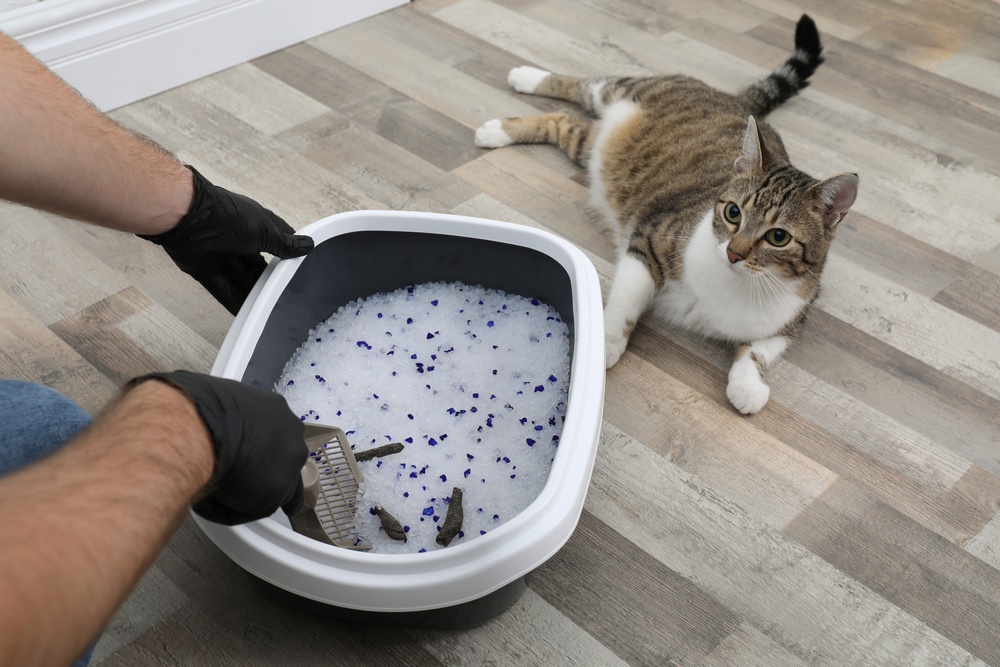
Gather a few items before you start. Use a sturdy scoop to remove clumps. A small dustpan or scoop helps to clear out the rest. Gloves protect your hands from germs. Have a trash bag ready for waste. A mild cleaner and paper towels help clean the box after emptying.
Safe Disposal Methods
Put the old litter into a strong trash bag. Tie the bag tightly to stop spills and odors. Do not flush cat litter down the toilet; it can cause plumbing problems. Dispose of the bag in your regular trash bin. Some areas offer special waste programs; check local rules. Avoid composting cat litter, as it can carry harmful bacteria.

Credit: www.weknowpets.com.au
Adding New Litter
Adding new litter is an important step in keeping your cat’s litter box clean and comfortable. Properly adding fresh litter helps control odor and makes the box inviting for your cat. It also supports the clumping action to trap waste effectively.
How Much Litter To Use
Use about 2 to 3 inches of litter in the box. This depth allows your cat to dig and cover waste easily. Too little litter may cause your cat to avoid the box. Too much litter can make cleaning harder and waste more litter.
Spreading Evenly
Spread the litter evenly across the bottom of the box. Make sure the layer is flat and smooth. Uneven litter can confuse your cat and lead to messes outside the box. Use your hand or a scoop to level the litter gently.
Maintaining A Fresh Litter Box
Keeping your cat’s litter box fresh is important for a happy pet and a clean home. A fresh litter box encourages your cat to use it regularly. It also helps stop smells and keeps your house pleasant. Regular care and cleaning make a big difference.
Daily Scooping Tips
Scoop out waste every day to keep the box clean. Use a scoop with holes to remove clumps easily. Dispose of waste in a sealed bag. Fresh litter makes the box inviting for your cat. Clean scooping prevents bad odors from building up.
Weekly Deep Cleaning
Once a week, empty the litter box completely. Wash the box with warm water and mild soap. Avoid strong cleaners that can harm your cat. Dry the box fully before adding new litter. Deep cleaning removes bacteria and old smells. This keeps the litter box safe and fresh.
Controlling Odors
Use unscented, clumping litter to reduce smells. Place the litter box in a well-ventilated area. Add a thin layer of baking soda under the litter to absorb odors. Clean around the box regularly to stop lingering smells. Keeping odors low helps everyone in the home breathe easy.
Tips For A Happy Cat
Keeping your cat happy during litter changes is very important. A calm and clean litter area helps your cat feel safe. Cats are sensitive to changes around them. Small adjustments can make a big difference.
Choosing The Right Location
Pick a quiet, private spot for the litter box. Avoid busy or noisy areas. Keep it away from your cat’s food and water. The area should be easy for your cat to reach. Good lighting and ventilation help too.
Encouraging Use
Keep the litter box clean by scooping daily. Use litter that your cat likes. Add a small amount of fresh litter after cleaning. Avoid strong scents or harsh cleaners. Praise your cat gently when it uses the box.
Monitoring Cat Behavior
Watch your cat’s habits closely after changing the litter. Look for signs of stress or avoidance. Check if your cat uses the box regularly. Changes in behavior may mean discomfort. Adjust the litter or location if needed.
Frequently Asked Questions
How Often Should I Change Cat Litter Completely?
Change cat litter entirely every 1 to 2 weeks. Frequent cleaning prevents odor and keeps your cat healthy. Scoop daily to maintain freshness. Replace old litter with fresh, clean litter for best hygiene.
What Is The Best Way To Clean A Litter Box?
Empty all litter, then wash the box with mild soap and warm water. Avoid strong chemicals that may deter cats. Dry the box thoroughly before adding new litter to prevent clumping issues.
Can I Mix Old And New Cat Litter?
Mixing old and new litter is acceptable during partial changes. It helps maintain scent consistency, which comfort cats. However, avoid mixing if litter is heavily soiled or clumped.
What Type Of Cat Litter Is Easiest To Change?
Clumping clay litter is easiest to change. It forms solid clumps for quick scooping and full replacement. Avoid non-clumping litter if you want simpler maintenance and odor control.
Conclusion
Changing cat litter keeps your home clean and your cat happy. Scoop waste daily to reduce smell and bacteria. Replace all litter regularly to keep the box fresh. Use the right kind of litter for your cat’s needs. Clean the litter box with mild soap and warm water.
A clean box encourages your cat to use it properly. Simple steps make the task quick and easy. Your cat will thank you with good health and comfort. Keep a routine, and litter changes won’t feel like a chore.