How to Choose Cat Food: Expert Tips for Healthy, Happy Cats

Choosing the right food for your cat can feel overwhelming. With so many options on the shelf, how do you know what’s truly best for your furry friend?
The food you pick affects your cat’s health, energy, and happiness every day. If you want to make sure your cat thrives, you need to understand what to look for and what to avoid. Keep reading, and you’ll discover simple tips that help you choose cat food with confidence—so your cat can enjoy every meal and stay healthy for years to come.
Credit: natureslogic.com
Nutritional Needs Of Cats
Cats have unique nutritional needs. Their food must provide the right balance of nutrients. This keeps them healthy and active. Understanding these needs helps you pick the best cat food. It supports their growth, energy, and overall well-being.
Essential Nutrients
Cats need protein as their main energy source. Protein comes from meat, fish, or poultry. They also need fats for energy and healthy skin. Vitamins and minerals support their body functions. Taurine is an important amino acid for cats. It helps their heart and eyesight. A lack of these nutrients can cause health problems.
Life Stage Requirements
Kitten food differs from adult cat food. Kittens need more calories and nutrients to grow. Adult cats require balanced nutrition to maintain weight. Senior cats may need fewer calories but more fiber. Their food may also help with joint health. Choose food that matches your cat’s age.
Special Dietary Needs
Some cats have allergies or health issues. They may need special diets like grain-free or low-protein food. Cats with kidney problems need food with less phosphorus. Overweight cats benefit from low-calorie meals. Always check with a vet for special diets. Customized nutrition improves their quality of life.
Credit: petsloungeuae.com
Types Of Cat Food
Choosing the right type of cat food is important for your pet’s health. Cats need balanced nutrition that fits their lifestyle and preferences. Understanding the types of cat food helps you make better choices. There are three main types to consider: dry food, wet food, and raw or homemade diets. Each type has its own benefits and features. This guide explains what makes each option unique and useful.
Dry Food Benefits
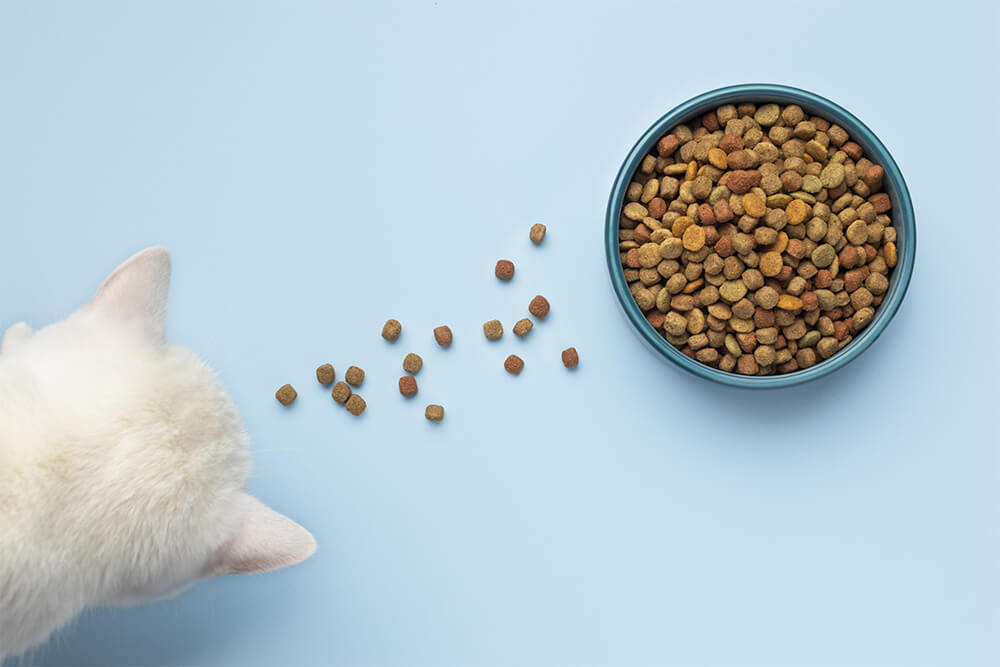
Dry cat food is convenient and easy to store. It lasts longer than other types. This food helps keep your cat’s teeth clean by reducing plaque. Dry food is often less expensive. It comes in many flavors and formulas for all cat ages. It is good for cats that like to nibble throughout the day. Dry food supports healthy digestion with its fiber content.
Wet Food Advantages
Wet cat food has high moisture content. It helps keep cats hydrated, which is good for their kidneys. The soft texture is easy to chew, especially for older cats. Wet food usually has strong aromas that cats enjoy. It often contains more protein and fewer carbs. Feeding wet food can help prevent urinary tract problems. It is ideal for picky eaters who need variety.
Raw And Homemade Diets
Raw and homemade diets offer fresh, natural ingredients. They give you control over what your cat eats. These diets can be rich in protein and nutrients. Preparing food at home ensures no artificial additives. Raw diets mimic what cats eat in the wild. It may improve coat shine and energy levels. Careful planning is needed to provide balanced meals. Consult a vet before starting these diets.
Reading Cat Food Labels
Reading cat food labels helps you pick the right nutrition for your pet. Labels give important details about what’s inside the food. Understanding these details can keep your cat healthy and happy.
Labels can seem confusing, but breaking them down makes it easier. Focus on three main parts: ingredient quality, guaranteed analysis, and additives or preservatives.
Ingredient Quality
Check the first few ingredients on the list. Ingredients are listed by weight from most to least. Meat, fish, or poultry as the first ingredient means good protein. Avoid foods with too many fillers like corn or wheat. Whole foods and named meats offer better nutrition.
Understanding Guaranteed Analysis
This section shows the minimum and maximum nutrient levels. Look for protein, fat, fiber, and moisture percentages. Cats need high protein and moderate fat for energy. Fiber helps digestion but should not be too high. Moisture content shows how much water is in the food.
Recognizing Additives And Preservatives
Some additives improve taste, texture, or shelf life. Natural preservatives like vitamin E and C are safer. Avoid artificial colors, flavors, and preservatives. These can cause allergies or health problems over time. Simple, natural ingredients support better health.
Common Dietary Concerns
Choosing the right cat food means knowing common dietary concerns. Cats have different needs based on health, age, and lifestyle. Understanding these concerns helps pick food that keeps cats healthy and happy.
Food Allergies And Sensitivities
Some cats have allergies to certain ingredients. These can cause itching, vomiting, or diarrhea. Common allergens include beef, dairy, and grains. Choose food labeled hypoallergenic or limited ingredient. This helps avoid reactions and keeps cats comfortable.
Weight Management
Overweight cats face health problems like diabetes and joint pain. Weight control food has fewer calories and more fiber. It helps cats feel full without overeating. Portion control and regular feeding times also support healthy weight.
Hydration Considerations
Cats often do not drink enough water. Dry food may increase the risk of dehydration. Wet food or adding water to dry food boosts hydration. Proper hydration supports kidney health and prevents urinary issues.
Selecting Food Based On Cat’s Lifestyle
Selecting the right food for your cat depends a lot on their lifestyle. Cats that live mostly indoors have different needs than those who roam outside. Their activity level also changes what kind of food suits them best. Feeding your cat according to their daily habits helps keep them healthy and happy.
Indoor Vs Outdoor Cats
Indoor cats move less and burn fewer calories. Their food should have fewer calories to prevent weight gain. These cats also need food that supports their immune system. Indoor cats face less risk of parasites but can get hairballs. Choose food with fiber to help digestion and reduce hairballs.
Outdoor cats are more active and need extra energy. Their food should have more protein and fat. This supports their muscles and keeps them strong. Outdoor cats also face more health risks. Food with added vitamins and minerals helps protect them.
Active Vs Sedentary Cats
Active cats need food that fuels their energy. High-protein diets are good for muscle growth and repair. Look for food rich in nutrients to support their busy lifestyle. Active cats also benefit from foods with omega fatty acids for healthy skin and coat.
Sedentary cats burn fewer calories and need less food. Overfeeding can lead to obesity and health problems. Choose food with balanced nutrients but fewer calories. Low-fat and high-fiber options help keep these cats fit. Portion control is important for sedentary cats to avoid weight gain.
Tips For Transitioning Cat Food
Changing your cat’s food needs care and attention. Sudden switches can upset your cat’s stomach. Follow these tips to help your cat adjust smoothly. A gentle transition keeps your cat happy and healthy.
Gradual Introduction
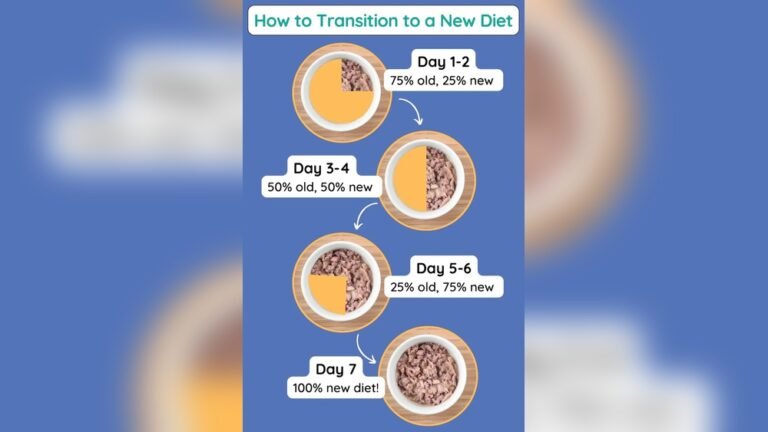
Start by mixing a small amount of new food with the old. Slowly increase the new food over 7 to 10 days. This helps your cat’s digestive system adapt. Watch if your cat eats the new mix well. Avoid sudden changes to prevent stomach problems.
Monitoring Reactions
Check for signs like vomiting, diarrhea, or loss of appetite. These may mean your cat is not adjusting well. Note any changes in energy or behavior too. If problems continue, slow down the transition or stop it. Consult a vet if your cat shows serious symptoms.
Consulting Your Veterinarian
Choosing the right food for your cat is important for its health. Your veterinarian knows your cat’s needs best. They can guide you to select food that fits your cat’s age, weight, and health condition. Talking to your vet helps avoid mistakes and keeps your cat happy.
When To Seek Advice
Visit your veterinarian before changing your cat’s diet. Ask for help if your cat has health problems. Sudden weight loss or gain is a sign to get advice. If your cat shows allergies or digestive issues, check with the vet. Regular check-ups are good times to discuss food choices.
Questions To Ask
Ask your vet what type of food suits your cat. Inquire about wet or dry food benefits. Check if your cat needs special diet food for health issues. Ask how much food your cat should eat daily. Learn about treats and snacks that are safe. Request tips on reading cat food labels correctly.

Credit: www.petsmart.com
Frequently Asked Questions
What Ingredients Should I Look For In Cat Food?
Choose cat food with high-quality protein, like chicken or fish. Avoid fillers such as corn or soy. Look for added vitamins and minerals for balanced nutrition.
How Do I Pick Food For A Cat’s Age?
Select cat food labeled for your cat’s life stage: kitten, adult, or senior. Each stage has specific nutritional needs for healthy growth and maintenance.
Is Wet Or Dry Cat Food Better For Cats?
Wet food provides more moisture, aiding hydration. Dry food is convenient and helps dental health. A mix of both can offer balanced benefits.
How Can I Identify Food Allergies In Cats?
Watch for itching, hair loss, vomiting, or diarrhea. If symptoms appear, consult a vet to test for food allergies and change your cat’s diet accordingly.
Conclusion
Choosing the right cat food keeps your pet happy and healthy. Check the ingredients carefully. Look for balanced nutrition that fits your cat’s age and needs. Avoid foods with too many fillers or artificial additives. Watch how your cat responds to new food.
Regular vet visits help adjust diet as needed. Feeding your cat well shows you care. Small changes can make a big difference. Keep learning about your cat’s health. Your effort means a longer, joyful life for your furry friend.