How Do I Teach My Cat Tricks: Simple Steps for Quick Success

Have you ever watched a cat perform a clever trick and wondered, “How do I teach my cat tricks?” It might seem impossible, but with the right approach, your furry friend can learn fun and impressive behaviors too.
Imagine the joy of seeing your cat respond to your commands or show off a new skill to your friends. You’ll discover simple, effective steps to train your cat, build a stronger bond, and make learning a fun experience for both of you.
Ready to unlock your cat’s hidden talents? Let’s dive in!

Credit: www.youtube.com
Preparing Your Cat
Teaching your cat tricks starts with proper preparation. Cats need a calm and safe space to learn new behaviors. Preparation helps your cat feel comfortable and ready to engage. It also makes training sessions more effective and fun.
Choosing The Right Environment
Pick a quiet room with few distractions. Avoid noisy places or areas with many people. The space should be familiar and comfortable for your cat. Close doors and windows to reduce outside noise. A calm environment helps your cat focus on training.
Gathering Training Supplies
Get small, tasty treats that your cat loves. Use soft toys or clickers if your cat responds well. Have a clicker ready if you plan to use clicker training. Keep everything within reach before starting the session. Simple supplies make training smoother and more enjoyable.
Setting Realistic Expectations
Cats learn at their own pace. Some may pick up tricks quickly. Others need more time and patience. Keep training sessions short, about five to ten minutes. Celebrate small successes. Patience and consistency lead to better results.
Basic Training Techniques
Teaching your cat tricks starts with basic training techniques. These methods help your cat learn in a fun and stress-free way. Cats respond well to clear signals and rewards. Patience and consistency are key to success.
Using Positive Reinforcement
Positive reinforcement means giving your cat a reward for good behavior. Rewards can be treats, pets, or gentle praise. This encourages your cat to repeat the action. Avoid punishment, as it can scare or confuse your cat.
Timing Your Rewards
Give rewards immediately after your cat performs the trick. Quick rewards help your cat connect the action with the treat. Delayed rewards may confuse your cat. Timing is important to build good habits.
Keeping Sessions Short
Keep training sessions short, around five to ten minutes. Cats have short attention spans and can get bored quickly. Short sessions make learning fun and effective. End on a positive note to keep your cat eager for next time.
Teaching Simple Tricks
Teaching your cat simple tricks builds trust and fun interaction. Cats learn best with short, clear sessions and tasty rewards. Keep training times brief to hold your cat’s attention. Use a calm voice and gentle touch for a positive mood. Patience helps your cat feel safe and willing to try new things.
Getting Your Cat To Sit
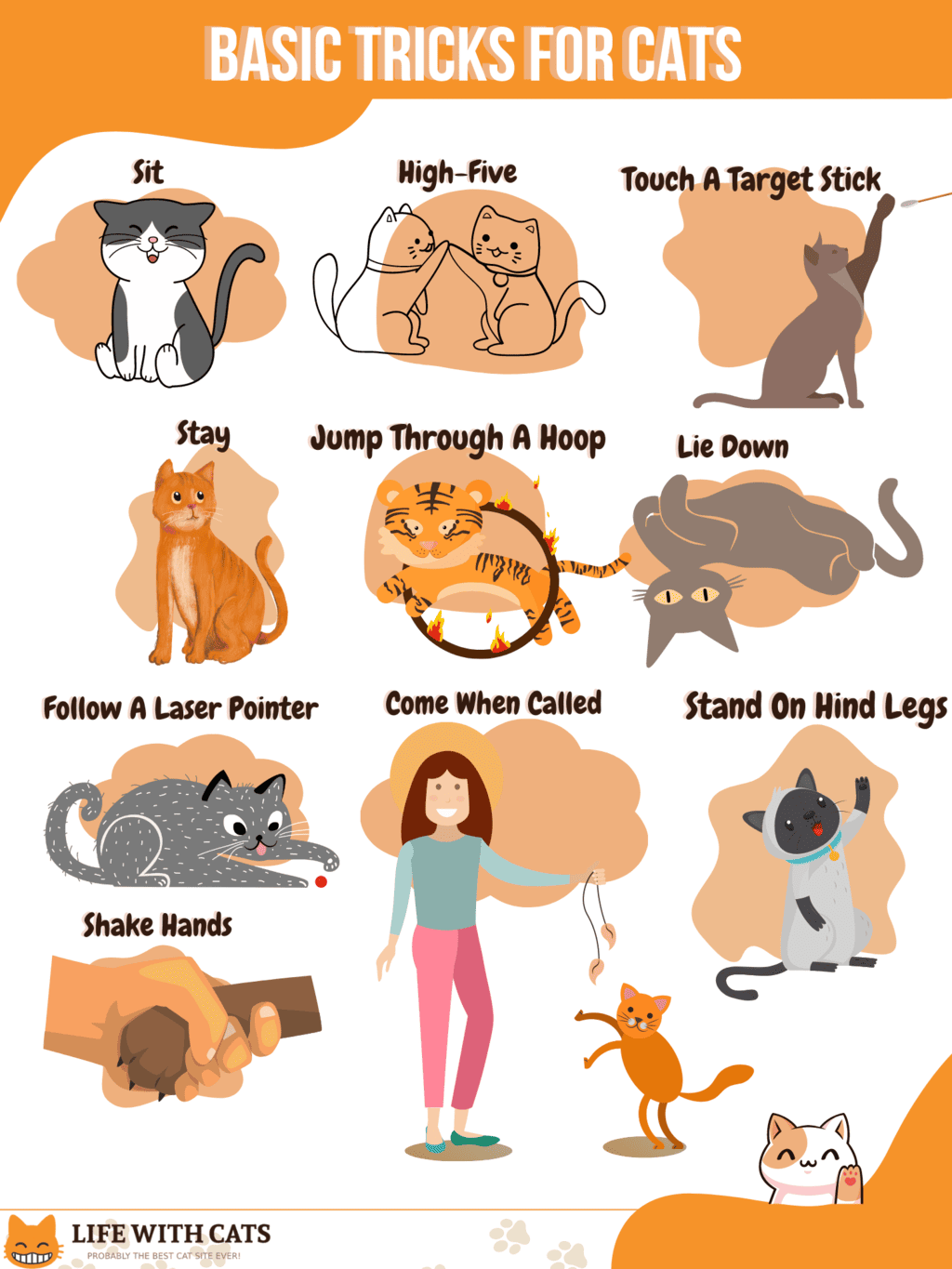
Start by holding a treat above your cat’s head. Move it slowly back toward their tail. Most cats will naturally lower their bottom to follow the treat. The moment your cat sits, say “sit” and give the treat. Repeat this several times a day for a few minutes. Soon, your cat will sit on command without the treat.
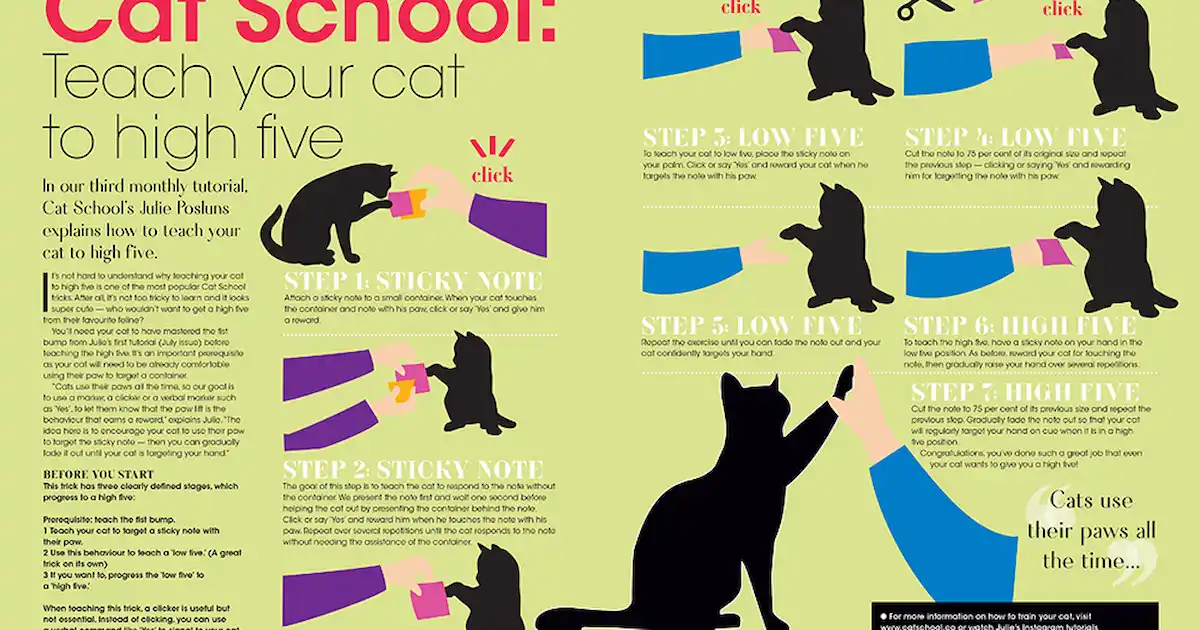
Encouraging High Five
Hold a treat in your hand and show it to your cat. Wait for your cat to touch your hand with a paw. As soon as the paw touches your hand, say “high five” and give the treat. Practice this several times during short sessions. Gradually, your cat will raise its paw on your command.
Training For Come When Called
Choose a simple word like “come” or your cat’s name. Call your cat in a happy, soft voice. When your cat comes to you, offer a treat and praise. Repeat this in different rooms to build the habit. Use short sessions and always reward your cat’s effort. This makes your cat more likely to respond each time.
Troubleshooting Common Issues
Teaching your cat tricks can be fun but challenging. Sometimes, things do not go as planned. Cats may get distracted or lose interest. Overtraining can also cause problems. Understanding these common issues helps you keep training on track.
Dealing With Distractions
Cats notice every little sound and movement. This can interrupt training sessions quickly. Choose a quiet room to train your cat. Remove toys or noises that might catch their attention. Keep sessions short to hold focus. Patience is key when distractions arise.
Handling Lack Of Interest
Not all cats are eager learners. Some may ignore commands or treats. Try different rewards like favorite treats or petting. Change the training location to a new, calm space. Use gentle encouragement and praise. Stop if your cat seems bored and try again later.
Avoiding Overtraining
Training too long can tire your cat. It may lead to frustration or refusal to participate. Keep sessions brief, about five to ten minutes. End on a positive note with a reward. Give your cat breaks between sessions. This helps maintain excitement and progress.
Advanced Tips For Success
Teaching your cat tricks takes patience and smart techniques. Once your cat learns basic tricks, try advanced tips for better success. These tips help keep training fun and effective. They also improve communication between you and your cat.
Building On Basic Tricks
Start by repeating simple tricks your cat already knows. Add small changes to make tricks harder. For example, teach your cat to sit for longer or follow your hand. Gradually increase the challenge without rushing. This keeps your cat interested and confident.
Using Clicker Training
Use a clicker to mark good behavior. The click sound tells your cat it did well. Follow the click with a treat or praise. This method helps your cat learn faster. It also makes training clear and consistent for your cat.
Incorporating Play And Exercise
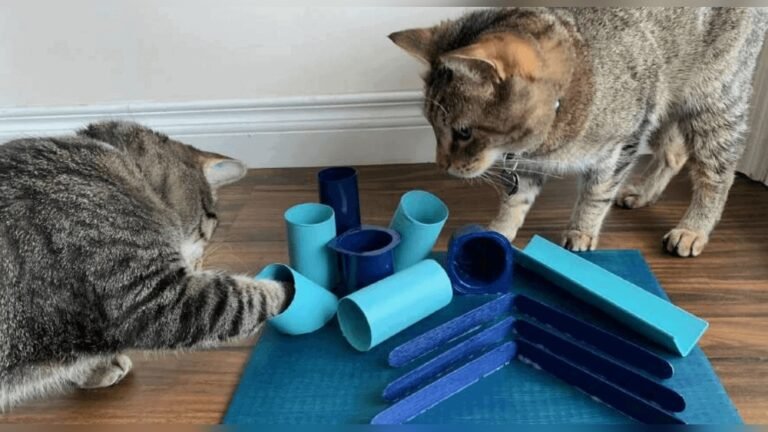
Mix training with playtime to keep your cat active. Use toys to encourage movement and focus. Exercise helps your cat stay healthy and alert. A tired cat learns tricks more easily. Short, fun sessions work best for training and play.
Credit: www.yourcat.co.uk
Credit: www.lifewithcats.tv
Frequently Asked Questions
How Long Does It Take To Teach A Cat Tricks?
Teaching a cat tricks varies by cat. Most cats learn basic tricks in 1-3 weeks. Consistency and patience speed up training. Short daily sessions work best. Reward-based training motivates cats effectively, helping them learn faster and retain tricks longer.
What Are The Easiest Tricks To Teach Cats?
Simple tricks like “sit,” “high five,” and “come” are easiest. Start with these basic commands before moving to complex tricks. Use treats as rewards to encourage quick learning. These tricks build trust and communication between you and your cat.
Can All Cats Learn Tricks Effectively?
Yes, all cats can learn tricks with the right approach. Some cats are more motivated by treats or play. Patience and positive reinforcement are key. Avoid forcing your cat; training should be fun and stress-free for best results.
What Tools Help In Teaching Cats Tricks?
Clickers, treats, and toys are effective training tools. Clickers mark the desired behavior instantly. Treats reward and motivate your cat. Toys engage your cat’s interest and make training enjoyable. These tools boost focus and speed in learning new tricks.
Conclusion
Teaching your cat tricks takes time and patience. Start with small steps and be consistent. Use treats and praise to encourage good behavior. Keep training sessions short to hold your cat’s attention. Remember, every cat learns at its own pace.
Enjoy the process and celebrate small wins together. Building trust helps your cat feel safe and eager to learn. With kindness and practice, your cat can learn fun tricks. Keep it simple and have fun along the way.