How Often Do Cats Die under Anesthesia: What You Must Know

If your cat needs surgery or a dental cleaning, you might be worried about anesthesia. You’re not alone—many pet owners wonder, “How often do cats die under anesthesia?” It’s a scary question because your cat is part of your family.
Understanding the risks and what affects them can help you feel more in control. Keep reading to learn the facts, so you can make the best choices for your furry friend’s safety and peace of mind.
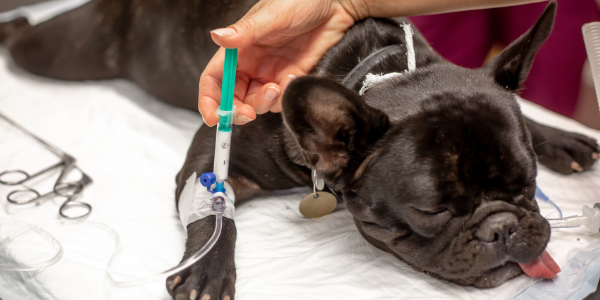
Credit: www.preventivevet.com
Risks Of Anesthesia In Cats
Anesthesia helps cats during surgeries and medical tests. It makes them sleep and feel no pain. But anesthesia can have risks. These risks are small but real. Understanding these risks helps pet owners feel calm and prepared.
Each cat reacts differently to anesthesia. Some cats have no problems. Others may face complications. Knowing what causes these problems is important for safety.
Common Causes Of Anesthesia Complications
Many problems come from how the body reacts to drugs. Some cats may have allergies to anesthesia medicines. Breathing can slow down or stop during anesthesia. Heart problems can also appear. Sometimes, the cat’s temperature drops too low. Each issue needs quick care to keep the cat safe.
Factors Increasing Risk In Cats
Older cats have a higher chance of problems. Cats with heart or lung disease are at more risk. Obesity makes anesthesia harder to manage. Stress and fear can affect how cats respond. Poor health and dehydration raise the risk too. The skill of the vet and equipment quality also matter.
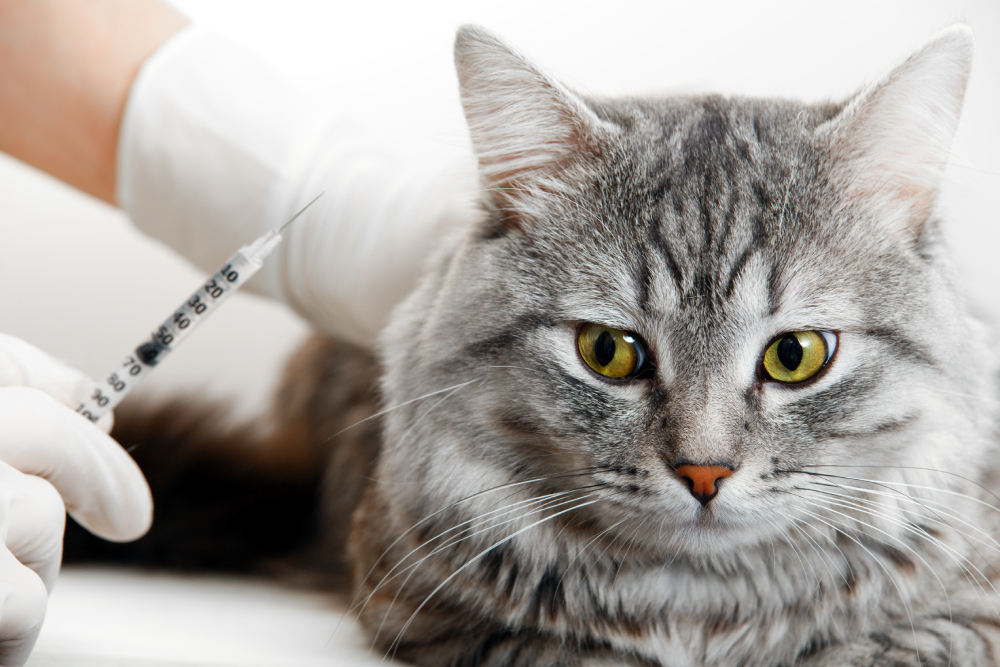
Credit: www.catster.com
Statistics On Cat Anesthesia Mortality
Cats sometimes need anesthesia for surgeries or tests. Many pet owners worry about the risks. Knowing the facts helps reduce fear. Studies show how often cats face problems during anesthesia. This data helps vets improve safety and care.
Mortality rates give a clear picture of risks. These rates come from many veterinary studies worldwide. They show how common death is during or after anesthesia. Understanding these numbers helps owners make informed decisions.
Mortality Rates In Veterinary Studies
Research shows cat anesthesia mortality rates range from 0.05% to 0.3%. This means 5 to 30 cats out of 10,000 may not survive. Most deaths happen in older cats or those with health issues. Healthy cats have a much lower risk. Advances in anesthesia make procedures safer every year.
Vets monitor cats closely to catch problems early. They use special drugs and equipment to reduce risks. Careful preparation before anesthesia also lowers chances of death.
Comparison With Other Pets
Cats have a slightly higher anesthesia risk than dogs. Dog mortality rates are around 0.05% to 0.17%. Small pets like rabbits and birds may face higher risks. Their bodies react differently to anesthesia drugs. Cats need special care because they are more sensitive.
Each species requires tailored anesthesia plans. Vets adjust doses and monitor differently based on the pet type. This helps keep all animals as safe as possible.
Pre-anesthesia Evaluation
Before a cat receives anesthesia, a careful check-up is needed. This step is called the pre-anesthesia evaluation. It helps the vet find any health problems. These problems might increase risks during surgery or other procedures. A good evaluation makes anesthesia safer for cats.
Health Checks And Tests
The vet starts with a physical exam. They check the cat’s heart, lungs, and overall condition. Blood tests help find hidden issues. These tests show liver and kidney health. They also check blood sugar and red blood cells. Sometimes, X-rays or an ECG are needed. These give a clear picture of the cat’s health.
Identifying High-risk Cats
Some cats have higher risks under anesthesia. Older cats or those with illnesses need extra care. Cats with heart, lung, or kidney problems are more at risk. Overweight cats or those with infections also need caution. The vet may adjust the anesthesia plan. This reduces risks and protects the cat’s life.
Anesthesia Procedures And Monitoring
Understanding anesthesia procedures and monitoring is key to knowing cat safety during surgery. Anesthesia helps cats stay still and pain-free while veterinarians work. It also carries some risks, but modern methods reduce them greatly.
Careful monitoring throughout the surgery keeps cats safe. Vets watch vital signs closely to catch any problems early. This helps reduce the chance of complications or death under anesthesia.
Types Of Anesthesia Used
Several types of anesthesia exist for cats. Injected anesthesia puts cats to sleep quickly. Gas anesthesia allows vets to control the depth of sleep easily. Often, vets combine both types for best results. Each option suits different surgeries and cat health conditions.
Monitoring Techniques During Surgery
Monitoring starts before anesthesia begins and continues throughout surgery. Vets check heart rate, breathing, and oxygen levels. Blood pressure and temperature also get tracked closely. Special machines and trained staff make sure cats stay stable. Constant monitoring helps spot any problems immediately.
Minimizing Anesthesia Risks
Minimizing anesthesia risks is very important for cats. Anesthesia can be safe, but it has some dangers. Taking steps before and during the procedure lowers these risks. Both cat owners and vets play key roles in keeping cats safe under anesthesia.
Preparation Tips For Cat Owners
Prepare your cat well before anesthesia. Follow all vet instructions about fasting. Do not feed your cat before the procedure. Give fresh water unless told not to. Keep your cat calm and rested. Share your cat’s health history with the vet. Mention any medicines or past reactions. Watch for signs of illness and tell the vet. This helps vets plan safe anesthesia.
Veterinary Best Practices
Vets use careful methods to reduce risks. They perform health checks before anesthesia. Blood tests may be done to check organs. Vets choose safe drugs based on your cat’s condition. They monitor your cat’s vital signs during the procedure. Equipment for emergency care is always ready. After anesthesia, vets watch your cat closely. This care helps catch problems early and keeps cats safe.

Credit: heartwoodanimalhospital.com
Signs Of Anesthesia Problems
Signs of anesthesia problems in cats are important to know. They help owners act quickly and protect their pets. Anesthesia affects each cat differently. Some cats recover smoothly, while others may show issues. Early signs can appear during recovery or soon after. Recognizing these signs can save a cat’s life.
Symptoms During Recovery
Watch for unusual breathing. Shallow or very fast breaths are a concern. Cats should slowly wake up and move. Weakness or inability to stand can indicate a problem. Vomiting or coughing is not normal. Bluish gums or tongue show low oxygen. Tremors or seizures need attention. The cat should respond to sounds and touch.
When To Seek Immediate Help
Call your vet if your cat stops breathing. Sudden collapse or unconsciousness is an emergency. Continuous vomiting or refusal to eat needs quick care. Bleeding from the mouth or nose is serious. If your cat’s gums stay pale or blue, get help. Any sudden change in behavior or movement is critical. Acting fast improves survival chances.
Frequently Asked Questions
How Risky Is Anesthesia For Cats During Surgery?
Anesthesia risk in cats is generally low with modern techniques. Factors like age, health, and procedure type affect safety. Veterinarians monitor vital signs closely to reduce complications. Always discuss risks with your vet before surgery for your cat’s safety.
What Factors Increase Anesthesia Death Risk In Cats?
Older age, existing health issues, and complex surgeries raise anesthesia risks. Poorly monitored anesthesia or improper drug dosage can also increase dangers. Selecting experienced veterinary professionals and pre-surgical health checks minimize these risks effectively.
How Can I Reduce My Cat’s Anesthesia Risks?
Ensure your cat has a full health exam before surgery. Follow pre-surgery fasting and medication instructions from your vet. Choose a skilled veterinarian who uses advanced monitoring equipment during anesthesia for safer outcomes.
What Signs Indicate Anesthesia Complications In Cats?
Watch for breathing difficulties, pale gums, or unresponsiveness post-anesthesia. Excessive bleeding or prolonged recovery time can also signal problems. Immediate veterinary attention is crucial if any unusual signs appear after anesthesia.
Conclusion
Cat anesthesia carries some risks but deaths are very rare. Vets take many steps to keep cats safe during surgery. They monitor heart rate, breathing, and oxygen closely. Most cats wake up quickly and without problems. Knowing the risks helps you feel more prepared and calm.
Always ask your vet about the procedure and safety measures. Careful planning and skilled care make a big difference. Your cat’s health and comfort stay the top priority. Trust the experts and focus on recovery after anesthesia.