How to Teach Cat to Cover Poop: Easy Steps for Clean Litter Habits

If you’ve ever noticed your cat leaving their litter box without covering their poop, you know how frustrating it can be. You want your home to stay clean and odor-free, but your furry friend seems to have other ideas.
What if you could teach your cat to cover their waste every time? It’s easier than you think, and with a few simple steps, you can enjoy a fresher home and a happier pet. Keep reading to discover how you can guide your cat to cover their poop like a pro—your nose will thank you!
Cat Litter Basics
Teaching a cat to cover its poop starts with understanding the basics of cat litter. Cats have natural habits about where and how they go to the bathroom. Setting up the right litter environment helps them feel comfortable and encourages good habits. The litter type, box placement, and cleanliness are key parts of this process.
Choosing The Right Litter
Select a litter that feels soft and natural under your cat’s paws. Clumping litter makes cleaning easier and helps control odor. Avoid scented litters, as strong smells can bother cats. Try a few types to see which your cat prefers.
Litter Box Placement
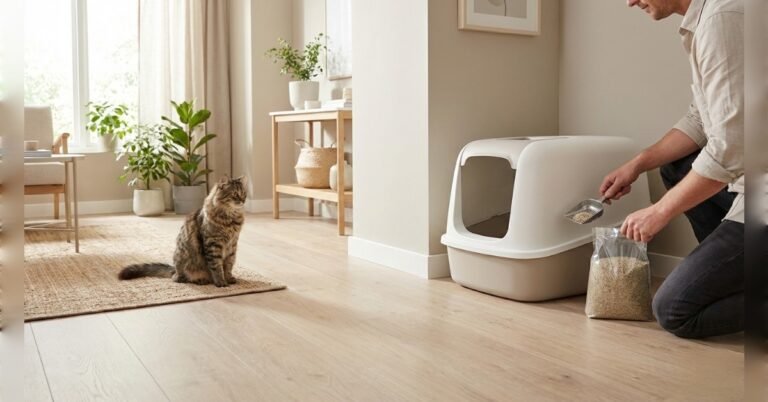
Place the litter box in a quiet, low-traffic area. Cats like privacy but also need easy access. Avoid noisy spots near appliances or busy doors. Keep the box away from their food and water bowls to encourage use.
Maintaining Cleanliness
Scoop the litter box daily to keep it fresh and inviting. Wash the box with mild soap and water every week. Dirty boxes can stop cats from covering their waste. Clean litter helps your cat stick to good habits.
Cat Behavior And Instincts
Cats have strong instincts that guide their behavior. These instincts come from their wild ancestors. Understanding these natural behaviors helps you teach your cat better. Covering poop is one such instinct linked to survival and cleanliness. Some cats show this behavior naturally. Others might need gentle guidance to learn.
Natural Covering Instincts
Cats bury their waste to hide their scent from predators. This behavior is common in wild cats. It keeps them safe in nature. Domestic cats keep this habit, even if they live indoors. Covering poop also keeps their space clean. It helps avoid attracting other animals or pests. Most cats instinctively scratch and cover after using the litter box. This shows they feel secure and comfortable.
Reasons Cats Might Not Cover Waste
Some cats do not cover their poop. Stress or anxiety can cause this change. A dirty litter box can also stop them from covering. Some cats dislike the texture of the litter. Older cats or those with health problems may find it hard to cover. Changes in environment can confuse cats. Lack of training can also be a reason. Identifying the cause helps in teaching your cat to cover waste.
Training Steps
Teaching your cat to cover their poop takes patience and clear steps. The key is to guide your cat gently toward the right behavior. Use simple methods that your cat can understand. Consistency helps your cat learn faster.
Encouraging Covering Behavior
Start by giving your cat a clean litter box. Cats like to cover their waste in fresh litter. Show your cat how to scratch the litter after using it. You can gently place their paws in the litter. Let your cat explore the litter texture. This builds a good habit of covering poop.
Using Positive Reinforcement
Praise your cat when it covers its poop. Use soft words or gentle petting as rewards. Treats work well to encourage good behavior. Reward your cat immediately after covering. This helps your cat connect the action with the reward. Positive reinforcement makes learning enjoyable for your cat.
Correcting Unwanted Habits
If your cat does not cover poop, stay calm. Do not punish or scare your cat. Gently guide your cat back to the litter box. Clean the litter box regularly to avoid bad smells. Avoid using strong cleaners that may upset your cat. Correcting habits takes time and patience.
Common Challenges
Teaching a cat to cover its poop can be tricky. Many cat owners face common challenges that slow progress. Understanding these problems helps find better solutions. Patience and observation are key to success.
Health Issues Affecting Behavior
Some cats do not cover their poop due to health problems. Constipation or diarrhea can make them uncomfortable. Pain during bathroom use may cause avoidance. Visit a vet to rule out illness first. Treating health issues often improves litter habits.
Litter Box Aversion
Cats may dislike their litter box for many reasons. Dirty boxes often repel cats from covering waste. Some cats dislike certain litter types or scents. The box’s location might feel unsafe or noisy. Keep the box clean and quiet. Try different litter materials to find a favorite.
Dealing With Multiple Cats
Multiple cats can cause litter box stress. Some cats guard the box or act territorial. Competition may stop cats from covering their waste. Provide enough boxes—one per cat plus one extra. Place boxes in different quiet areas. This reduces stress and encourages proper behavior.
Tips For Long-term Success
Teaching your cat to cover its poop takes patience and care. Success happens over time. Small steps every day help your cat learn well.
Keep these tips in mind to make the training last. They help keep your cat happy and clean for years.
Consistent Routine
Set a regular time to check the litter box. Cats like routine and feel safe with it. Clean the box daily to keep it fresh. Use the same type of litter your cat prefers. This makes covering poop easier for your cat.
Monitoring Changes
Watch your cat’s behavior closely. Notice if they stop covering poop suddenly. Changes can mean stress or health problems. Keep track of any new habits. This helps catch issues early.
When To Seek Professional Help
Sometimes your cat may need extra help. If your cat never learns or stops covering poop, talk to a vet. Health issues can affect litter habits. A vet can offer advice and treatment. Don’t wait too long to ask for help.
Frequently Asked Questions
How To Teach A Cat To Cover Its Poop?
Start by using a clean litter box with enough litter. Gently place your cat’s paws in the litter after they poop. Praise and reward your cat when it covers waste. Consistency and patience are key to teaching this behavior.
Why Won’t My Cat Cover Its Poop?
Cats may avoid covering poop due to stress, illness, or dirty litter boxes. Ensure a clean environment and proper litter type. Consult a vet if behavior persists, as it may signal health issues.
What Type Of Litter Encourages Covering Behavior?
Fine-grained, clumping litter mimics natural soil and encourages digging. Avoid scented or rough-textured litter, which can deter cats. Experiment with different litter types to find your cat’s preference.
How Long Does It Take To Teach A Cat This Habit?
Teaching a cat to cover poop usually takes a few days to weeks. Consistent training, positive reinforcement, and patience help speed up learning. Each cat learns at its own pace.
Conclusion
Teaching your cat to cover poop takes time and patience. Keep the litter box clean and easy to reach. Praise your cat gently when it covers its waste. Small steps lead to good habits. Your cat will learn with calm and consistent care.
Enjoy a cleaner home and a happier pet. This simple training makes life better for both of you. Stay patient and positive throughout the process. Success will come, one small step at a time.