How to Get Cats to Stop Scratching Walls: Easy & Effective Tips

Is your cat turning your walls into their personal scratching post? You’re not alone, and it can be really frustrating to see your home damaged.
But don’t worry—there are simple, effective ways to stop this behavior without upsetting your furry friend. You’ll discover easy steps to protect your walls and keep your cat happy. Keep reading to learn how you can save your home and strengthen the bond with your pet at the same time.
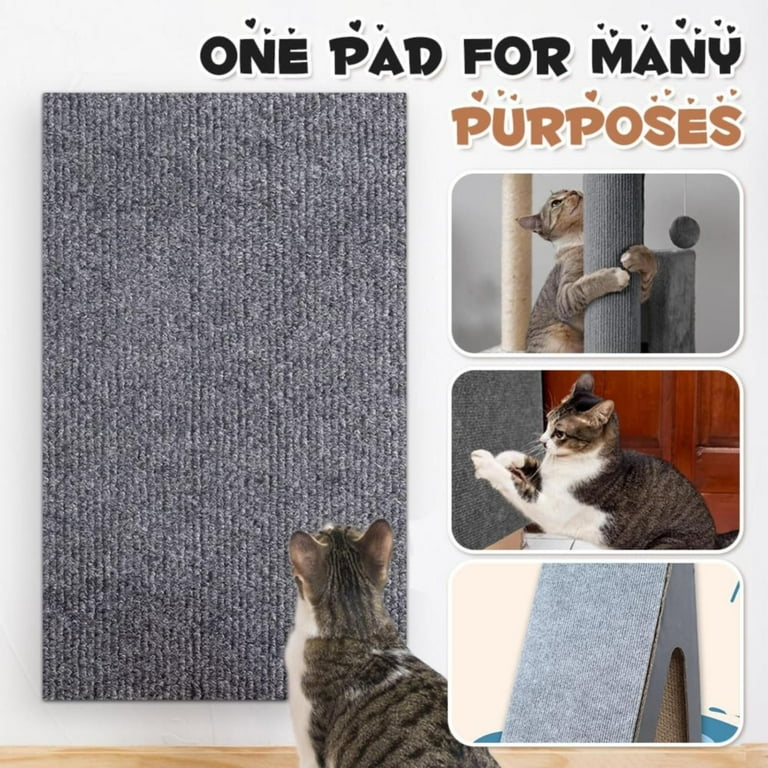
Credit: www.walmart.com
Why Cats Scratch Walls
Cats scratching walls can be confusing for many pet owners. Understanding why cats do this helps stop the behavior. Scratching is normal for cats, but walls are not the best place. Knowing the reasons behind this habit leads to better solutions.
Natural Instincts Behind Scratching
Scratching is a natural action for cats. It helps keep their claws sharp and healthy. Cats also stretch their muscles while scratching. This behavior is part of their wild instincts. It feels good and keeps them active.
Marking Territory
Cats scratch to mark their space. Their paws release special scents. These scents tell other cats this is their area. Walls often become spots for leaving these marks. This helps cats feel safe and secure in their home.
Stress And Boredom Factors
Stress can make cats scratch more than usual. Changes in the home or loud noises cause anxiety. Boredom also leads to scratching walls. Cats need play and attention to stay happy. Without this, they find other ways to release energy.
Identifying Problem Areas
Identifying problem areas is the first step to stop cats from scratching walls. Understanding where and why your cat scratches helps you protect your home. It also keeps your cat happy and healthy. This section explains how to find spots your cat targets.
Common Wall Damage Spots
Cats often scratch near doors and corners. These spots have rough edges that attract claws. Areas near cat beds or favorite resting places also get scratched. Look for places with visible marks or paint peeling.
Walls close to furniture or windows are common too. Cats scratch to stretch or mark territory. Check areas where your cat spends most time.
Signs Your Cat Is Scratching Walls
Scratched walls have visible claw marks and chipped paint. You might see tiny bits of drywall or paint flakes on the floor. Sometimes, the wall feels rough or uneven to touch.
Listen for scratching sounds, especially near quiet spots. Your cat may also leave scent marks near these areas. Watch your cat’s behavior to catch scratching early.
Protecting Your Walls
Protecting your walls from cat scratching saves your home’s look and your nerves. Cats scratch to mark territory and keep claws sharp. Walls often become their target. Using smart tools and methods helps keep walls safe without hurting your cat. Here are some easy ways to protect your walls effectively.
Using Protective Covers
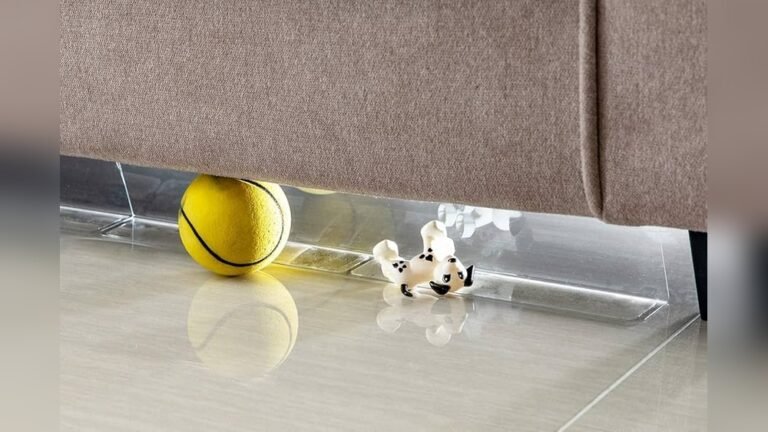
Protective covers act as a barrier between your cat’s claws and the wall. Clear plastic sheets or vinyl protectors stick to walls easily. They prevent damage while letting your wall show through. Covers are simple to clean and remove. Place them in areas your cat scratches most. This method keeps walls safe and looks neat.
Applying Deterrent Sprays
Deterrent sprays keep cats away from walls. These sprays have smells cats dislike but are safe. Spray them on the scratched area or around it. The scent stops cats from returning to scratch. Reapply the spray regularly for best effect. Use sprays designed for pets to avoid harm.
Wall Treatments That Resist Scratching
Special wall treatments can make surfaces tough against scratching. Textured paints and coatings add a strong layer. These treatments reduce damage from claws over time. Choose paints labeled scratch-resistant or pet-friendly. They help maintain your wall’s look while keeping cats happy.
Redirecting Scratching Behavior
Redirecting scratching behavior helps protect your walls and keeps your cat happy. Cats scratch to mark territory, stretch muscles, and sharpen claws. Offering proper outlets guides them away from walls. This approach respects your cat’s nature while saving your home from damage.
Providing Scratching Posts
Scratching posts give cats a safe place to scratch. Place posts near the scratched walls. This makes it easy for cats to switch spots. Use sturdy posts that won’t fall over. Cats prefer tall posts to stretch their whole body.
Choosing The Right Materials
Cats like different textures for scratching. Sisal rope and cardboard are popular choices. Soft fabrics or wood usually do not attract cats. Test different materials to find what your cat likes best. This keeps cats interested and less likely to scratch walls.
Encouraging Use With Catnip And Toys
Sprinkle catnip on scratching posts to attract your cat. Move toys around the post to create fun. Playtime near the post helps cats learn to use it. Praise your cat when it uses the post. This makes scratching posts a positive place for cats.
Training And Positive Reinforcement
Training your cat with positive reinforcement is an effective way to stop wall scratching. Cats learn best through rewards and gentle guidance. This method builds trust and helps your cat understand what behavior is acceptable. Patience and care are key to success.
Rewarding Good Behavior
Give your cat treats or praise when it scratches a proper surface. Use scratching posts or pads near the walls your cat likes. Offer a small treat or pet your cat when it uses these. Rewards encourage your cat to repeat good behavior.
Discouraging Scratching Walls Gently
Use a firm but calm voice to say “no” if your cat scratches walls. Avoid yelling or punishment. Place double-sided tape or a pet-safe deterrent on walls to make scratching less fun. Redirect your cat to a scratching post immediately after.
Consistency In Training
Always reward good behavior and discourage wall scratching the same way. Train your cat daily for short sessions. Consistent actions help your cat learn faster. Everyone in the household should follow the same rules for best results.
Addressing Stress And Anxiety
Cats often scratch walls because they feel stressed or anxious. Stress makes cats act out in ways that seem puzzling. Understanding and reducing stress helps stop unwanted scratching. Creating a calm space and offering distractions can ease their anxiety. Using safe calming products supports a peaceful mood. These steps help cats feel secure and happy.
Creating A Calm Environment
Keep your home quiet and peaceful for your cat. Loud noises and sudden changes increase stress. Provide a cozy spot where your cat can hide and relax. Soft bedding and gentle lighting help create comfort. Avoid clutter and strong smells in your cat’s area. A calm space lowers anxiety and reduces scratching.
Interactive Play And Exercise
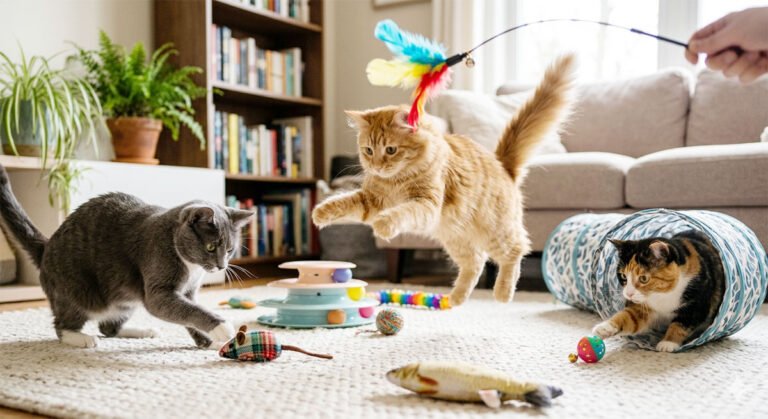
Play helps cats release nervous energy safely. Use toys like feathers, balls, or laser pointers. Short, frequent play sessions keep cats engaged and tired. Exercise reduces boredom and stress, which cause scratching. Play also strengthens your bond and builds trust. Active cats are less likely to scratch walls.
Using Calming Products
Calming products can soothe anxious cats. Try pheromone diffusers that mimic natural cat scents. These signals tell your cat it is safe. Herbal sprays or collars with calming herbs may help. Always choose products made for cats and check for safety. Calming aids support your efforts to stop scratching.
When To Consult A Vet Or Behaviorist
Sometimes, cats scratch walls more than usual. This behavior might be a sign of stress, pain, or illness. Knowing when to seek expert advice helps keep your cat healthy and your home safe. Experts can find causes that are not obvious.
Signs Of Excessive Scratching
Watch for deep scratches that cause bleeding or pain. If your cat scratches walls many times a day, it may show stress. Sudden changes in scratching habits also need attention. Look for other signs like hiding, loss of appetite, or aggression. These signs point to possible health or behavior problems.
Professional Help Options
Veterinarians check for physical problems like skin allergies or injuries. They can treat medical issues causing the scratching. Animal behaviorists focus on mental health and habits. They suggest ways to reduce stress and change behavior. Both experts work together to find the best solution. Early help stops the problem from getting worse.
Credit: www.chewy.com

Credit: www.reddit.com
Frequently Asked Questions
Why Do Cats Scratch Walls Indoors?
Cats scratch walls to mark territory and sharpen claws. It also relieves stress and stretches muscles. Understanding this behavior helps in addressing it effectively.
How Can I Protect Walls From Cat Scratching?
Use protective wall covers or double-sided tape on scratched areas. Provide alternative scratching posts nearby to redirect your cat’s behavior effectively.
What Types Of Scratching Posts Do Cats Prefer?
Cats prefer tall, sturdy posts with rough textures like sisal. Vertical and horizontal posts offer variety, keeping cats engaged and less likely to scratch walls.
Can Scent Deterrents Stop Cats From Scratching Walls?
Yes, citrus or eucalyptus scents deter cats from walls. Use sprays or place scented objects near scratched areas to discourage unwanted scratching efficiently.
Conclusion
Stopping cats from scratching walls takes patience and care. Provide your cat with good scratching posts and toys. Cover walls with protective materials or use safe sprays. Praise your cat when it uses the right spot. Keep their claws trimmed to reduce damage.
Small steps lead to big changes in behavior. Your cat will learn better habits over time. Enjoy a home without scratched walls and happy cats.