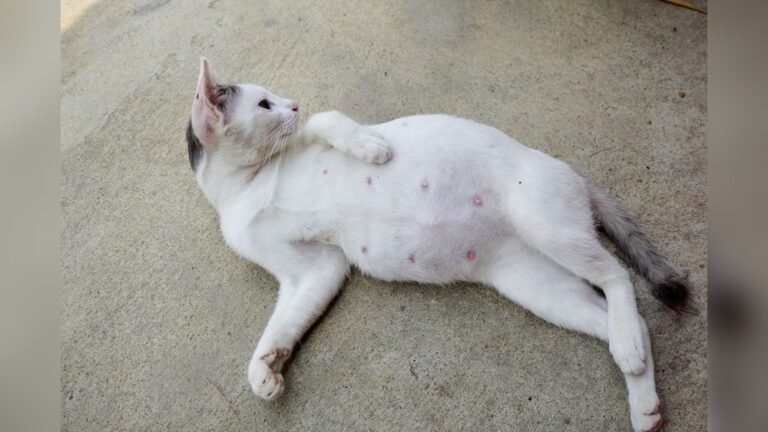
How to Stop Kitten from Nursing on Itself: Effective Tips

Is your kitten constantly nursing on itself, leaving you worried and unsure what to do? You’re not alone.
This behavior can be confusing and even concerning, but there are simple steps you can take to help your furry friend break the habit. Imagine a calm, happy kitten that isn’t stressed or hurting itself—sounds great, right? Keep reading to discover easy and effective ways to stop your kitten from nursing on itself and give your pet the comfort it truly needs.
Reasons For Self-nursing
Kittens sometimes nurse on themselves. This behavior may seem strange but it has clear reasons. Understanding why kittens do this helps in guiding them to stop. Self-nursing is often linked to comfort, stress, and habit. Let’s explore these reasons.
Comfort And Security
Kittens find comfort in self-nursing. It reminds them of their mother’s warmth. This action helps them feel safe and calm. Especially in new or quiet places, self-nursing soothes them. It acts like a security blanket.
Stress And Anxiety
Stress can cause kittens to nurse on themselves. Changes in their environment may trigger this. Loud noises or new people can make them anxious. Nursing helps reduce their stress levels. It is a way to cope with fear.
Habit Formation
Some kittens develop a habit of self-nursing early. They start as babies and continue as they grow. The habit becomes a natural action to calm down. Breaking this habit needs patience and gentle training. Understanding this habit is the first step.
Identifying The Behavior
Recognizing when a kitten is nursing on itself is the first step to helping it stop. This behavior can confuse pet owners. Understanding the signs and the reasons behind it helps address the issue properly.
Signs Of Self-nursing
The kitten licks or sucks its own fur or paws. It often focuses on one spot, creating a bald patch. You may see the kitten biting its skin gently. Sometimes, it repeats this action many times in a row. The kitten might seem restless or anxious during this behavior. Watch for these clear signs to know if your kitten is self-nursing.
Age And Development Factors
Young kittens often nurse on themselves after weaning. This usually happens between six to eight weeks old. It is a comfort habit they develop early. Older kittens may stop this behavior naturally as they grow. If it continues past three months, it could signal stress or boredom. Knowing the kitten’s age helps decide the right approach to stop self-nursing.
Creating A Calming Environment
Creating a calming environment helps stop a kitten from nursing on itself. A peaceful space makes kittens feel safe and relaxed. This comfort lowers their stress and reduces the urge to nurse on themselves.
Safe And Cozy Spaces
Provide a warm, quiet spot for your kitten to rest. Soft bedding and a small shelter make them feel secure. Avoid loud noises and sudden movements near this area. Keep the space clean and free from clutter. A calm place helps your kitten relax and heal naturally.
Reducing Stress Triggers
Identify things that upset your kitten. Loud sounds, unfamiliar people, or other pets can cause stress. Limit these triggers as much as possible. Use gentle voices and slow movements around your kitten. Give them quiet time to calm down. Less stress means less need to nurse for comfort.
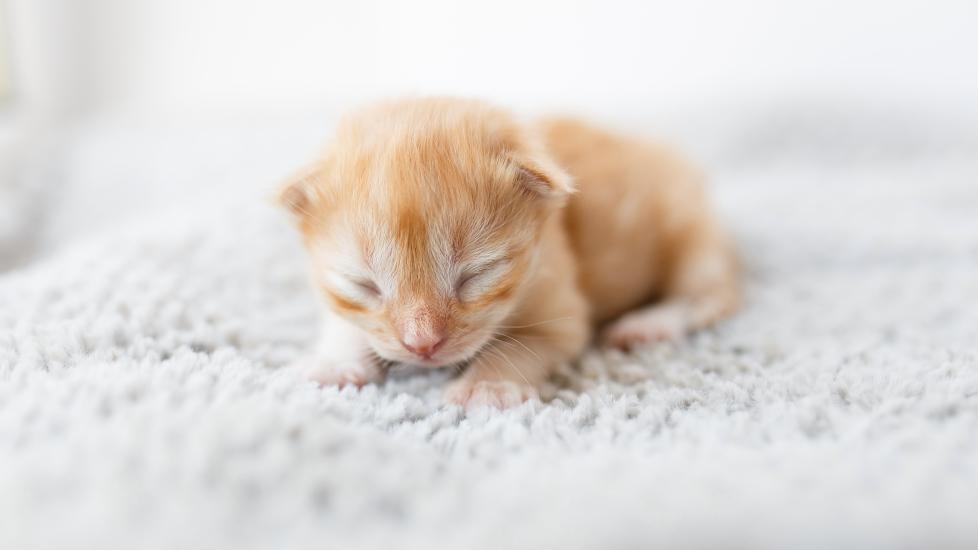
Credit: www.petmd.com
Providing Alternatives
Providing alternatives helps stop a kitten from nursing on itself. It gives the kitten other ways to feel comfort and stay busy. This reduces the urge to nurse its own fur or skin. Offering the right toys and activities supports healthy behavior. It also strengthens the bond between you and your kitten.
Appropriate Toys And Chew Items
Choose soft, safe toys for your kitten to chew on. Small plush toys or rubber teething rings work well. These items satisfy the kitten’s need to chew and suck. Avoid toys that can break or have small parts. Replace toys often to keep the kitten interested. Chew items help reduce stress and prevent nursing habits.
Encouraging Play And Interaction
Playtime keeps your kitten active and distracted. Use feather wands or laser pointers to engage your kitten. Short, frequent play sessions work best for young kittens. Interaction helps the kitten use its energy in a good way. It also builds trust and reduces anxiety. A busy kitten is less likely to nurse itself.
Behavioral Training Techniques
Behavioral training techniques help change your kitten’s habits gently. These methods focus on teaching your kitten new behaviors. Training builds trust and reduces unwanted nursing on itself. Patience and consistency are key to success.
Positive Reinforcement
Reward your kitten for good behavior. Use treats or gentle praise when it stops nursing. This encourages your kitten to repeat the good action. Avoid punishment; it can cause fear or stress. Positive reinforcement creates a safe learning environment.
Redirecting Attention
Distract your kitten with toys or playtime. Offer a soft toy to nibble instead of nursing. Change your kitten’s focus to fun activities. Redirection helps break the habit without stress. Keep toys nearby for easy access during urges.
Consistent Routine
Set fixed times for feeding and play. A steady schedule makes your kitten feel secure. Consistency reduces anxiety that may cause nursing. Regular routines help your kitten understand expectations. Stick to the plan every day without fail.
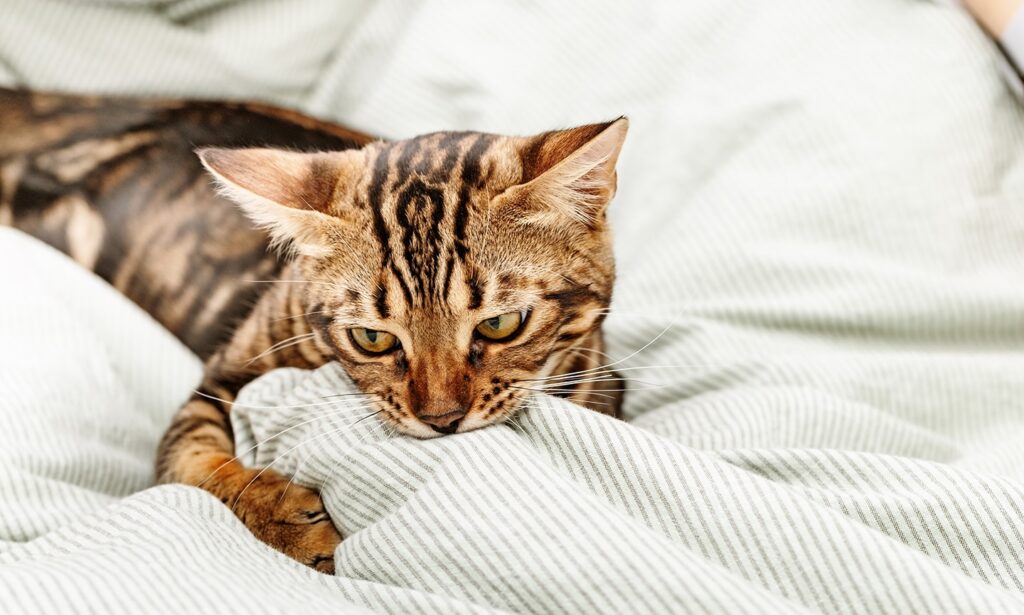
Credit: www.chewy.com
When To Consult A Veterinarian
Knowing when to seek veterinary advice helps keep your kitten safe and healthy. Some kitten behaviors need professional attention. Not every case of self-nursing is normal. Early consultation prevents serious problems. Watch for signs that need expert care. Your vet can guide you on the best steps. Never ignore persistent or worrying behavior.
Health Concerns
Self-nursing might signal health issues. Skin infections or wounds can cause this behavior. Pain or irritation may lead your kitten to nurse itself. Parasites like fleas can also trigger nursing. Your vet can check for infections or injuries. Untreated problems might worsen quickly. A physical exam helps find hidden conditions. Treating health problems stops self-nursing caused by discomfort.
Persistent Behavioral Issues
Some kittens keep nursing themselves despite your efforts. This habit may become harmful or obsessive. Persistent nursing can cause skin damage or sores. Behavioral problems might need special care or therapy. Your vet can suggest behavior modification techniques. They might recommend calming products or environmental changes. Ignoring persistent issues risks long-term harm. Professional advice ensures your kitten’s well-being and comfort.

Credit: petset.com
Frequently Asked Questions
Why Is My Kitten Nursing On Itself?
Kittens may nurse on themselves due to stress, boredom, or comfort seeking. It can also indicate nutritional deficiencies or anxiety. Understanding the cause helps in addressing the behavior effectively.
How Can I Stop My Kitten From Self-nursing?
Distract your kitten with toys and playtime to reduce boredom. Provide comfort through petting and ensure a balanced diet. Consistency and patience are key to breaking this habit.
Is Self-nursing Harmful To Kittens?
Excessive self-nursing can cause skin irritation or infections. It may also lead to behavioral issues if left unaddressed. Monitoring your kitten’s health and behavior is important for their well-being.
When Should I Consult A Vet About Nursing Behavior?
Consult a vet if self-nursing causes wounds or persists despite interventions. A vet can rule out medical issues and recommend treatment or behavioral therapies to help your kitten.
Conclusion
Stopping a kitten from nursing on itself takes time and care. Watch your kitten’s behavior and gently redirect it. Offer toys or soft blankets to comfort them. Keep your kitten busy with play and attention. Be patient, as habits do not change overnight.
Small steps lead to big improvements. Your kitten will grow happier and healthier. Caring for your kitten this way builds trust and love. Stay calm and consistent throughout the process. Soon, your kitten will stop nursing on itself naturally.