How to Stop a Cat from Shedding So Much: Easy Tips That Work

Is your cat leaving fur all over your clothes, furniture, and floors? You’re not alone.
Shedding can be frustrating, but there are simple ways to reduce it and keep your home cleaner. Imagine spending less time cleaning and more time enjoying your furry friend. You’ll discover easy, effective tips to stop your cat from shedding so much.
Keep reading to find out how you can take control and make shedding a thing of the past.
Why Cats Shed
Cats shed their fur as a normal process. It helps them stay healthy and comfortable. Shedding removes old or damaged hair. It also helps cats adjust to changes in weather. Understanding why cats shed can help reduce the mess and keep your pet happy.
Natural Shedding Cycle
Shedding happens in cycles. Cats lose old hair to make room for new fur. This cycle changes with the seasons. In spring and fall, cats shed more. This helps them get ready for warmer or cooler weather. The fur grows thicker in winter and lighter in summer.
Factors That Increase Shedding
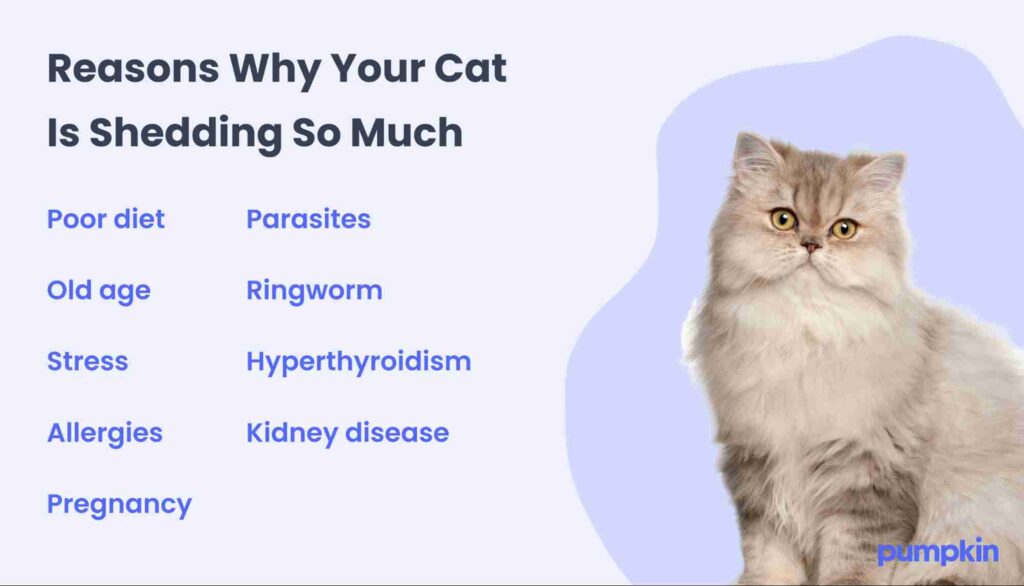
Some things make cats shed more than usual. Stress can cause extra hair loss. Poor diet affects the skin and fur. Allergies or skin problems also increase shedding. Indoor cats may shed differently than outdoor cats. Regular brushing can help manage shedding and keep fur healthy.
Grooming Techniques To Reduce Shedding
Grooming is a key way to reduce cat shedding. Regular care helps remove loose fur before it falls around the house. It also keeps your cat’s coat healthy and shiny. Simple grooming habits can make a big difference in shedding.
Focus on brushing and bathing routines. These methods help control shedding and keep your cat comfortable. Use the right tools and techniques to make grooming easy and effective.
Brushing Frequency And Tools
Brush your cat often to catch loose hair early. For short-haired cats, brush 2-3 times a week. Long-haired cats need daily brushing to stop mats and tangles.
Choose brushes designed for your cat’s fur type. Slicker brushes work well for long hair. Rubber brushes suit short, smooth coats. Use gentle strokes to avoid hurting your cat’s skin.
Bathing Tips For Cats
Bathe your cat only when necessary, about once a month. Use a cat-safe shampoo to avoid skin irritation. Rinse well to remove all soap, as residue can cause itching.
Dry your cat completely with a towel after the bath. Warm water and gentle handling help your cat stay calm. Bathing removes dirt and loose fur, reducing shedding naturally.
Diet And Nutrition Impact
Diet and nutrition play a big role in how much your cat sheds. A healthy diet helps keep fur strong and shiny. Poor nutrition can cause dry skin and more shedding. Feeding the right foods supports your cat’s skin and coat health. It also reduces loose hair and dandruff. Understanding what your cat needs can help control shedding naturally.
Foods That Promote Healthy Fur
Protein is key for healthy fur. Cats need meat-based protein for strong hair. Fish like salmon and tuna have omega-3 fatty acids. These fats reduce inflammation and dry skin. Eggs provide biotin, which helps skin and coat health. Fresh vegetables and fruits add vitamins and antioxidants. These nutrients protect skin cells and promote new hair growth.
Supplements To Consider
Omega-3 supplements can improve your cat’s coat. They soothe irritated skin and reduce hair loss. Fish oil capsules are a common choice. Vitamin E supports skin repair and moisture. Zinc helps with skin healing and fur strength. Always check with a vet before starting supplements. The right dose keeps your cat safe and healthy.

Credit: www.reddit.com
Environmental Changes
Environmental changes can help reduce your cat’s shedding. Cats react to their surroundings. Small adjustments can make a big difference. Focus on making your home comfortable and calm for your cat.
Humidity And Temperature Control
Dry air makes cat fur fall out more. Use a humidifier to add moisture to the air. Keep the room temperature steady, not too hot or cold. A cool and moist environment helps keep your cat’s skin healthy. This lowers shedding and itching.
Creating A Stress-free Space
Stress causes cats to shed more fur. Make a quiet area where your cat feels safe. Soft bedding, toys, and hiding spots work well. Avoid loud noises and sudden changes in the home. A calm space helps your cat relax and shed less.
Health Issues That Cause Excessive Shedding
Excessive shedding in cats can signal health problems. Not all shedding is normal. Some issues need quick attention to keep your cat healthy. Understanding health causes helps you act fast.
Allergies And Skin Conditions
Allergies can cause your cat to shed more than usual. Cats react to certain foods, pollen, or dust mites. This reaction leads to itchy skin and hair loss. Skin conditions like mites or fungal infections also cause heavy shedding. Your cat may scratch or bite often. Red, flaky, or bald patches on the skin are common signs. Treating allergies or skin problems reduces shedding and improves comfort.
When To Visit The Vet
Visit the vet if shedding is sudden or severe. Watch for changes in your cat’s skin or behavior. Loss of appetite, lethargy, or constant scratching are warning signs. The vet will check for allergies, infections, or other diseases. Early diagnosis helps prevent serious problems. Timely treatment stops excessive shedding and protects your cat’s health.

Credit: www.youtube.com
Cleaning Tips For Cat Hair
Cat hair can spread everywhere in your home. It sticks to clothes, furniture, and floors. Cleaning cat hair is important for a tidy space. It also helps reduce allergies and keeps your home fresh. Using the right tools and habits makes cleaning easier. Here are some simple tips to manage cat hair effectively.
Effective Tools For Removing Fur
Lint rollers work well for clothes and small areas. They pick up hair quickly and easily. Rubber gloves help remove hair from furniture. Just rub your hand over the surface, and the hair clings to the glove. Vacuum cleaners with pet hair attachments remove fur from floors and carpets. Use sticky tape or pet hair remover brushes for hard-to-reach places. These tools make cleaning faster and less tiring.
Preventing Fur Build-up At Home
Regularly brushing your cat reduces loose fur. This lowers the amount of hair around the house. Wash pet bedding often to remove hair and dirt. Cover furniture with washable slipcovers to catch fur. Clean floors daily with a vacuum or mop. Keep your cat’s eating area clean to avoid extra mess. These habits help keep your home free from fur build-up.
Credit: www.pumpkin.care
Frequently Asked Questions
How Often Should I Brush My Cat To Reduce Shedding?
Brushing your cat daily helps remove loose fur and reduces shedding. Use a brush suited for your cat’s fur type. Regular grooming also prevents hairballs and keeps your cat’s coat healthy and shiny.
What Diet Helps Minimize Cat Shedding Naturally?
A balanced diet rich in omega-3 and omega-6 fatty acids supports skin health. High-quality protein and hydration also improve fur strength. Consult your vet for the best food to reduce shedding effectively.
Can Frequent Baths Reduce My Cat’s Shedding?
Baths can help remove loose fur and dirt but should be done moderately. Too many baths may dry out your cat’s skin, causing more shedding. Use cat-friendly shampoos and follow vet recommendations for bathing frequency.
Does Stress Cause Excessive Shedding In Cats?
Yes, stress can lead to increased shedding due to hormonal changes. Create a calm environment and provide enrichment to reduce stress. Regular playtime and attention also help maintain your cat’s emotional well-being.
Conclusion
Controlling your cat’s shedding takes patience and care. Regular brushing helps remove loose fur. Feeding a healthy diet supports coat health. Keep your home clean to reduce hair buildup. Watch your cat’s skin for any problems. Small steps make a big difference over time.
A calm and healthy cat sheds less. Stay consistent and enjoy a cleaner, happier home.