How to Use Non Clumping Cat Litter: Easy Tips for Cleaner Cats

If you have a cat, you know how important it is to keep their litter box clean and fresh. But have you ever wondered how to get the best results with non clumping cat litter?
Using it the right way can make your life easier and keep your home smelling better. You’ll discover simple tips and tricks that will help you manage non clumping cat litter like a pro. Keep reading to learn how to make your cat’s litter box experience cleaner, more efficient, and stress-free for both you and your furry friend.

Credit: www.tuftandpaw.com
Choosing Non Clumping Litter
Choosing non clumping litter means picking a safe and easy option for your cat. This type of litter does not form hard clumps when wet. It absorbs moisture differently and requires a unique way of cleaning. Understanding the types and benefits helps make the right choice for your pet and home.
Types Of Non Clumping Litters
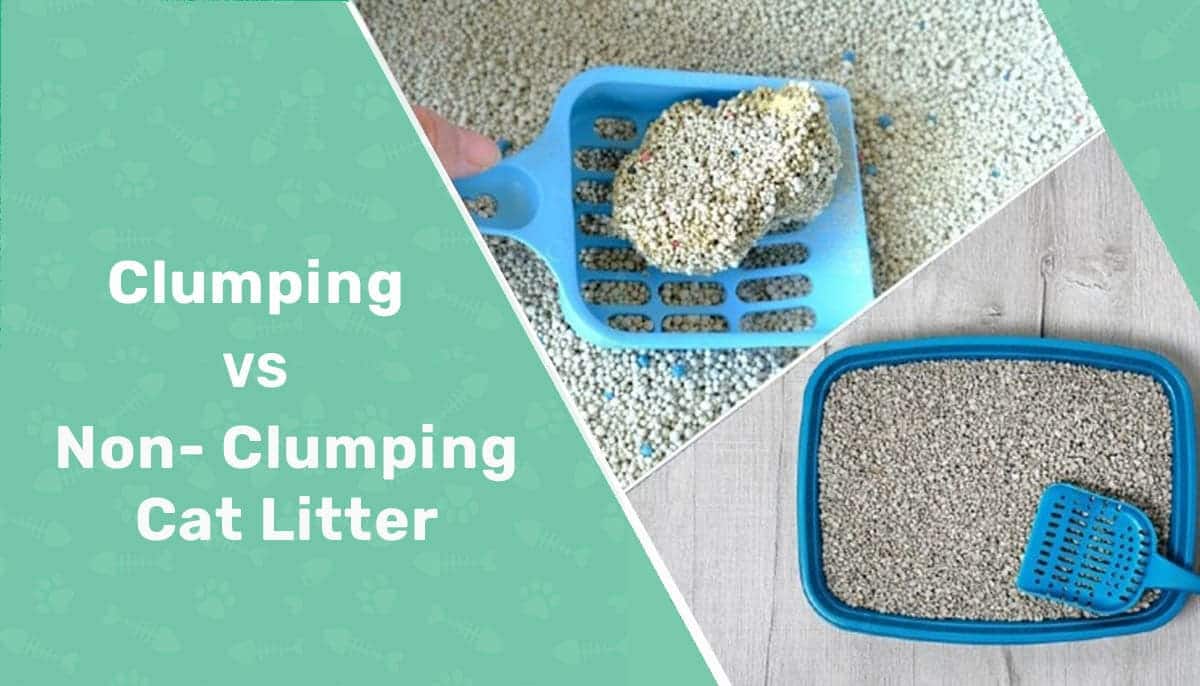
Non clumping litters come in several kinds. Clay-based litters absorb moisture but stay loose. They are affordable and widely used. Crystal litters made from silica gel trap moisture inside but do not clump. Wood and paper litters are natural options that are gentle on paws and eco-friendly. Each type offers different smells, textures, and dust levels.
Benefits Compared To Clumping Litter
Non clumping litter often creates less dust than clumping varieties. It can be safer for cats with respiratory issues. This litter usually costs less and lasts longer before needing a full change. It does not stick to the cat’s fur or paws as much. Cleaning involves removing wet litter regularly, keeping the box fresh. It can be a good choice for multi-cat homes or cats who dislike clumping litter.
Setting Up The Litter Box
Setting up a litter box with non clumping cat litter requires some care. It helps your cat feel comfortable and keeps your home clean. This section covers how to pick the right box and how much litter to use.
Selecting The Right Litter Box
Choose a litter box that fits your cat’s size. Bigger cats need bigger boxes to move freely. A box with low sides helps older or small cats enter easily. Covered boxes can trap smells but some cats dislike them. Select a box that matches your cat’s preferences and your space.
Proper Litter Depth
Pour the non clumping litter to a depth of about 2 to 3 inches. This depth absorbs moisture well and controls odor. Too little litter causes quick messes. Too much litter wastes product and makes cleaning harder. Keep the depth consistent for best results.
Daily Maintenance Tips
Daily maintenance keeps your non clumping cat litter fresh and clean. Regular care controls odors and keeps your cat happy. Simple steps can make a big difference in litter box hygiene.
Scooping Solid Waste
Remove solid waste every day. Use a scoop designed for cat litter. Scoop gently to avoid disturbing clean litter. Dispose of waste in a sealed bag. This keeps the area clean and odor-free.
Stirring The Litter
Stir the litter daily to spread moisture. This helps dry out wet spots faster. Use the scoop or a small rake to mix the litter. Stirring keeps the litter fresh and prevents clumps from forming. Replace a portion of the litter weekly for best results.
Odor Control Strategies
Controlling odor is key when using non clumping cat litter. This type of litter does not form clumps, so it needs special care to keep smells away. Using smart strategies helps maintain a fresh environment for both cats and people.
Using Baking Soda
Baking soda is a natural odor absorber. Sprinkle a thin layer of baking soda at the bottom of the litter box. Then add the non clumping litter on top. This helps trap bad smells before they reach the air. Refresh baking soda with every litter change. It is safe for cats and very affordable.
Regular Cleaning Routine
Daily cleaning is important for odor control. Scoop out solid waste every day. Stir the litter to spread moisture evenly. Change the entire litter at least once a week. Wash the litter box with mild soap and water during each change. This prevents bacteria build-up and keeps odors minimal.
Managing Litter Dust And Tracking
Managing litter dust and tracking is important for a clean home. Non clumping cat litter can create dust that irritates noses and lungs. Dust also makes surfaces dirty faster. Tracking means litter pieces spread outside the box. This creates mess on floors and carpets.
Reducing dust and tracking helps keep the area fresh. It also makes cleaning easier. Simple steps can make a big difference in managing these issues.
Choosing Low-dust Options
Select cat litter labeled as low-dust or dust-free. These litters produce less powder when your cat digs. Natural materials like wood pellets or paper are good choices. They create less dust than clay-based litters. Low-dust options improve air quality around the litter box. They also reduce the amount of litter that sticks to your cat’s paws.
Litter Mats And Cleaning Tools
Use litter mats outside the box to catch stray litter. Mats with textured surfaces trap more litter from your cat’s paws. Clean mats regularly to avoid buildup and odors. Keep a small broom or vacuum near the box. Sweep or vacuum often to remove tracked litter quickly. This stops litter from spreading to other rooms.
Credit: www.catster.com
Keeping Cats Comfortable
Using non clumping cat litter needs attention to keep cats happy. Comfort is key for cats to use their litter box regularly. The right care helps avoid stress and health issues.
Non clumping litter feels different from clumping types. Cats may need time to adjust. Watch their behavior closely to ensure they like the new litter.
Ensuring Cleanliness
Non clumping litter does not form solid clumps. Remove waste frequently to keep the box clean. Scoop out urine spots and feces daily for freshness.
Change the entire litter regularly. This stops bad smells and bacteria build-up. Clean the box with mild soap and water before adding new litter.
Monitoring Cat Behavior
Observe your cat’s reaction to non clumping litter. Signs of discomfort include avoiding the box or scratching outside it. These may mean the litter is not suitable.
Encourage your cat by keeping the box in a quiet, safe place. Praise and gentle petting help them feel secure. Adjust the litter type if problems continue.
When To Replace The Litter
Knowing when to replace non clumping cat litter keeps your cat’s box fresh and clean. It helps control odors and keeps your cat happy. Unlike clumping litter, non clumping litter soaks up moisture but does not form solid clumps. You must watch for signs that the litter needs changing. Doing this right keeps the box comfortable for your cat.
Signs Of Saturation
Non clumping litter soaks up urine until it is full. The litter feels wet or heavy at the bottom. It may have a strong smell that does not go away. The litter looks darker or soggy in some spots. Your cat might avoid the box if it smells bad. These signs mean it is time to replace the litter.
Complete Litter Box Cleaning
Changing non clumping litter means emptying the entire box. Scoop out all old litter and trash. Wash the box with mild soap and water. Dry it well before adding fresh litter. This cleaning helps remove bacteria and bad smells. Fresh litter makes the box more inviting for your cat.

Credit: cats.com
Frequently Asked Questions
What Is Non Clumping Cat Litter?
Non clumping cat litter absorbs moisture without forming clumps. It is often made from clay, wood, or paper materials. This type is ideal for cats sensitive to dust or those prone to digestive issues from clumping litter. It requires regular complete changes to stay fresh.
How Do I Clean A Non Clumping Litter Box?
To clean, scoop out solid waste daily using a litter scoop. Stir the remaining litter to aerate and reduce odors. Replace the entire litter every 1-2 weeks or when it becomes overly soiled or smelly. Wash the box with mild soap during changes.
Can Non Clumping Litter Control Odor Effectively?
Non clumping litter controls odor less effectively than clumping types. Frequent cleaning and litter replacement help manage smells. Some varieties include natural deodorizing additives like baking soda or activated charcoal. Proper ventilation and a clean litter box are essential for odor control.
Is Non Clumping Litter Safe For Kittens?
Yes, non clumping litter is generally safer for kittens. It reduces the risk of ingestion-related blockages common with clumping litter. Its softer texture is gentle on sensitive paws. Always monitor kittens during litter training to ensure they use the box properly.
Conclusion
Using non clumping cat litter can keep your home fresh and clean. Scoop solid waste daily to control odor well. Change the litter completely every week or two. Choose a litter type that suits your cat’s needs best. Keep the litter box in a quiet, easy-to-reach place.
This helps your cat feel safe and comfortable. With simple care, non clumping litter works just fine. Try these tips and enjoy a cleaner space for both you and your cat.