How to Help Two Cats Get Along: Proven Tips for Peaceful Coexistence

Bringing two cats into the same home can be exciting but also challenging. If you want your furry friends to live peacefully together, you need the right approach.
You might worry about hissing, fighting, or stress between them. But don’t worry—there are simple, proven steps you can take to help your cats get along. Keep reading to discover how you can create a calm, happy space where both your cats feel safe and loved.
Your efforts will pay off with a peaceful home and two happy companions.
Recognize Cat Behavior
Understanding how cats behave helps you guide them to get along. Cats use body language to show feelings. Watching these signals helps you see if they are calm or upset. Knowing these signs stops fights early. It makes introducing two cats easier and safer.
Body Language Signals
Cats use their bodies to speak without words. A relaxed cat has soft eyes and a calm tail. Ears point forward when curious. If a cat’s fur stands up, it feels scared or angry. A slow blink means trust. Tail twitching shows irritation. Watch these signs closely to understand each cat’s mood.
Common Signs Of Conflict
Conflict between cats is clear with certain behaviors. Hissing or growling means they feel threatened. Swatting paws or biting shows anger. Cats may stare hard and freeze. This signals tension. Avoid forcing interaction if you see these signs. Give cats space to calm down before trying again.
Prepare Your Home
Preparing your home is key to helping two cats get along. Cats need their own space and comfort to reduce stress. A well-prepared home eases their introduction and builds trust. Start by organizing your home with their needs in mind. This helps both cats feel safe and calm.
Separate Spaces And Resources
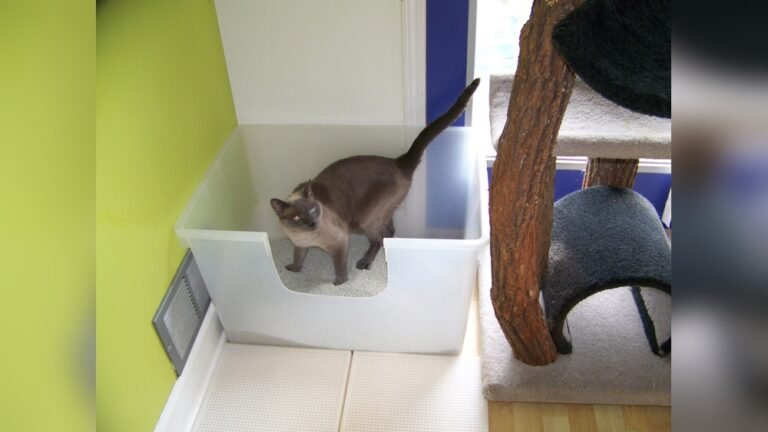
Create separate areas for each cat. Each cat should have its own food bowl, water dish, and litter box. This avoids fights over resources. Place these items in quiet spots where cats can eat and relax peacefully. Separate spaces reduce tension and help cats feel secure.
Safe Zones And Hiding Spots
Cats need places to hide and rest alone. Provide safe zones with cozy beds or boxes. These spots let cats escape if they feel scared or overwhelmed. Safe zones are important for shy or nervous cats. Make sure each cat has at least one hiding spot in a quiet area.
Slow Introduction Process
Introducing two cats to each other takes time and patience. A slow introduction helps reduce stress and avoid fights. It lets both cats feel safe and curious. This process builds trust step by step.
Rushing can cause fear or aggression. Taking small steps helps cats adjust to each other. Use scent, sight, and gentle touch to make friends.
Scent Exchange Techniques
Cats rely on smell to recognize others. Swap bedding or toys between cats. This allows them to get used to each other’s scent.
Rub a soft cloth on one cat’s cheeks. Place it near the other cat’s resting area. Repeat with the second cat’s scent. This simple step calms both cats.
Controlled Visual Contact
Let cats see each other without touching. Use a baby gate or a cracked door. Watch their reactions carefully.
Keep these meetings short and positive. Praise calm behavior with treats or soft words. Gradually increase the time they see each other.
Gradual Physical Interaction
Once cats are relaxed seeing each other, try gentle meetings. Use a leash or carrier for control. Let them sniff and explore slowly.
Stop if either cat shows fear or aggression. Keep sessions short and always end on a good note. Gradual touch helps build a peaceful bond.

Credit: www.catster.com
Encourage Positive Interactions
Encouraging positive interactions between two cats helps build trust and friendship. It reduces stress and stops fights. Positive moments make cats feel safe and happy around each other. This section explains easy ways to boost good behavior and connection.
Playing together helps cats bond. Use toys like feather wands or balls that both can chase. Playtime creates fun memories and teaches cats to enjoy each other’s company. Keep sessions short and frequent to keep cats interested and relaxed.
Feeding Together
Feeding cats near each other can build comfort and trust. Place bowls at a safe distance at first. Gradually bring them closer over days. Sharing mealtime teaches cats that being near each other is safe and positive. Always watch for signs of stress.
Reward Calm Behavior
Give treats or praise when cats behave calmly near each other. Rewarding good manners helps cats learn what you want. Calm moments might include sitting quietly or grooming side by side. Positive rewards make cats want to repeat peaceful actions.
Manage Conflict Situations
Managing conflict between two cats is important for a peaceful home. Cats can be territorial and may show aggression. Understanding how to handle these situations helps keep stress low. It also helps cats learn to share space safely.
Intervention Strategies
Watch your cats closely during conflicts. Step in quietly to distract them. Use a toy or loud noise to break their focus. Avoid yelling or sudden moves that scare them. Calmly separate cats if fighting gets serious. Offer treats to reward calm behavior. This teaches them to stay relaxed around each other.
Avoid Punishment
Never punish cats for fighting. Punishment can increase fear and anger. Cats do not connect punishment with their actions clearly. It may damage your bond with them. Instead, use gentle redirection and positive reinforcement. Reward good behavior with petting or treats. This encourages peace without fear.
When To Separate Temporarily
Separate cats if fights become too intense. Use separate rooms with food, water, and litter boxes. Give them time to calm down and feel safe. Keep them apart for a few hours or days. Slowly reintroduce them with short, supervised visits. This reduces tension and helps rebuild trust.

Credit: us.feliway.com
Maintain Long-term Harmony
Maintaining long-term harmony between two cats requires careful attention and steady effort. Cats thrive in stable environments. Keeping peace means more than just a good first meeting. It calls for ongoing care and patience.
Consistent Routine
Cats feel safe with a daily routine. Feed them at the same times each day. Play sessions should happen regularly. A steady schedule helps reduce anxiety. It allows cats to predict what will happen next. This predictability eases tension between them.
Individual Attention
Each cat needs personal time and affection. Spend time with each one alone. This prevents jealousy and competition. It also helps build trust and comfort. Use gentle petting and quiet talking. Let each cat feel special and loved.
Monitor Health And Stress Levels
Watch for signs of stress or illness. Changes in appetite or behavior may mean trouble. Stress can cause fights or withdrawal. Regular vet check-ups keep cats healthy. Healthy cats are more likely to get along. Spot problems early to keep peace.

Credit: www.microcomenviro.com
Frequently Asked Questions
How Can I Introduce Two Cats Safely?
Introduce cats gradually in separate rooms. Swap scents using bedding. Allow brief, supervised meetings to build positive associations.
What Are Signs Of Cat Aggression To Watch?
Watch for hissing, growling, swatting, and raised fur. These signs indicate stress or territorial disputes needing intervention.
How Long Does It Take For Cats To Bond?
Bonding varies but often takes weeks to months. Patience and consistent positive interactions speed up the process.
Can Feeding Cats Together Improve Their Relationship?
Yes, feeding cats near each other builds trust. Start with distance, gradually decreasing it over time.
Conclusion
Helping two cats get along takes time and patience. Give them space to adjust at their own pace. Watch their body language and respect their feelings. Offer separate resources like food bowls and beds. Play and interact with both cats daily.
Small, calm steps build trust and friendship. Remember, not all cats will become best friends. Peaceful co-existence is a good goal too. Keep trying, and enjoy the special moments they share. Your care makes a big difference in their bond.