How to Reduce Cat Hair in the Home: Easy Tips for a Cleaner Space

If you love having a cat but hate the constant battle with cat hair all over your home, you’re not alone. Cat hair can sneak into every corner, cling to your clothes, and even trigger allergies.
But what if you could keep your home cleaner and enjoy your furry friend without the mess? You’ll discover simple, effective ways to reduce cat hair in your home. These tips are easy to follow and can make a big difference in your daily life.
Keep reading to find out how you can take control and create a fresher, hair-free space for you and your cat.
Credit: weareallaboutcats.com
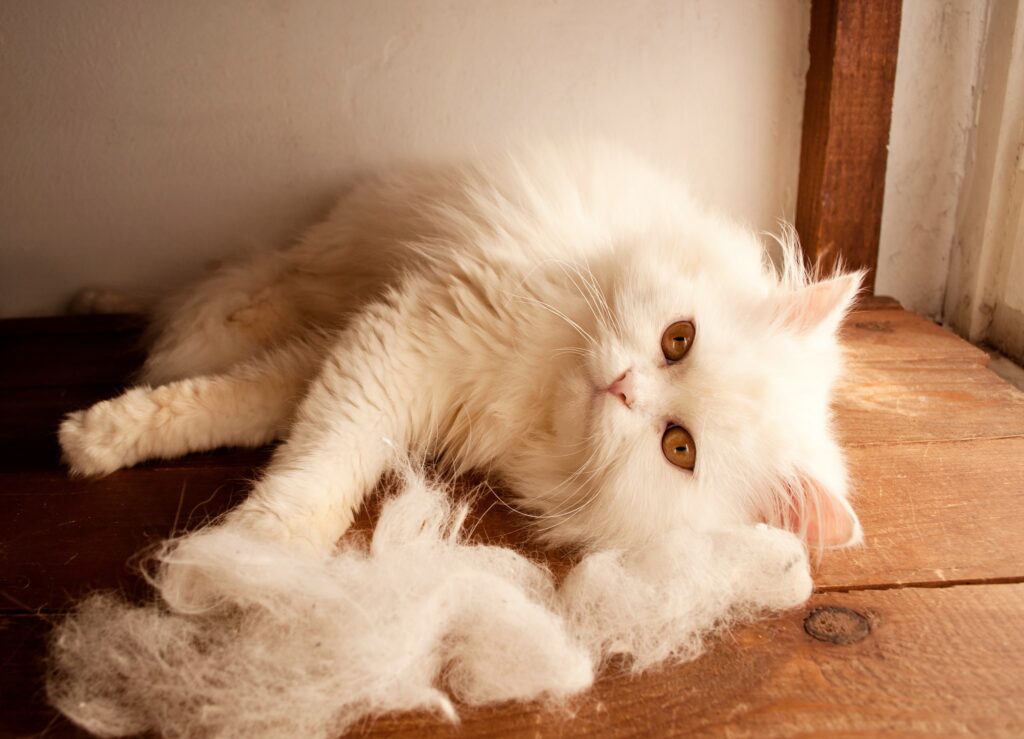
Causes Of Cat Hair Shedding
Cat hair shedding is a natural process. Cats lose old hair to make way for new growth. Understanding why cats shed helps control hair around the house. Several factors cause cat hair shedding. Knowing these causes helps reduce unwanted hair.
Seasonal Shedding Patterns
Cats shed more during certain seasons. Spring and fall are the biggest times. They lose thick winter coats in spring. In fall, they prepare for colder weather. This natural cycle causes more hair to fall out. Shedding varies by cat breed and climate.
Diet And Health Factors
Poor diet can increase shedding. Cats need good protein and nutrients for healthy fur. Lack of vitamins causes dry, weak hair. Health problems like allergies or skin infections also cause hair loss. Regular vet visits help catch issues early.
Stress And Environment
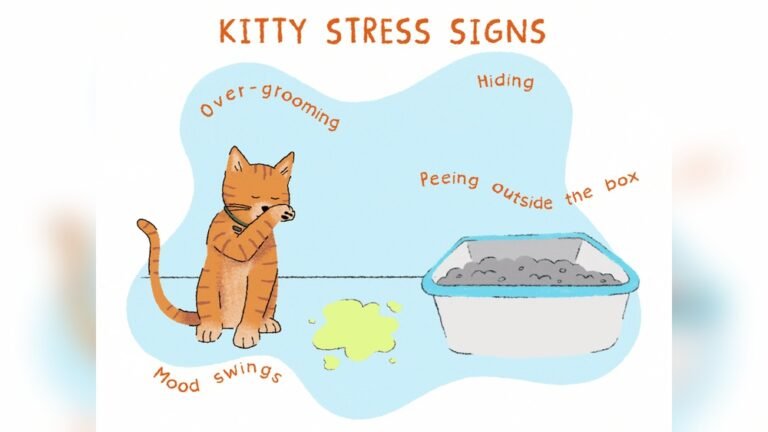
Stress makes cats shed more hair. Changes at home or loud noises can upset cats. A new pet or moving house adds stress. Cats in dirty or uncomfortable homes shed more. Keeping a calm, clean space reduces shedding.

Credit: www.reddit.com
Effective Grooming Techniques
Effective grooming techniques help control cat hair around the house. Grooming removes loose fur before it spreads everywhere. It also keeps your cat’s coat clean and healthy. Regular grooming can reduce hairballs and shedding significantly.
Choosing The Right Brush
Select a brush suited for your cat’s fur type. Short-haired cats need a rubber brush or bristle brush. Long-haired cats benefit from a slicker brush or a comb. A good brush reaches the undercoat and removes dead hair. Soft bristles work well for sensitive skin. Try different brushes to find the best one for your cat.
Regular Brushing Schedule
Brush your cat daily or at least three times a week. Consistency reduces loose hair and prevents mats from forming. Short sessions work best—five to ten minutes each time. Make brushing a calm, positive experience. Praise and pet your cat during grooming. This helps your cat enjoy brushing and stay still.
Bathing Tips For Cats
Bathing helps remove dirt and loose fur. Use a cat-specific shampoo that is gentle and safe. Wet your cat with lukewarm water and avoid the face. Lather the shampoo softly and rinse thoroughly. Dry your cat with a towel or a low heat dryer. Do not bathe your cat too often—once a month is enough. Bathing less often prevents dry skin and stress.
Home Cleaning Strategies
Keeping your home free from cat hair requires smart cleaning habits. Regular cleaning stops hair from piling up. It also helps keep your home fresh and healthy.
Using the right tools and methods makes a big difference. Focus on areas where your cat spends the most time. Clean these spots often to reduce hair buildup.
Vacuuming And Sweeping Tips
Vacuum daily or every other day for best results. Use a vacuum with a strong suction and pet hair attachment. Sweep floors before vacuuming to catch larger hair clumps. Move furniture occasionally to clean hidden hair spots. Clean vacuum filters regularly to keep it working well.
Using Lint Rollers And Brushes
Lint rollers quickly remove hair from clothes and furniture. Keep one in easy reach for daily use. Use sticky sheets to pick up hair on fabric surfaces. Brushes designed for pet hair work well on upholstery. Brush your cat often to reduce loose hair around the house.
Washing Bedding And Fabrics
Wash your cat’s bedding once a week to remove hair and dirt. Use hot water to loosen hair from fabrics. Clean blankets, curtains, and cushion covers regularly. Dry items thoroughly to prevent hair from sticking. Consider using a fabric softener to reduce static cling.
Preventing Hair Spread
Preventing cat hair from spreading in the home helps keep your space clean. It also reduces the time spent cleaning. Simple steps can lower hair spread and keep your home tidy. Focus on key areas and tools to manage cat hair effectively.
Designated Cat Areas
Create specific spots for your cat to rest and play. Cats shed hair mostly where they spend time. Limiting their access to certain rooms reduces hair everywhere. Use cozy beds or mats in these areas. Clean these spaces regularly to control hair buildup.
Furniture Covers And Protectors
Use washable covers on sofas and chairs your cat likes. Covers catch loose hair and prevent it from sticking to fabric. Choose materials easy to clean and replace when needed. Protectors keep furniture looking neat and reduce allergy risks. Regularly shake or wash covers to remove hair.
Air Purifiers And Filters
Air purifiers help remove airborne cat hair and dander. Choose purifiers with HEPA filters for best results. Place them in rooms your cat visits most. Clean or replace filters as the manufacturer advises. This improves air quality and lowers hair spread indoors.
Diet And Supplements For Coat Health
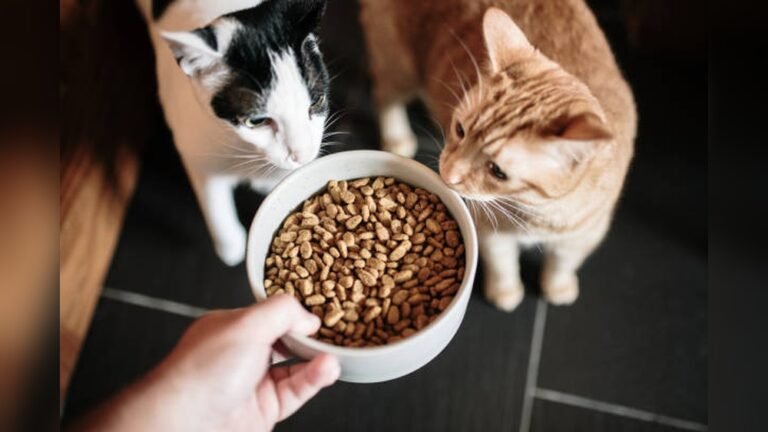
Healthy skin and fur start with a good diet. What your cat eats affects how much it sheds. Feeding the right foods and supplements helps keep the coat shiny and strong. This reduces loose hair around your home. A balanced diet supports skin health and lowers shedding problems.
Choose foods rich in nutrients that protect the fur. Supplements add extra care for your cat’s coat. Both work together to reduce hair loss and improve overall health.
Foods That Reduce Shedding
Protein is key for healthy fur. Include high-quality meat or fish in your cat’s meals. Eggs and chicken are good options too. These foods help build strong hair follicles.
Fruits and vegetables supply vitamins and antioxidants. Vitamin E and zinc support skin and coat health. Carrots and blueberries are good examples. Feeding these can lower shedding and improve fur texture.
Water intake matters. Hydrated skin means less dry, flaky hair. Fresh water should always be available to your cat.
Omega-3 And Other Supplements
Omega-3 fatty acids reduce inflammation and improve fur shine. Fish oil capsules or liquid can be added to meals. These supplements help keep skin moist and soft.
Biotin supports healthy skin and hair growth. It can reduce hair loss and brittle fur. Consult a vet before starting new supplements.
Regular use of supplements improves coat health over time. It helps control shedding and keeps your cat comfortable.
Professional Help And Products
Managing cat hair in your home can be tough. Professional help and special products make the task easier. Experts and tools focus on reducing loose fur effectively. They save time and keep your space cleaner. Here are key options to consider.
Grooming Services
Professional groomers offer services to reduce shedding. They use tools designed to remove loose hair safely. Grooming sessions can include brushing and bathing. Regular visits keep your cat’s coat healthy. Less shedding means less hair around your home.
Specialized Hair Control Products
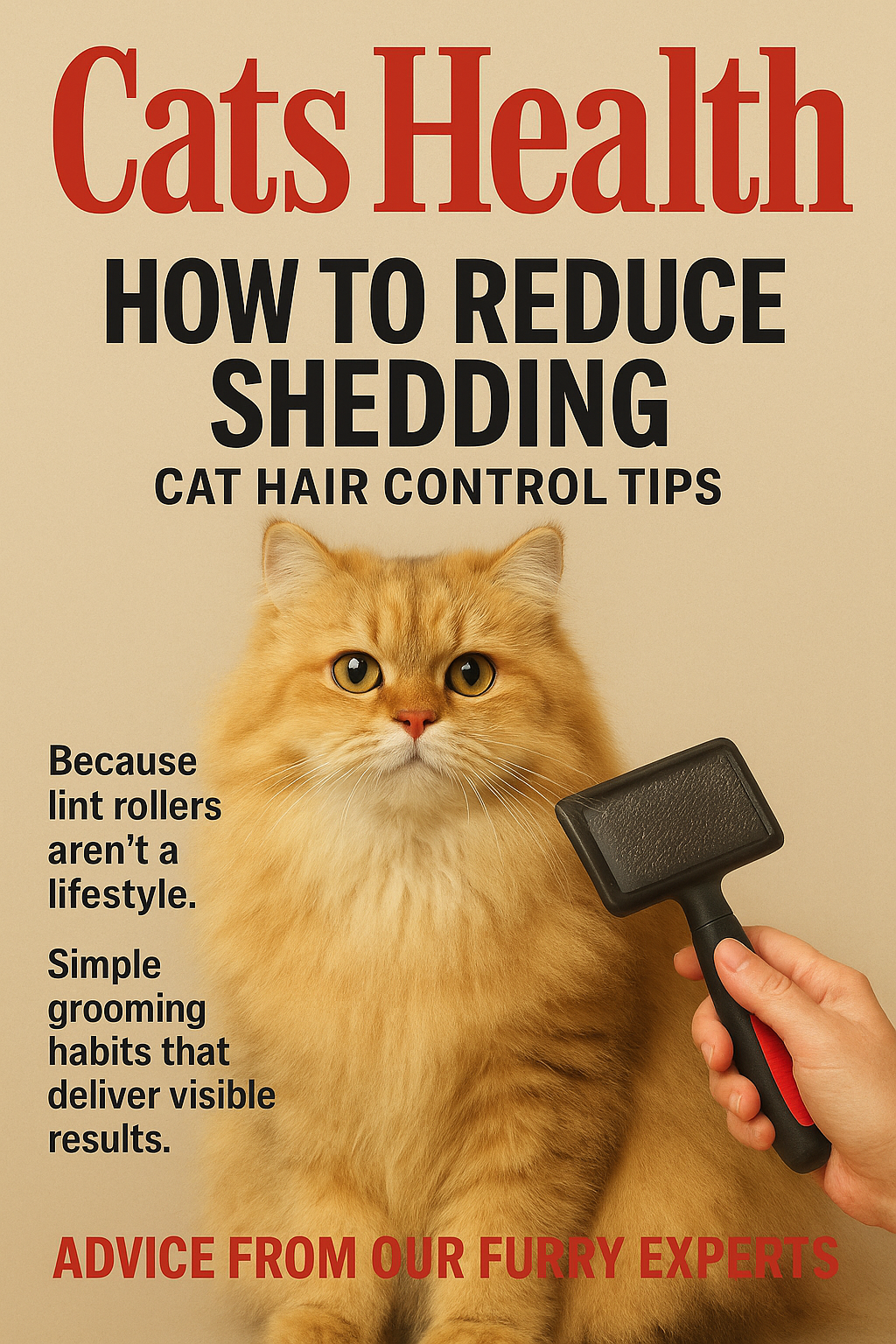
Many products help control cat hair indoors. Brushes and combs made for shedding target loose fur. Lint rollers and vacuum attachments remove hair from furniture. Air purifiers reduce airborne pet hair and dander. Using the right products keeps your home cleaner and fresher.
Credit: www.happypawsus.com
Frequently Asked Questions
How Often Should I Groom My Cat To Reduce Hair?
Groom your cat daily or at least several times a week. Regular brushing removes loose hair and reduces shedding. This prevents hair accumulation on furniture and floors, keeping your home cleaner and minimizing allergens.
What Household Tools Help Remove Cat Hair Effectively?
Use lint rollers, rubber gloves, or vacuum cleaners with pet hair attachments. These tools pick up loose cat hair from clothes and furniture quickly. They are essential for maintaining a hair-free home environment.
Can Diet Affect My Cat’s Shedding Amount?
Yes, a balanced diet rich in omega-3 and omega-6 fatty acids improves coat health. Healthy skin reduces excessive shedding. Consult your vet for the best diet to manage your cat’s hair loss.
How Does Humidity Impact Cat Hair Shedding?
Low humidity can dry your cat’s skin, causing more shedding. Use a humidifier to maintain indoor moisture. Proper humidity helps keep your cat’s coat healthy and reduces hair fall around the house.
Conclusion
Reducing cat hair at home takes daily effort and simple habits. Regular brushing helps remove loose hair before it spreads. Clean floors and furniture often to keep fur away. Use pet-friendly tools to make cleaning easier and safer. Remember, patience matters; no method is perfect overnight.
Small steps add up to a cleaner, more comfortable home. Keep caring for your cat and your space will feel fresh.