Best Diet for Cats – Ultimate Guide to Healthy Feline Nutrition

You want the best for your cat, especially when it comes to their diet. What you feed your furry friend affects their energy, mood, and overall health.
But with so many options out there, how do you know which diet is truly the best? You’ll discover simple, expert-backed tips to choose the perfect food for your cat. Keep reading to unlock secrets that can boost your cat’s happiness and well-being every day.
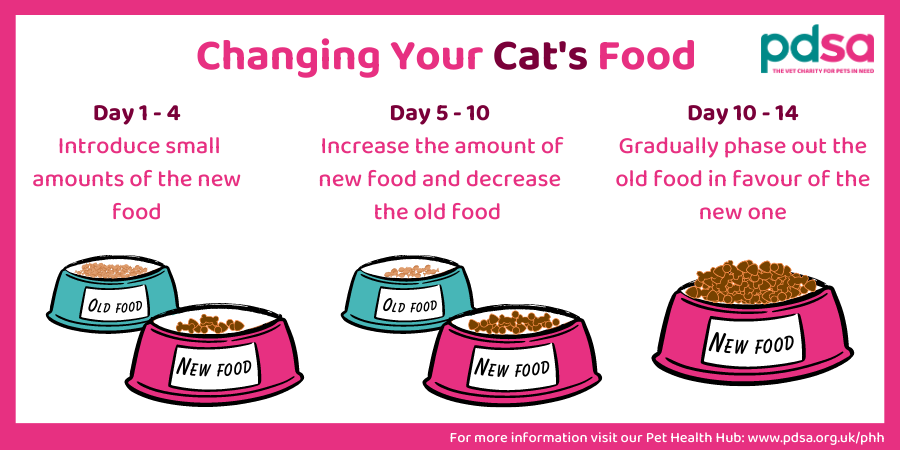
Credit: www.pdsa.org.uk
Nutritional Needs Of Cats
Cats need a special diet to stay healthy and active. Their bodies require specific nutrients that support growth, energy, and overall well-being. Unlike many animals, cats are obligate carnivores. This means they must eat meat to get certain nutrients their bodies cannot make. Understanding the nutritional needs of cats helps owners provide the best food choices. A balanced diet includes proteins, fats, vitamins, and minerals in the right amounts. Meeting these needs keeps cats strong, improves their coat, and supports their immune system. This section explains the key nutrients cats need and why they matter.
Essential Nutrients
Cats need several nutrients that are essential for their health. These nutrients include amino acids, vitamins, minerals, and fatty acids. They help with body functions such as repairing tissues, fighting infections, and keeping organs working well.
- Amino acids: Cats require taurine and arginine, which are found only in animal proteins.
- Vitamins: Vitamin A, D, and some B vitamins are vital because cats cannot produce enough themselves.
- Minerals: Calcium, phosphorus, and potassium support bone health and muscle function.
- Fatty acids: Omega-3 and omega-6 fats keep the skin healthy and help reduce inflammation.
The table below summarizes these essential nutrients and their roles:
| Nutrient | Role | Sources |
|---|---|---|
| Taurine | Supports heart and eye health | Meat, fish |
| Vitamin A | Maintains vision and skin | Liver, fish oils |
| Calcium | Builds strong bones and teeth | Bone meal, dairy |
| Omega-3 Fatty Acids | Reduces inflammation, supports brain | Fish oil, flaxseed |
Protein Requirements
Protein is the most important part of a cat’s diet. Cats need more protein than many other animals. Their bodies use protein to build muscles, repair tissues, and produce enzymes. Protein also provides energy.
Cats require high-quality animal protein. Plant proteins do not supply all the amino acids cats need. The minimum protein level for adult cats is about 26% of their daily diet. Growing kittens and pregnant cats need even more.
Here are key points about cat protein needs:
- Complete proteins: Must contain all essential amino acids like taurine and methionine.
- Animal-based: Meat, poultry, and fish are the best sources.
- Protein digestion: Cats digest animal proteins more efficiently than plant proteins.
Feeding too little protein can cause muscle loss and weak immune function. Too much protein is rarely a problem if balanced with other nutrients. Always aim for quality sources.
The following list shows good protein sources for cats:
- Chicken breast
- Turkey
- Salmon
- Beef
- Liver
Fats And Carbohydrates
Fats provide cats with concentrated energy and essential fatty acids. Cats need fats to absorb vitamins and keep their skin and fur healthy. They get most fats from animal sources, which are rich in omega-6 and omega-3 fatty acids.
Carbohydrates are less important for cats. Their bodies use protein and fat for energy instead of carbs. Cats have limited ability to digest carbohydrates. Too many carbs can cause weight gain and digestive issues.
Important facts about fats and carbs for cats:
- Fats: Should make up about 9-15% of a cat’s diet.
- Essential fatty acids: Linoleic acid and arachidonic acid are required and found in animal fats.
- Carbohydrates: Should be limited, ideally less than 10% of the diet.
- Fiber: Small amounts support digestion but too much is not needed.
Examples of healthy fats for cats include:
- Fish oil
- Chicken fat
- Egg yolk
High-carb foods like corn, wheat, and rice should be minimized in cat diets. Focus on natural animal fats and proteins for best health results.
Types Of Cat Food
Choosing the best diet for cats means understanding the different types of cat food. Cats have unique dietary needs that require a balanced cat food plan. Their diet must provide enough protein, fats, and essential nutrients for good health. Cat food comes in several forms, including dry food, wet food, and raw or homemade diets. Each type offers distinct benefits and suits different feline lifestyles. Knowing these options helps meet your cat’s cat dietary needs effectively.
Dry Food
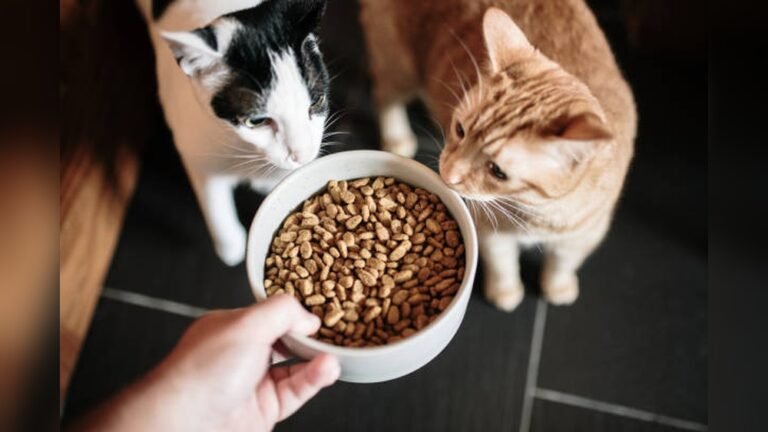
Dry food is popular for its convenience and cost-effectiveness. It contains less moisture than wet food, usually around 10%, and is easy to store. Many dry foods are grain-free cat food options, made without corn, wheat, or soy to reduce allergies and digestive issues.
Dry food supports dental health by reducing plaque build-up. It also has a longer shelf life, making it practical for busy pet owners.
- High in carbohydrates but often enriched with vitamins and minerals
- Good source of high-protein cat diet options
- Affordable and easy to serve
- Less effective in providing hydration in cats
Here is a quick comparison of dry and wet food:
| Feature | Dry Food | Wet Food |
|---|---|---|
| Moisture Content | 10-12% | 75-85% |
| Storage | Easy, long shelf life | Shorter shelf life, refrigerate after opening |
| Dental Benefits | Helps clean teeth | Less effective |
Wet Food
Wet food, often called canned cat food, contains high moisture levels. This helps with hydration in cats, especially important for cats that drink little water. Wet food is rich in protein and fats, making it a good choice for a high-protein cat diet.
Many wet foods are designed to meet a cat’s natural taste preferences. They often include meat, fish, and broth to provide a satisfying texture and flavor.
- Supports urinary tract health due to moisture content
- Offers a variety of flavors and textures
- Helps picky eaters with strong aroma
- More expensive and needs refrigeration after opening
Wet food is ideal for cats that require increased hydration or have dental problems. It often contains fewer carbohydrates than dry food and mimics a natural feline diet more closely.
Raw And Homemade Diets
Raw and homemade diets focus on fresh ingredients prepared at home or purchased as raw cat food. These diets often emphasize whole meats, organs, and bones, which provide natural nutrients. Many cat owners choose this method to ensure a balanced cat food plan without preservatives or fillers.
Benefits of raw and homemade meals include:
- Better control over ingredients and quality
- Highly digestible proteins and fats
- Reduced risk of allergies from grains or additives
Preparing homemade cat meals requires knowledge of cat nutrition to avoid nutrient imbalances. Supplements may be necessary to provide vitamins like taurine, critical for feline health.
Raw cat food benefits include improved coat condition, energy levels, and digestion. However, raw diets need careful handling to prevent bacterial contamination. Consultation with a vet or pet nutritionist is recommended before switching.
Choosing Quality Ingredients
Choosing quality ingredients is the foundation of a Natural Cat Diet. Cats need foods that meet their unique Cat Dietary Requirements. Selecting the right ingredients affects their health and happiness. High-quality ingredients provide essential nutrients and help avoid health issues. Understanding the role of each ingredient helps you pick the best Cat Food Ingredients. Quality matters more than quantity in a High-Protein Cat Food. This section explains key elements to focus on for a balanced Feline Diet.
Animal-based Proteins
Cats are obligate carnivores. Their bodies need Animal-Based Proteins to thrive. Proteins from meat provide the essential amino acids cats cannot produce themselves. These proteins support strong muscles, healthy skin, and a shiny coat.
Good sources of animal protein include:
- Chicken
- Turkey
- Beef
- Fish
- Lamb
These sources give cats the building blocks for energy and growth. High-Protein Cat Food often highlights these ingredients first on the label. This shows the food contains a high percentage of quality protein.
Many cat foods list protein quality and amount. Below is a simple comparison of protein sources:
| Protein Source | Protein Quality | Benefits |
|---|---|---|
| Chicken | High | Rich in essential amino acids |
| Fish | High | Good source of omega-3 fatty acids |
| Beef | Moderate | Supports muscle maintenance |
| Lamb | Moderate | Good for sensitive stomachs |
Choosing meat-based proteins ensures your cat gets the right fuel. This is vital for all life stages, from kitten to senior.
Avoiding Fillers And Additives
Fillers and additives add little nutritional value. Many commercial cat foods use grains or plant-based fillers to reduce costs. These ingredients can cause digestive issues or allergies in some cats.
Common fillers to avoid:
- Corn
- Wheat
- Soy
- Artificial colors and flavors
- Preservatives like BHA and BHT
Grain-Free Cat Food is often better for cats sensitive to grains. Cats do not need carbohydrates as a main energy source. Their bodies rely on protein and fat instead.
Watch out for long ingredient lists filled with chemicals or unknown items. Natural ingredients indicate better food quality. Simple labels with recognizable ingredients are preferable.
Here’s a checklist for choosing cat food without fillers:
- Look for short ingredient lists
- Choose foods with named meat sources
- Avoid artificial preservatives and colors
- Select grain-free options if possible
Keeping fillers and additives out supports better digestion and overall health. It aligns with a natural Feline Diet that nourishes your cat fully.
Importance Of Taurine
Taurine is an Essential Amino Acid For Cats. Cats cannot make enough taurine on their own. This makes taurine a critical part of their Cat Nutrition. Without enough taurine, cats can develop serious health problems.
Taurine Deficiency In Cats can cause:
- Heart disease (dilated cardiomyopathy)
- Vision problems and blindness
- Reproductive failure
- Weakened immune system
Most high-quality cat foods include taurine naturally through animal proteins. Meat and fish are rich in taurine. This is another reason to prioritize Animal-Based Proteins.
Check the label for taurine content, especially if feeding homemade or raw diets. Supplements may be necessary in some cases.
Remember these points about taurine:
- It is vital for heart and eye health
- Cats need it daily in their diet
- Plant-based diets lack taurine
- Deficiency leads to serious illnesses
Ensuring enough taurine supports a strong, healthy cat throughout life. It completes the picture of a balanced, natural diet for your feline friend.
:strip_icc()/raw-food-diet-for-cats-552329_final-63abf8807a2c450a97dce01e5d80a6c9.png)
Credit: kdfoundation.org
Special Diets For Health Issues
Cats with health issues often need special diets to support their well-being. These diets help manage conditions like obesity, allergies, and kidney problems. Feeding the right food can improve a cat’s quality of life and prevent further health complications. It is important to choose diets designed for specific health needs, as regular cat food might not meet these unique requirements.
Weight Management
Controlling a cat’s weight is vital for its health. Overweight cats face risks such as diabetes, joint pain, and heart problems. A weight management diet contains fewer calories but still provides essential nutrients.
- Lower fat content: Helps reduce calorie intake.
- High protein: Maintains muscle mass during weight loss.
- Fiber-rich: Keeps cats feeling full longer.
Portion control is key. Feeding measured amounts prevents overeating. Below is a sample feeding guide for overweight cats:
| Cat Weight (lbs) | Daily Food Amount (grams) |
|---|---|
| 6 – 8 | 40 – 50 |
| 8 – 10 | 50 – 60 |
| 10 – 12 | 60 – 70 |
Regular exercise is important. Playing with toys or short active sessions helps burn calories. Weight management diets work best with consistent feeding and activity.
Allergies And Sensitivities
Cats can develop allergies or food sensitivities causing itching, digestive issues, or poor coat condition. Hypoallergenic diets reduce exposure to common allergens.
Common allergens include:
- Beef
- Dairy
- Wheat
- Chicken
Special diets use limited ingredients or novel proteins like duck or venison. These help identify and avoid triggers. Some diets are grain-free for sensitive cats.
Key points for allergy diets:
- Use single protein source to reduce reactions.
- Eliminate common allergens gradually.
- Consult a vet before switching diets.
Sample hypoallergenic ingredients:
| Protein | Carbohydrate | Additional Features |
|---|---|---|
| Duck | Potato | Grain-free, limited ingredient |
| Venison | Sweet potato | Novel protein, easily digestible |
Kidney And Urinary Health
Cats with kidney or urinary problems need diets that support organ function and reduce strain. Kidney health diets have lower protein, phosphorus, and sodium levels.
Urinary health diets focus on:
- Maintaining proper urine pH to prevent stones
- Increasing moisture to support kidney function
- Reducing minerals like magnesium and calcium
Wet food is often recommended because it adds fluids. This lowers the risk of urinary tract infections and stone formation.
Important diet features for kidney and urinary health:
- Controlled protein to reduce kidney workload
- Low phosphorus to slow kidney damage
- Balanced electrolytes to support overall health
Example nutrients in kidney-support diets:
| Nutrient | Recommended Amount |
|---|---|
| Protein | Moderate, high-quality sources |
| Phosphorus | Low levels (less than 0.5%) |
| Sodium | Reduced to control blood pressure |
Feeding Tips And Practices
Providing the best diet for cats involves more than choosing the right food. Feeding tips and practices play a vital role in supporting your cat’s health and well-being. Understanding cat dietary needs helps create a routine that meets their natural habits and nutritional requirements. Proper feeding habits ensure cats get the right nutrients at the right time, supporting their energy and overall health. This section covers essential practices such as meal frequency, portion control, and hydration to maintain a balanced cat meal plan.
Meal Frequency
Establishing a consistent cat feeding schedule helps regulate your cat’s metabolism and digestion. Adult cats usually do well with two meals per day, spaced about 8 to 12 hours apart. Kittens need more frequent feeding—around 3 to 4 times daily—to support their rapid growth and high protein requirements cats need.
Here are some general guidelines for meal frequency:
- Kittens: 3-4 small meals daily
- Adult Cats: 2 meals daily
- Senior Cats: 2 smaller meals daily, adjusted for activity level
Feeding at regular times helps your cat expect food and prevents overeating. Consistency also helps monitor your cat’s appetite and health. For cats eating wet vs dry cat food, the feeding frequency may vary slightly. Wet food can be given more often in small portions, while dry food supports free feeding but requires portion control.
| Life Stage | Meal Frequency | Notes |
|---|---|---|
| Kittens | 3-4 times daily | Supports growth and energy needs |
| Adults | 2 times daily | Maintains steady energy and weight |
| Senior Cats | 2 smaller meals daily | Adjusted for slower metabolism |
Portion Control
Proper cat portion sizes ensure your feline gets enough nutrition without overeating. Overfeeding can cause obesity, while underfeeding leads to nutrient deficiencies. Adjust portions based on your cat’s age, weight, activity, and type of food.
Follow these tips for portion control:
- Use measuring cups or a kitchen scale to serve precise amounts.
- Read feeding guidelines on healthy cat food choices labels.
- Adjust portions for cats with low activity or weight issues.
- Divide daily intake into regular meals rather than free feeding.
To track feeding, keep a simple chart or log. It helps spot changes in appetite or weight quickly.
| Cat Weight | Daily Food Amount (grams) | Notes |
|---|---|---|
| 3-4 kg | 50-70 g | Moderate activity |
| 4-5 kg | 70-90 g | Active cats need more |
| 5+ kg | 90-110 g | Adjust for age and health |
Maintaining correct portion sizes supports cat nutrition and prevents health problems linked to poor diet.
Hydration
Hydration for cats is essential but often overlooked. Cats have a low thirst drive and get most water from food. Feeding a mix of wet vs dry cat food helps increase water intake naturally. Wet food contains 70-80% water, while dry food has less than 10%.
Tips to improve hydration:
- Provide fresh water in multiple bowls around your home.
- Consider a cat water fountain to encourage drinking.
- Mix a small amount of water into dry food to increase moisture.
- Observe your cat’s drinking habits and look for signs of dehydration.
Signs of dehydration include lethargy, dry gums, and sunken eyes. Always offer water alongside balanced cat meals to support kidney function and overall health.
Here is a simple comparison of water content in common cat foods:
| Food Type | Water Content | Hydration Benefit |
|---|---|---|
| Wet Cat Food | 70-80% | High hydration support |
| Dry Cat Food | 5-10% | Low hydration, needs water access |
Combining proper hydration with nutrient-rich food meets feline diet needs and supports a healthy life.

Credit: kdfoundation.org
Frequently Asked Questions
What Is The Best Diet For Indoor Cats?
Indoor cats thrive on high-protein, low-carb diets with balanced nutrients. Wet food helps maintain hydration. Avoid fillers like corn and soy for optimal health.
Can Cats Eat A Raw Food Diet Safely?
Raw diets can be healthy if balanced and handled properly. Consult a vet to avoid bacterial risks and nutritional imbalances before switching.
How Often Should I Feed My Cat Daily?
Feed adult cats two meals per day. Kittens require three to four smaller meals. Consistent feeding times support digestion and weight management.
Are Commercial Cat Foods Nutritionally Complete?
Most commercial cat foods meet AAFCO standards for complete nutrition. Choose reputable brands with quality ingredients to ensure your cat’s dietary needs are met.
Conclusion
Feeding your cat the right diet keeps them healthy and happy. Choose foods rich in protein and low in fillers. Fresh water must always be available for your pet. Avoid harmful ingredients like artificial colors and preservatives. Regularly check your cat’s weight and energy levels.
Consult your vet for diet advice tailored to your cat’s needs. A balanced diet supports strong muscles and a shiny coat. Good nutrition helps prevent illnesses and boosts lifespan. Simple changes can make a big difference in your cat’s health.
Remember, healthy cats live longer and feel better every day.