How to Help Cats Gain Weight: Effective Tips for Healthy Growth

Is your cat looking thinner than usual? Watching your furry friend lose weight can be worrying, and you want to help them get back to a healthy size quickly.
But how do you safely help your cat gain weight without risking their health? You’re about to discover simple, effective tips that can make a real difference. Keep reading, because your cat’s well-being depends on the right approach—and you’ll learn exactly what to do.
Credit: www.reddit.com
Causes Of Weight Loss In Cats
Weight loss in cats can signal many underlying problems. Understanding its causes helps you act quickly. Cats may lose weight for health, diet, or environmental reasons. Each cause needs different care and attention. Knowing these causes helps keep your cat healthy.
Common Health Issues
Illness often causes weight loss in cats. Diseases like kidney problems, diabetes, or cancer lower appetite. Dental problems make eating painful. Parasites such as worms steal nutrients from the body. Regular vet visits can catch these issues early.
Dietary Deficiencies
Poor nutrition can lead to weight loss. Cats need balanced diets with proteins and fats. Low-quality food may lack essential nutrients. Sudden diet changes can upset digestion. Feeding the right food supports healthy weight gain.
Stress And Environment
Stress affects a cat’s eating habits. Changes in home, new pets, or loud noises cause anxiety. Cats may eat less or skip meals. A calm, safe space helps reduce stress. A peaceful environment encourages regular eating.

Credit: www.bestlife4pets.com
Signs Your Cat Needs To Gain Weight
Cats may need to gain weight for several reasons, including illness or poor diet. Recognizing the signs early helps you act quickly. Watch closely for changes in your cat’s body and behavior. Both physical and behavioral signs show if your cat is underweight.
Physical Indicators
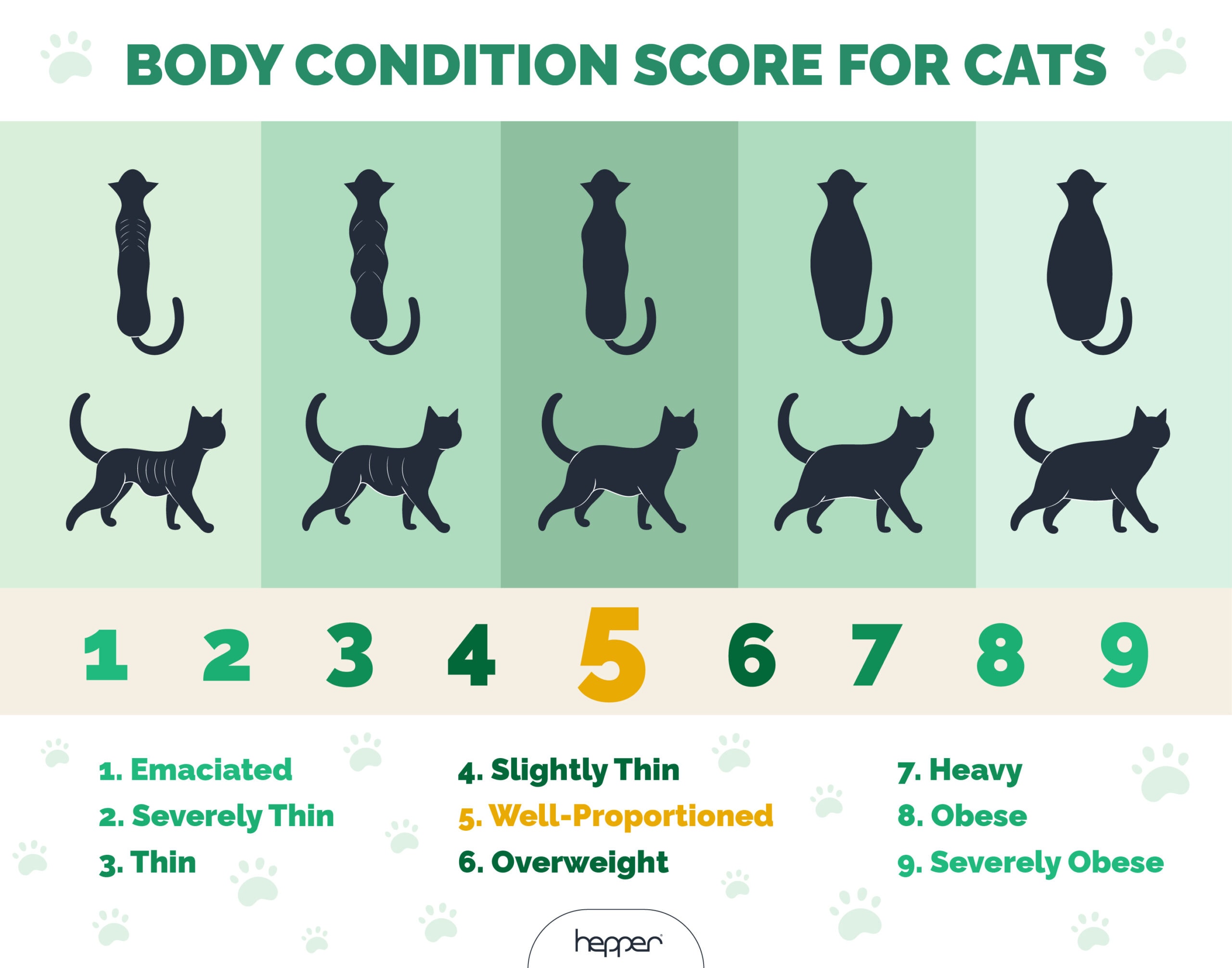
Thin ribs and spine show through the skin. You may notice a sunken belly or hip bones sticking out. Fur might look dull or patchy. Weak muscles cause less strength and energy. Sudden weight loss is a clear sign to check your cat’s health.
Behavioral Changes
Your cat may eat less or lose interest in food. They might hide more or become less active. Grooming habits could change, with less cleaning of fur. A tired or lethargic cat often needs medical attention. These behaviors can signal your cat needs to gain weight.
Choosing The Right Food
Choosing the right food is key to helping cats gain weight. Cats need food that provides enough calories and nutrients. The right diet supports healthy weight gain without causing health problems. Focus on foods that are rich in protein and fat. These help build muscle and add energy. Understanding different food types can guide you to better choices for your cat.
High-calorie Diet Options
High-calorie foods give cats more energy in smaller amounts. Look for cat foods labeled for weight gain or active cats. These usually have extra fat and protein. Homemade meals can be an option with vet guidance. Use ingredients like cooked chicken, turkey, or fish. Avoid foods with fillers like corn or soy. These do not add real nutrition or calories.
Wet Vs Dry Food
Wet food contains more moisture and is easier to eat. It often has more protein and fat than dry food. Cats with poor appetite may prefer wet food. Dry food is convenient and helps keep teeth clean. Mixing wet and dry food offers variety and benefits. Watch your cat’s preference and appetite carefully. Adjust the type based on what they enjoy and eat well.
Supplements For Weight Gain
Supplements can boost calories and nutrients. Fish oil adds healthy fats and omega-3s. Vitamin supplements support overall health and appetite. Use supplements only after talking with a vet. Avoid overfeeding or giving too many supplements. Balanced nutrition is important to prevent health issues. Small changes can make a big difference in weight gain.
Feeding Strategies For Weight Gain
Feeding your cat properly helps them gain healthy weight. Changing how you feed can make a big difference. Focus on small, frequent meals and good portion sizes. Make meals inviting and tasty to boost their appetite. Avoid overfeeding to keep your cat safe and healthy.
Meal Frequency And Portions
Feed your cat several small meals each day. This helps cats eat more without feeling too full. Divide the daily food amount into 3 to 4 portions. Measure the portions carefully to control calorie intake. Regular meal times create a routine your cat can trust.
Encouraging Appetite
Warm the food slightly to release its aroma. Use wet food or add broth to make meals more appealing. Offer a variety of flavors and textures to keep interest. Gently hand-feed or use interactive feeders to engage your cat. A calm, quiet place encourages relaxed eating.
Avoiding Overfeeding Risks
Too much food can cause stomach upset or obesity. Stick to recommended portions based on your cat’s weight and health. Avoid free-feeding or leaving food out all day. Monitor your cat’s weight and body condition regularly. Consult a vet if unsure about portion sizes or diet changes.
Monitoring Your Cat’s Progress
Monitoring your cat’s progress is key to helping them gain weight safely. Careful tracking lets you see how well your cat responds to the new diet. It also helps you catch any problems early. Stay patient and consistent. Small changes over time lead to good results.
Tracking Weight Changes
Weigh your cat regularly, at least once a week. Use the same scale and time of day for accuracy. Write down each weight to spot trends. A steady gain of about 0.5 to 1 pound per month is healthy. Sudden weight loss or no gain may need a vet visit.
Adjusting Diet Plans
Observe how your cat reacts to the current food. Increase portions slowly if no weight gain occurs. Try high-calorie, nutritious foods approved by your vet. Mix wet and dry food to improve appetite. Change the diet only after tracking results for two weeks. Always watch for any digestive issues or discomfort.
Credit: articles.hepper.com
When To See A Veterinarian
Knowing when to see a veterinarian is crucial for your cat’s health. Sudden or ongoing weight loss may signal serious problems. Early vet visits help catch issues before they get worse. Always watch your cat’s eating habits and energy levels closely. Acting fast can save your cat’s life and improve its well-being.
Persistent Weight Loss
Persistent weight loss means your cat keeps losing weight over time. This is not normal and needs vet attention. The vet will check for infections, parasites, or dental problems. They may also run blood tests to find hidden causes. Do not wait too long to get help.
Underlying Medical Conditions
Some medical conditions cause cats to lose weight quickly. Diabetes, kidney disease, and thyroid problems are common culprits. These illnesses need proper diagnosis and treatment by a vet. Treating the illness often helps your cat gain weight again. Regular check-ups help catch these conditions early.
Frequently Asked Questions
How Can I Safely Help My Cat Gain Weight?
Feed high-calorie, nutrient-rich food in small, frequent meals. Consult a vet to rule out health issues. Monitor weight weekly and adjust feeding accordingly.
What Foods Promote Healthy Weight Gain In Cats?
Choose wet food, high in protein and fat. Add supplements like cooked eggs or tuna. Avoid fillers and low-quality kibble for better nutrition.
When Should I Consult A Vet About My Cat’s Weight?
Seek vet advice if weight loss is sudden, persistent, or accompanied by other symptoms. Early diagnosis prevents serious health problems and guides proper treatment.
How Often Should I Feed My Underweight Cat?
Feed small portions 3 to 4 times daily. Frequent meals improve digestion and nutrient absorption. Maintain a consistent feeding schedule to support steady weight gain.
Conclusion
Helping cats gain weight takes patience and care. Offer small, frequent meals with nutritious food. Keep their environment calm and stress-free. Watch for changes in appetite or behavior. Consult a vet if weight gain is slow or stops. Healthy weight supports your cat’s energy and happiness.
Consistency and love make all the difference. Keep trying, and your cat will thrive.