How to Make Cats Be Friends: Proven Tips for Peaceful Pals

Do you want your cats to get along and share a peaceful home? Watching your furry friends become friends can bring so much joy to your life.
But getting cats to bond isn’t always easy. You might feel frustrated when they hiss, hide, or simply ignore each other. The good news is, with the right steps, you can help your cats build a strong friendship. Keep reading, and you’ll discover simple, effective tips that make a real difference in how your cats connect and enjoy each other’s company.
Your home can be a place where they both feel happy and safe.

Credit: www.catster.com
Preparing Your Home
Preparing your home helps cats feel safe and calm. It lowers stress and stops fights. Each cat needs its own space to relax and explore. This makes meeting each other easier and friendlier.
Create Separate Spaces
Give each cat its own room or corner. Use barriers like baby gates or shelves. Separate areas stop cats from feeling crowded or threatened. They can learn about each other slowly and safely.
Use Comfortable Bedding
Place soft beds in quiet spots for each cat. Cats sleep a lot and need comfort. Good bedding helps them feel secure and relaxed. It also gives them a place to retreat if they want peace.
Set Up Multiple Feeding Areas
Put food and water bowls in different rooms. Cats may become aggressive if they share food space. Separate feeding spots reduce competition and stress. Each cat can eat calmly and feel safe.
Credit: catinaflat.com
Introducing Cats Slowly
Introducing cats slowly helps them accept each other. It lowers fear and stress. This process takes time and patience. Each step builds trust between cats. Start with small actions and watch their reactions carefully.
Start With Scent Exchange
Cats recognize each other by smell. Swap their bedding or toys to mix scents. Let each cat sniff the other’s scent in a calm place. This helps them get used to the new smell without meeting face-to-face. Repeat this daily to build familiarity.
Gradual Visual Contact
After scent exchange, allow cats to see each other safely. Use a baby gate or cracked door for a short time. Watch their body language closely. No hissing or growling means progress. Increase the time slowly over days or weeks.
Supervised Initial Meetings
Let cats meet in the same room with supervision. Keep the first meetings short and positive. Use treats or toys to create good memories. Separate them if any signs of aggression appear. Gradually increase interaction time as they get comfortable.
Encouraging Positive Interactions
Encouraging positive interactions helps cats feel safe and build trust. This step is key to making them friends. Patience and gentle guidance create a calm environment. Small moments of kindness lead to a strong bond over time.
Use Playtime To Bond
Playtime is a great way to bring cats together. Use toys that both cats like. Moving toys around can catch their attention and encourage teamwork. Play helps reduce stress and lets cats enjoy each other’s company. Keep sessions short and fun to keep their interest.
Reward Friendly Behavior
Praise and treats motivate cats to act kindly. Give a small treat when they sniff or sit near each other. Soft words and gentle petting work well too. Rewarding good behavior teaches cats that being near each other is positive. Consistency helps them learn faster.
Avoid Forced Contact
Never push cats to interact if they are scared. Forced contact can cause fear and aggression. Let cats decide when they want to get close. Give each cat its own space to retreat. Respect their feelings to build trust and comfort.
Managing Conflicts
Managing conflicts between cats is important for a peaceful home. Cats can show stress or anger in different ways. Knowing how to handle these moments helps them become friends faster.
Recognize Warning Signs
Watch your cats closely. Look for signs like hissing, growling, or staring. Ears flattened or tails puffed up mean they feel threatened. Early signs help stop fights before they start.
Separate When Needed
If cats begin to fight, separate them calmly. Use a blanket or a large piece of cardboard to create space. Avoid using your hands to prevent scratches. Let them cool down in different rooms for a while.
Consult A Veterinarian Or Behaviorist
Persistent fighting needs expert help. A vet can check for pain or illness causing aggression. A behaviorist teaches ways to reduce stress and improve interaction. Professional advice improves your cats’ chances of friendship.
Maintaining Long-term Peace
Maintaining long-term peace between cats needs careful attention every day. It means creating a calm and safe home for both cats. Peace grows when they feel secure and comfortable together. Simple habits help keep their friendship strong and reduce fights.
Provide Plenty Of Resources
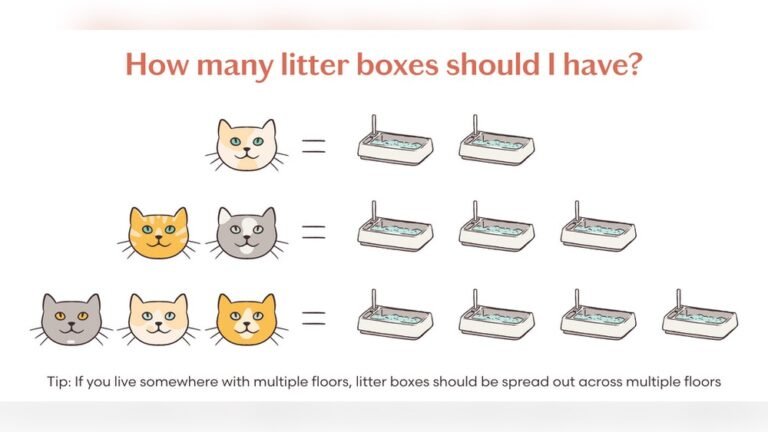
Give each cat its own food bowl, water dish, and litter box. More resources mean less fighting over things. Place these items in different spots around your home. Cats like having their own space to eat and rest. This helps them avoid stress and competition.
Keep Routine Consistent
Cats feel safe with a regular daily schedule. Feed them at the same times each day. Play and pet them on a steady routine too. A stable schedule lowers anxiety and keeps cats calm. They learn what to expect and feel more relaxed.
Monitor Ongoing Behavior
Watch how your cats act toward each other every day. Look for signs of stress or aggression. Small changes can show problems early. Step in quickly if you see fights or fear. Praise and reward calm, friendly behavior to encourage peace.

Credit: kdfoundation.org
Frequently Asked Questions
How Long Does It Take For Cats To Become Friends?
Cats usually take days to weeks to bond. Patience is key. Gradual introductions and positive interactions speed up friendship development.
What Is The Best Way To Introduce Two Cats?
Introduce cats slowly in separate rooms. Swap scents with bedding. Use short supervised meetings to build trust gradually.
Can Cats From Different Ages Become Friends?
Yes, cats of different ages can bond well. Older cats may teach younger ones social skills. Proper introductions are essential.
What Signs Show Cats Are Becoming Friends?
Friendly cats groom each other, sleep close, and play together. They show relaxed body language and purring during interactions.
Conclusion
Helping cats become friends takes patience and care. Give them space to explore each other slowly. Use treats and play to create positive moments. Watch their body language to understand their feelings. Remember, every cat moves at its own pace.
Stay calm and gentle throughout the process. Soon, they may enjoy each other’s company. Friendship between cats is possible with time and love. Keep trying, and your cats can become good pals.