How to Tell If Your Cat Has Anxiety: Key Signs & Solutions

Does your cat seem restless, hiding more than usual, or acting out in ways that puzzle you? You might be wondering if your furry friend is feeling anxious.
Just like people, cats can experience anxiety, and it can affect their happiness and health. Knowing the signs of cat anxiety can help you support your pet better and bring back the calm and joy you both deserve. Keep reading to discover how to tell if your cat has anxiety and what you can do to help.
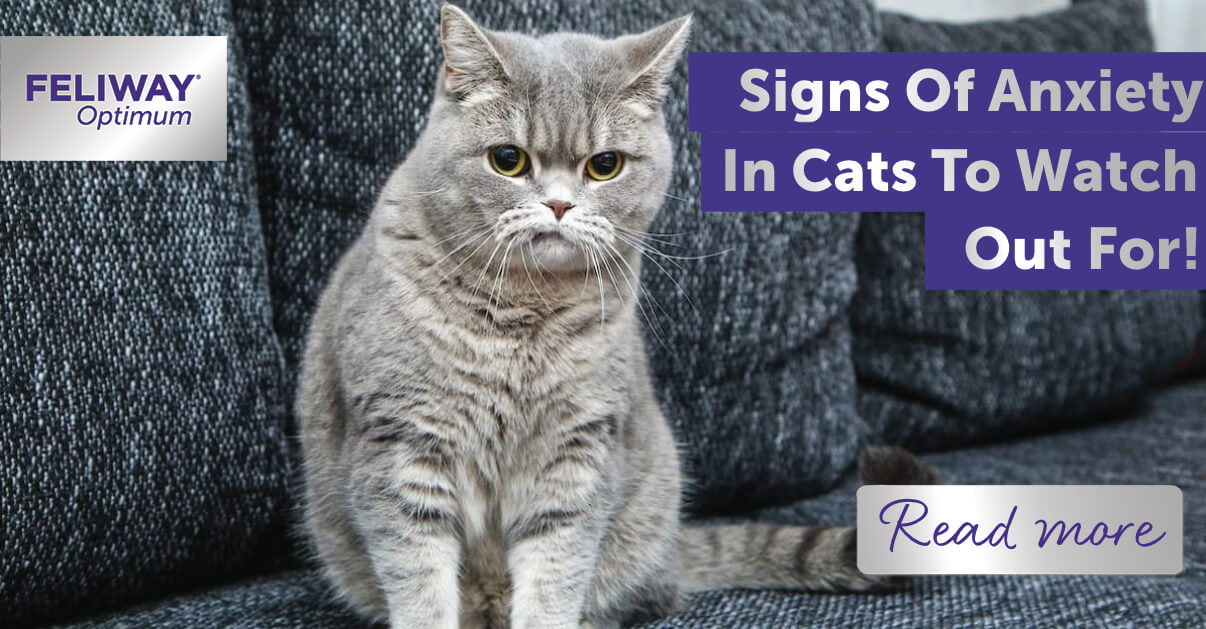
Credit: us.feliway.com
Common Anxiety Signs
Noticing common anxiety signs in your cat helps you support their well-being. Cats often hide stress, making it hard to see the problem. Watching for changes in behavior, body, and sounds can reveal anxiety early. Understanding these signs lets you help your cat feel safe and calm.
Behavioral Changes
Watch for unusual hiding or avoiding people. Your cat may stop playing or lose interest in food. Aggression or sudden fearfulness can appear without reason. Pacing or restlessness shows your cat feels uneasy. These shifts in habits often point to anxiety.
Physical Symptoms
Look for trembling or shaking in your cat’s body. Excessive grooming or hair loss can happen from stress. Your cat might have a faster heartbeat or heavy breathing. Digestive issues like vomiting or diarrhea are also common. Physical signs show anxiety affects more than just mood.
Vocalization Patterns
Your cat may meow more than usual or make strange sounds. Crying or yowling at odd times can indicate worry. Some cats become quieter, avoiding noise and attention. Changes in how your cat talks often reflect their inner stress.
Triggers Of Cat Anxiety
Cat anxiety can stem from many different triggers. Understanding these triggers helps you spot signs of stress early. Anxiety in cats often shows through behavior changes. Identifying the cause is the first step to helping your pet feel calm and safe.
Environmental Stressors
Noise from construction or loud traffic can upset cats. New smells or unfamiliar objects create uncertainty. Crowded spaces or too many pets cause tension. Cats need quiet, safe places to relax. Sudden changes in their surroundings increase anxiety.
Changes In Routine
Cats thrive on regular schedules for eating and play. Moving furniture or changing feeding times may confuse them. Travel or visits to the vet disrupt their normal life. A break in routine can make cats feel unsafe. Small changes can lead to big stress.
Social Interactions
New people or animals can frighten shy cats. Overwhelming attention or rough handling causes fear. Lack of socialization early in life affects how cats react. Some cats prefer solitude over company. Understanding your cat’s social limits reduces anxiety.
Diagnosing Cat Anxiety
Diagnosing anxiety in cats can be tricky. Cats hide their feelings well. Owners must watch closely to see signs of stress or fear. Understanding these signs helps provide better care.
Careful diagnosis is key. It ensures the cat gets the right help. Diagnosis includes veterinary checks and watching behavior closely.
Veterinary Assessment
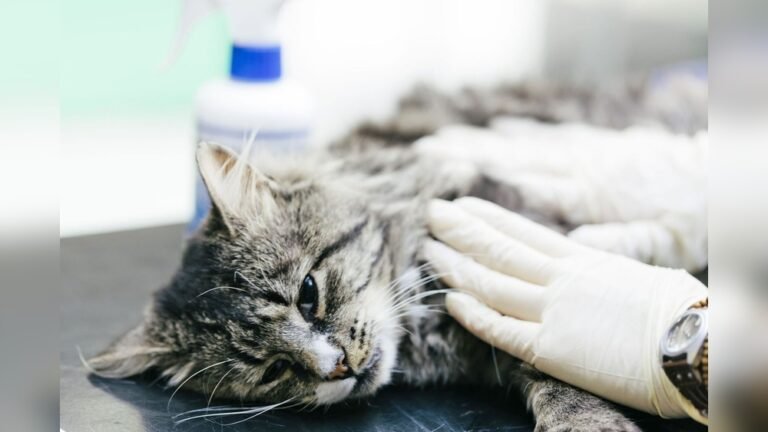
A vet will check your cat’s health first. Illness can cause anxiety-like symptoms. The vet may run tests to rule out medical problems. This step helps find the true cause of anxiety.
The vet also discusses your cat’s history. This includes changes in environment or routine. Knowing this helps create a clear picture of your cat’s health.
Behavioral Observation
Observe your cat’s actions daily. Look for hiding, pacing, or aggressive behavior. Changes in eating or grooming habits matter too. These signs often point to anxiety.
Keep a diary of your cat’s behavior. Note when and where anxiety seems worse. This record helps you and the vet understand triggers and patterns.
When To Seek Help
Seek help if anxiety affects your cat’s life. Signs include constant hiding or sudden aggression. Loss of appetite or excessive grooming also signals distress.
Early help improves your cat’s comfort and health. Don’t wait for symptoms to worsen. Professional advice can guide effective treatment and care.

Credit: www.liftingitalia.com
Home Remedies For Anxiety
Home remedies can help reduce your cat’s anxiety naturally. These methods create comfort and calm without medication. Simple changes at home can make a big difference. Try these easy ways to support your anxious cat.
Creating A Safe Space
Provide a quiet, cozy spot for your cat. Use soft bedding in a low-traffic area. This space should feel private and secure. Cats relax when they have a place to hide. Add familiar scents like a worn shirt or blanket.
Interactive Play
Play helps your cat burn nervous energy. Use toys like feather wands or balls to engage them. Short, frequent play sessions work best. Play builds confidence and reduces stress. It also strengthens your bond with your cat.
Calming Products
Try calming products designed for cats. Pheromone sprays and diffusers mimic natural calming signals. They create a peaceful environment. Herbal supplements or treats may also help ease anxiety. Always check with a vet before use.
Professional Treatments
Professional treatments can help manage your cat’s anxiety effectively. These treatments focus on reducing stress and improving your cat’s well-being. Experts use a variety of methods, depending on your cat’s needs.
Behavioral Therapy
Behavioral therapy helps change your cat’s anxious habits. A trained specialist guides you through calming exercises. They may teach you how to create a safe space for your cat. This therapy uses rewards to encourage positive behavior. Consistency is key for success in behavioral therapy.
Medication Options
Some cats benefit from medication to ease anxiety. Vets may prescribe anti-anxiety drugs or calming supplements. Medications help balance brain chemicals linked to stress. Always follow the vet’s instructions carefully. Medication often works best combined with behavioral therapy.
Follow-up Care
Regular check-ups ensure your cat’s treatment is working. The vet may adjust the plan as needed. Monitoring helps catch any side effects early. Follow-up visits keep your cat comfortable and calm. Patience and care improve treatment results over time.

Credit: www.richmondvetclinic.ca
Preventing Future Anxiety
Preventing future anxiety in cats helps keep them calm and happy. Small changes in daily care can make a big difference. Creating a safe, stable environment lowers stress and fear. Focus on simple habits that build trust and comfort.
Consistent Routine
Cats feel safe when their day follows a pattern. Feeding, playtime, and rest should happen around the same time. Sudden changes can confuse or scare cats. A steady routine helps them know what to expect. This reduces worry and helps them relax.
Positive Reinforcement
Reward good behavior with treats or gentle petting. This teaches your cat that calm actions bring rewards. Avoid punishment; it can increase anxiety. Praise and kindness encourage your cat to stay calm. Positive moments strengthen your bond and build confidence.
Environmental Enrichment
Provide toys, scratching posts, and cozy spots to explore. New and interesting items keep your cat’s mind busy. This prevents boredom, a common cause of anxiety. A quiet place to hide also helps cats feel safe. Enriched spaces make life more fun and less stressful.
Frequently Asked Questions
What Are Common Signs Of Anxiety In Cats?
Common signs include hiding, excessive grooming, loss of appetite, and vocalization. Cats may also show aggression or restlessness when anxious.
How Can I Differentiate Anxiety From Illness In Cats?
Anxiety usually causes behavioral changes without physical symptoms. Illness often shows physical signs like vomiting, diarrhea, or lethargy alongside behavior changes.
Can Changes In Environment Cause Cat Anxiety?
Yes, sudden changes like moving, new pets, or loud noises can trigger anxiety in cats. Stability helps reduce stress.
When Should I Consult A Vet About Cat Anxiety?
Consult a vet if anxiety affects your cat’s eating, sleeping, or causes aggression. Professional advice ensures proper diagnosis and treatment.
Conclusion
Noticing changes in your cat’s behavior helps spot anxiety early. Small signs like hiding or changes in eating matter. Acting quickly can make your cat feel safe again. Talk to a vet for advice and support. A calm cat is a happy cat.
Keep watching and caring for your furry friend daily. Simple steps protect your pet’s health and comfort. Anxiety can be managed with patience and love. Your cat depends on you to stay well.