When Should Kittens Start Eating Dry Food: Essential Feeding Guide

Are you wondering when your kitten is ready to start eating dry food? Knowing the right time to make this switch is important for your kitten’s health and growth.
Feed them too early, and they might struggle to chew or digest it. Wait too long, and they could miss out on important nutrients. You’ll discover the perfect age to introduce dry food, how to do it smoothly, and tips to keep your kitten happy and healthy.
Keep reading—your furry friend’s best start depends on it!
Credit: www.kinship.com
Kittens’ Early Diet
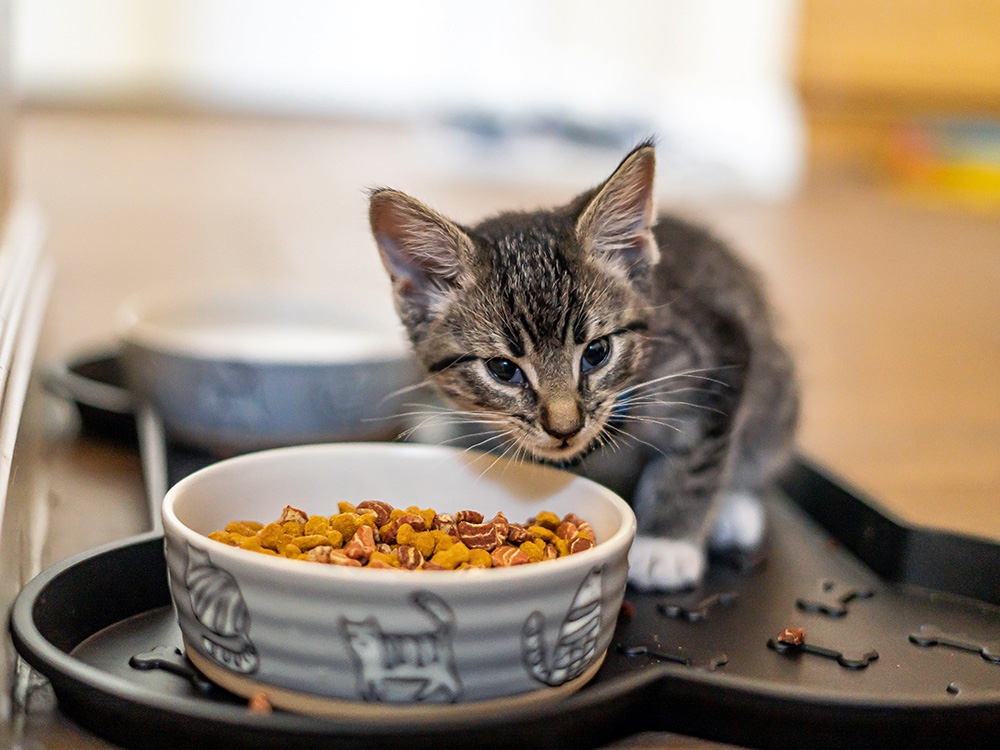
Kittens’ early diet plays a crucial role in their growth and health. Understanding kitten nutrition stages helps in providing the right food at the right time. The diet starts with nursing and then moves to solid foods, including dry food. Knowing the best age for dry food and how to manage the kitten feeding schedule ensures smooth kitten diet progression. This section explains the nursing stage and the introduction to solid food to guide you through transitioning kittens to dry food.
Nursing Stage
The nursing stage is the first and most important phase of kitten nutrition stages. During this time, kittens rely solely on their mother’s milk. The milk contains all essential nutrients to support rapid growth and kitten digestive development.
- Duration: From birth to about 4 weeks old.
- Nutrient focus: High protein, fat, and antibodies.
- Frequency: Kittens nurse every 2-3 hours.
Mother’s milk helps kittens build immunity and prepares their digestive system for later foods. The milk is easy to digest and perfect for their small stomachs. During this stage, kittens cannot eat solid foods safely.
| Age | Feeding Type | Notes |
|---|---|---|
| 0-2 weeks | Mother’s milk only | Frequent nursing, no solid food |
| 2-4 weeks | Mother’s milk | Begin preparing for weaning |
Strong nursing builds a healthy foundation. Watch for growth and alertness. Poor nursing may require alternative feeding methods. Consult a vet if kittens appear weak or fail to gain weight.
Introduction To Solid Food
Solid food introduction for kittens marks the start of kitten diet progression. This phase usually begins around 4 weeks old. It overlaps with the nursing stage as kittens slowly learn to eat solid foods.
Start by offering soft, wet food or moistened dry food. This helps with kitten digestive development as their stomachs adapt. Gradually, increase the amount and decrease moisture to encourage dry food eating.
- Offer small amounts of softened dry food or wet food 3-4 times daily.
- Mix dry kitten food with water or kitten formula to soften.
- Observe how kittens respond to new textures and tastes.
- Slowly reduce moisture over 2-3 weeks.
- Monitor weight and health during transition.
Feeding tips for young kittens during this stage:
- Keep feeding areas clean to prevent illness.
- Provide fresh water at all times.
- Feed small, frequent meals to match kitten metabolism.
- Avoid sudden changes in diet to reduce digestive upset.
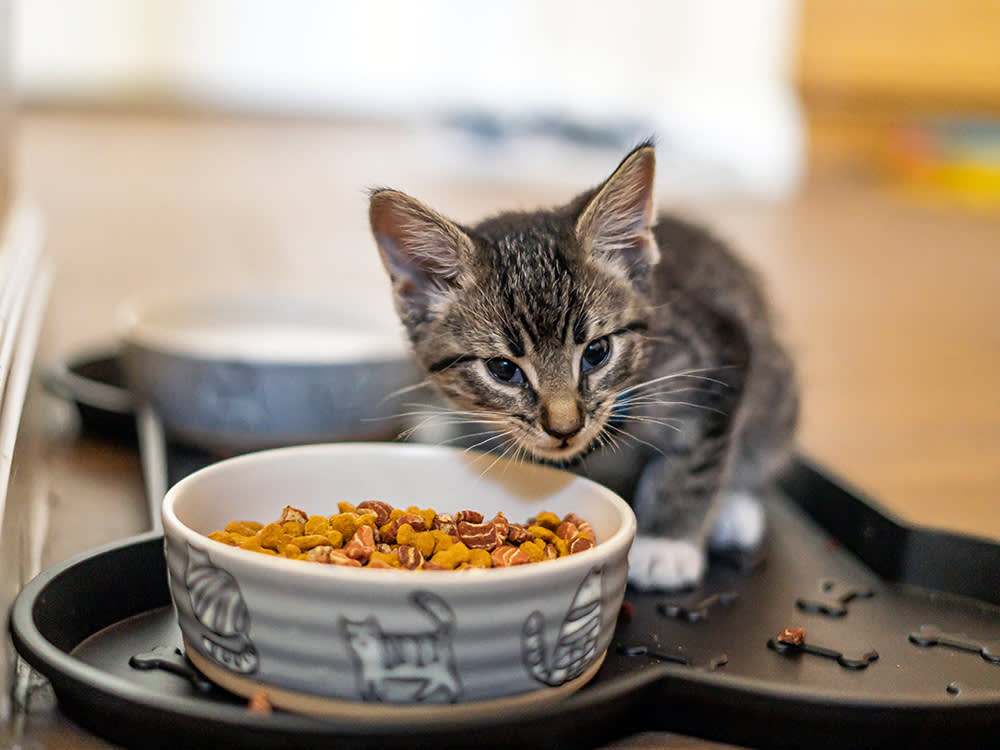
Dry kitten food benefits include dental health improvement and convenience. By 8 weeks, most kittens can eat dry food well. The best age for dry food often ranges from 6-8 weeks, but watch each kitten’s readiness.
| Age (Weeks) | Feeding Stage | Food Type |
|---|---|---|
| 4-5 | Start solid food | Softened dry food or wet food |
| 6-8 | Weaning kittens | Gradually dry food only |
Proper care during the transitioning kittens to dry food phase supports healthy growth and strong immune systems.
Credit: www.kinship.com
Timing For Dry Food
Introducing dry food into a kitten’s diet is a key part of their growth and health. Timing for dry food matters a lot for their digestion and nutrition. Kittens go through important Kitten Nutrition Milestones that help you know the best Age To Feed Dry Kitten Food. Starting dry food too early or too late can affect their eating habits and health. Knowing the right moment for Starting Dry Food Kittens ensures a smooth transition. This section covers the perfect timing and the signs to watch for in Kittens Dry Food Introduction.
Ideal Age To Start
The Kitten Weaning Age is usually between 4 to 6 weeks old. This is when kittens begin to move from mother’s milk to solid foods. The best Age To Feed Dry Kitten Food typically starts around 8 weeks. At this time, their teeth and digestive systems are ready for dry food.
Here is a simple Kitten Feeding Schedule to help with Transitioning To Dry Food Kittens:
| Age | Type of Food | Notes |
|---|---|---|
| 0-4 weeks | Mother’s milk or milk replacer | Exclusive milk feeding |
| 4-6 weeks | Wet food mixed with milk | Start soft solid food introduction |
| 6-8 weeks | Wet and dry food mix | Increase dry food amount gradually |
| 8+ weeks | Mostly dry food with some wet | Safe to start dry kitten food fully |
Dry Food Benefits Kittens by helping clean their teeth and providing balanced nutrients. Starting dry food after 8 weeks supports good growth and learning healthy eating habits.
Signs They Are Ready
Recognizing the Signs Kitten Ready Dry Food is crucial for a smooth feeding transition. Not all kittens are ready at the same time, so watch for these clues:
- Teeth Development: Kittens have small but strong teeth by 6-8 weeks.
- Interest in Solid Food: They try to nibble on dry or wet food.
- Ability to Chew: They chew food instead of swallowing whole.
- Weight Gain: Steady growth shows they can handle new food types.
Signs like curiosity about food and less reliance on mother’s milk mean it is time for Starting Dry Food Kittens. It is important to maintain Dry Kitten Food Safety by offering small amounts first. Monitor their digestion and adjust feeding amounts as needed.
A simple checklist to confirm readiness:
- Teeth are visible and functional.
- Kitten shows interest in your food or their own.
- They can hold and chew dry kibble.
- They are eating more solid food than milk.
- They have no digestive issues with small dry food portions.
Watching these signs helps you follow the right Kitten Nutrition Milestones and ensures a healthy Kitten Feeding Schedule. This makes Transitioning To Dry Food Kittens easier and safer for your kitten’s growth.
Choosing The Right Dry Food
Choosing the right dry food for kittens is essential for their growth and health. Kittens need food that supports their energy, development, and immune system. Not all dry foods are made the same. Selecting the best option helps kittens thrive and stay strong. Understanding their nutritional needs and the types of dry food available makes feeding easier and more effective.
Nutritional Needs
Kittens require a special diet rich in proteins, fats, vitamins, and minerals. Their bodies grow fast, so they need more nutrients than adult cats. The right dry food should provide balanced nutrition to support this rapid growth.
- High Protein: Essential for muscle development and energy.
- Fats: Provide energy and help absorb vitamins.
- Vitamins and Minerals: Support the immune system and bone growth.
- Taurine: An important amino acid for heart and eye health.
- DHA: Supports brain and vision development.
Look for kitten food labeled as “complete and balanced.” This means it meets the standards set by pet nutrition experts. Avoid adult cat food as it lacks the necessary nutrients for kittens.
| Nutrient | Purpose | Recommended Amount |
|---|---|---|
| Protein | Muscle growth and repair | 30-40% |
| Fat | Energy and vitamin absorption | 15-20% |
| Taurine | Heart and eye health | Included in sufficient quantity |
| Vitamins & Minerals | Overall development | Balanced |
Types Of Kitten Dry Food
Kitten dry food comes in several types. Each has benefits to suit different needs and preferences. Choosing the right type helps kittens eat well and enjoy mealtime.
- Standard Dry Kibble: Easy to store and feed. Helps keep teeth clean.
- Grain-Free: Avoids grains that may cause allergies or digestion problems.
- High-Protein Formulas: Designed for active kittens or those needing extra muscle support.
- Organic or Natural: Made with fewer artificial ingredients and preservatives.
Check the ingredient list carefully. The first ingredient should be a good source of animal protein, like chicken or fish. Avoid foods with too many fillers like corn or soy.
Packaging may show feeding guidelines. Follow these based on your kitten’s weight and age. Gradually introduce dry food by mixing it with wet food at first. This makes the change easier for kittens.
Transitioning Process
The transitioning process is a key step when kittens start eating dry food. It helps their tiny stomachs adjust to new textures and flavors. Sudden changes can upset their digestion or make them refuse food. Starting dry food too early or too fast may cause discomfort or poor nutrition. Careful and slow changes build good eating habits and keep kittens healthy. This process usually begins around 4 to 6 weeks of age, but every kitten is different. Patience and observation help find the right pace for each kitten.
Gradual Introduction
Begin dry food slowly to avoid upsetting the kitten’s stomach. Start with small amounts and watch for any signs of discomfort or refusal. The goal is to let the kitten get used to the taste and texture without stress.
- Offer dry food in small quantities, about a teaspoon at first.
- Place the dry food near their usual feeding area.
- Let the kitten sniff and lick the dry food before eating.
- Increase the dry food amount slowly over 1 to 2 weeks.
During this time, observe the kitten’s behavior and stool quality. Soft stool or diarrhea means slow down the introduction. A good schedule might look like this:
| Week | Dry Food Amount | Notes |
|---|---|---|
| 1 | 1 teaspoon per meal | Mix with wet food or water if needed |
| 2 | 2 teaspoons per meal | Watch digestion and interest |
| 3 | 3-4 teaspoons per meal | Reduce wet food gradually |
| 4 | Full dry food portion | Remove wet food if kitten is eating well |
Keep fresh water available at all times. Kittens need water to help digest dry food properly.
Mixing Wet And Dry Food
Mixing wet and dry food helps kittens accept dry food more easily. Wet food is soft and familiar, making the new dry food less intimidating. The mix also keeps meals tasty and moist, encouraging eating.
Start by adding a small amount of dry food to wet food. Gradually increase the dry portion over days. This method lets kittens enjoy their favorite flavors while trying new textures.
- Mix dry food into wet food in a 1:3 ratio at first.
- Stir well so dry food softens and becomes easier to chew.
- Over 7-10 days, change the ratio to 1:1, then 3:1 dry to wet.
- Watch for any signs of refusal or stomach upset.
Here is a simple guide for mixing ratios:
| Day Range | Dry Food | Wet Food | Notes |
|---|---|---|---|
| 1-3 | 1 part | 3 parts | Soft, easy to eat |
| 4-7 | 2 parts | 2 parts | Balanced texture |
| 8-10 | 3 parts | 1 part | Mostly dry food |
Patience is key. Some kittens may take longer to accept dry food. Keep offering mixed meals and avoid forcing them. This gentle approach builds trust and encourages healthy eating habits.
Feeding Tips And Tricks
Introducing dry food to kittens is an important step in their growth. Feeding dry food too early or too late can affect their digestion and nutrition. Feeding tips and tricks help ensure kittens enjoy their food and stay healthy. Careful feeding supports their development and builds good eating habits.
Portion Control
Portion control is key to feeding kittens dry food safely. Overfeeding can cause obesity and stomach problems. Underfeeding leads to poor growth and low energy. Use kitten age and weight as guides to measure portions.
Follow these guidelines for portion control:
- Start with small portions about 1 to 2 tablespoons per meal.
- Feed kittens 3 to 4 times a day until they are 6 months old.
- Adjust portions based on kitten’s appetite and weight changes.
- Keep fresh water available at all times.
| Kitten Age | Daily Dry Food Amount | Number of Meals |
|---|---|---|
| 4-8 weeks | Small nibble only, mix with wet food | 4-5 times |
| 8-12 weeks | 1/4 to 1/3 cup | 4 meals |
| 3-6 months | 1/3 to 1/2 cup | 3-4 meals |
| 6 months to 1 year | 1/2 to 3/4 cup | 2-3 meals |
Measure food using a standard measuring cup. Avoid guessing amounts. Watch for leftover food to know if you need to adjust portions. Maintaining portion control helps kittens develop a healthy weight and good eating routine.
Monitoring Health
Monitoring a kitten’s health during dry food introduction is critical. Watch for signs that the food agrees with their body and digestion. Changes in behavior, weight, or stool can signal problems.
Here are key points to monitor:
- Weight: Weigh kittens weekly to track steady growth.
- Energy Level: Active and playful kittens indicate good health.
- Stool Quality: Firm, regular stools show good digestion. Loose or hard stools need attention.
- Coat Condition: Shiny and clean fur means good nutrition and health.
- Appetite: Consistent eating habits are a positive sign.
Keep a simple health log to track these points:
Date | Weight (lbs) | Appetite | Stool Quality | Activity Level | Notes --------------------------------------------------------------------------- 2024-06-01 | 2.5 | Good | Firm | High | No issues 2024-06-08 | 2.8 | Good | Soft | Medium | Monitor stool Contact a vet if kittens show weight loss, vomiting, diarrhea, or low activity. Early action protects their health during diet changes.
Common Challenges
Introducing dry food to kittens can bring several challenges for pet owners. Understanding these common issues helps create a smooth transitioning kitten diet. The age to start dry food varies, but many kittens face hurdles like refusal to eat and digestive troubles. Recognizing signs of food refusal in kittens and paying attention to kitten digestive health improve their overall kitten nutrition. A well-planned kitten feeding schedule supports healthy growth and eases the weaning kittens process.
Refusal To Eat Dry Food
Kittens may refuse dry food due to unfamiliar texture or taste. This behavior is common during the introducing dry kitten food phase. Patience and gradual changes are essential for success. Some kittens prefer wet food because it is softer and more flavorful.
Common reasons for refusal include:
- Preference for mother’s milk or wet food
- Dry food’s hard texture
- Sudden changes in diet
- Stress or new environment
Try these tips to encourage dry food eating:
- Mix dry food with wet food initially
- Offer dry food in small, frequent meals
- Use warm water to soften dry kibbles
- Keep feeding area quiet and comfortable
| Step | Action | Purpose |
|---|---|---|
| 1 | Mix 25% dry food with 75% wet food | Introduce dry texture gently |
| 2 | Increase dry food portion weekly | Help kitten adapt slowly |
| 3 | Serve dry food twice daily | Create routine and habit |
Watching kitten eating habits helps spot problems early. Avoid forcing kittens to eat dry food, as it can cause stress and reduce appetite.
Digestive Issues
Introducing dry food too quickly can cause kitten digestive health problems. Kittens have delicate stomachs during weaning kittens and early feeding stages. Common digestive issues include diarrhea, vomiting, and constipation.
Reasons for digestive problems:
- Sudden diet changes
- Low-quality dry food
- Food intolerance or allergies
- Overfeeding or underfeeding
Maintaining a balanced kitten feeding schedule supports healthy digestion. Use high-quality dry food rich in nutrients to improve dry food benefits for kittens. Gradually increase dry food amount over 7-10 days.
| Digestive Issue | Possible Cause | Solution |
|---|---|---|
| Diarrhea | Sudden diet change | Slow transition, add probiotics |
| Vomiting | Overfeeding or food intolerance | Feed smaller meals, check food quality |
| Constipation | Low moisture in dry food | Provide fresh water, mix wet food |
Monitor stools and appetite closely. Consult a veterinarian if digestive issues persist. Proper kitten nutrition ensures growth and reduces health risks during dry food introduction.

Credit: cats.com
Frequently Asked Questions
When Can Kittens Start Eating Dry Food?
Kittens can start eating dry food at about 8 weeks old. Before this, they rely on their mother’s milk or formula. Introduce dry food gradually by mixing it with wet food or water to ease the transition and support healthy digestion.
How To Transition Kittens To Dry Food Safely?
Mix dry food with wet food or kitten formula initially. Gradually increase dry food over 1-2 weeks. Monitor your kitten’s eating habits and hydration. This slow transition helps prevent digestive upset and encourages acceptance of the new texture and taste.
What Type Of Dry Food Is Best For Kittens?
Choose dry food labeled specifically for kittens. Kitten formulas have higher protein, calories, and essential nutrients. Avoid adult cat food as it lacks the necessary nutrients kittens need for growth and development during their early months.
How Often Should Kittens Eat Dry Food Daily?
Feed kittens 3 to 4 small meals daily. Their small stomachs and high energy needs require frequent feeding. Fresh water should always be available alongside dry food to keep kittens hydrated and healthy.
Conclusion
Kittens usually start eating dry food around four weeks old. This helps them learn to chew and eat on their own. Begin with small amounts mixed with water or wet food. Watch your kitten closely to see how they react.
Always provide fresh water nearby. Gradually increase dry food as they grow stronger. Healthy eating supports their growth and energy. Feeding dry food at the right time keeps kittens happy and healthy. Trust your kitten’s pace and enjoy this exciting stage.