Why is My Cat Sick After Eating? Top Causes & Quick Solutions

Has your cat suddenly started acting sick after eating? It’s scary to see your furry friend feeling unwell, especially when mealtime should be a happy moment.
You might be wondering why this is happening and what you can do to help. Understanding the common reasons behind your cat’s upset stomach can save you from worry and keep your pet healthy. Keep reading to discover the simple signs to watch for and easy steps you can take to protect your cat’s well-being.
Common Causes Of Cat Illness After Eating
Many cat owners worry when their pet feels sick after a meal. Understanding the common causes of cat illness after eating can help identify the problem quickly. Cats may show signs like vomiting, diarrhea, or lethargy soon after eating. These symptoms often point to issues such as food allergies, eating spoiled or toxic food, or rapid eating. Sometimes, underlying health conditions cause these reactions. Knowing these causes helps protect your cat’s health and comfort.
Food Allergies And Intolerances
Feline food allergies and intolerances are frequent reasons for cat digestive problems. Cats can develop allergic reactions to certain ingredients in their food, such as beef, dairy, or fish. These reactions cause symptoms like vomiting, diarrhea, and itching. Cat food intolerance symptoms may include stomach upset without an immune response but still cause discomfort.
Common signs of food allergies or intolerance in cats:
- Repeated vomiting after meals
- Diarrhea or soft stools
- Excessive scratching or skin irritation
- Swelling around the face or paws
To manage these issues, switching to a hypoallergenic or limited-ingredient diet often helps. Testing for specific allergens can identify problem foods. Tracking what your cat eats and their reactions is useful for your vet.
| Allergen | Common Symptoms | Management |
|---|---|---|
| Beef | Vomiting, itching | Remove beef-based food |
| Dairy | Diarrhea, stomach upset | Use lactose-free options |
| Fish | Skin irritation, vomiting | Try fish-free diets |
Eating Spoiled Or Toxic Food
Spoiled cat food effects can cause immediate illness in cats. Eating old or rotten food often leads to vomiting and diarrhea. Cats may also eat harmful items like plants, human food, or chemicals that are toxic food for cats. Symptoms appear quickly and require fast action.
Signs of spoiled or toxic food ingestion:
- Sudden vomiting after eating
- Diarrhea or bloody stools
- Drooling or difficulty swallowing
- Weakness or lethargy
Some common toxic foods for cats include:
- Onions and garlic
- Chocolate
- Grapes and raisins
- Caffeine
- Alcohol
Always check food expiry dates and store cat food properly. Keep harmful human foods and chemicals out of reach. If toxic ingestion is suspected, seek veterinary care immediately.
Rapid Eating And Vomiting
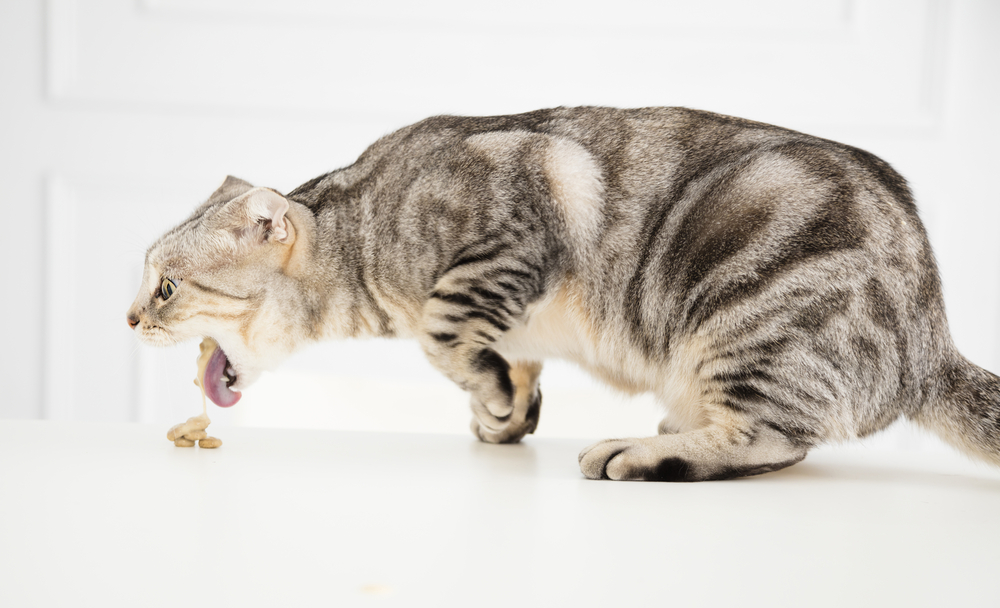
Rapid eating in cats is a common cause of cat vomiting after eating. Some cats eat too fast, swallowing large amounts of food and air. This behavior often leads to regurgitation or vomiting shortly after meals. Rapid eating can also worsen feline gastrointestinal issues.
Reasons cats eat quickly include:
- Competition with other pets
- Hunger due to irregular feeding
- Stress or anxiety
Signs of rapid eating problems:
- Food coming back up soon after eating
- Gagging or coughing during meals
- Excessive drooling
To slow your cat’s eating:
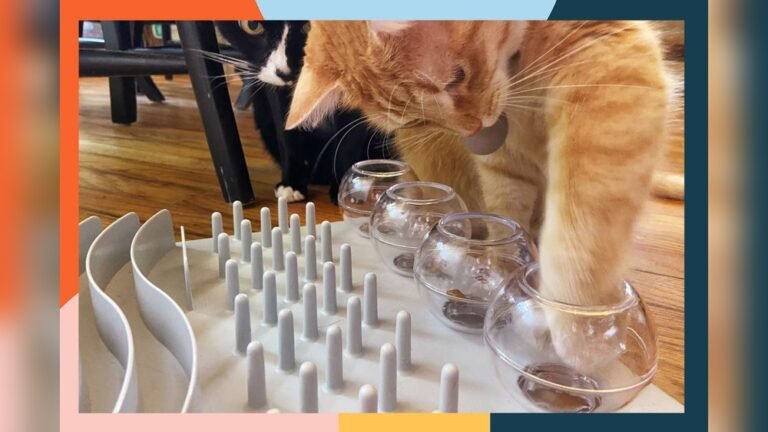
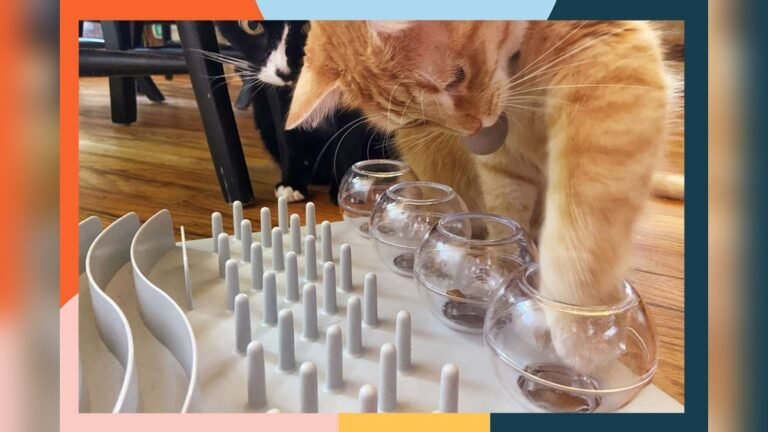
- Use slow feeder bowls
- Feed smaller, frequent meals
- Separate cats during mealtime
Monitoring mealtime behavior helps reduce vomiting caused by rapid eating.
Underlying Health Conditions
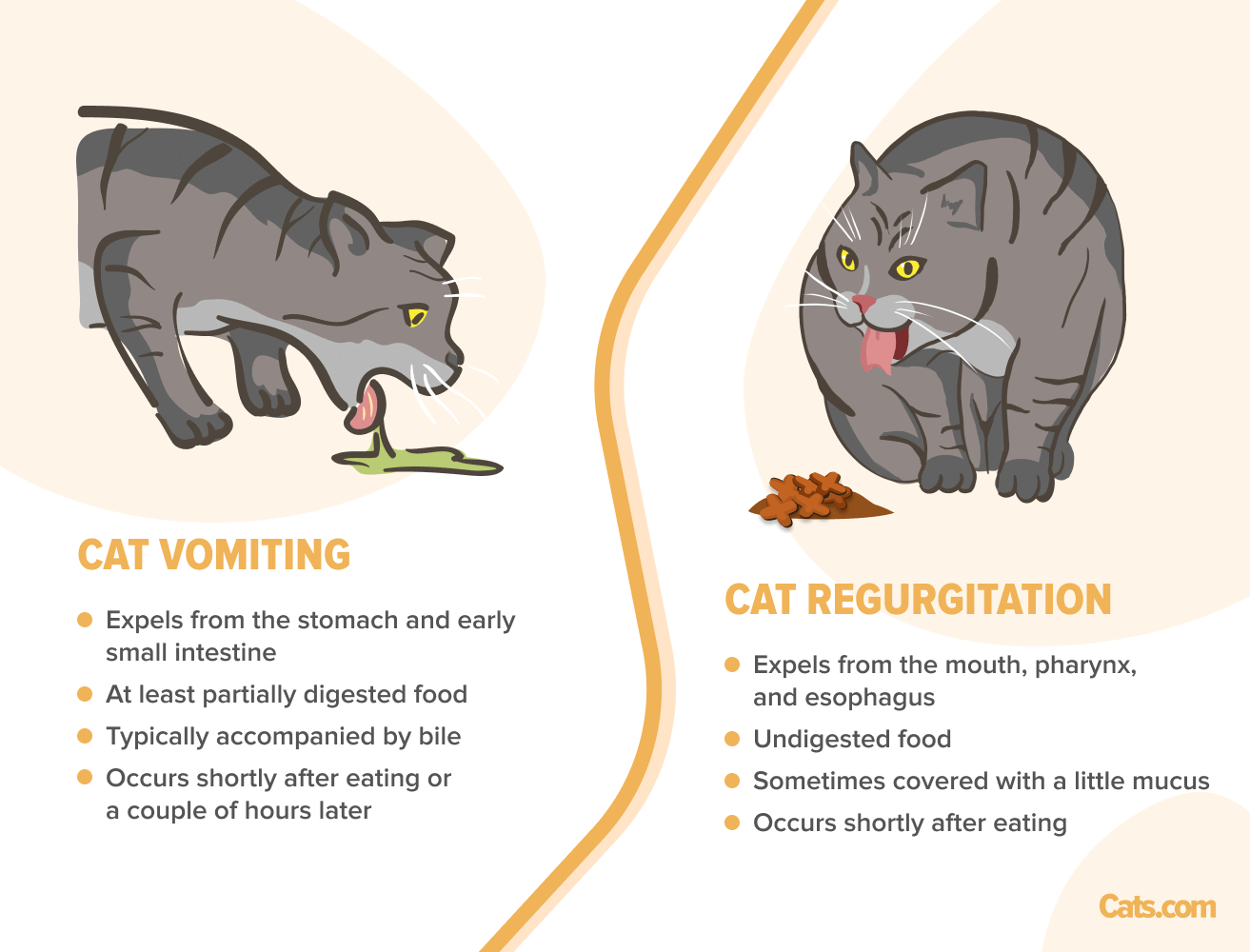
Underlying cat health issues can cause sickness after eating. Problems like infections, kidney disease, pancreatitis, or inflammatory bowel disease often show as cat regurgitation causes. These conditions affect digestion and lead to vomiting or loss of appetite.
Common underlying health conditions include:
| Condition | Symptoms | Notes |
|---|---|---|
| Kidney disease | Vomiting, weight loss, bad breath | Requires veterinary diagnosis |
| Pancreatitis | Abdominal pain, vomiting, lethargy | Needs immediate treatment |
| Inflammatory bowel disease | Chronic vomiting, diarrhea, weight loss | Managed with diet and meds |
Veterinary checkups and tests help identify these issues. Early diagnosis improves treatment success and your cat’s quality of life.
Credit: www.catster.com
Symptoms To Watch For
Noticing your cat feeling sick after eating raises concerns about their health. Recognizing the symptoms to watch for helps identify if your cat needs veterinary care. Cats cannot tell us when they feel unwell, so paying attention to signs is crucial. Common issues like cat vomiting causes or cat digestive issues often show through physical and behavioral changes.
Vomiting And Diarrhea
Vomiting and diarrhea are frequent signs of cat gastrointestinal problems. These symptoms may result from pet food allergies, feline food intolerance, or infections. Watch if your cat vomits more than once or has watery stools. These can lead to dehydration quickly.
- Repeated vomiting or dry heaving
- Loose or watery stools
- Presence of blood or mucus in vomit or stool
- Signs of pain or discomfort during bowel movements
Use this table to track vomiting and diarrhea severity:
| Symptom | Mild | Severe |
|---|---|---|
| Vomiting Frequency | 1-2 times/day | More than 3 times/day |
| Diarrhea | Soft stools | Watery stools with blood |
| Additional Signs | Normal activity | Dehydration, lethargy |
Severe vomiting or diarrhea needs immediate veterinary attention. Early care prevents complications.
Lethargy And Weakness
Lethargy and weakness often follow feline illness after meals. Cats with cat lethargy after eating may hide or sleep more than usual. This behavior shows your cat’s body is fighting a problem.
Signs to observe include:
- Less interest in playing or moving
- Slow response to sounds or touch
- Weakness in walking or standing
- Hiding away in quiet places
Lethargy might result from infections, toxins, or food intolerance. It can also be a symptom of anemia or dehydration caused by vomiting and diarrhea.
Check your cat’s energy levels regularly. Sudden drops in activity often signal serious issues.
Loss Of Appetite
Loss of appetite is a common symptom linked to feline loss of appetite after eating. Cats refusing food may suffer from cat digestive issues or discomfort.
Typical signs include:
- Ignoring favorite treats or meals
- Eating less than normal
- Extended periods without eating (more than 24 hours)
Loss of appetite can stem from:
- Food allergies or intolerances
- Digestive tract infections or inflammation
- Oral pain or dental problems
- Stress or environmental changes
Prolonged loss of appetite affects your cat’s strength and immune system. Early detection helps prevent weight loss and further illness.
Changes In Behavior
Changes in behavior often indicate underlying health problems like cat behavioral changes due to illness. Watch your cat for signs such as:
- Increased irritability or aggression
- Excessive hiding or withdrawal
- Restlessness or pacing
- Vocalizing more or less than usual
Behavioral changes may result from discomfort, pain, or nervous system effects of feline illness after meals. Stress from digestive problems can also alter usual behavior.
Note any sudden or unusual changes. These can be as important as physical symptoms in diagnosing health issues.
When To Visit The Vet
Noticing your cat feels sick after eating can be worrying. It is important to know when to visit the vet to protect your cat’s health. Some signs of illness need quick medical care. This guide helps you understand key symptoms that need a vet’s attention. Acting fast can prevent serious problems.
Persistent Symptoms
Sometimes, cats show signs of sickness that last for days. These are called persistent symptoms and should not be ignored. Examples include:
- Vomiting or diarrhea lasting more than 24 hours
- Loss of appetite for several meals
- Weakness or low energy that does not improve
- Continuous coughing or sneezing
Persistent symptoms may signal infections, allergies, or digestive issues. Watch your cat closely and write down how long symptoms last. This information helps the vet diagnose the problem.
Use this table to track symptoms:
| Symptom | Duration | Notes |
|---|---|---|
| Vomiting | 2 days | Occurs after every meal |
| Loss of appetite | 3 meals | Refuses favorite treats |
| Low energy | 2 days | Hides more than usual |
Persistent symptoms require a vet visit to find and treat the cause. Delay can make illness worse.
Severe Reactions
Severe reactions after eating are emergencies. These need immediate vet care. Watch for:
- Sudden swelling of face, lips, or throat
- Difficulty breathing or wheezing
- Severe vomiting or diarrhea with blood
- Collapse or seizures
Severe reactions can indicate allergic shock or poisoning. These conditions can be life-threatening.
Act fast. Call the vet or emergency clinic right away. Time is critical in these cases.
Keep emergency numbers handy. Prepare a list of foods your cat ate recently. This helps the vet provide quick treatment.
Dehydration Signs
Dehydration happens when your cat loses too much fluid. Vomiting and diarrhea cause this quickly. Signs include:
- Dry, sticky gums
- Sunken eyes
- Loss of skin elasticity (skin stays up when pinched)
- Weakness or lethargy
Dehydration is dangerous and needs vet care. The vet may give fluids through an IV or under the skin.
Check your cat daily if it has been sick. Use this simple skin test:
- Gently pinch the skin on the back of the neck.
- Release and watch how fast it returns to normal.
- Slow return means dehydration.
Early vet treatment prevents serious dehydration problems.
Repeated Illness After Meals
Sometimes cats get sick after eating many times. This pattern means an underlying problem. Causes can be:
- Food allergies or intolerance
- Eating too fast or too much
- Gastrointestinal diseases like inflammatory bowel disease
- Eating spoiled or toxic food
Repeated illness needs a vet’s diagnosis. The vet may suggest tests or diet changes.
Keep a food diary:
| Meal | Food Type | Reaction | Time After Eating |
|---|---|---|---|
| Breakfast | Dry kibble | Vomiting | 30 minutes |
| Lunch | Wet food | No reaction | – |
| Dinner | New treat | Diarrhea | 1 hour |
Sharing this with the vet helps find the problem quickly. Proper treatment improves your cat’s comfort and health.
Credit: arloren.com
Preventive Measures
When your cat feels sick after eating, it signals a problem with their diet or feeding habits. Taking preventive measures helps protect your feline friend from future health issues. Proper feeding routines and food choices reduce the risk of cat stomach upset and other feline digestive issues. Understanding how to feed your cat safely is key to keeping them healthy and happy.
Safe Feeding Practices
Maintaining safe cat feeding tips ensures your cat avoids common digestive problems. Start by keeping feeding areas clean. Use fresh bowls and wash them daily to prevent bacteria buildup. Feeding should happen at regular times to help your cat’s digestive system adjust.
Observe your cat during meals for signs of discomfort or stress. Sudden changes in behavior or eating speed can indicate issues. Avoid sudden diet changes; introduce new food slowly over 7-10 days to prevent cat food intolerance or pet food allergies.
- Provide fresh water alongside meals.
- Feed in a quiet, calm environment.
- Separate feeding areas if you have multiple pets.
- Monitor your cat’s weight and health regularly.
These steps reduce the chance of cat vomiting after eating and other stomach troubles. Consistency and hygiene are simple but powerful ways to protect your cat’s health.
Choosing The Right Food
Selecting the best cat food for sensitive stomach is crucial. Cats with sensitive digestion need gentle, high-quality ingredients. Avoid foods with fillers, artificial colors, or preservatives that can trigger allergies or intolerance.
Look for labels that list real meat as the first ingredient. Grain-free options may help some cats with digestive problems. Pay attention to your cat’s preferences and reactions to different foods.
| Food Type | Benefits | Potential Issues |
|---|---|---|
| Wet Food | High moisture; easy to digest | May spoil quickly if left out |
| Dry Food | Convenient; helps dental health | Can cause dehydration if not balanced |
| Special Diets | Formulated for allergies or sensitivities | More expensive; must follow vet advice |
Consult your vet for personalized food recommendations. Switching to the right diet can reduce signs of cat food poisoning and improve overall health.
Portion Control
Overfeeding leads to many health problems, including overfeeding cats symptoms like vomiting and diarrhea. Feeding the correct amount helps prevent cat stomach upset and obesity.
Measure food portions using a standard cup or scoop. Follow feeding guidelines on food packaging but adjust based on your cat’s age, weight, and activity level. Younger cats and active cats need more calories; older or less active cats need less.
- Divide daily food into 2-3 meals to avoid large meals.
- Observe your cat’s body condition score and adjust portions accordingly.
- Track your cat’s weight monthly to catch early weight changes.
Proper portion control reduces stress on your cat’s digestive system and lowers the risk of feline digestive issues. Avoid free feeding to prevent eating too much at once.
Avoiding Human Food And Toxins
Many human foods are toxic foods for cats. Feeding your cat from the table or sharing snacks can cause serious illness. Some common toxic foods include chocolate, onions, garlic, grapes, and alcohol.
Keep all human food out of your cat’s reach. Do not use harmful ingredients in homemade treats. Teach family members and guests about safe cat feeding tips to avoid accidental poisoning.
- Never give your cat caffeine or alcohol.
- Avoid bones and fatty scraps that can cause blockages.
- Store cleaning products and medications safely.
- Watch for signs of cat food poisoning like lethargy, vomiting, or diarrhea.
Prompt vet care is essential if you suspect your cat ate something harmful. Preventing access to toxic substances keeps your pet safe and healthy.
Home Care Tips
Noticing your cat feeling sick after eating can be stressful. Home care plays a big role in helping your cat recover quickly. Simple steps can ease symptoms and prevent further issues. Focus on hydration, rest, and careful feeding to support your cat’s health at home. Watch your cat closely and provide a calm, safe space. Small changes often make a big difference in your cat’s comfort and healing.
Hydration Support
Keeping your cat hydrated is very important when they feel sick after eating. Vomiting or diarrhea can quickly cause dehydration. Offer fresh water often. Some cats prefer running water, so try a cat fountain if possible. You can also provide ice cubes for them to lick.
Wet food is another great way to increase water intake. It contains more moisture than dry food and is easier to digest. Try feeding small amounts of wet food several times a day.
- Place multiple water bowls around the house for easy access.
- Use shallow dishes to encourage drinking.
- Check for signs of dehydration: dry gums, sunken eyes, or lethargy.
| Hydration Tips | Why It Helps |
|---|---|
| Offer fresh water frequently | Prevents dehydration and supports body functions |
| Feed wet food in small portions | Adds moisture and is gentle on the stomach |
| Use a cat water fountain | Encourages drinking with moving water |
Hydration is key to help your cat recover. Pay attention to their drinking habits and act quickly if dehydration signs appear.
Rest And Comfort
Rest helps your cat’s body heal after feeling sick. Create a quiet and cozy space free from noise and stress. A soft bed or blanket in a warm corner works well. Keep the area away from other pets or busy parts of the house.
Limit your cat’s activity during recovery. Avoid playing or chasing for a day or two. Let them sleep as much as needed. Sleep supports immune function and tissue repair.
- Use dim lighting to keep the environment calm.
- Keep the temperature comfortable, not too hot or cold.
- Offer gentle petting only if your cat wants it.
Watch your cat’s behavior. If they seem restless or hide too much, it may signal discomfort or worsening illness. Provide rest but observe closely.
| Rest Tips | Benefits |
|---|---|
| Quiet, soft resting place | Reduces stress and supports healing |
| Limit physical activity | Prevents exhaustion and promotes recovery |
| Maintain comfortable temperature | Keeps your cat relaxed and cozy |
Monitoring Food Intake
Carefully watch what and how much your cat eats after feeling sick. Give small meals in intervals instead of one big portion. This helps avoid stomach upset and vomiting.
Choose bland, easy-to-digest foods such as boiled chicken or plain rice. Avoid rich or fatty foods until your cat feels better. Gradually reintroduce regular food after 24-48 hours of bland diet.
- Measure food portions to prevent overeating.
- Note any signs of nausea or vomiting after meals.
- Keep a food diary to track what foods cause problems.
| Food Monitoring Tips | Reason |
|---|---|
| Feed small, frequent meals | Reduces stomach stress and nausea |
| Use bland foods initially | Eases digestion and prevents irritation |
| Record food and symptoms | Helps identify triggers or allergies |
Monitoring food intake helps you spot issues early and adjust diet for recovery.
When To Withhold Food
Sometimes, withholding food helps your cat’s stomach rest and recover. Avoid feeding for 12 to 24 hours if your cat vomits repeatedly. This pause can stop the cycle of vomiting and nausea. Always provide water during fasting to prevent dehydration.
Do not withhold food if your cat is very young, old, or has health problems. These cats need regular nutrition to avoid serious issues. After the fasting period, offer small amounts of bland food gradually.
- Stop food but keep water available.
- Watch for signs of weakness or dehydration.
- Resume feeding slowly with easy-to-digest meals.
- Contact a vet if vomiting continues beyond 24 hours.
| Withholding Food | Guidelines |
|---|---|
| Duration | 12-24 hours for healthy adult cats |
| Water | Always provide fresh water during fasting |
| Resume Food | Start with bland diet in small amounts |
| Exceptions | Do not fast kittens, elderly, or sick cats |
Careful fasting can aid healing but must be done thoughtfully. Watch your cat and seek veterinary help if needed.
Credit: itcs-group.com
Frequently Asked Questions
Why Is My Cat Vomiting After Eating?
Vomiting after eating can indicate indigestion, food allergies, or eating too fast. It may also signal infections or toxins. Consult a vet if vomiting persists or worsens to ensure proper diagnosis and treatment.
Can Spoiled Food Make My Cat Sick?
Yes, spoiled or contaminated food can cause stomach upset and illness in cats. It often leads to vomiting, diarrhea, or lethargy. Always check food freshness and storage to prevent sickness.
How Does Eating Too Fast Affect My Cat’s Health?
Eating too fast can cause choking, vomiting, and stomach discomfort in cats. Slow feeding helps digestion and reduces the risk of illness. Use special bowls or timed feeders to manage eating speed.
When Should I Take My Cat To The Vet After Eating?
Visit the vet if your cat shows persistent vomiting, diarrhea, lethargy, or refusal to eat. Immediate care is needed if symptoms last more than 24 hours or worsen suddenly.
Conclusion
Cats can get sick from many food problems. Watch your cat closely after eating. Give fresh, safe food to keep them healthy. Visit a vet if your cat feels bad. Early care helps your cat feel better fast. Knowing why your cat is sick helps you protect them.
Stay calm and patient. Your cat depends on you for care and love.