How Often Do Cat Whiskers Fall Out: Surprising Facts Revealed

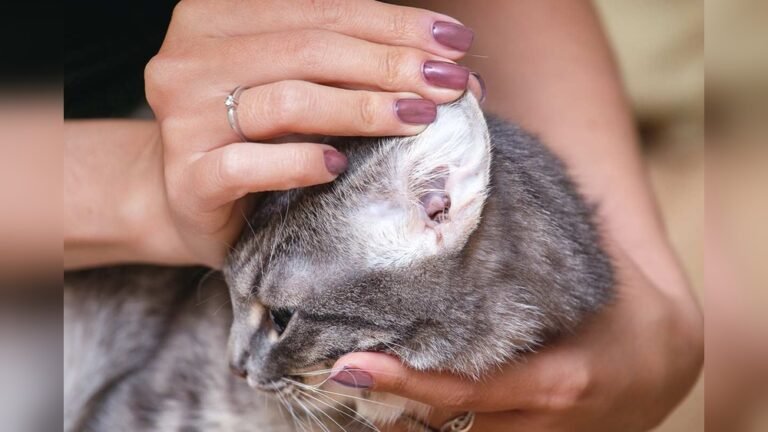
Have you ever noticed a whisker on your floor and wondered, “Is this normal?” If you’re a cat owner, you might be curious about how often cat whiskers fall out and whether it’s something to worry about. Your cat’s whiskers are more than just pretty features—they’re essential tools that help your furry friend navigate the world.
Understanding how often these whiskers naturally shed can help you keep your cat healthy and happy. Keep reading to discover the surprising facts about cat whisker loss and what it means for your beloved pet.
Cat Whisker Basics
Cat whiskers are special hairs on a cat’s face. They are not like regular fur. Whiskers help cats learn about their world. They tell cats about space, movement, and objects nearby.
Understanding whiskers helps us know why they fall out sometimes. These hairs grow and shed naturally. Cats use whiskers every day for many reasons.
Whisker Structure And Function
Whiskers are thick and strong hairs. They grow from deep inside the cat’s skin. Each whisker has a root full of nerves. This makes whiskers very sensitive.
They can feel small changes in air and touch. This helps cats move safely in the dark. Whiskers also help cats judge if they can fit through spaces.
Role In Cat’s Senses
Whiskers act like a cat’s extra sense. They send signals to the brain about nearby objects. Cats can detect small movements with their whiskers.
This sense helps in hunting and avoiding danger. Whiskers also help cats balance and keep their body steady. Losing a whisker is normal but cats rely on them a lot.
Natural Whisker Shedding
Cat whiskers are special hairs that help cats sense their world. These whiskers do fall out sometimes. This is a natural process. Like other hairs on a cat’s body, whiskers shed and grow back. This keeps them healthy and working well.
Shedding helps remove old or damaged whiskers. New ones grow to replace them. It is a sign that your cat’s body is renewing itself. Shedding does not hurt the cat.
Frequency Of Whisker Loss
Most cats lose a few whiskers every month. Usually, this happens slowly and without notice. Whiskers fall out one at a time, not in clumps. The new whiskers grow within a few weeks. This steady cycle keeps whiskers strong and sensitive.
Normal Vs. Excessive Shedding
Normal shedding means a few whiskers fall out regularly. Excessive shedding means many whiskers fall out quickly. Too much loss can be a sign of stress or illness. Check for other symptoms like redness or hair loss. If you see many whiskers on the floor, consult a vet.
Causes Of Whisker Loss
Cat whiskers are strong but can fall out sometimes. Understanding why whiskers fall out helps keep your cat healthy. Several factors cause whisker loss. Some are natural, others need attention.
Injuries And Trauma
Whiskers can break or fall out from injuries. Cats may hurt themselves during play or fights. Rough handling or accidents also cause trauma. Damaged whiskers take time to grow back.
Health Issues Affecting Whiskers
Health problems can lead to whisker loss. Skin infections or allergies may cause shedding. Parasites like mites irritate whisker roots. Nutritional deficiencies weaken whiskers. A vet can find and treat these issues.
Environmental Factors
Harsh environments affect whisker health. Dirt and chemicals can damage whiskers. Living in a stressful or dirty place increases loss. Regular cleaning and a calm space protect whiskers.

Credit: kdfoundation.org
Impact Of Whisker Loss On Cats
Cat whiskers are vital tools for daily life. Losing them can affect a cat deeply. Whiskers help cats sense their environment and move safely. When whiskers fall out, a cat may face several challenges. Understanding these effects helps us care better for our pets.
Behavioral Changes
Whisker loss can change a cat’s behavior. Cats may become cautious or shy. They might avoid new places or objects. Some cats act restless or confused. Whiskers help cats feel safe. Without them, cats may seem stressed or nervous.
Whiskers guide cats through tight spaces. Losing whiskers makes navigation harder. Cats may bump into furniture or walls. They use whiskers to judge distances. Without whiskers, cats lose spatial awareness. This can lead to accidents or fear of moving around.
Care Tips For Healthy Whiskers
Cat whiskers are more than just facial hair. They help cats sense the world around them. Keeping whiskers healthy is important for your cat’s well-being. Regular care can prevent damage and discomfort. Here are some simple tips to keep your cat’s whiskers strong and healthy.
Preventing Damage
Avoid trimming or cutting your cat’s whiskers. They grow naturally and fall out on their own. Use gentle grooming tools to prevent pulling or breaking whiskers. Keep your cat’s environment safe from sharp objects. Provide soft bedding to avoid whisker injury. Watch how your cat eats; wide bowls can hurt whiskers. Choose whisker-friendly food dishes with low sides.
When To Consult A Vet
Whiskers falling out often may need a vet check. Look for signs like redness, swelling, or pain around whisker roots. Sudden whisker loss can signal health issues. If your cat scratches its face a lot, seek advice. A vet can find infections or allergies causing whisker problems. Early care helps keep whiskers and your cat healthy.
Credit: www.reddit.com
Myths About Cat Whiskers
Cat whiskers are often surrounded by many myths. Some people believe whiskers fall out often like human hair. Others think whiskers show how a cat feels or if it is sick. These ideas are not always true. Understanding the real facts can help you care for your cat better.
Whiskers As Health Indicators
Whiskers do not fall out often. Cats usually keep their whiskers healthy and strong. If a whisker falls out, a new one grows in its place. Whiskers do not show sickness directly. A cat’s health is better checked by a vet, not by looking at whiskers alone.
Whiskers And Mood
Whiskers do move, but they do not tell feelings clearly. Cats use whiskers to sense their surroundings, not to show mood. A cat’s tail and ears are better signs of how it feels. Whiskers help cats move safely, not express emotions.
Credit: www.reddit.com
Frequently Asked Questions
How Often Do Cat Whiskers Naturally Fall Out?
Cat whiskers naturally fall out occasionally, similar to regular hair shedding. Typically, a few whiskers shed every few weeks. This is normal and healthy, allowing new, stronger whiskers to grow in their place.
Can Losing Whiskers Affect A Cat’s Balance?
Yes, whiskers help cats sense their surroundings and maintain balance. Losing a few whiskers rarely impacts them significantly. However, excessive whisker loss might affect their navigation and spatial awareness.
Why Do Some Cats Lose Whiskers More Frequently?
Frequent whisker loss can result from stress, illness, or injury. Poor nutrition or skin conditions may also contribute. If whisker loss seems excessive, a vet checkup is advisable to rule out health issues.
Do Cat Whiskers Grow Back If Lost?
Yes, cat whiskers do grow back after falling out naturally or due to minor damage. Regrowth can take several weeks, during which the cat might be more cautious or less confident.
Conclusion
Cat whiskers fall out naturally and regrow over time. This process helps cats stay aware of their surroundings. Losing a few whiskers now and then is normal. Watch for signs of injury or illness if many fall out. Keep your cat safe and stress-free to protect their whiskers.
Understanding this helps you care better for your pet. Whiskers play a key role in a cat’s daily life. Simple care keeps your cat happy and healthy.