How to Take Care of a Blind Cat: Essential Tips for Loving Care

Losing sight is a big change for any cat, and it can be hard for you too. But your blind cat can still live a happy, safe, and full life—with your help.
You might wonder how to make your home comfortable, how to keep your cat safe, or how to understand their new needs. This guide will give you simple, practical tips that anyone can follow. By the end, you’ll feel confident caring for your blind cat and ready to build an even stronger bond with your furry friend.
Let’s get started!
Recognizing Blindness In Cats
Recognizing blindness in cats is important for their care and safety. Cats rely on their vision for many daily activities. Spotting signs of vision loss early helps provide the right support. Understanding the causes of blindness helps in managing your cat’s health better.
Common Signs Of Vision Loss
A blind cat may bump into furniture or walls more often. They might hesitate or be cautious on stairs and new places. Eyes may look cloudy or have unusual colors. Cats could show less interest in toys or moving objects. Sudden changes in behavior, like hiding or anxiety, can also occur.
Causes Of Blindness In Cats
Infections can damage a cat’s eyes and cause blindness. Injuries to the head or eyes may lead to vision loss. Some cats lose sight due to aging and eye diseases. Diabetes and high blood pressure can also affect their eyes. Genetic conditions can cause blindness in certain cat breeds.

Credit: kdfoundation.org
Preparing Your Home
Preparing your home is the first step in caring for a blind cat. A safe and comfortable space helps your cat feel secure. It also prevents accidents and stress. This section covers how to make your home ready for a blind cat.
Creating A Safe Environment
Blind cats rely on their other senses to move around. A quiet, calm space helps them explore safely. Keep your cat’s bed, food, and water in the same spot. This builds a sense of place and comfort.
Use soft rugs or mats to mark important areas. These help your cat find spots without seeing. Keep sounds steady, avoiding sudden loud noises. Your cat will feel less scared and more confident.
Removing Hazards And Obstacles
Look for objects that could hurt your cat. Sharp edges, loose wires, and small items can cause harm. Move or cover these hazards to protect your pet.
Keep floors clear of clutter. Your cat needs open paths to walk safely. Block off stairs or high places that pose a fall risk. Use baby gates or closed doors to limit access.
Check windows and balconies. Make sure they are secure and closed. Blind cats can easily get lost or injured if they fall or escape.
Blind cats rely on other senses to move safely around your home. Helping them navigate reduces stress and accidents. You can make their environment easier to explore with simple changes. Small adjustments help your cat feel more confident and secure.
Using sound and scent cues lets your cat understand their surroundings better. Keeping furniture in the same place creates a familiar path. These tips create a safe and friendly space for your blind cat.
Using Sound And Scent Cues
Sound helps your blind cat find you and important spots. Use gentle noises like soft claps or a bell on your collar. Your cat will learn to follow these sounds for comfort.
Scent marks guide your cat to places like food bowls and litter boxes. Rub a cloth on these spots to leave familiar smells. You can also use safe herbs or essential oils near favorite areas. Scents create a map your cat can trust.
Consistent Furniture Placement
Keep furniture and objects in the same spot. Moving things often confuses your blind cat and causes accidents. Clear walking paths let your cat explore without fear of bumps or falls.
Place bedding, food, and litter boxes in fixed areas. Your cat will remember these places by touch and smell. Consistency builds confidence and helps your cat feel safe at home.
Feeding And Hydration Tips
Feeding and hydration are very important for blind cats. They depend on routine and clear signals to find their food and water. Helping them eat and drink comfortably keeps them healthy and happy. You can make small changes to support their needs. These tips make feeding time easier and less stressful.
Location Of Food And Water Bowls
Place food and water bowls in a quiet, fixed spot. Blind cats learn the place by memory. Avoid moving the bowls often. Use shallow dishes to help them smell the food better. Keep the bowls apart so your cat can tell the difference. Always clean the bowls daily to keep water fresh and food safe.
Monitoring Eating Habits
Watch your cat’s eating and drinking closely. Blind cats may eat slower or miss meals. Notice changes in appetite or water intake. Check for weight loss or gain regularly. Consult a vet if your cat stops eating or drinking. Keep a feeding schedule to maintain regular habits. This helps your cat feel secure and cared for.
Maintaining Hygiene And Health
Keeping a blind cat clean and healthy needs special care. Blind cats rely on their other senses more. Their safety and comfort depend on good hygiene and health checks.
Regular care helps prevent infections and other health problems. It also makes your cat feel loved and secure. Let’s explore how to maintain your blind cat’s hygiene and health.
Grooming Assistance
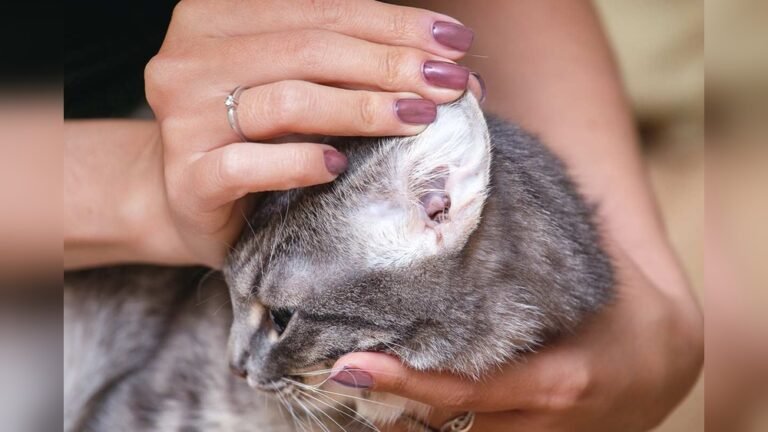
Blind cats may not groom themselves well. Help by brushing their fur gently every day. Use a soft brush to remove dirt and loose hair. Check for mats or tangles carefully. Clean their ears with a damp cloth if dirty. Trim nails regularly to avoid scratches. Grooming also lets you spot skin issues early.
Regular Veterinary Checkups
Visit the vet often to monitor your cat’s health. Blind cats can develop other problems that need quick care. The vet checks their eyes, teeth, and overall body condition. Keep vaccinations up to date. Ask the vet about special diets or supplements. Regular checkups keep your cat healthy and happy.
Engaging Your Blind Cat
Engaging your blind cat requires patience and creativity. Their world is different, but they still love to play and explore. Interaction helps them stay happy and healthy. It also strengthens your bond. Use sounds, smells, and touch to connect with your cat.
Interactive Play Ideas
Choose toys that make noise, like bells or crinkling paper. Soft rattles or balls with bells can catch their attention. Move toys slowly so your cat can hear and feel the movement. Try feather wands or toys with different textures. Let your cat explore new scents by using safe catnip or herbs. Play short sessions often to avoid tiring them out.
Building Trust And Confidence
Speak softly and use a calm voice. Let your cat sniff your hand before touching them. Use gentle petting to comfort and relax your cat. Create a quiet, safe space for rest and play. Keep their environment consistent to reduce stress. Praise and reward your cat with treats for positive behavior. Trust grows with patience and regular interaction.
Handling Emergencies
Handling emergencies with a blind cat needs calm and quick action. Blind cats rely on other senses, so sudden changes can confuse them. Being prepared helps keep your cat safe and lowers stress. You must know signs of trouble and when to get help. This section guides you through recognizing stress and anxiety and knowing when to contact a vet.
Recognizing Stress And Anxiety
Blind cats may show stress in different ways. They might hide more than usual. Changes in eating or grooming habits can appear. Look for pacing or restlessness. Some cats meow loudly or act aggressive. These signs mean your cat feels unsafe or scared. Understanding this helps you calm them down fast. Provide a quiet, familiar space for your cat. Use soft sounds and gentle touch to soothe them.
When To Seek Veterinary Help
Emergency signs need quick veterinary care. Sudden loss of appetite or refusal to drink is serious. Difficulty breathing or choking calls for immediate help. Look out for limping or unable to move. Vomiting or diarrhea lasting more than one day is a concern. Seizures or collapse are emergencies. Blind cats can hide pain well, so act fast if you suspect problems. Always keep your vet’s contact handy for emergencies.

Credit: www.cathealth.com

Credit: www.kittenlady.org
Frequently Asked Questions
How Can I Make My Home Safe For A Blind Cat?
Remove sharp objects and block off dangerous areas. Use baby gates for stairs. Keep furniture consistent to avoid confusion. Use rugs to help your cat navigate. Ensure food and water bowls are always in the same spot.
What Signs Indicate My Cat Is Adjusting To Blindness?
Blind cats learn to rely on other senses. They explore using whiskers and hearing. Increased confidence and curiosity show adaptation. They may use scent marks to navigate. Watch for calm and confident behavior.
How Do I Help A Blind Cat Find Food And Water?
Place bowls in the same spot daily. Use textured mats to identify feeding areas. Avoid moving their bowls frequently. Talk softly when approaching to guide them. Maintain a quiet environment during feeding time.
Can Blind Cats Live Happily Indoors Alone?
Yes, blind cats can live happily indoors. They form strong bonds and adapt well. Provide stimulation with toys and interaction. Ensure a safe environment for exploration. Regular vet checkups support their health.
Conclusion
Caring for a blind cat takes patience and love. Create a safe, quiet space for your cat. Use clear routines to help them feel secure. Speak softly and guide them gently around the home. Keep their food and water in the same spot.
Give extra attention and play time daily. Your blind cat can live happily with your care. Trust grows with every kind action you take. Small steps make a big difference for their life. Enjoy the special bond you build together.