How to Keep Cats Out of Cabinets: Effective Tips That Work

Are your cabinets constantly under siege by your curious cat? You’re not alone.
Cats love exploring tight spaces, and cabinets often become their favorite hideouts. But this can lead to broken items, spilled food, or even safety risks for your furry friend. What if you could stop this behavior without stressing your cat or damaging your home?
Keep reading, because you’re about to discover simple, effective ways to keep your cabinets off-limits—and enjoy a calmer, cleaner space for both you and your pet.
Why Cats Love Cabinets
Cats often love to hide inside cabinets. These small, enclosed spaces feel special to them. Understanding why cats are drawn to cabinets helps in keeping them out. Their natural instincts and behaviors explain this attraction.
Attraction To Small Spaces
Cats feel safe in small, tight spaces. Cabinets offer a perfect spot for this. Being inside a cabinet makes cats feel hidden and secure. Small spaces help reduce stress for cats.
Curiosity And Exploration
Cats are naturally curious animals. They like to explore new places in the home. Cabinets hold many interesting smells and sounds. This draws cats to investigate and enter them.
Seeking Warmth And Safety
Cabinets often stay warm and cozy. Cats love to rest in warm places. Inside a cabinet, they find shelter from noise and cold. This makes cabinets an inviting retreat for cats.

Credit: www.youtube.com
Common Cabinet Entry Points
Cats are curious by nature. Cabinets attract them because they offer hiding spots and interesting smells. Understanding where cats enter cabinets helps stop them from getting inside.
Loose Doors And Gaps
Loose cabinet doors are easy for cats to push open. Small gaps around doors give cats just enough space to squeeze through. Check doors often and tighten any loose screws. Seal gaps with weather stripping or tape.
Open Cabinets
Open cabinets invite cats inside. They see an open door as an easy way in. Keep cabinet doors closed at all times. Avoid leaving cabinets open even for a short time.
Low Cabinets Within Reach
Low cabinets are easier for cats to access. Cats jump onto counters and reach these cabinets. Install childproof locks on lower cabinets. This prevents cats from opening them.
Physical Barriers To Block Access
Physical barriers help keep cats out of cabinets by blocking their access. Cats are curious and often try to open cabinets. Using barriers stops them from getting inside. These solutions protect your items and keep cats safe.
Physical barriers are simple and effective. They do not harm cats and are easy to install. Here are some popular options to try at home.
Childproof Locks
Childproof locks work well to keep cats out. They attach to cabinet doors and need a special action to open. Cats cannot figure out these locks. These locks come in many styles. Some use buttons, others use sliding parts. They are affordable and easy to use. Installing them takes only a few minutes.
Magnetic Latches
Magnetic latches keep cabinet doors closed tight. They need a magnetic key to open. Cats cannot open cabinets without the key. Magnetic latches are hidden inside the cabinet. They keep the outside clean and neat. These latches are durable and last a long time. They also prevent cabinets from slamming shut.
Diy Blockers And Screens
DIY blockers and screens are great for a quick fix. Use cardboard, plastic, or wood to block cabinet openings. Attach screens with tape or Velcro. These barriers stop cats from entering. DIY solutions are cheap and easy to change. They can be removed without damage. Try different materials to see what works best.

Credit: www.reddit.com
Deterring Cats With Scents And Textures
Cats have a strong sense of smell and touch. These senses can help keep them away from cabinets. Certain scents and textures make cats uncomfortable. Using these can stop cats from entering cabinets.
Using Citrus And Other Repellents
Cats dislike citrus smells like lemon, orange, and lime. Placing peels or sprays near cabinets can keep cats away. Vinegar and coffee grounds also repel cats. These natural scents create a barrier cats avoid.
Textured Surfaces Cats Avoid
Cats dislike sticky or rough surfaces on floors or cabinet doors. Placing double-sided tape or aluminum foil can stop cats. Plastic carpet runners with the pointy side up work well. Cats avoid walking on these textures.
Safe Commercial Repellents
Many stores sell cat-safe sprays and mats. These products use smells or textures cats dislike. Choose sprays with natural ingredients for safety. Always test small areas first to avoid damage.
Training And Behavioral Techniques
Training your cat to stay out of cabinets takes patience and clear signals. Cats learn best through consistent behavior and rewards. Teaching them good habits helps protect your belongings and keeps your cat safe.
Positive Reinforcement
Reward your cat with treats or praise when it avoids cabinets. Use a calm, happy voice to encourage good behavior. This shows your cat what you want. Avoid punishment. It can confuse and scare your cat.
Redirecting Curiosity
Offer toys or climbing posts to catch your cat’s interest. Place these near cabinets to draw attention away. Cats love exploring safe spaces. Giving them fun alternatives helps reduce cabinet visits.
Consistent Boundaries
Set clear rules about cabinet access. Close cabinet doors tightly every time. Use gentle but firm commands like “no” if your cat tries to enter. Consistency helps your cat understand limits and respect your space.

Credit: www.reddit.com
Environmental Enrichment Alternatives
Keeping cats out of cabinets needs more than just closing doors. Cats explore because they seek fun and comfort. Giving them other places to play and hide helps stop cabinet visits. These alternatives make cats happy and safe.
Providing Hiding Spots
Cats love small, quiet places. Boxes, tunnels, or covered beds work well. These spots give cats a safe space to relax. Place them in calm areas. Change locations sometimes to keep cats interested.
Interactive Toys And Playtime
Toys that move or make noise catch a cat’s attention. Use feather wands, laser pointers, or balls for play. Spend time daily to play with your cat. Play helps use their energy and reduces boredom.
Cat Trees And Perches
Cat trees give places to climb and watch. Perches near windows let cats see outside. Both satisfy natural instincts to climb and observe. Place trees in rooms where cats like to rest.
When To Seek Professional Help
Sometimes, keeping cats out of cabinets can be tough. Some cats do not respond to usual methods. This is the time to think about professional help. Experts can offer advice and solutions that work best for your pet.
Persistent Behavior Issues
Some cats keep going back into cabinets. They ignore sprays, covers, and barriers. This can mean a deeper behavior problem. Professionals can observe and find the cause. They help create a plan to stop the behavior.
Veterinary Advice
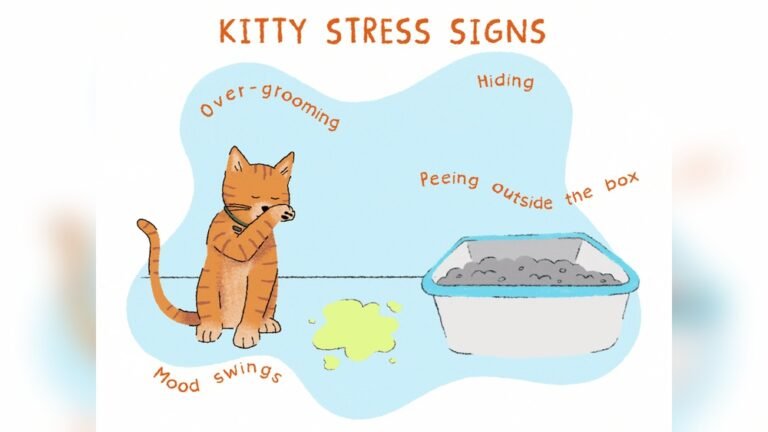
Cats may enter cabinets due to health reasons. Anxiety, stress, or illness can cause this behavior. A vet can check your cat’s health. They suggest treatments or medicines if needed. This step is important for your cat’s well-being.
Professional Training Services
Trainers work with cats to change habits. They use safe, gentle methods to teach new behaviors. Training can include positive reinforcement and environment changes. This support helps cats learn quickly and stay safe.
Frequently Asked Questions
How Can I Prevent Cats From Opening Cabinets?
Use childproof locks or magnetic latches on cabinet doors. These devices create a barrier that cats cannot easily bypass, keeping cabinets securely closed.
What Natural Deterrents Keep Cats Away From Cabinets?
Citrus peels, vinegar sprays, or coffee grounds near cabinets deter cats. Cats dislike these smells, so placing them can reduce cabinet intrusions.
Are There Cat-safe Repellents For Cabinet Protection?
Yes, use sprays with natural ingredients like citrus or eucalyptus. These sprays are safe for cats but discourage them from approaching cabinets.
Can Rearranging Kitchen Items Keep Cats Out Of Cabinets?
Yes, removing food or attractive items from cabinets reduces cat interest. Keeping cabinets free of appealing scents helps prevent cats from trying to enter.
Conclusion
Keeping cats out of cabinets takes patience and simple steps. Use safe deterrents like double-sided tape or aluminum foil. Secure cabinet doors tightly to block their access. Provide your cat with plenty of toys and climbing spaces. Reward good behavior with treats and attention.
Small changes can stop unwanted cabinet visits. Stay consistent and watch your cat learn new boundaries. A calm home means happy pets and less mess. Try these tips and enjoy a tidier kitchen today.