How to Sew a Mouse Cat Toy: Easy DIY Craft for Happy Cats

Are you looking for a fun and easy way to keep your cat entertained? Making a mouse cat toy yourself is a simple project that anyone can do, even if you’ve never sewn before.
Imagine your furry friend chasing and batting around a toy you made with your own hands. Not only will you save money, but you’ll also create something special that your cat will love. Keep reading, and you’ll learn step-by-step how to sew a mouse cat toy that’s safe, durable, and irresistible to your kitty.
Let’s get started!
Materials Needed
Gathering the right materials is the first step to sew a mouse cat toy. Choosing quality supplies ensures a safe and fun toy for your cat. Prepare everything before starting your sewing project.
Fabric Choices
Pick soft, durable fabric for the toy. Felt and cotton are good options. Avoid fabrics that shed a lot or irritate the skin. Bright colors or patterns can make the toy more interesting for cats.
Stuffing Options
Use safe stuffing to fill the mouse toy. Polyester fiberfill is common and easy to find. You can also use scrap fabric pieces. Avoid anything that might harm your cat if chewed or swallowed.
Additional Supplies
Besides fabric and stuffing, gather a few more items. Sewing needles and thread in matching colors are essential. Scissors, pins, and fabric markers help with cutting and shaping. Optional extras include catnip for added fun and small bells for noise.
Preparing The Pattern
Preparing the pattern is the first step in sewing a mouse cat toy. It sets the foundation for the entire project. A clear and simple pattern helps you cut the fabric accurately. This saves time and reduces mistakes.
Keep the design small and easy to sew. A basic mouse shape works well and looks cute to cats. Let’s start by creating the shape and cutting the fabric.
Creating A Simple Mouse Shape
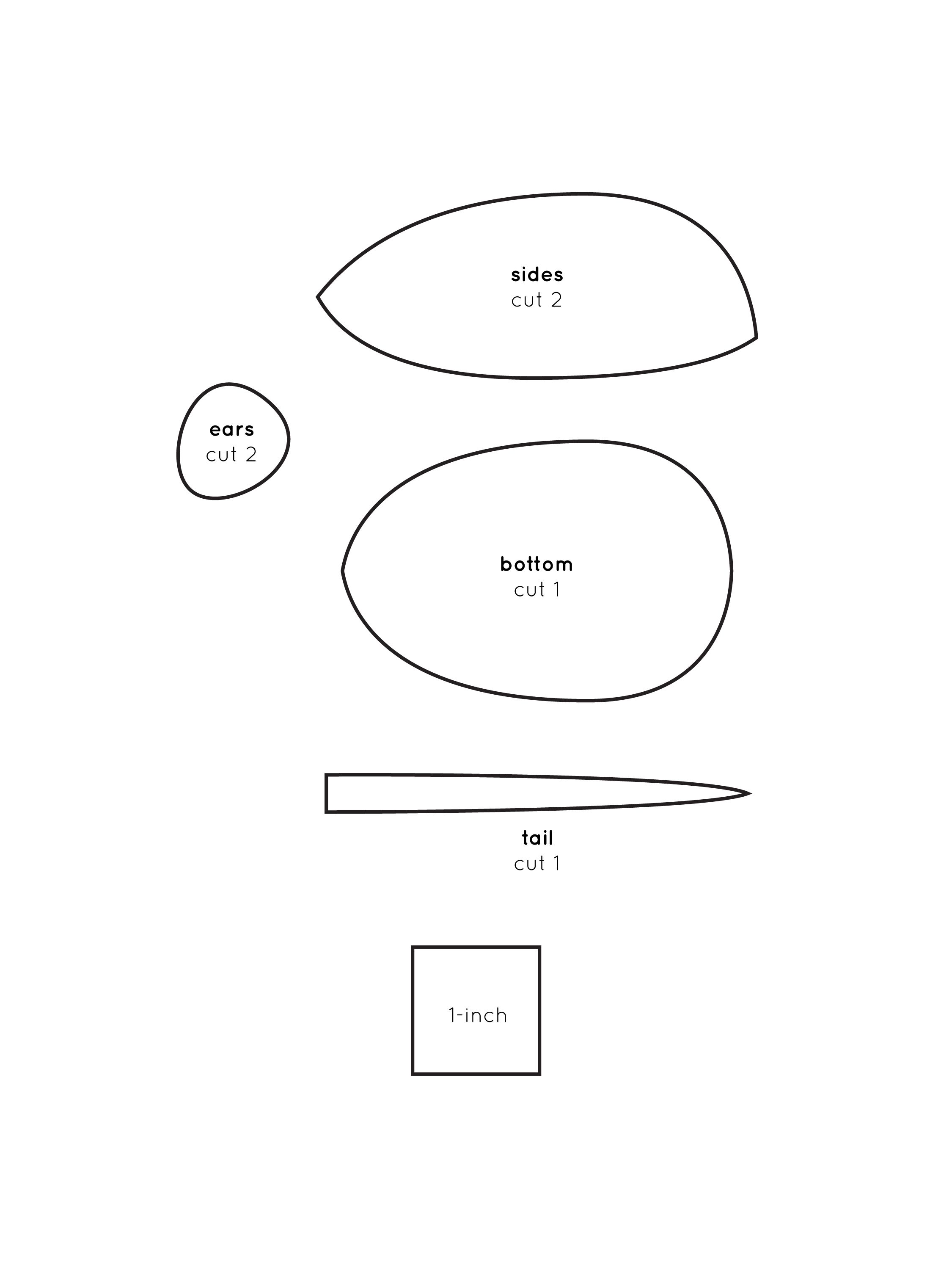
Draw a mouse shape on paper. Use a pencil and ruler for neat lines. The shape should be about 4 inches long. Make a rounded body with a pointed nose.
Add two small ears on top. Keep the ears simple and round. Avoid too many details to save sewing time. Check the shape for balance and size.
Cut out the paper pattern carefully. This paper piece will be your guide for cutting fabric.
Cutting The Fabric
Choose soft fabric like felt or cotton. These materials are safe and easy to sew. Fold the fabric in half before cutting. Place the paper pattern on the fabric fold.
Pin the pattern in place to avoid slipping. Use sharp fabric scissors for clean cuts. Cut around the pattern, leaving a small seam allowance.
Remove pins and paper pattern. Now you have two fabric pieces ready for sewing. Double check that both pieces match perfectly.
Sewing The Toy
Sewing the mouse cat toy is the fun part where your project starts to take shape. This step involves joining the fabric pieces carefully and preparing the toy for stuffing. Precise sewing ensures the toy is durable and safe for your cat to play with. Follow the instructions closely to make a neat, sturdy toy that lasts.
Stitching The Pieces Together
Place the fabric pieces with the right sides facing each other. Use pins to hold them in place. Sew along the edges using a straight stitch. Keep the stitches close, about 1/4 inch from the edge. This prevents the stuffing from coming out. Backstitch at the beginning and end to secure the seam. Check that all sides are sewn except one small gap.
Leaving An Opening For Stuffing
Leave a small opening of about 2 inches on one side. This space lets you turn the toy inside out after sewing. It also allows you to fill the toy with stuffing. Make sure the opening is big enough to insert your hand. After stuffing, this opening will be closed with a hidden stitch. Keep the edges neat for a clean finish.
Adding Stuffing
Adding stuffing is a key step in making a mouse cat toy. It gives the toy shape and makes it fun for cats to play with. The right stuffing makes the toy soft but firm enough to hold its form.
Stuffing also affects how the toy feels in your cat’s paws. Too soft, and it may not last long. Too hard, and it might be uncomfortable. Finding a good balance is important for a great cat toy.
Choosing The Right Filling
Choose a filling that is safe for cats. Polyester fiberfill is common and easy to use. It is soft, lightweight, and holds shape well. Avoid fillings that can harm cats if chewed or swallowed.
Natural fillings like cotton or wool are also good choices. They are eco-friendly and safe. Avoid anything with strong scents or chemicals. Your cat will enjoy a safe and comfy toy.
Filling The Mouse Toy
Start by pinching a small amount of stuffing. Insert it gently into the toy through the opening. Spread the stuffing evenly inside. Avoid clumps or empty spots.
Fill the toy until it feels firm but squeezable. Press lightly to shape the mouse’s body and tail. Don’t overfill. The toy should be soft enough to bite and cuddle.
Once filled, sew the opening closed with small stitches. This keeps the stuffing inside during playtime. Your mouse cat toy is now ready for fun!
Finishing Touches
Finishing touches make your mouse cat toy safe and fun. They give the toy a neat look and help it last longer. This part is simple but very important.
Closing The Opening
After stuffing the toy, close the opening carefully. Use small, tight stitches to keep the stuffing inside. Sew slowly to avoid gaps where stuffing can escape. Double stitch for extra strength. Make sure no sharp edges or loose threads are left. This keeps your cat safe while playing.
Adding Details And Decorations
Add small details to make the toy interesting. Sew on tiny felt ears or a tail. Use embroidery thread to add eyes and whiskers. Avoid using buttons or beads that can come off. Choose soft fabric pieces for decorations. These details make your toy look like a real mouse and catch your cat’s attention.
Credit: kdfoundation.org
Safety Tips For Cat Toys
Making a mouse cat toy is fun, but safety matters most. Cats love to play hard. Toys must be safe to prevent accidents. Keep these tips in mind while sewing your toy.
Avoiding Small Detachable Parts
Small parts can be dangerous for cats. They might swallow or choke on them. Skip buttons, beads, or tiny bells. Sew all pieces tightly to avoid loose parts. Check your toy often for wear and tear.
Using Non-toxic Materials
Choose materials safe for cats to chew and lick. Avoid fabrics with harmful dyes or chemicals. Use organic cotton or felt. Pick stuffing that is pet-safe, like polyester fiberfill. Non-toxic glue or thread keeps your toy safe too.
Customizing Your Toy
Customizing your mouse cat toy makes it more fun and special for your cat. Simple changes can catch your cat’s attention and keep it interested. Personal touches make the toy unique and perfect for your furry friend.
Adding Catnip
Catnip is a favorite for many cats. Sprinkle dried catnip inside the toy before sewing it closed. The scent will attract your cat and encourage play. Use only a small amount to avoid overwhelming your cat. You can also buy catnip-infused fabric for a longer-lasting effect.
Varying Sizes And Colors
Make different sizes of mouse toys to suit your cat’s play style. Small toys are easy to bat and carry. Larger ones are good for tossing and chasing. Use bright colors or patterns to catch your cat’s eye. Choose fabrics that are soft but durable for long-lasting fun.

Credit: www.arloren.com
:max_bytes(150000):strip_icc()/CatnipMouseCatToy1-5ab2c31c119fa80037eef032.jpg)
Credit: www.thesprucecrafts.com
Frequently Asked Questions
What Materials Are Needed To Sew A Mouse Cat Toy?
You need fabric, stuffing, thread, needle, and optional catnip. Choose soft, durable fabric for safety. Cotton or felt works well. Use polyester fiberfill for stuffing. Catnip adds extra fun for cats. Basic sewing tools complete the kit.
How Long Does It Take To Sew A Mouse Cat Toy?
It usually takes 30 to 60 minutes. This depends on your sewing skills and design complexity. Beginners may need more time. Simple patterns are quicker. Take your time to ensure safety and durability.
Can I Use Catnip In Homemade Mouse Toys?
Yes, catnip is safe and attractive to cats. It encourages playful behavior. Add dried catnip inside the stuffing. Use moderate amounts to avoid mess. Always monitor your cat’s reaction when first introduced.
What Fabric Is Best For Mouse Cat Toys?
Soft, durable fabrics like cotton, felt, or fleece are best. Avoid rough or toxic materials. The fabric should withstand biting and scratching. Natural fibers are safer and easier to clean. Choose colors and patterns for added appeal.
Conclusion
Sewing a mouse cat toy is fun and easy. You only need a few materials and simple steps. This toy will keep your cat happy and active. Handmade toys show your care and save money. Try different fabrics or colors to make unique toys.
Your cat will enjoy chasing and playing with it. Start today and see your pet’s joy grow. Simple crafts like this bring both fun and bonding. Keep sewing and watch your cat’s excitement grow!