Best Cat Food for Aging Cats: Top Nutritious Picks for Longevity

As your cat grows older, their needs change—and so should their food. You want the best for your furry friend, especially when it comes to keeping them healthy and happy in their golden years.
Choosing the right cat food can make a big difference in your cat’s energy, comfort, and overall well-being. But with so many options out there, how do you know which one truly meets your aging cat’s needs? Keep reading, and you’ll discover the top choices that can help your beloved companion stay strong and vibrant for years to come.
Contents
Nutritional Needs Of Aging Cats
As cats grow older, their bodies change, and so do their dietary needs. Feeding the best food for elderly cats helps maintain their health and vitality. Understanding the nutritional needs of aging cats ensures they get the right balance of nutrients to support their body functions. Senior cats need special care in their diet to stay active and comfortable. Their metabolism slows down, and some organs may work less efficiently. Choosing the right food helps manage these changes and supports a longer, healthier life.
Key Nutrients For Senior Cats
Senior cats need a diet rich in essential nutrients tailored to their changing bodies. Meeting their protein requirements for senior cats is critical because muscle mass naturally decreases with age. High-quality protein helps maintain muscle strength and body condition.
- Protein: Supports muscle maintenance and repair.
- Antioxidants for aging cats: Protect cells from damage caused by aging.
- Omega-3 fatty acids: Help reduce inflammation and support brain and joint health.
- Fiber: Aids in digestive health in older cats by promoting regular bowel movements.
- Vitamins and minerals: Support immune function and overall well-being.
Special diets like joint support cat food and feline arthritis diet include nutrients that protect joints and reduce stiffness. Also, cat food for kidney health contains lower phosphorus levels to reduce kidney strain. Managing calorie intake is essential for weight management for senior cats to avoid obesity and related problems.
| Nutrient | Benefit | Sources |
|---|---|---|
| Protein | Maintains muscle mass | Chicken, fish, turkey |
| Antioxidants | Protect cells from damage | Vitamin E, C, beta-carotene |
| Omega-3 Fatty Acids | Supports joints and brain | Fish oil, flaxseed |
| Fiber | Improves digestion | Beet pulp, pumpkin |
Common Health Concerns In Older Cats
Older cats face health issues that need attention through their diet. Senior cat nutrition focuses on preventing or easing these problems. Many cats develop arthritis, which causes pain and stiffness. A feline arthritis diet with joint support can reduce discomfort.
- Kidney disease: Common in older cats, requiring special food low in phosphorus and protein.
- Obesity: Slower metabolism increases fat gain; weight management for senior cats is necessary.
- Digestive problems: Older cats may have trouble digesting food; fiber helps improve digestive health in older cats.
- Dental issues: Can cause pain and reduce appetite; softer food may be easier to eat.
Feeding the best food for elderly cats that targets these concerns improves their quality of life. Foods rich in antioxidants support the immune system and fight aging effects. Monitoring diet and health together is key to keeping senior cats happy and healthy.
Types Of Cat Food For Seniors
Caring for an aging cat requires attention to their changing dietary needs. As cats grow older, their metabolism slows and they need special nutrition. Choosing the best cat food for aging cats helps support senior cat health and keeps them active. The types of cat food for seniors vary, each offering unique benefits. Understanding these options makes it easier to select age-appropriate cat food that meets your cat’s needs.
Wet Food Benefits
Wet food is popular for senior cats because it contains more moisture. Older cats often drink less water, so wet food helps prevent dehydration. It is softer and easier to chew, ideal for cats with dental problems or sensitive gums.
Key benefits of wet food include:
- High moisture content supports kidney health and hydration.
- Rich in protein to maintain muscle mass in aging cats.
- Often more flavorful, encouraging picky eaters to consume enough food.
- Helps with weight management due to lower calorie density compared to dry food.
Here is a simple comparison of wet and dry cat food for seniors:
| Feature | Wet Food | Dry Food |
|---|---|---|
| Moisture | High (70-85%) | Low (5-10%) |
| Texture | Soft, easy to chew | Crunchy, hard |
| Storage | Shorter shelf life after opening | Long shelf life |
| Calorie Density | Lower calories per serving | Higher calories per serving |
Choosing the best wet cat food for seniors means looking for formulas rich in protein and low in fillers. This supports nutrition for aging cats and keeps them healthy longer.
Dry Food Advantages
Dry cat food offers benefits that suit many senior cats. It is convenient to store and feed, making daily care simpler. Dry food also helps reduce plaque and tartar buildup, which supports dental health, crucial for older cats.
Advantages of dry food for seniors include:
- Easy to measure and control portion sizes for weight management.
- Less expensive than wet food on average.
- Crunchy texture can help clean teeth during chewing.
- Long shelf life, making it practical for busy owners.
Senior cats often benefit from dry food formulas designed to meet feline dietary needs at an older age. These formulas may have:
- Lower calories to prevent obesity.
- Added vitamins and minerals to support joint and kidney health.
- High-quality protein for maintaining muscle strength.
Many owners combine dry and wet food to balance convenience and hydration. The dry cat food benefits make it a staple in many aging cat diets.
Raw And Homemade Options
Some cat owners prefer raw and homemade options to control every ingredient in their cat’s diet. Raw cat food for elderly cats can closely mimic their natural diet, providing fresh nutrients without fillers or preservatives.
Benefits of raw and homemade food include:
- Customizable recipes to meet individual senior cat nutrition needs.
- High protein levels from fresh meat, supporting muscle health.
- Natural ingredients that reduce allergy risks.
- Ability to add supplements for joint or kidney support.
Homemade cat food recipes require careful planning to ensure they meet all nutritional requirements. Consulting a vet or pet nutritionist is important for balanced meals. Basic ingredients often include:
- Lean meats (chicken, turkey, rabbit)
- Organ meats for vitamins
- Small amounts of cooked vegetables
- Essential fatty acids and supplements
This approach supports senior cat health naturally but demands more time and knowledge. Many owners find it rewarding to prepare fresh food that fits their cat’s preferences and health status.
Ingredients To Look For
Choosing the best cat food for aging cats means focusing on the right ingredients. The aging cat diet needs to support their changing bodies and health. Certain ingredients help maintain energy, support joints, and improve digestive health in cats. Understanding these key ingredients helps pick the best food for your senior feline. Look for nutrients that promote strength, weight control, and overall well-being.
High-quality Proteins
Protein is vital in the senior cat nutrition plan. Older cats need protein for older cats to keep their muscles strong and maintain a healthy weight. Protein supports their immune system and energy levels. Choose foods with animal-based proteins like chicken, turkey, or fish. These are easier for cats to digest and provide essential amino acids.
Look for:
- Real meat as the first ingredient
- Protein sources such as chicken, turkey, or fish
- Avoid fillers like corn, wheat, or soy that add little nutrition
Protein content should balance energy needs and weight management aging cats. Too much protein can strain kidneys, while too little causes muscle loss. The table below shows ideal protein levels for aging cats:
| Protein Level | Recommended Range |
|---|---|
| Dry Cat Food | 30-40% |
| Wet Cat Food | 8-12% |
Choosing the right protein helps manage health issues and keeps your cat active.
Essential Fatty Acids
Omega-3 fatty acids cats need play a big role in senior cat food. These fats reduce inflammation and support brain and joint health. Joint pain is common in older cats, so food with omega-3 helps ease discomfort. Fatty acids also improve skin and coat condition.
Look for ingredients like:
- Fish oil or salmon oil rich in omega-3
- Flaxseed as a plant source of omega-3
- Balanced omega-6 to omega-3 ratio
Fat content in food affects energy and weight. Cats with low activity may need less fat to avoid weight gain. Choose foods labeled for joint support cat food or with added fish oils.
Benefits of omega-3 in aging cat diet:
- Reduced joint inflammation
- Improved heart and brain function
- Healthier skin and fur
- Better immune response
Including essential fatty acids in food supports many health areas for senior cats.
Fiber And Digestive Support
Fiber for cats is important in the aging cat diet. It helps maintain healthy digestion and regular bowel movements. Older cats often face digestive problems or constipation, so fiber improves digestive health in cats.
Sources of fiber include:
- Beet pulp
- Psyllium husk
- Vegetables like pumpkin or peas
Fiber also helps control weight by making cats feel full. This is key for weight management aging cats. Foods with fiber help slow nutrient absorption, balancing blood sugar and energy levels.
Look for senior cat food with added prebiotics or probiotics. These support good gut bacteria and improve digestion. Wet vs dry cat food aging also matters; wet food often has more moisture, which aids digestion and hydration.
Good digestive support includes:
- Moderate fiber levels (2-5%)
- Added probiotics for gut health
- Moisture-rich wet food options
Fiber and digestive support keep your older cat comfortable and healthy.
Ingredients To Avoid
Choosing the best cat food for aging cats means focusing on ingredients that support their health and avoiding those that can cause harm. Aging cats have sensitive digestion, weaker immune systems, and special dietary needs. Some common ingredients in cat food can worsen their health or cause allergies. Knowing which ingredients to avoid helps keep your senior cat happy and healthy for longer.
Artificial Additives
Artificial additives include colors, flavors, and sweeteners added to make cat food look or taste better. These substances offer no nutritional value and may cause health problems in older cats.
Common artificial additives to avoid:
- Artificial colors – These can trigger allergies or skin irritations.
- Artificial flavors – Often contain chemicals that may upset digestion.
- Sweeteners like xylitol – Toxic to cats and can cause serious health issues.
Older cats are more sensitive to these substances. They may develop:
- Digestive upset
- Skin problems
- Behavioral changes
Choosing cat food without artificial additives means your aging cat gets a natural, gentle diet. Look for labels that say no artificial colors or flavors. Natural ingredients support their aging body better.
Excess Fillers And Grains
Fillers and grains are cheap ingredients added to cat food to reduce cost. They provide little nutrition and can cause problems for senior cats.
Common fillers and grains to watch out for:
- Corn
- Wheat
- Soy
- Rice
- Barley
Excess fillers can:
- Lower the food’s protein content
- Trigger allergies or food sensitivities
- Cause weight gain or digestive issues
Older cats need more protein and fewer carbs. Fillers add unnecessary carbohydrates that can strain their organs.
| Ingredient | Why to Avoid | Effect on Aging Cats |
|---|---|---|
| Corn | Low in protein, high in carbs | May cause allergies, weight gain |
| Wheat | Common allergen | Can cause skin and digestive problems |
| Soy | Poor protein source | May disrupt hormone balance |
Choose cat food with minimal fillers. Look for high-quality protein sources like chicken, turkey, or fish.
Harmful Preservatives
Preservatives keep cat food fresh but some can harm aging cats. Harmful preservatives may cause inflammation or toxic effects over time.
Common harmful preservatives include:
- BHA (Butylated Hydroxyanisole)
- BHT (Butylated Hydroxytoluene)
- Ethoxyquin
These chemicals are linked to:
- Immune system suppression
- Organ damage
- Increased risk of cancer
Aging cats have weaker defenses. Harmful preservatives can worsen their health quickly.
Safe preservative alternatives to look for:
- Mixed tocopherols (natural vitamin E)
- Ascorbic acid (vitamin C)
- Rosemary extract
These natural preservatives protect food without harmful side effects. Check ingredient lists carefully to avoid dangerous chemicals.
Top Brands For Senior Cat Food
Choosing the right food for aging cats is essential for their health and happiness. Senior cats need special nutrition to support their joints, kidneys, and overall energy levels. Many brands offer formulas designed to meet these needs. This section highlights top brands for senior cat food, helping pet owners find suitable options for their elderly feline friends.
Premium Commercial Brands
Premium commercial brands focus on high-quality ingredients and balanced nutrition. These foods often include added vitamins, antioxidants, and proteins tailored for aging cats. They support healthy digestion, maintain muscle mass, and boost the immune system.
- Hill’s Science Diet Adult 7+ – Contains natural ingredients and added antioxidants to support immunity.
- Royal Canin Aging 12+ – Designed to improve digestion and reduce kidney stress.
- Blue Buffalo Healthy Aging – Features real meat and whole grains for energy and joint health.
Below is a simple comparison table of key features:
| Brand | Main Benefits | Key Ingredients |
|---|---|---|
| Hill’s Science Diet Adult 7+ | Immune support, kidney care | Chicken, barley, antioxidants |
| Royal Canin Aging 12+ | Digestive health, joint support | Rice, poultry, vitamins |
| Blue Buffalo Healthy Aging | Energy, joint health | Real chicken, brown rice, antioxidants |
Veterinary Diet Options
Veterinary diets offer specialized formulas for cats with health issues. These foods require a vet’s recommendation and target specific problems like kidney disease, weight control, or digestive sensitivity.
Common veterinary brands include:
- Hill’s Prescription Diet k/d – Supports kidney function in senior cats.
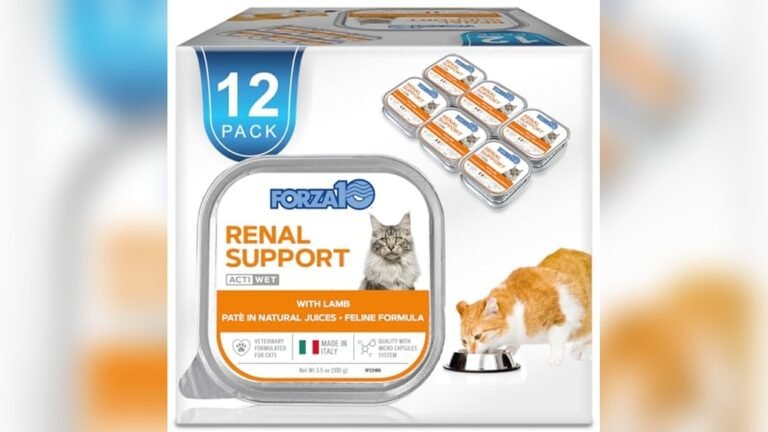
- Royal Canin Veterinary Diet Renal Support – Helps manage chronic kidney disease.
- Purina Pro Plan Veterinary Diets NF Kidney Function – Designed for cats with renal problems.
Veterinary diets contain controlled protein, low phosphorus, and balanced minerals. They help slow disease progression and improve quality of life.
Always consult a vet before choosing these diets. They tailor advice based on your cat’s condition and needs.
Budget-friendly Choices
Quality senior cat food does not always mean high price. Several budget-friendly brands offer good nutrition without costing too much. These options provide essential nutrients for aging cats on a budget.
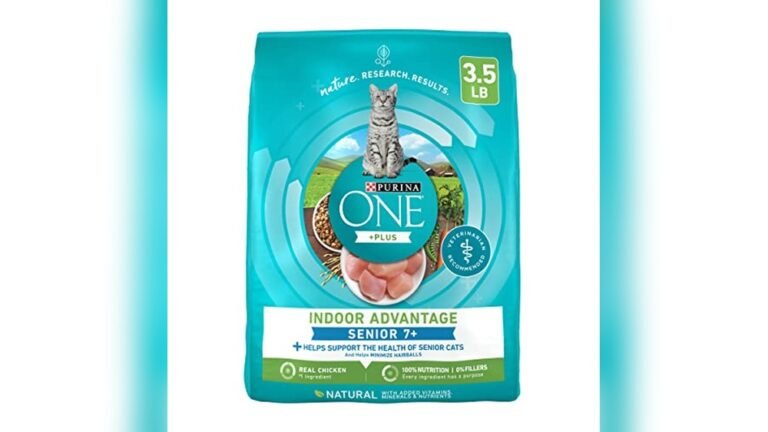
- Purina ONE Healthy Senior – Good protein levels and added vitamins.
- Friskies Senior Cat Food – Affordable and widely available.
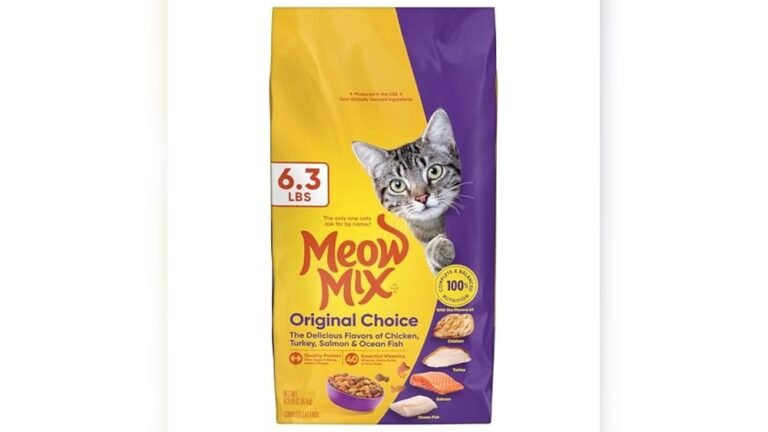
- Meow Mix Tender Centers – Easy to digest and palatable.
Here is a quick look at their features:
| Brand | Price Range | Key Nutrients |
|---|---|---|
| Purina ONE Healthy Senior | $$ | Chicken, vitamins, antioxidants |
| Friskies Senior Cat Food | $ | Meat by-products, grains, minerals |
| Meow Mix Tender Centers | $ | Chicken, rice, vitamins |
These brands balance cost and nutrition well. They suit cat owners who want good quality food without overspending.
Feeding Tips For Aging Cats
As cats grow older, their dietary needs change significantly. Choosing the Best Wet Cat Food For Seniors that meets these needs is vital. Feeding aging cats properly supports their health and comfort. This section covers key Feeding Tips for Aging Cats to help manage their diet effectively. Following these tips improves digestion, maintains energy, and supports joint and kidney health.
Portion Control And Meal Frequency
Portion control is essential for maintaining a healthy weight in older cats. Aging cats often have a slower metabolism and less activity, so they need fewer calories. Overfeeding can lead to obesity, which stresses their joints and organs.
Many vets recommend feeding smaller, more frequent meals throughout the day. This approach helps with digestion and keeps energy levels steady. For example, instead of two large meals, try giving four small meals daily.
- Use a measuring cup to ensure consistent portion sizes.
- Choose Low-Calorie Cat Food or Grain-Free Cat Food to prevent excess weight gain.
- Watch for signs of hunger or fullness to adjust portions.
| Age Group | Meal Frequency | Portion Size |
|---|---|---|
| 7-10 years | 2-3 meals per day | Moderate |
| 10+ years | 3-4 small meals per day | Smaller |
Adjust meal size based on your cat’s activity and weight. Feeding consistent portions supports Weight Management In Cats and overall health.
Transitioning To New Food
Changing your senior cat’s diet needs care. Abrupt changes can cause stomach upset or refusal to eat. Use Cat Food Transition Tips to help your cat adapt smoothly.
Start by mixing a small amount of the new food with the old food. Gradually increase the new food over 7-10 days until the old food is gone. This slow change helps avoid digestive issues.
- Days 1-3: 25% new food, 75% old food
- Days 4-6: 50% new food, 50% old food
- Days 7-9: 75% new food, 25% old food
- Day 10: 100% new food
Choose foods rich in Senior Cat Nutrition such as Joint Support Cat Food or Feline Kidney Health Diet formulas. These cater to common aging issues.
Watch your cat for any changes in appetite, stool, or energy during the transition. If problems appear, slow down the process or consult a vet.
Monitoring Weight And Health
Regular monitoring of your aging cat’s weight and health is critical. Sudden weight loss or gain can signal problems like Signs Of Malnutrition In Elderly Cats or kidney issues.
Weigh your cat every week or biweekly using a pet scale. Keep a log to track trends. Maintain regular vet visits to check for hidden health concerns.
- Look for changes in eating habits or water intake.
- Check for stiffness or difficulty moving, which may need Joint Support Cat Food.
- Note any vomiting, diarrhea, or lethargy promptly.
Use this simple health checklist:
| Health Aspect | What to Watch For | Action |
|---|---|---|
| Weight | More than 5% loss or gain in a month | Consult vet, adjust diet |
| Appetite | Sudden drop or increase | Monitor, vet visit if persists |
| Activity | Less movement or stiffness | Consider joint support food |
| Hydration | Increased drinking or urination | Check for kidney issues |
Keeping close watch helps catch problems early. A good diet matched to Aging Cat Dietary Needs supports a longer, happier life.
Special Dietary Considerations
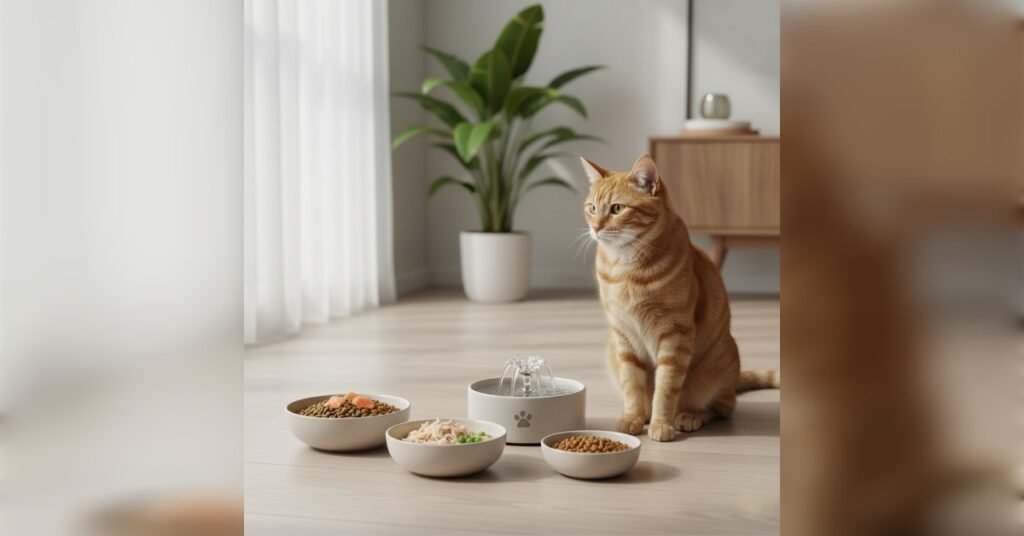
Aging cats have unique nutritional needs that differ from younger cats. Their bodies change, requiring special care in their diet. Special dietary considerations help maintain health, energy, and comfort as cats grow older. Choosing the right food supports vital organs and prevents common problems in senior cats. Careful attention to ingredients and nutrients can improve quality of life and extend longevity.
Managing Kidney Health
Kidney health is a top concern for aging cats. Kidneys filter waste and keep the body balanced. As cats age, kidney function can decline, leading to chronic kidney disease (CKD). Feeding the right cat food can ease the kidney’s workload and slow damage.
Look for cat foods with:
- Lower protein levels: Reduces kidney strain but keeps enough for body needs.
- Reduced phosphorus: Helps protect kidney function.
- Added omega-3 fatty acids: Supports kidney health and reduces inflammation.
- High moisture content: Encourages hydration to support kidneys.
Here is a quick comparison of key nutrients for kidney support:
| Nutrient | Recommended Level | Reason |
|---|---|---|
| Protein | Moderate (not too high) | Reduces kidney workload |
| Phosphorus | Low | Slows kidney damage |
| Omega-3 Fatty Acids | Included | Reduces inflammation |
| Moisture | High | Supports hydration and kidney function |
Feeding wet food or adding water to dry food helps keep cats hydrated. Water intake is vital for kidney health and toxin removal. Regular vet checks can spot kidney issues early and adjust diet plans.
Addressing Dental Issues
Dental problems are common in senior cats. Teeth may weaken, and gums can become inflamed. These issues cause pain and reduce appetite. Special diets can help keep teeth cleaner and reduce tartar buildup.
Consider these points for dental care in food:
- Dry kibble with a crunchy texture: Helps scrape plaque off teeth.
- Smaller kibble size: Easier for cats with weak teeth to chew.
- Added dental enzymes or agents: Reduce bacteria and plaque.
- Balanced minerals: Support strong teeth and gums.
Dental health also links to overall health. Poor oral care can cause infections spreading to organs. Regular brushing and vet dental cleanings are important alongside proper food.
Here is a checklist for dental-friendly cat food:
- Crunchy texture to reduce plaque
- Small, easy-to-chew pieces
- Dental enzymes or special additives
- Balanced calcium and phosphorus levels
Addressing dental health helps aging cats eat comfortably and stay healthy. Good oral care improves their mood and energy.
Supporting Joint Health
Joint stiffness and arthritis affect many aging cats. Pain and limited movement lower their quality of life. Diet plays a key role in supporting joints and reducing inflammation.
Look for foods with these joint-supporting ingredients:
- Glucosamine and chondroitin: Help repair cartilage and ease pain.
- Omega-3 fatty acids: Reduce joint inflammation.
- Antioxidants like vitamin E and C: Protect joints from damage.
- High-quality protein: Maintains muscle mass to support joints.
Maintaining a healthy weight also reduces stress on joints. Overweight cats need calorie-controlled diets to prevent joint strain.
The table below summarizes key nutrients for joint health:
| Nutrient | Benefit |
|---|---|
| Glucosamine & Chondroitin | Supports cartilage repair and joint comfort |
| Omega-3 Fatty Acids | Reduces joint inflammation |
| Antioxidants (Vitamins E & C) | Protect joints from oxidative damage |
| Protein | Maintains muscle to support joints |
Choosing foods with these nutrients helps aging cats stay active and comfortable. Joint support improves mobility and happiness in senior cats.
Frequently Asked Questions
What Nutrients Are Essential In Cat Food For Aging Cats?
Aging cats need high protein, low fat, and added antioxidants. Omega-3 fatty acids support joint health. Fiber aids digestion, while vitamins E and C boost immunity. Proper hydration is also crucial for older cats’ overall well-being.
How Does Senior Cat Food Differ From Regular Cat Food?
Senior cat food has tailored nutrients for aging needs. It contains fewer calories to prevent weight gain. Enhanced protein supports muscle maintenance. Added joint supplements improve mobility. Ingredients are easier to digest, promoting better nutrient absorption.
Can Aging Cats Eat Dry Or Wet Food Better?
Wet food offers more hydration, beneficial for aging cats. It’s easier to chew and digest. Dry food helps with dental health but may lack moisture. A mix of both can balance hydration and dental care for senior cats.
How To Transition My Cat To Senior Cat Food?
Introduce senior food gradually over 7-10 days. Mix increasing amounts with current food daily. Monitor your cat’s digestion and appetite. This helps prevent stomach upset and encourages acceptance of the new diet.
Conclusion
Choosing the right food helps your aging cat stay healthy and happy. Cats need nutrients that support joints, digestion, and energy. Feeding them with care can improve their quality of life. Pay attention to ingredients and avoid fillers that offer little benefit.
Regular vet visits also help catch health issues early. Your love and good food make a big difference. Aging cats deserve special meals made just for their needs. Keep them comfortable and active for many good years ahead.