How Do Cat Whiskers Work: Unveiling Their Secret Powers

Have you ever wondered how your cat seems to navigate the world with such amazing precision, even in the dark? The secret lies in something you might overlook every day—your cat’s whiskers.
These delicate, sensitive hairs do much more than just make your feline friend look cute. They are powerful tools that help your cat explore, hunt, and stay safe. If you want to understand what makes whiskers so special and how they work to give your cat super senses, keep reading.
You’ll discover fascinating facts that will change the way you see your furry companion forever.
Credit: www.hartz.com
Contents
Cat Whisker Anatomy
Cat whiskers are special hairs that help cats sense their world. They are not just ordinary hairs. These whiskers are deeply connected to a cat’s brain through sensitive nerves. This connection allows cats to detect changes in their surroundings quickly.
Understanding the structure and types of whiskers helps explain how cats use them to navigate and stay safe.
Structure And Placement
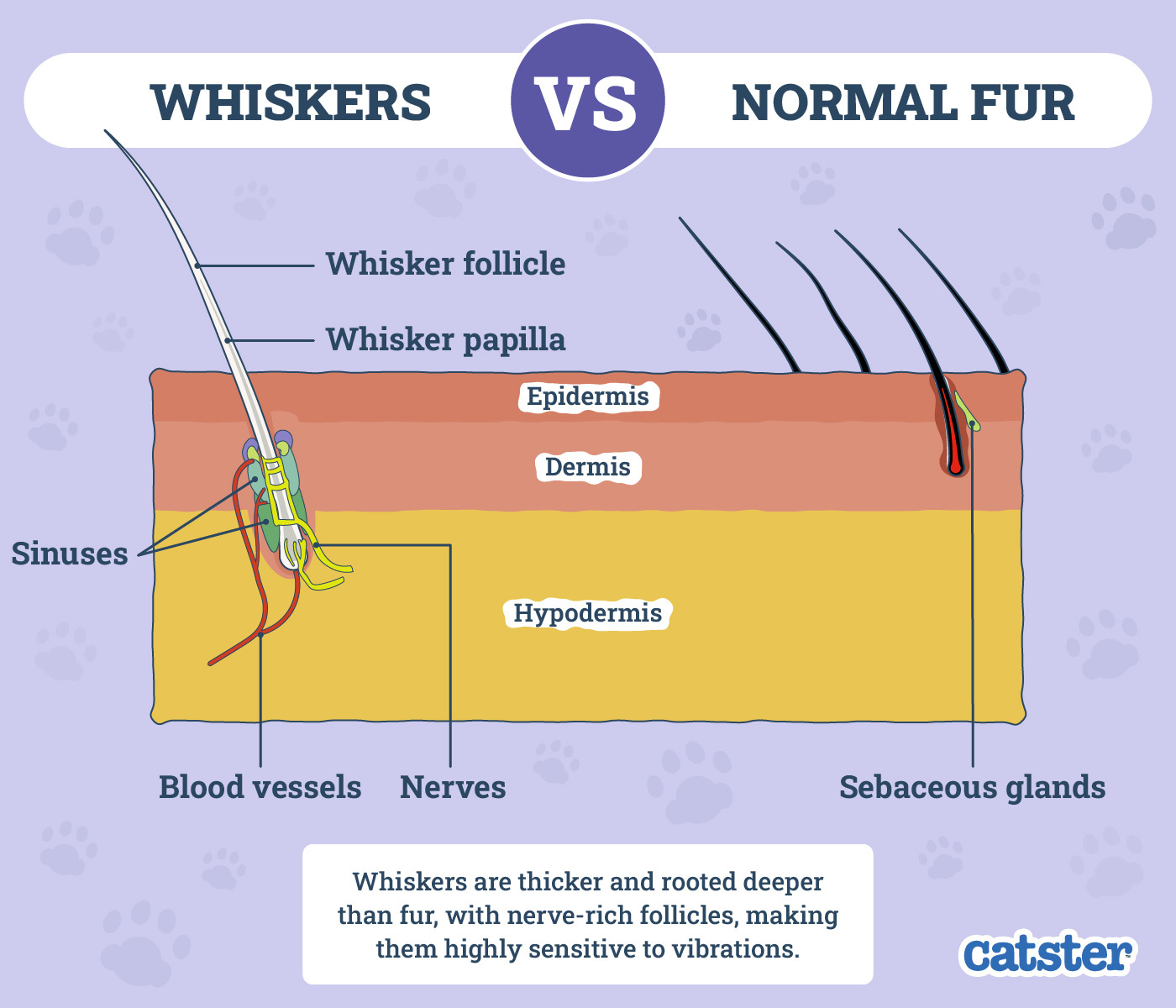
Whiskers are thicker and stiffer than regular fur. They grow from small pockets in the cat’s skin called follicles. Each whisker has many nerve endings at its base. These nerves send information to the cat’s brain.
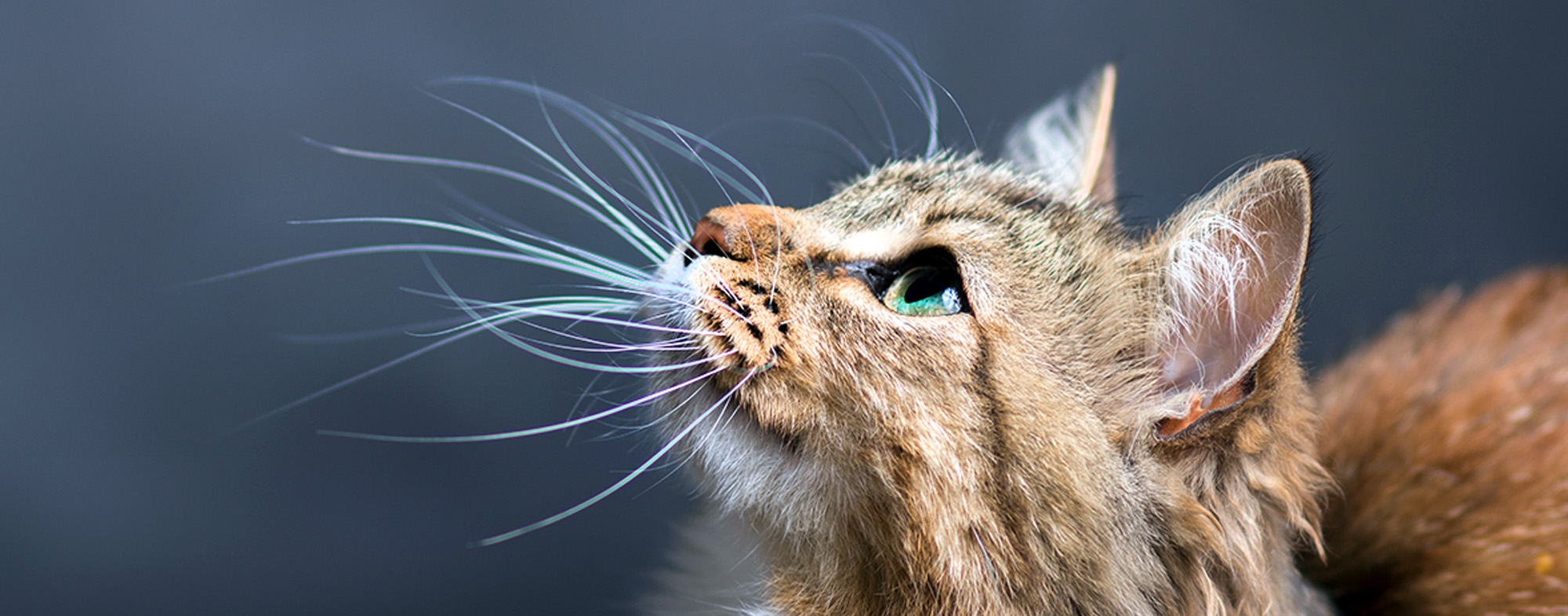
Whiskers appear mainly on the cat’s muzzle, above the eyes, and on the cheeks. Some even grow on the back of their front legs. Their placement helps cats feel objects and movements around their face and body.
Types Of Whiskers
Cats have different types of whiskers, each serving a unique purpose. The longest ones on the muzzle are called “vibrissae.” These help cats measure space and avoid bumps in the dark.
Shorter whiskers above the eyes protect the eyes by triggering a blink if something is too close. Whiskers on the legs help cats sense prey or objects while they move quietly.
Each type of whisker plays a role in helping cats explore safely and effectively.
Sensory Functions
Cat whiskers are not just for show. They serve important sensory roles that help cats understand their surroundings. These special hairs work like tiny sensors, sending information to the cat’s brain. This section explains how whiskers detect air currents and measure space and distance.
Detecting Air Currents
Whiskers can sense small changes in the air. When air moves around objects, whiskers pick up the flow. This helps cats notice nearby things without seeing them. It works like a radar system. Cats feel air shifts, which alert them to obstacles or prey. This sense is very sensitive and fast.
Measuring Space And Distance
Whiskers help cats judge space and size. They can tell if a gap is wide enough to pass through. Cats use their whiskers to measure distances in tight spots. This helps avoid getting stuck or bumping into things. Whiskers act like a ruler, giving cats exact information about their environment.
Whisker Movement
Cat whiskers move in many ways to help cats explore and understand their world. These special hairs are not just for show. They react to touch, air, and even emotions. Whisker movement is a mix of automatic responses and controlled actions.
This movement helps cats sense nearby objects and communicate with others. Whiskers act like tiny antennas, sending signals to the cat’s brain. Let’s explore how cats control their whiskers and what their movements mean.
Voluntary Vs Reflexive Actions
Cats can move their whiskers on purpose. They use this to check space around them. When curious, cats push their whiskers forward. This helps them “feel” what lies ahead.
Some whisker movements happen without thinking. If a whisker touches something, it pulls back quickly. This reflex protects the face from harm. Both types of movement work together to keep cats safe and aware.
Communication Through Whiskers
Whiskers also show how cats feel. When relaxed, whiskers stay to the side. If a cat is excited or hunting, whiskers point forward. This shows focus and interest.
Fear or anger makes whiskers flatten against the face. Other cats can read these signals. Whisker positions help cats avoid fights or start play. They are a quiet but clear language.
Credit: www.catster.com
Whiskers And Hunting
Cat whiskers play a key role in hunting. They act like sensors that help cats catch prey. These special hairs send important information to a cat’s brain. This helps cats move quietly and strike accurately. Whiskers help cats hunt in many ways.
Their long, stiff whiskers detect small changes in the air. This lets cats know if prey is near. Whiskers also help cats avoid obstacles. They guide cats through tight spaces while hunting. This gives cats an edge over their prey.
Locating Prey In Darkness
Cats often hunt at night or in low light. Their whiskers help them find prey in darkness. Whiskers sense tiny air movements from nearby animals. This lets cats detect prey even if they cannot see it. Whiskers work like radar, giving cats spatial awareness. It helps cats move quietly and avoid startling prey.
Assessing Prey Size And Shape
Whiskers help cats judge the size of their target. They brush against the prey to feel its shape. This tells cats if the prey is small enough to catch. It also helps cats decide how to bite or grab. Whiskers give cats important touch feedback during hunting. This improves their chances of a successful catch.
Environmental Awareness
Cat whiskers are vital tools for sensing the environment. They help cats understand their surroundings without seeing. These special hairs detect changes in air and objects near the cat’s face. This ability is part of what makes cats such skilled hunters and explorers.
Whiskers measure space width. Cats use them to judge if they fit through narrow gaps. When whiskers touch an object, cats know the size of the opening. This stops them from getting stuck or hurt. It acts like a natural ruler for their body.
Avoiding Danger
Whiskers sense nearby threats. They pick up small air movements caused by danger. Cats can detect predators or moving objects in the dark. This early warning helps cats stay safe. Whiskers alert cats to avoid harm quickly.
:max_bytes(150000):strip_icc()/portrait-of-beautiful-white-burmilla-looking-up--black-background-495381097-8202bb60c75949529eb48060044ed0b5.jpg)
Credit: www.treehugger.com
Whisker Fatigue
Whisker fatigue happens when a cat’s sensitive whiskers get too much stimulation. These whiskers are packed with nerve endings. They help cats sense the world around them. Too much contact can cause stress and discomfort. This condition can affect a cat’s daily life and mood.
Causes And Symptoms
Whisker fatigue can start from touching too many objects. Bowls that are too deep or narrow often cause it. Constant brushing against walls or tight spaces adds to the problem. Symptoms include twitching whiskers and rubbing the face. Cats may also seem irritated or avoid food bowls.
Impact On Cat Behavior
Cats with whisker fatigue may act shy or nervous. They might avoid tight spaces or playing with toys. Some cats stop eating or drink less water. Their mood can change quickly, seeming grumpy or tired. Understanding whisker fatigue helps improve a cat’s comfort and well-being.
Care And Maintenance
Cat whiskers play a vital role in their daily life. They help cats sense their surroundings and avoid dangers. Taking care of these sensitive hairs is important for your cat’s well-being. Proper care keeps whiskers healthy and working well.
When Whiskers Fall Out
It is normal for cats to lose some whiskers. Old whiskers fall out to make room for new ones. Do not worry if you see a few loose whiskers around your home. Watch for signs of too many whiskers falling out. This could mean stress or health problems. Consult a vet if whisker loss seems unusual.
Protecting Whisker Health
Avoid touching your cat’s whiskers often. Rough handling can damage them. Provide a calm and safe environment to reduce stress. Choose wide, shallow food bowls to protect whiskers from bending. Keep your cat’s face clean to avoid infections. Regular vet visits help maintain overall health and whisker strength.
Frequently Asked Questions
What Are Cat Whiskers Made Of?
Cat whiskers are made of keratin, the same protein in human hair. They are thick, stiff, and deeply embedded in the skin.
Whiskers detect nearby objects and changes in air currents. This helps cats move safely in the dark or tight spaces.
Why Do Cat Whiskers Twitch?
Whisker twitching indicates sensory activity. Cats use twitching to gather information about their environment and focus on prey or objects.
Can Cats Control Their Whiskers?
Cats can slightly move their whiskers to adjust their sensory input. However, whiskers mostly respond automatically to environmental stimuli.
Conclusion
Cat whiskers help them sense their world clearly. They detect touch, air movement, and space around. Whiskers guide cats in the dark and tight spots. These special hairs keep cats safe and aware. Understanding whiskers shows how cats explore and survive.
Next time you see a cat, notice their whiskers. They tell a story of nature’s smart design. Whiskers are small but very powerful tools for cats. They help cats move with confidence every day.