How Do Cats Know How to Use a Litter Box: Secrets Revealed!

Have you ever wondered how your cat seems to just know how to use a litter box without much training? It might feel like magic, but there’s actually a fascinating reason behind this natural behavior.
Understanding how your cat learns and adapts to the litter box can make your life easier and keep your home cleaner. You’ll discover the simple secrets behind your cat’s litter box habits—and how you can support them every step of the way.
Keep reading, and you’ll never look at your furry friend’s bathroom routine the same again!
.jpg)
Credit: healthysolutionsforpets.com
Contents
Instincts Behind Litter Box Use
Cats use litter boxes naturally because of their deep instincts. These instincts guide their behavior and make litter training easier. Understanding these natural drives helps explain why most cats pick up litter box use quickly.
Natural Burial Behavior
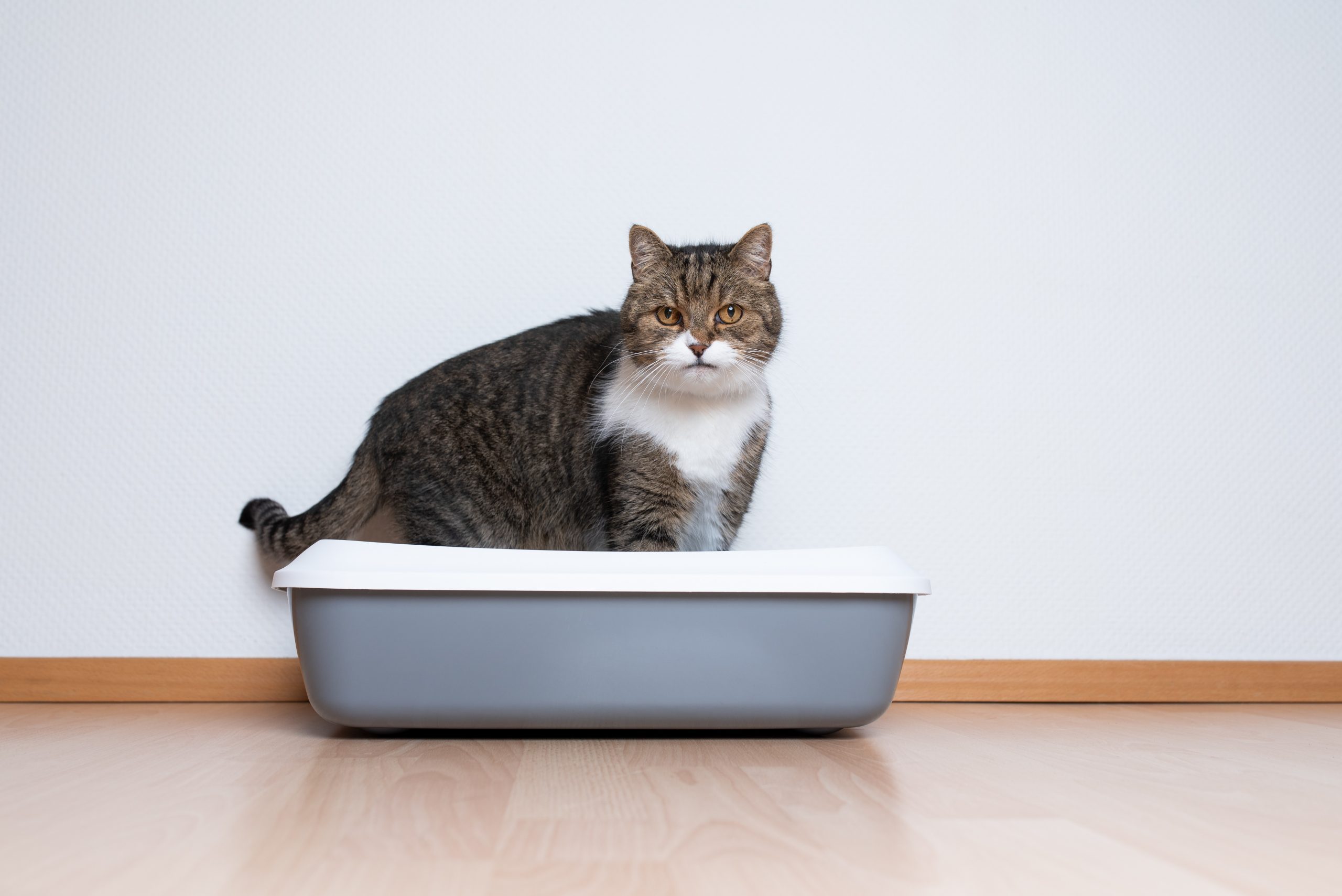
Cats have a strong urge to bury their waste. This behavior helps keep their environment clean and hides their scent from other animals. Burying waste is a way to stay safe in the wild. Even house cats follow this instinct without thinking. This is why cats dig and cover their litter after using the box. It feels normal and natural to them.
Wild Ancestors’ Influence
Domestic cats come from wild ancestors who needed to hide their presence. Wild cats bury their waste to avoid predators and rivals. This helped them survive in dangerous environments. These survival habits passed down through generations. That is why your pet cat still acts like a wild cat in many ways. The litter box taps into these ancient instincts. It offers a safe place to express natural behaviors.
Credit: tersakansanat.com
Early Learning Stages
Cats learn to use a litter box early in life. This learning happens in the first weeks of a kitten’s life. During this time, kittens watch and copy their mother. Their natural curiosity helps them explore new things, including the litter box.
Understanding these early learning stages helps owners support kittens better. It also explains why some cats take to the litter box quickly, while others need more time.
Mother Cat’s Role
The mother cat plays a big part in teaching litter habits. She shows her kittens where to go by using the litter area herself. Kittens learn by watching her cover her waste with dirt or litter. This behavior teaches them cleanliness and privacy.
The mother also cleans the kittens’ bottoms after they go. This action encourages kittens to go in the right place. Kittens feel safe and learn fast with their mother’s guidance.
Kitten Exploration
Kittens explore their surroundings with great interest. They sniff and paw at different textures. When they find the litter, they try digging and stepping in it. This play helps them learn how to use the litter box correctly.
Exploration also helps kittens develop habits. They learn to recognize the litter box as the place to go. Owners can support this by keeping the litter box clean and easy to access.
Scent And Territory
Cats use their strong sense of smell to understand their space. Scent plays a big role in how they find and use their litter box. Their natural behavior is guided by scents left in their territory.
They rely on these smells to know where to go and where not to go. Their litter box becomes a familiar spot because of the scent marks they leave and detect. This helps them feel safe and comfortable.
Marking With Scent
Cats mark their territory by leaving scent from glands on their paws and body. When they dig or scratch in the litter, they spread their scent there. This scent tells them the area belongs to them.
Marking the litter box with scent helps cats return to the same spot. It also warns other animals to keep away. This natural behavior helps cats stick to their litter box.
Avoiding Soiled Areas
Cats dislike dirty or smelly places. Their strong noses can detect old waste in the litter. They avoid using parts of the box that smell bad or are too soiled.
Keeping the litter box clean is important. It encourages cats to use it regularly. A fresh scent makes the box inviting and comfortable for them.
Training Techniques
Training a cat to use a litter box takes patience and clear steps. Cats learn best through gentle guidance and routine. Training techniques help your cat understand where to go. This makes life easier for both of you.
Introducing The Litter Box
Place the litter box in a quiet, safe spot. Let the cat explore it without pressure. Show your cat the box after meals and naps. Cats usually need to go to the bathroom after these times. Keep the box clean to encourage use. A dirty box can scare cats away.
Positive Reinforcement
Praise your cat when it uses the litter box. Use soft words or gentle petting. Offer small treats to reward good behavior. Avoid punishment if your cat has accidents. Rewarding good actions builds trust and learning. Positive reinforcement helps your cat feel safe and happy.
Common Mistakes To Avoid
Do not move the litter box too often. This confuses your cat. Avoid using strong-smelling cleaners on the box. Cats dislike strong smells. Don’t punish your cat for accidents. This can cause fear and hiding. Keep the litter box clean and accessible at all times.
Litter Box Preferences
Cats are very particular about their litter boxes. Their preferences affect how easily they learn to use it. Understanding these preferences helps keep your cat happy and clean. Small changes in litter, box size, or cleaning habits make a big difference.
Choosing The Right Litter
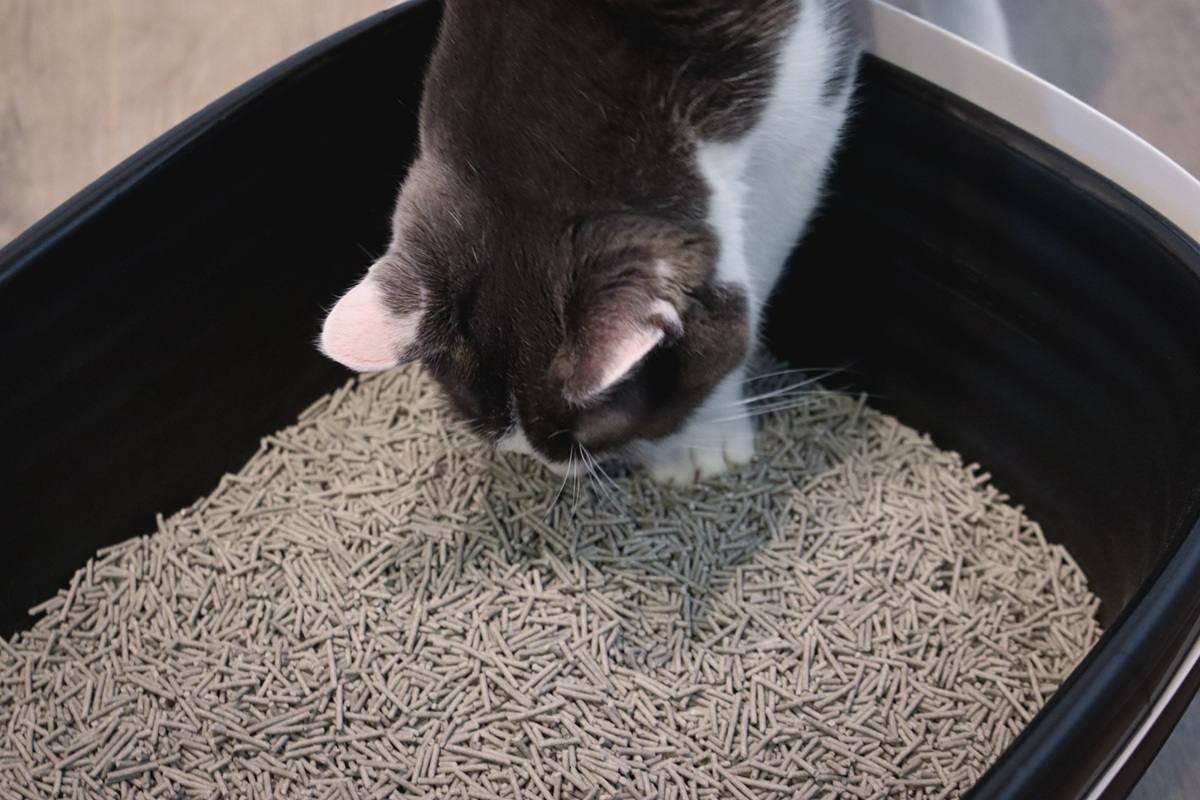
Cats prefer litter that feels soft under their paws. Unscented, clumping litter is often the best choice. It absorbs odors and makes cleaning easier. Avoid strong smells; cats dislike harsh scents. Dust-free litter keeps their airways clear and healthy.
Box Size And Location
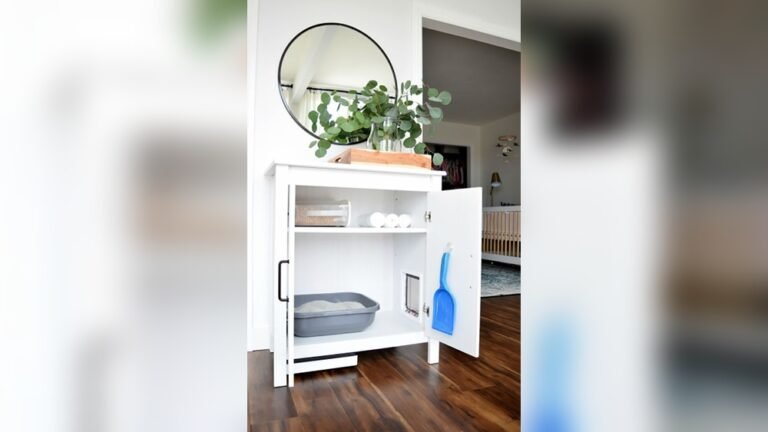
The litter box must be big enough for your cat to move freely. A cramped box can make cats avoid using it. Place the box in a quiet, low-traffic area. Cats want privacy but also easy access. Avoid noisy or busy spots in your home.
Cleaning Frequency
Cats dislike dirty litter boxes. Scoop waste daily to keep it fresh. Wash the box with mild soap weekly. A clean box encourages consistent use. Dirty boxes cause cats to go elsewhere. Regular cleaning helps maintain good habits.
Credit: cats.com
Troubleshooting Issues
Troubleshooting litter box problems helps keep your cat happy and your home clean. Cats usually learn to use the litter box quickly. Sometimes, issues arise that need attention. Understanding the causes helps solve these problems fast.
Accidents And Causes
Accidents outside the litter box are common. Some cats dislike dirty litter boxes. Others find the box too small or hard to enter. Stress from changes in the home can cause accidents. New pets or loud noises may upset your cat. Cleaning the box often and placing it in a quiet spot helps.
Behavioral Problems
Behavior issues may stop your cat from using the box. Some cats mark territory with urine. This is normal but can be frustrating. Cats may avoid the box if it smells like another cat. Changes in routine can confuse them. Offering multiple clean boxes in different areas helps reduce problems.
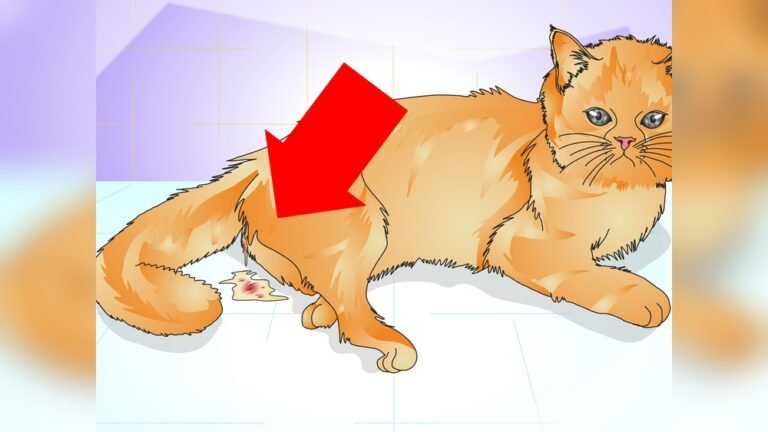
Health problems often cause litter box troubles. Urinary tract infections make it painful to urinate. Arthritis can make entering the box hard. Digestive issues may cause diarrhea outside the box. A vet visit can find these problems early. Treating health issues usually fixes the litter box habits.
Frequently Asked Questions
How Do Cats Instinctively Use A Litter Box?
Cats have a natural instinct to bury their waste. This behavior helps them stay clean and hide their scent from predators. They naturally seek soft, sandy surfaces, which makes litter boxes an ideal spot for elimination.
Can Kittens Learn To Use A Litter Box Easily?
Yes, kittens learn quickly by observing their mother. They instinctively understand the litter box’s purpose. Early introduction and consistent placement help them master the habit faster.
Why Do Some Cats Refuse To Use The Litter Box?
Cats may avoid the box due to stress, cleanliness issues, or medical problems. A dirty or inappropriate litter type can deter them. Ensuring a clean, quiet, and accessible box encourages use.
Does Litter Box Training Require Special Techniques?
Basic litter box training involves patience and consistency. Place the box in a quiet area and reward your cat after use. Avoid punishment to maintain trust and encourage positive behavior.
Conclusion
Cats learn to use the litter box through instinct and guidance. Their natural habits lead them to bury waste. Owners help by showing where the box is and keeping it clean. Patience and consistency make the process easier. Understanding these simple steps helps cats feel comfortable.
A clean litter box keeps cats happy and healthy. This knowledge makes caring for your cat less stressful. Every cat can learn with gentle support and time.