
How Do Cats Know to Use the Litter Box: Secrets Revealed!

Have you ever wondered how your cat just seems to know exactly where to do its business? It’s almost like they have a secret manual for using the litter box.
If you’ve ever struggled with litter box training or simply want to understand your furry friend better, you’re in the right place. You’ll discover the surprising reasons behind your cat’s natural instincts and how they learn this essential skill. Keep reading, and you’ll unlock the mystery that makes life with your cat cleaner and easier.
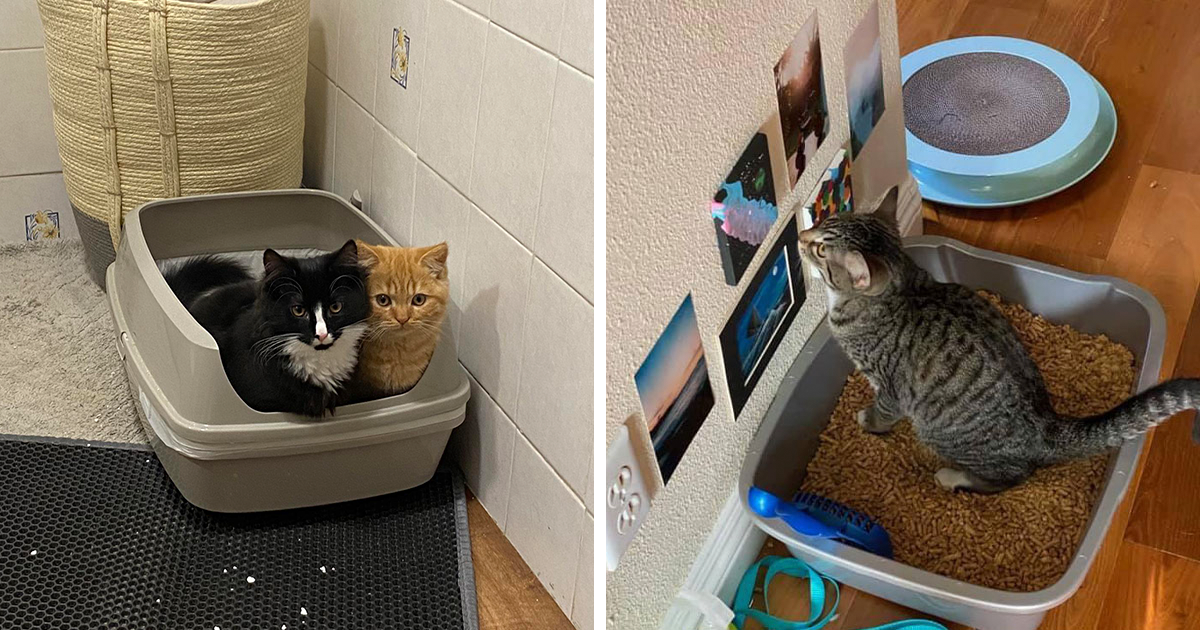
Credit: nefrologiadelbritanico.com.ar
Contents
Cat Instincts And Litter Box Use
Cats have natural instincts that guide their behavior, including using the litter box. These instincts help cats know where to go when they need to relieve themselves. Understanding these natural behaviors can make litter box training easier and less stressful for both cats and owners.
Natural Burial Behavior
Cats instinctively bury their waste. This behavior comes from their wild ancestors. Covering their waste hides their scent from predators. It also keeps their environment clean. This natural habit helps cats feel safe and comfortable using a litter box.
Scent And Territory
Cats use scent to mark their territory. They recognize their own scent and avoid soiling their space. The litter box contains a familiar scent from their waste. This scent tells cats the box is the right place to go. It helps them keep their territory clean and organized.
Kitten Learning Process
Kittens learn litter box use from their mother. She shows them how to dig and bury waste. Young cats watch and imitate this behavior. Early exposure makes training easier. Positive reinforcement helps kittens understand the litter box is their toilet.
.jpg)
Credit: healthysolutionsforpets.com
Role Of Environment In Training
The environment plays a big role in teaching cats to use the litter box. Cats feel safe and comfortable when their space is right. A good environment helps cats learn quickly and avoid accidents. Small changes in the litter box area make a big difference. The right setting helps cats trust their new bathroom spot.
Choosing The Right Litter Box
Pick a litter box that fits your cat’s size. Some cats prefer covered boxes for privacy. Others like open boxes to see around. The box should be easy for the cat to enter and exit. Cleanliness matters. A clean box encourages cats to use it more often.
Litter Types That Attract Cats
Cats like soft, fine-textured litter. Unscented litter is best because strong smells can scare cats. Clumping litter helps keep the box clean longer. Some cats prefer natural materials like wood or paper. Try different types to see what your cat likes.
Box Placement Strategies
Place the box in a quiet, low-traffic spot. Avoid noisy or busy areas that scare cats. Keep the box away from the cat’s food and water. Cats do not like to eliminate near their eating spots. Make sure the box is easy for the cat to find and reach.
Human Influence On Litter Training
Humans play a key role in teaching cats to use the litter box. Cats learn habits by watching and responding to their owners. The way people introduce the box and guide the cat affects success. Patience and clear signals help cats understand what to do.
Early Introduction Techniques
Start litter training as soon as the kitten arrives. Place the kitten in the box after meals and naps. Keep the box in a quiet, easy-to-reach spot. Show the kitten how to dig gently in the litter. Consistency helps the cat form good habits fast.
Positive Reinforcement Methods
Reward the cat with praise or treats after using the box. Positive feedback encourages the cat to repeat good behavior. Avoid punishment, which can cause fear or confusion. Soft voices and gentle pets make cats feel safe and willing to learn.
Common Training Mistakes
Moving the litter box too often can confuse cats. Using harsh cleaners or strong smells near the box may deter use. Punishing accidents can harm trust and slow training. Ignoring signs of discomfort or health issues may cause problems.
Behavioral Signals And Troubleshooting
Cats usually learn to use the litter box naturally. They show certain behaviors that tell you if something is wrong. Watching these signals helps fix problems early. Troubleshooting litter box issues can be simple with the right approach.
Signs Of Litter Box Avoidance
Cats may stop using the litter box for many reasons. They might urinate outside the box or scratch around it. Some cats hide or seem anxious near the box. A sudden change in behavior often points to litter box trouble. Noticing these signs early helps solve the problem fast.
Addressing Medical Issues
Health problems can cause litter box avoidance. Urinary tract infections or bladder pain make cats avoid the box. Kidney disease or arthritis may also affect their habits. Visiting a vet is important if your cat shows sudden changes. Treating medical issues often restores normal litter box use.
Solutions For Problem Behaviors
Stress or fear can stop cats from using the litter box. Changes in home or loud noises may upset them. Clean the box daily and place it in a quiet area. Use unscented litter to please sensitive noses. Reward your cat with gentle praise after use. Patience and consistency help fix these behaviors.
Advanced Tips For Maintaining Litter Box Habits
Maintaining good litter box habits is key to a happy cat and a clean home. Cats appreciate a tidy, comfortable space for their bathroom needs. Small changes in care can make a big difference. These advanced tips help keep your cat using the litter box consistently.
Cleaning And Maintenance Tips
Clean the litter box daily to prevent odors and mess. Scoop waste at least once a day. Replace the litter fully once a week. Use unscented, clumping litter to attract cats. Wash the box with mild soap and water. Avoid strong-smelling cleaners that may scare cats. Keep the box in a quiet, low-traffic area. Provide one litter box per cat plus one extra.
Managing Multi-cat Households
Each cat needs its own litter box to avoid conflicts. Place boxes in different rooms or corners. Watch for signs of guarding or bullying near litter boxes. Increase the number of boxes if needed. Use different types of litter if cats prefer. Keep boxes clean to reduce stress and fights. Observe your cats’ habits and adjust the setup as needed.
Adapting To Changes And Stress
Stress can cause litter box issues. Changes in routine, new pets, or moving can upset cats. Keep the litter box area stable and quiet. Add extra boxes during stressful times. Use calming sprays or diffusers approved for cats. Spend extra time with your cat to ease anxiety. Monitor behavior closely and consult a vet if problems continue.
:max_bytes(150000):strip_icc()/how-do-cats-know-how-to-use-the-litter-box-1283463889-2000-f1260aa75bac4dd6b968fe43b2dd1993.jpg)
Credit: www.eco2profil.ch
Frequently Asked Questions
How Do Cats Instinctively Find The Litter Box?
Cats have a natural instinct to bury their waste. This behavior helps them hide their scent from predators. Kittens learn this by observing their mother. The litter box mimics natural digging spots, guiding cats to use it consistently.
Can Cats Recognize Their Litter Box Location?
Yes, cats use their strong sense of smell and memory. They remember the litter box spot through familiar scents. Consistent placement helps cats quickly identify where to go. Changing the box’s location can confuse them temporarily.
Why Do Some Cats Avoid The Litter Box?
Cats may avoid the box due to cleanliness issues. They dislike dirty litter or strong smells. Stress, illness, or improper box size also cause avoidance. Regular cleaning and proper box setup encourage consistent use.
How Long Does It Take Cats To Learn Litter Training?
Kittens usually learn litter habits within a few weeks. Learning depends on the mother’s example and human guidance. Providing a clean, accessible box speeds up training. Patience and positive reinforcement are key to success.
Conclusion
Cats learn to use the litter box through instinct and training. They naturally bury their waste to stay clean. Owners help by showing where the box is. Consistency and patience make the process easier. A clean, quiet spot encourages cats to use it.
Understanding this helps you care for your cat better. Simple steps lead to success. Your cat feels comfortable and safe. Using the litter box becomes a habit over time. It’s part of their natural behavior and your guidance.