How Far Can Cats Smell Their Litter Box: Surprising Facts Revealed

Have you ever wondered how far your cat can actually smell its litter box? Understanding this can help you keep your home fresher and your feline friend happier.
Cats have an incredible sense of smell, and knowing just how sensitive it is can change the way you manage their litter area. If you want to prevent unwanted accidents and create a more comfortable space for your pet, keep reading.
This article will reveal surprising facts about your cat’s nose and give you simple tips to make their litter box experience better for both of you.

Credit: www.uahpet.com
Contents
Cat’s Sense Of Smell
Cats rely heavily on their sense of smell to understand their world. Their noses help them find food, avoid danger, and even communicate. This strong sense plays a key role in how they locate their litter box. Understanding how cats smell helps explain their behavior around the litter area.
Olfactory Abilities Compared
Cats have about 50 to 80 million smell receptors. Humans have only around 5 million. Dogs have more, about 220 million, but cats still rank high. This makes cats’ noses very sensitive to odors. They can detect smells that humans cannot. This sharp sense helps them find subtle scents from far away.
How Cats Use Their Nose
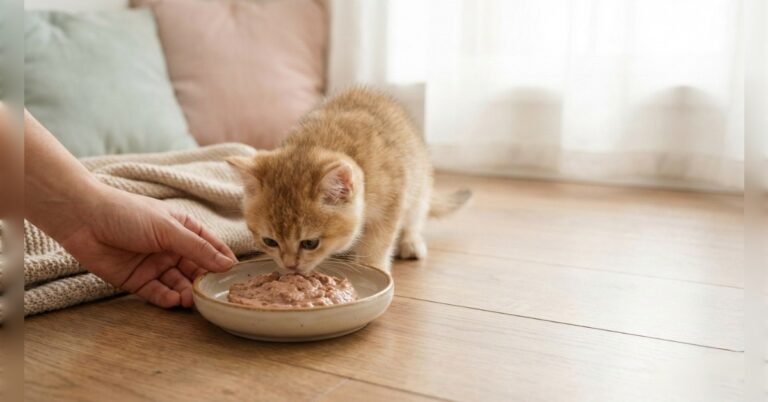
Cats use their nose to explore new places and objects. They sniff to gather information about their surroundings. The smell of the litter box signals a safe spot for them. Cats can detect the scent of their waste from several feet away. This helps them return to the box easily and quickly. Their nose guides them more than their eyes in many cases.

Credit: www.missinganimalresponse.com
Litter Box Odors
Cats have a strong sense of smell. This helps them find their litter box easily. Litter box odors play a big role in this process. Cats can detect many smells from their litter box. These smells tell them if the box is clean or dirty. Understanding these odors helps pet owners keep the box fresh. It also keeps cats happy and healthy.
Common Smells Cats Detect
Cats smell urine and feces in their litter box. These smells are strong and easy for cats to notice. Ammonia is a key scent from cat urine. It can be sharp and unpleasant for cats. Other smells include the litter material itself. Some litters have scents added to cover odors. Cats can tell if the box smells fresh or old. They use these smells to decide if the box is usable.
Factors Affecting Litter Box Scent
The type of litter affects how the box smells. Clumping litters trap odors better than non-clumping types. How often you clean the box changes the scent too. A dirty box has stronger smells that cats dislike. Room ventilation also changes how smells spread. Poor airflow makes odors stronger and more obvious. Using scented litter may mask smells but can bother some cats. Fresh, clean litter boxes help control odors and keep cats coming back.
Distance Cats Detect Litter Box
Cats have an amazing sense of smell. They use this skill to find their litter box even from a distance. Understanding how far cats can detect their litter box helps in placing it properly. This can keep your home cleaner and your cat happier.
Scientific Findings
Cats have about 200 million scent receptors in their noses. This is far more than humans, who have about 5 million. Studies show cats can smell odors up to several meters away. The exact distance depends on the strength of the scent. Stronger smells travel farther, making it easier for cats to find their box.
Research also shows cats rely on smell more than sight to locate their litter box. Their noses guide them directly to the spot. This explains why cats sometimes find hidden or covered litter boxes quickly.
Influence Of Environment
Airflow affects how far a cat can smell the litter box. In open spaces, smells spread faster and farther. In small or closed rooms, the scent stays stronger but travels less distance.
Other smells in the house can compete with the litter box odor. Cleaning products, food smells, or other pets may confuse the cat. A clean litter box with fresh litter helps keep the scent clear and easy to find.
Temperature and humidity also change how smells travel. Warm, dry air helps scents move farther. Cold or humid air can weaken the smell. Knowing this helps you choose the best spot for the litter box in your home.
Behavioral Responses To Litter Box Smell
Cats rely heavily on their sense of smell to interact with their environment. The smell of a litter box plays a big role in how they behave around it. Their reactions help us understand their comfort and needs. Cats can detect scents from far away, guiding them to the litter box or warning them to stay away.
Understanding these behaviors helps pet owners maintain a clean and inviting space for their cats. The way cats respond to litter box smells varies widely. Some cats seek out the area, while others avoid it due to strong odors.
Seeking The Litter Box
Cats use their sharp noses to find their litter box quickly. The familiar scent of their waste helps them locate the box, even from a distance. This behavior ensures they can relieve themselves safely and comfortably. A clean box with a mild scent attracts cats and encourages regular use. They feel secure when the box smells like them or their territory.
Avoidance And Preferences
Strong or foul odors can repel cats from their litter box. Some cats avoid boxes that are dirty or have a strong ammonia smell. This avoidance can lead to accidents outside the box. Cats prefer a fresh, lightly scented litter box. Different cats have different scent preferences. Some like unscented litter, while others tolerate mild fragrances. Keeping the box clean and odor-free helps prevent avoidance behaviors.
Tips To Manage Litter Box Odors
Litter box odors can be a challenge for cat owners. Managing these smells keeps your home fresh and your cat happy. Effective odor control starts with simple steps. Small changes make a big difference in reducing smells.
Choosing The Right Litter
Select litter that clumps well and controls odors. Clay-based litters absorb moisture quickly. Some litters have baking soda or charcoal to neutralize smells. Scented litters can mask odors but may bother sensitive cats. Test different types to find what works best.
Cleaning Routines
Clean the litter box daily to remove waste. Scoop out clumps and solid waste every day. Wash the box with soap and water once a week. Avoid harsh chemicals that can harm your cat. A clean box reduces strong smells and keeps cats healthy.
Placement Strategies
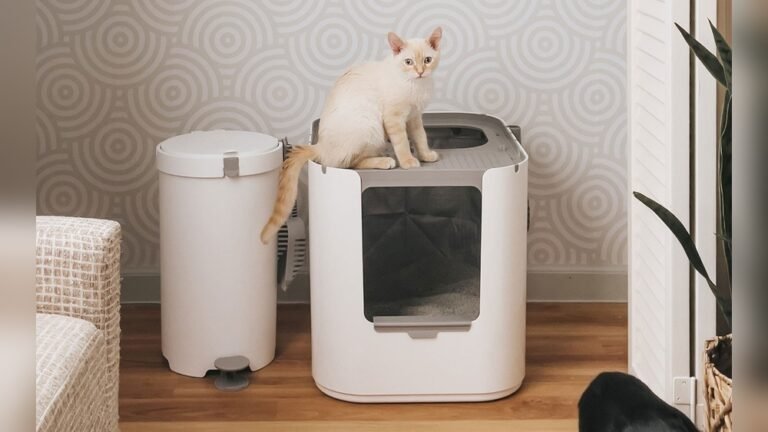
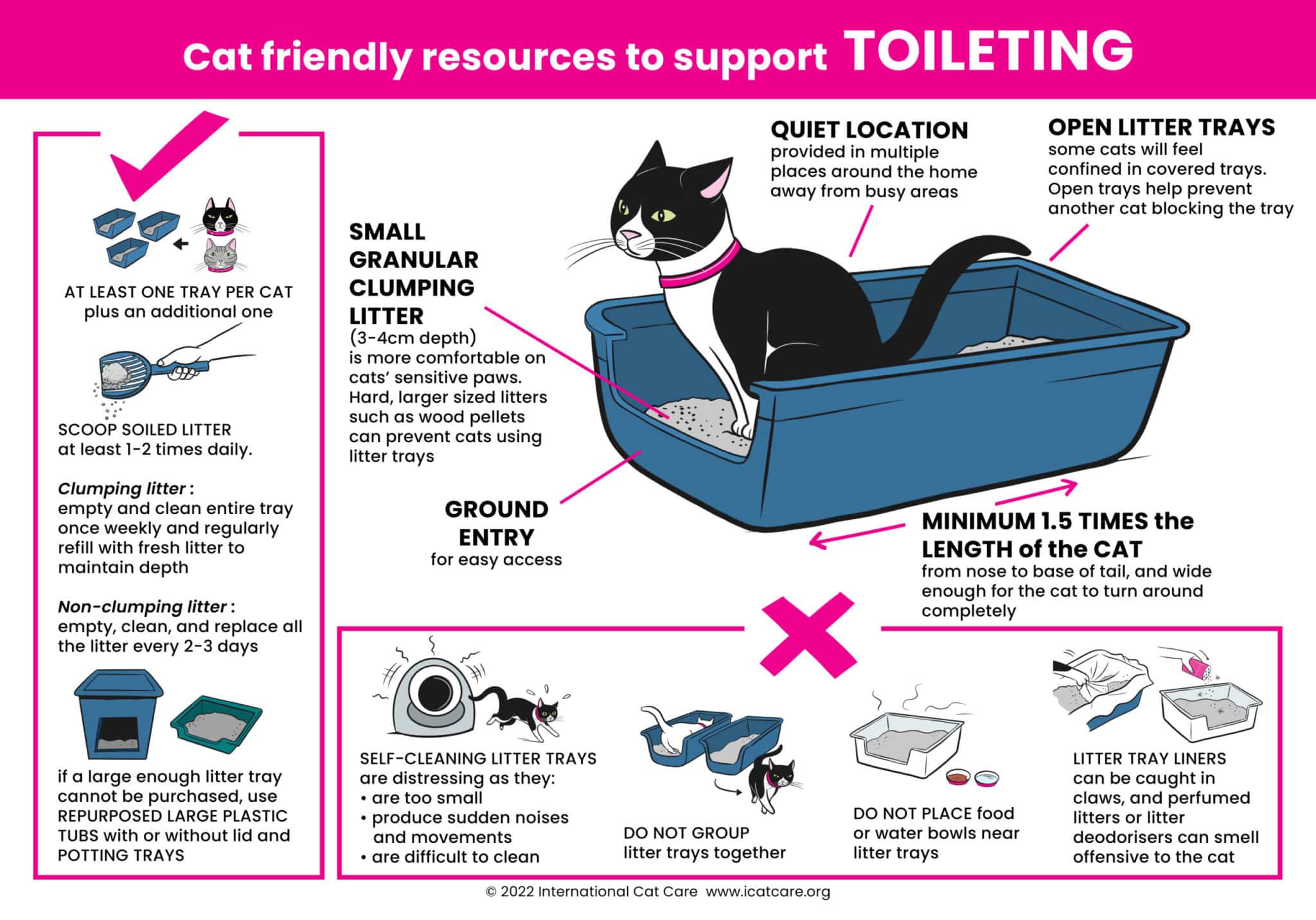
Place the litter box in a well-ventilated area. Avoid tight spaces with poor airflow. Keep the box away from your living and eating areas. Multiple cats need multiple boxes to prevent odor buildup. Proper placement helps air out smells quickly.
Credit: sdhumane.org
Unexpected Facts About Cat Smell
Cats have a unique way of using their sense of smell. Their noses are very sensitive. They can smell things far away, even their litter box. But there are some surprising facts about how cats use their smell. These facts help us understand cats better.
Smell is more than just finding food or danger for cats. It is also a way they communicate and feel safe. Their sense of smell guides many of their behaviors.
Cats And Scent Marking
Cats mark their territory with scent. They have special glands on their face and paws. When they rub or scratch, they leave their scent behind. This tells other cats, “This is my space.”
The litter box also holds their scent. Cats often sniff their box to check their territory. This helps them feel secure and relaxed. The smell of the litter box is a sign of their home.
Impact On Cat-human Interaction
Cats use smell to recognize their humans. They smell your hands and clothes to know you are safe. This builds trust between you and your cat.
Sometimes, cats rub their face on you. This is a way to share their scent with you. It means they feel comfortable and close to you.
Understanding how cats use smell can improve your bond. You can create a calm space by keeping their litter box clean. This makes your cat feel happy and secure.
Frequently Asked Questions
How Far Can Cats Smell Their Litter Box?
Cats can smell their litter box from several meters away. Their powerful noses detect ammonia and waste odors easily. This helps them locate their box even in large homes or outdoor spaces.
What Influences A Cat’s Ability To Smell Its Litter Box?
A cat’s sense of smell depends on litter type, cleanliness, and airflow. Strong scents and dirty litter improve detection. Fresh litter or poor ventilation may reduce a cat’s ability to smell its box.
Can A Cat’s Age Affect Its Litter Box Smell Detection?
Yes, older cats may have reduced smell sensitivity. Aging can decrease their nasal receptors and interest in odors. This might make finding the litter box harder for senior cats.
Does Litter Box Location Impact A Cat’s Smell Detection?
Yes, placing the litter box in a quiet, well-ventilated area helps cats find it. Crowded or noisy spots may confuse cats or mask odors. Proper placement improves a cat’s ability to detect the box.
Conclusion
Cats have a strong sense of smell that helps them find their litter box. They can detect odors from several feet away. Keeping the litter box clean helps reduce strong smells. This makes your home more comfortable for both you and your cat.
Remember, a fresh litter box encourages good habits. Place the box in a quiet, easy-to-find spot. Understanding your cat’s sense of smell helps you care for them better. Small changes can make a big difference in their comfort. Cats rely on scent more than you might think.