How Long Can Cat Survive Without Food: Essential Survival Facts

Have you ever wondered how long your cat can go without food? It’s a scary thought, but knowing the answer could save your furry friend’s life.
Cats are tough, but their bodies can only handle so much before serious problems start. If your cat stops eating, you need to act fast. You’ll discover exactly how long cats can survive without food, what signs to watch for, and what you should do if your cat refuses to eat.
Keep reading—your cat’s health might depend on it.
Contents
Cat’s Survival Without Food
Understanding how long a cat can survive without food is crucial for any cat owner. Cats rely heavily on regular feeding to maintain their health and energy. When a cat stops eating, it’s not just hunger—it can lead to serious health issues quickly.
Typical Duration Cats Can Survive
Cats can usually survive without food for about one to two weeks. However, this depends a lot on their overall health and hydration. Without water, the timeline shortens drastically, often to just a few days.
During this time, cats begin to use their fat reserves for energy. If these stores run out, their bodies start breaking down muscle, which is dangerous. Many cat owners don’t realize how quickly their pet’s condition can worsen without eating.
Factors Affecting Survival Time
Several factors influence how long your cat can go without food. Age plays a big role—kittens and older cats have less reserve and weaker immune systems.
- Health Status: Cats with pre-existing conditions like diabetes or kidney disease suffer faster without food.
- Hydration: Access to water can extend survival by preventing dehydration, which is often fatal before starvation.
- Body Weight and Fat Reserves: Overweight cats might survive longer initially, but rapid fat breakdown can lead to liver problems.
- Stress and Environment: Stressful surroundings or illness can lower a cat’s ability to cope without food.
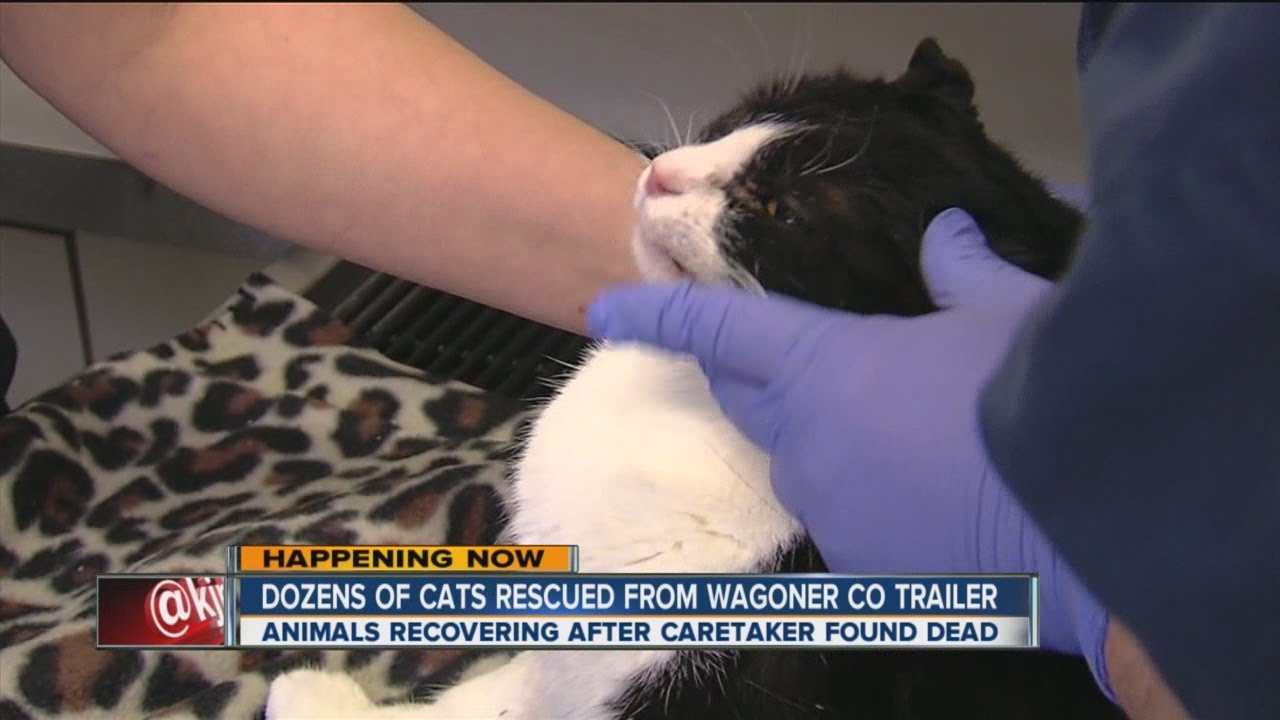
Have you noticed your cat eating less or refusing food? It’s a sign you should act quickly. Even a day without food can be harmful for some cats, so monitoring their eating habits closely is vital.
Credit: www.youtube.com
Impact Of Water Intake
Water is vital for a cat’s survival, especially without food. It supports many body functions. Without enough water, a cat’s health can quickly worsen. Understanding water’s role helps explain how long a cat can survive without eating.
Importance Of Hydration
Water keeps a cat’s body cool and balanced. It helps digest food and remove waste. Hydration supports the heart, kidneys, and brain. Cats lose water through breathing, urine, and sweat. Without enough water, organs can fail fast. Even a short time without water is risky.
Survival Differences With And Without Water
A cat without food but with water can survive longer. Water slows down dehydration and keeps energy levels stable. Without water, a cat may survive only a few days. Dehydration harms cells and causes organ damage. With water, a cat might last one to two weeks without food. Without water, survival drops to a few days.
Signs Of Starvation In Cats
Recognizing the signs of starvation in cats is critical for their health. Cats cannot survive long without food. Early signs help catch the problem before it becomes severe. Starvation affects both the body and mind of a cat. Watch closely for changes in how your cat looks and acts.
Physical Symptoms
Weight loss is the first and most obvious sign. The cat’s ribs and spine become visible. Muscle loss makes the cat look weak and frail. The coat becomes dull and may fall out. Eyes may look sunken and lifeless. The cat may also have trouble standing or walking. Severe dehydration often accompanies starvation. The cat’s gums may turn pale or dry. Skin loses its elasticity and feels loose.
Behavioral Changes
Starving cats often lose interest in play or social interaction. They may hide more than usual. A cat may stop grooming itself, causing a messy coat. Appetite changes, including refusal to eat, signal distress. Some cats become irritable or restless. Sleeping patterns might change, with more time spent sleeping. Weakness causes less movement and less energy. Vocalization may increase, showing discomfort or hunger. These changes are serious signs of starvation.

Credit: michupet.com
Health Risks Of Prolonged Fasting
Prolonged fasting in cats is very dangerous. Cats need regular food to keep their bodies working well. Without food, their health can quickly get worse. The body starts to use its own tissues for energy, which causes many problems. Understanding the health risks helps pet owners act fast and keep cats safe.
Organ Damage
When a cat fasts too long, organs begin to fail. The liver is often the first to suffer. Fat builds up in the liver, causing serious damage. Kidneys also struggle without proper nutrients. Over time, the heart and other organs weaken. This damage can become permanent and life-threatening.
Immune System Weakening
Without food, a cat’s immune system gets weaker. The body cannot make enough white blood cells. This lowers the cat’s ability to fight infections. Even minor illnesses can become severe. A weak immune system makes recovery harder and slower.
Emergency Care For Starving Cats
Emergency care for starving cats is critical to save their lives. Cats can survive only a few days without food. Their bodies quickly use stored energy. This can lead to serious health problems. Immediate attention is necessary to avoid organ damage or death.
Knowing how to help a starving cat safely is important. Proper care can improve recovery chances. Understanding when to get veterinary help and how to feed them safely is key.
When To Seek Veterinary Help
Take the cat to a vet as soon as possible. Signs of severe starvation include weakness, vomiting, and dehydration. If the cat is unresponsive or has trouble breathing, seek help immediately. A vet can provide fluids, nutrition, and medicines. Delaying care can cause permanent damage or death.
Safe Feeding Practices After Starvation
Start feeding small amounts of easy-to-digest food. Avoid giving large meals right away. Gradually increase food over several days. Use wet food or special recovery diets recommended by vets. Fresh water should always be available. Feeding too fast can cause serious complications. Patience is necessary for proper recovery.
:max_bytes(150000):strip_icc()/GettyImages-937809006-2000-3badc22ecf8946ceb6aa0482f80b8dc3.jpg)
Credit: www.southernliving.com
Preventing Food Deprivation
Preventing food deprivation is key to keeping your cat healthy and happy. Cats need regular meals to maintain energy and bodily functions. Skipping meals can lead to serious health problems. Owners must take simple steps to avoid food deprivation. Understanding these steps helps protect your pet from harm.
Ensuring Regular Feeding
Feed your cat at the same times every day. Consistency helps your cat feel secure and reduces stress. Choose a feeding schedule that fits your lifestyle. Avoid leaving food out for too long to prevent spoilage. Measure food portions to avoid overfeeding or underfeeding. Use automatic feeders if you are away. This keeps your cat on a steady eating routine.
Monitoring Cat’s Eating Habits
Watch how much your cat eats daily. Notice any changes in appetite or behavior. Sudden loss of appetite can signal illness. Keep a feeding diary to track eating patterns. If your cat refuses food for more than a day, consult a vet. Regular monitoring helps catch problems early. Early action can save your cat’s life.
Frequently Asked Questions
How Long Can A Cat Survive Without Food?
A healthy cat can survive about one to two weeks without food. However, lack of food beyond three days can cause serious health issues. Hydration is crucial; cats can survive longer without food if they have water.
What Happens If A Cat Stops Eating Suddenly?
If a cat stops eating suddenly, it risks liver damage called hepatic lipidosis. This condition is serious and requires immediate veterinary care. Loss of appetite can indicate illness, stress, or dental problems.
Can Dehydration Be More Dangerous Than Starvation In Cats?
Yes, dehydration can be more dangerous than starvation. Cats can survive longer without food than without water. Lack of water for more than 48 hours can lead to severe organ failure.
When Should I Seek Vet Help If My Cat Refuses Food?
Seek veterinary help if your cat refuses food for more than 24-48 hours. Early intervention prevents serious complications. Immediate care is essential if your cat shows lethargy, vomiting, or weight loss.
Conclusion
Cats can survive without food for only a few days. Their bodies need energy from food to stay healthy. Lack of food can cause serious health problems quickly. Always watch for signs if your cat stops eating. Acting fast can save your pet’s life.
Giving fresh food and water helps keep cats strong. Remember, feeding your cat regularly is key to their well-being. Never let your cat go hungry for long. Taking care of their diet means a happy, healthy cat.