How Many Muscles are in the Ear of a Cat: Surprising Facts Revealed

Have you ever wondered how your cat can swivel its ears so quickly and catch even the faintest sound? The secret lies in the muscles inside their ears.
But just how many muscles does a cat’s ear have? Understanding this can give you a deeper appreciation of your furry friend’s incredible hearing and unique behavior. Keep reading to discover the surprising number of muscles in a cat’s ear and how they help your pet stay alert and connected to the world around them.
Credit: veteriankey.com
Contents
Ear Muscle Count In Cats
Cats have very flexible and sensitive ears. Their ears can move in many directions. This helps them hear sounds clearly. The reason for this flexibility is the number of muscles in their ears. These muscles allow precise and quick ear movements. They help cats focus on sounds from different places. Understanding the ear muscles helps us see how cats interact with their world.
Number Of Muscles In Cat Ears
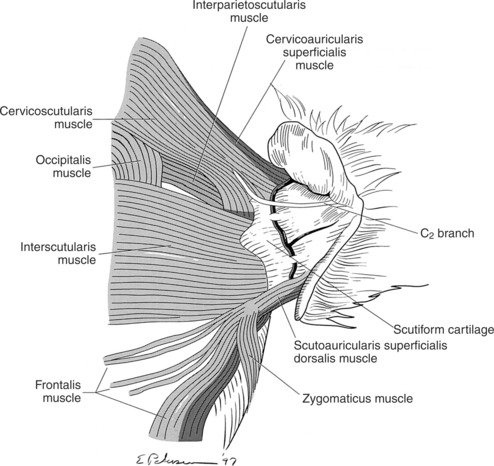
Cats have about 32 muscles in each ear. These muscles control ear movement and shape. They help cats rotate their ears up to 180 degrees. This movement helps cats detect sound from far away. The muscles also allow cats to tilt their ears independently. This ability improves their hearing accuracy. The muscles work together to capture even faint sounds.
Comparison With Other Animals
Cats have more ear muscles than dogs. Dogs have around 18 muscles in each ear. This makes cat ears more flexible than dog ears. Rabbits have fewer ear muscles, about 10 to 15 per ear. This shows cats have one of the most flexible ear systems. Their muscle count supports their hunting and survival skills. It gives cats an edge in detecting prey and danger.
Credit: www.rover.com
Functions Of Ear Muscles
The ear muscles of a cat serve important roles beyond just hearing. These muscles allow the cat to move and adjust its ears. This helps cats stay alert and react quickly to sounds around them. The muscles also help cats show feelings and communicate without words.
Understanding these functions explains why cats have so many ear muscles. Each muscle works together for precise control and quick responses.
Movement And Rotation
Cat ear muscles allow the ears to move independently. They rotate the ears up, down, and sideways. This movement helps cats catch sounds from different directions. Cats can turn their ears toward a noise without moving their heads. This ability helps them detect prey or danger fast.
Sound Localization
These muscles help cats find the exact location of sounds. By adjusting ear position, cats improve their hearing accuracy. This skill is crucial for hunting and avoiding threats. The muscles fine-tune ear angles to focus on quiet or distant sounds.
Communication And Expression
Ear muscles also help cats express their moods. Ears pulled back can show fear or anger. Ears pointed forward often mean curiosity or alertness. Cats use ear position to send signals to other cats and humans. This non-verbal communication is key to their social behavior.
Anatomy Of Cat Ears
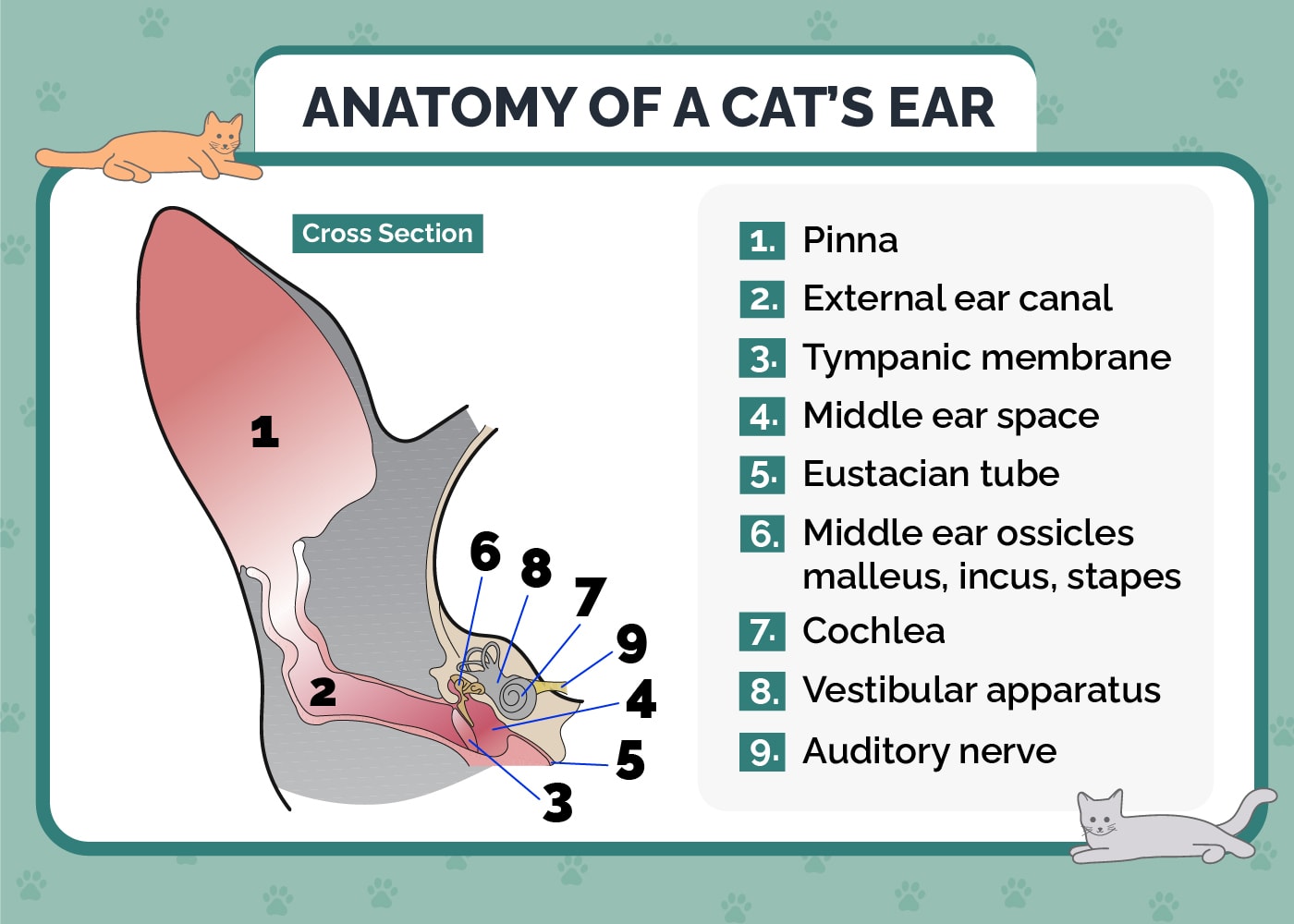
Cat ears are fascinating parts of their body. They help cats hear and communicate. Their shape and movement are unique. This allows cats to catch sounds from far away. The ear is not just skin and cartilage. It has muscles that control its movement. These muscles give cats the ability to turn their ears quickly.
Understanding the ear’s anatomy helps us see how cats use their hearing. The ear’s structure is built for sharp hearing and precise movements. Let’s explore the main parts of a cat’s ear.
Muscle Structure
A cat’s ear has about 32 muscles. These muscles control ear movement. They help cats tilt, rotate, and move their ears independently. This ability helps cats detect sounds from different directions. The muscles are small but strong. They allow quick and silent ear adjustments. This helps cats stay alert and aware of their surroundings.
Ear Cartilage And Skin
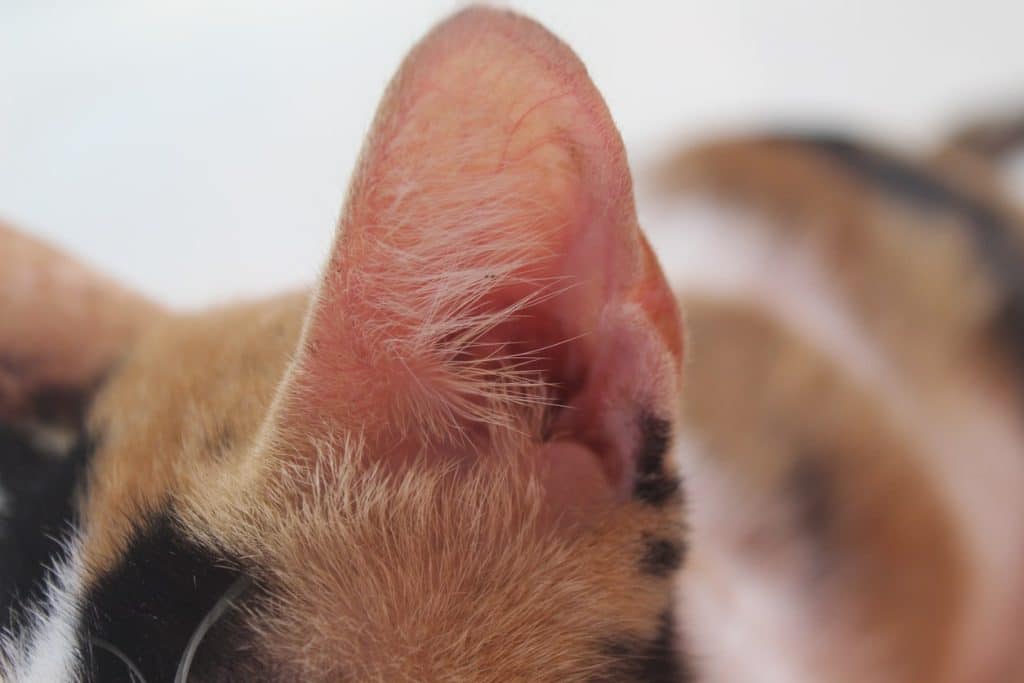
The ear cartilage gives the ear its shape. It is flexible but firm. This helps the ear stay upright. The skin covers the cartilage and muscles. It is soft and thin. The skin has fine hairs that protect the ear from dust and dirt. Together, cartilage and skin protect the inner parts of the ear.
Credit: articles.hepper.com
Unique Adaptations
Cats have special muscles in their ears that make them unique. These muscles help cats move their ears in many directions. This movement is important for their hearing and survival. The ear muscles are not like human ear muscles. Cats have more control over each ear. This gives them amazing hearing skills and helps them stay safe.
Enhanced Hearing Abilities
Cats have about 32 muscles in each ear. These muscles help cats turn their ears up to 180 degrees. Cats can move their ears independently. This means one ear can listen to a different sound than the other. This ability helps cats hear very soft sounds. They can detect small movements of prey from far away. Their ear muscles also help them focus on sounds quickly. This makes cats excellent hunters.
Survival Benefits
The ear muscles help cats stay alert to danger. Cats can hear predators or threats early. This gives them time to hide or escape. The ability to move ears also helps cats communicate. They show emotions like anger or curiosity with ear positions. These muscles support their balance and coordination too. Overall, ear muscles play a big role in a cat’s survival in the wild.
Common Myths About Cat Ears
Cats’ ears are a topic full of myths and stories. Many people believe strange things about how cats hear and move their ears. These ideas often confuse facts with fiction. Understanding the truth helps us appreciate cats better.
Cat ears are not just cute. They have special muscles and work in unique ways. Some common myths need to be cleared up for better knowledge.
Misconceptions On Ear Movement
People think cats can turn their ears all the way around. The truth is, cats can rotate their ears about 180 degrees. This helps them hear sounds from many directions. Another myth is that cats move their ears only when scared or angry. Actually, cats move ears to listen carefully or show curiosity. The ear movement is a sign of alertness, not just emotions.
Facts Vs Fiction
One myth says cats have many tiny muscles in their ears. Cats have around 32 muscles in each ear. These muscles help control ear position and movement. Another false belief is that cat ears can hear sounds humans cannot. Cats do hear higher-pitched sounds than humans, but not magical or supernatural sounds. Knowing facts helps stop wrong ideas about cats.
How To Observe Cat Ear Movements
Watching a cat’s ear movements can tell you a lot about its feelings. Cats have many muscles in their ears. These muscles help them move their ears in different ways. By observing these movements, you can understand what your cat is trying to say without words.
Cat ears move quickly and often. They twitch, turn, or tilt. Each movement shows a different mood or reaction. Learning to watch these changes helps you connect better with your pet.
Behavioral Signs
Pay attention to how your cat’s ears change during different moments. If the ears point forward, your cat feels curious or alert. Ears turned sideways may mean your cat is unsure or cautious. When ears lie flat against the head, the cat might be scared or angry. These signs help you know your cat’s mood fast.
Interpreting Ear Positions
Each ear position has its own meaning. Forward ears show interest or happiness. Sideways ears suggest the cat is listening carefully or feels nervous. Flattened ears usually mean fear or aggression. Watch how often the ears move too. Quick flicks can show irritation or excitement. Understanding these positions makes your cat’s feelings clear.
Frequently Asked Questions
How Many Muscles Does A Cat’s Ear Have?
A cat’s ear contains 32 muscles. These muscles help cats rotate and move their ears independently. This ability aids in pinpointing sounds accurately and enhances their hunting skills.
Why Do Cats Have So Many Ear Muscles?
Cats have many ear muscles to detect sounds precisely. These muscles enable ear movement up to 180 degrees. This sharp hearing helps cats stay alert and communicate effectively.
How Do Ear Muscles Benefit A Cat’s Hearing?
Ear muscles allow cats to rotate their ears toward sounds. This movement improves sound localization and awareness. It helps cats identify prey and potential threats quickly.
Can Cats Move Their Ears Independently?
Yes, cats can move each ear independently. This ability is due to 32 ear muscles. Independent movement helps cats capture sounds from different directions efficiently.
Conclusion
Cats have many muscles in their ears—about 32 to 33. These muscles help cats move their ears in many directions. This ability lets cats hear sounds clearly and quickly. Their ear muscles also show their feelings and moods. Knowing this helps us understand cats better.
Their ears are small but very strong and smart. Next time you see a cat, watch its ears closely. They tell a story all on their own.