How Much Catnip is Too Much: Signs and Safety Tips for Cats

If you’ve ever seen your cat go wild over catnip, you might wonder: how much catnip is too much? You want to give your furry friend a fun treat, but you also want to keep them safe and healthy.
Giving too much catnip can cause unwanted effects, and you don’t want your playful moment to turn into a problem. You’ll discover the right amount of catnip to offer and learn how to watch for signs that your cat has had enough.
Keep reading to make sure your catnip experience is always a happy one for your beloved pet.

Credit: www.reddit.com
Contents
Catnip Effects On Cats
Catnip affects cats in many interesting ways. It changes their behavior and mood for a short time. Understanding these effects helps pet owners use catnip safely.
Why Cats Love Catnip
Catnip contains a chemical called nepetalactone. This chemical triggers a happy feeling in cats. It works by stimulating their brain receptors. Not all cats react, but many enjoy the smell and taste. It can make them playful, relaxed, or curious.
Behavioral Changes After Catnip
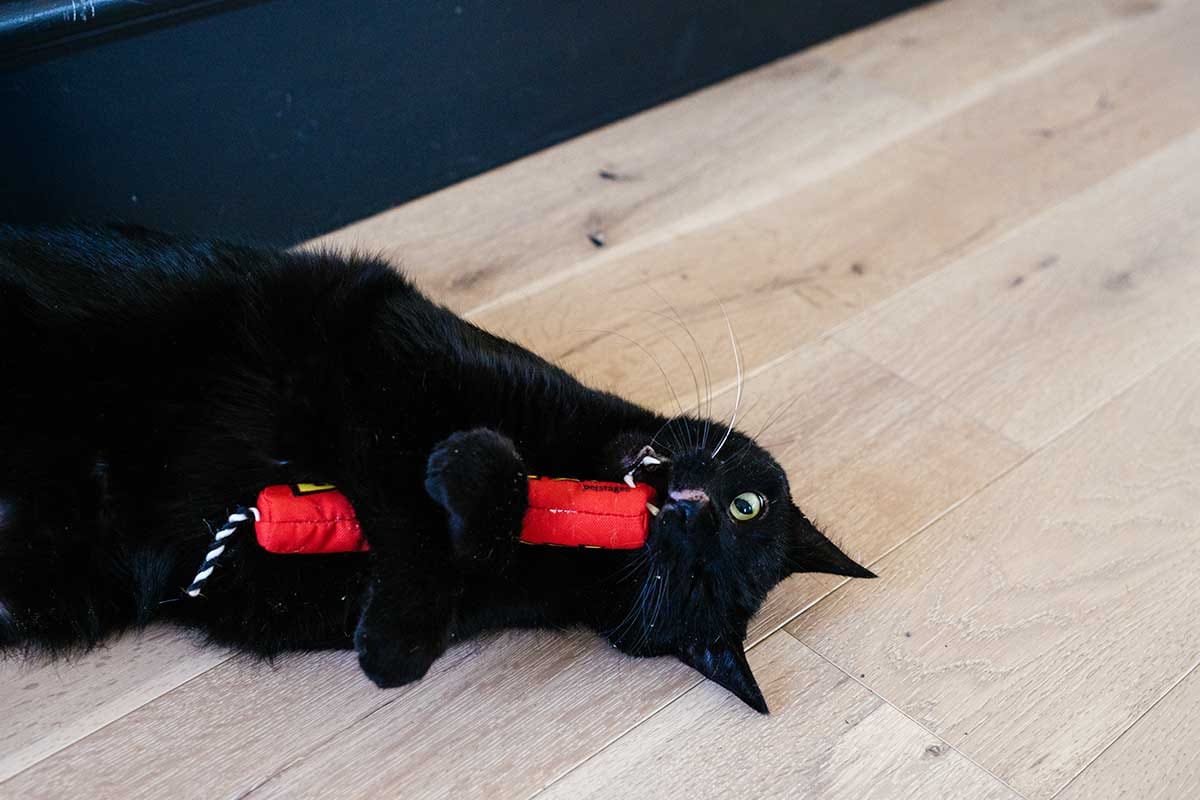
Cats often become more active or playful after smelling catnip. They may roll, jump, or rub their face on it. Some cats become calm and relaxed instead. These behaviors are normal and show the cat’s reaction. Too much catnip can cause mild stomach upset or irritability.
Duration Of Catnip Effects
The effects of catnip usually last about 5 to 15 minutes. After that, cats lose interest for a while. They need a break of at least an hour before reacting again. This helps prevent overstimulation and keeps catnip safe for play.

Credit: www.holistapet.com
Safe Catnip Dosage
Knowing the safe catnip dosage helps keep your cat happy and healthy. Too much catnip can cause unwanted effects. Giving the right amount is important to avoid problems. Each cat reacts differently, so careful use is best.
Recommended Amounts
For most cats, a pinch of dried catnip is enough. About half a teaspoon works well for toys or scratching posts. Fresh catnip leaves can be given in small bunches. Start with a little to see your cat’s reaction. Avoid giving large amounts at once.
Frequency Of Use
Use catnip no more than twice a week. Cats may lose interest if given too often. Too frequent use can cause mild stomach upset. Giving breaks helps keep catnip exciting for your cat. Observe your cat’s behavior to adjust frequency.
Factors Affecting Sensitivity
Not all cats react to catnip the same way. Genetics play a big role in sensitivity. Some cats show no response at all. Age matters; kittens and older cats may be less affected. Health conditions can change how cats respond. Always watch your cat after giving catnip.
Signs Of Catnip Overuse
Catnip can be fun and safe for most cats in small amounts. But too much catnip can cause problems. Watching your cat closely after giving catnip helps you see if they have had too much. Signs of catnip overuse show in their body and behavior. Knowing these signs helps keep your cat safe and happy.
Physical Symptoms
Too much catnip may cause your cat to drool more than usual. Some cats may vomit or have diarrhea. You might notice shaking or a lack of coordination. Their pupils could become very large. Sometimes, cats become very tired or weak after catnip use.
Behavioral Indicators
Overuse of catnip can change how your cat acts. They might become very aggressive or overly excited. Some cats may hide or seem scared. Repetitive movements like licking or biting themselves a lot can happen. Your cat may also seem confused or less responsive.
When To Be Concerned
If your cat shows signs like vomiting or shaking, stop the catnip. Watch for changes that last more than an hour. Seek help if your cat seems very weak or confused. Sudden aggressive behavior needs attention too. When in doubt, a quick check with the vet is best.
Health Risks Of Excess Catnip
Catnip is fun for cats, but too much can cause health problems. It is important to know the risks of excess catnip. Overuse may harm your cat’s health in several ways. Watch for signs and keep catnip use safe.
Digestive Issues
Eating too much catnip can upset a cat’s stomach. It may cause vomiting or diarrhea. Some cats become sick after large amounts of catnip. Keep catnip treats small to avoid these problems.
Allergic Reactions
Some cats can be allergic to catnip. Allergic reactions may include itching or sneezing. Skin irritation and redness can also happen. Stop catnip use if you see these signs.
Long-term Effects
Frequent use of catnip might reduce its effect over time. Cats may become less interested or even avoid it. Long-term overuse can lead to behavioral changes. Use catnip only occasionally for best results.
Safety Tips For Catnip Use
Catnip can bring joy to cats, but safety matters most. Knowing the right amount helps keep your cat happy and healthy. Follow these safety tips for safe catnip use. They help avoid problems and ensure good fun.
Introducing Catnip Gradually
Start with a small amount of catnip. Let your cat explore it slowly. Watch how your cat reacts over time. This helps avoid overstimulation or upset stomach. Give catnip only once or twice a week. Too much too soon can cause problems.
Monitoring Your Cat’s Reaction
Pay close attention to your cat’s behavior. Signs like drooling or hyperactivity show strong effects. If your cat seems tired or sick, stop catnip use. Some cats do not like catnip or may be allergic. Always check for changes after giving catnip.
Choosing Quality Catnip Products
Pick fresh, organic catnip without added chemicals. Poor quality catnip may harm your cat’s health. Avoid sprays with artificial scents or fillers. Loose dried catnip or small toys filled with natural catnip work best. Quality matters for safe and fun playtime.
Alternatives To Catnip
Catnip is popular among cats, but some cats do not respond to it. Others may get too excited or tired after too much catnip. You can try other ways to keep your cat happy and active. Many alternatives can entertain your cat safely and healthily.
Other Cat-safe Herbs
Many herbs can excite or calm cats like catnip. Silvervine is one popular choice. It often works for cats that ignore catnip. Valerian root can also make cats playful. Chamomile helps cats relax and feel calm. Try small amounts first to see how your cat reacts.
Interactive Toys And Activities
Toys can keep your cat busy and healthy. Wand toys with feathers or strings encourage chasing. Puzzle feeders make cats think and work for food. Balls and laser pointers provide exercise and fun. Rotate toys to keep your cat interested.
Environmental Enrichment
Change your cat’s space to keep it interesting. Add climbing shelves or scratching posts. Place a bird feeder outside a window for watching. Hide treats around the house for your cat to find. These ideas stimulate your cat’s mind and body.
Credit: outwardhound.com
Frequently Asked Questions
How Much Catnip Is Safe For Cats Daily?
A small pinch of catnip once or twice a week is safe. Overuse can cause mild digestive upset or reduced sensitivity. Always observe your cat’s reaction and adjust the amount accordingly to keep playtime fun and healthy.
What Are The Signs Of Too Much Catnip?
Signs include vomiting, diarrhea, excessive drooling, or lethargy. Some cats may become overstimulated or irritable. If you notice these symptoms, reduce or stop catnip use and consult a vet if needed.
Can Kittens Have Catnip Safely?
Kittens under three months usually do not respond to catnip. It is safe but generally ineffective for them. Introduce catnip later, around six months, to see if your kitten enjoys it without adverse effects.
How Often Should I Give Catnip To My Cat?
Giving catnip once every one to two weeks is ideal. Frequent use may reduce your cat’s sensitivity. Moderation keeps catnip exciting and beneficial without causing tolerance or health issues.
Conclusion
Too much catnip can upset your cat’s stomach. Give small amounts and watch their reaction. Cats enjoy catnip best in moderation. Overuse might cause them to lose interest. Always provide fresh water nearby to help. Pay attention to your cat’s behavior daily.
Safe play means happy and healthy pets. Balance is key for fun and safety. Keep your cat’s happiness your top priority.