How Much Protein is in Cat Food: Essential Facts You Must Know

Are you curious about how much protein is really in your cat’s food? Protein is one of the most important nutrients for your furry friend’s health, energy, and happiness.
But not all cat foods are created equal, and knowing the right amount of protein can make a big difference in your cat’s well-being. You’ll discover what protein does for your cat, how to read labels, and what to look for when choosing the best food.
Keep reading to make sure your cat gets the nutrition they deserve.
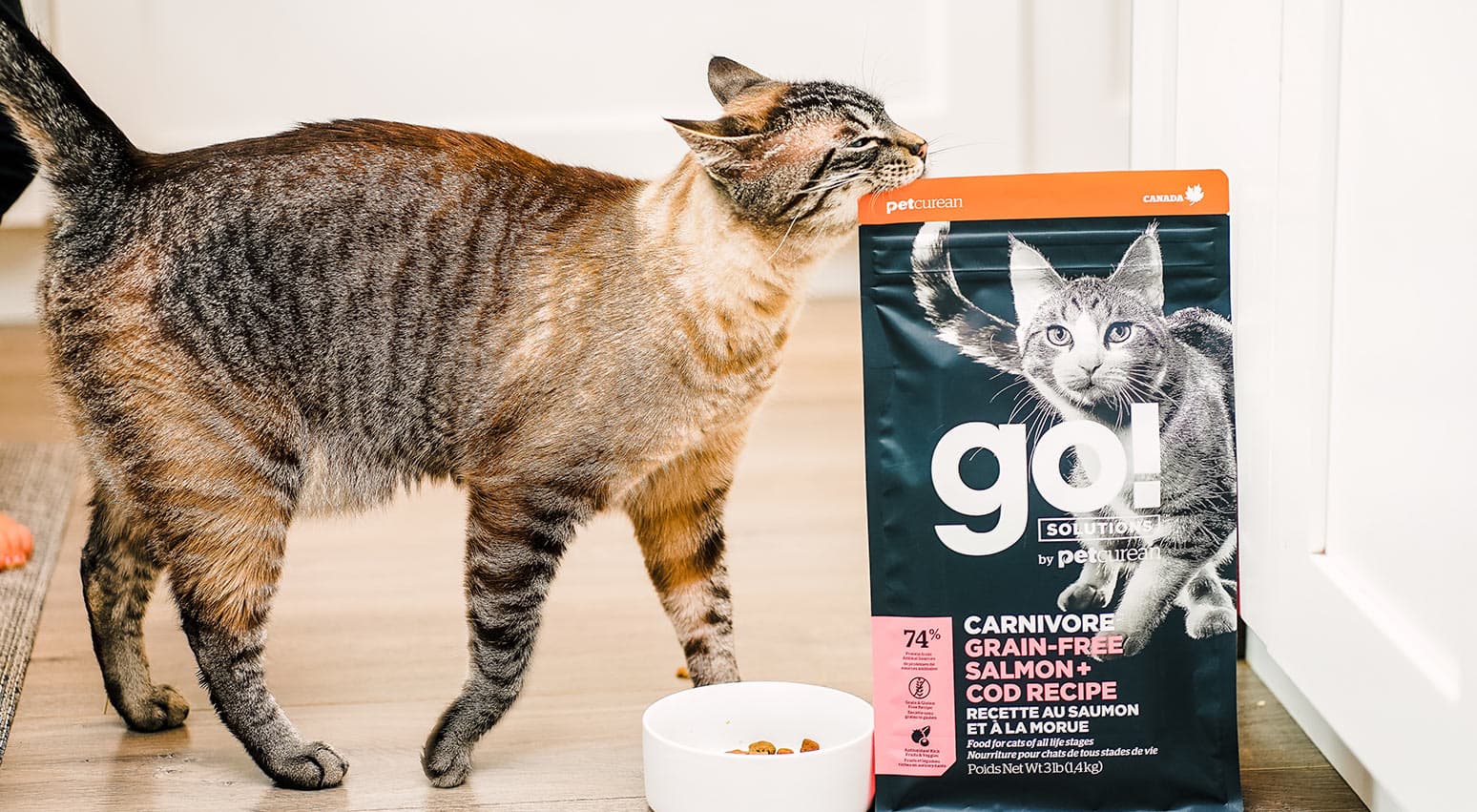
Credit: go-solutions.com
Contents
Protein’s Role In Cat Nutrition
Protein plays a vital role in a cat’s diet. Cats are obligate carnivores. They need protein to stay healthy and active. Protein helps build strong muscles and supports organs. It also aids in repairing tissues and maintaining a healthy coat. Without enough protein, cats can become weak and sick.
Why Cats Need Protein
Cats rely on protein for energy and growth. Their bodies use protein to make enzymes and hormones. These are crucial for digestion and body functions. Cats cannot make some essential amino acids on their own. They must get these from animal-based proteins. Protein also helps the immune system fight diseases.
Types Of Protein In Cat Food
Animal proteins are the best source for cats. Common sources include chicken, fish, and beef. These provide all essential amino acids cats require. Plant proteins are less effective. They lack some important amino acids. High-quality cat food usually lists animal protein first. This ensures cats get the nutrition they need.
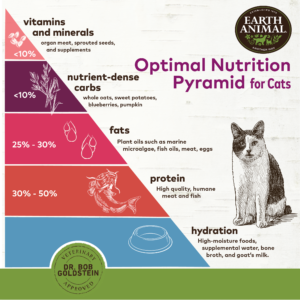
Credit: earthanimal.com
Protein Content In Different Cat Foods
Protein is a key nutrient in cat food. Cats need protein for strong muscles and healthy bodies. Different cat foods have different protein levels. Knowing these differences helps choose the right food for your cat.
Protein comes from meat, fish, and other animal sources. The amount of protein in cat food depends on the type and brand. Some foods have more protein than others. Understanding these options can guide better feeding choices.
Dry Vs Wet Cat Food
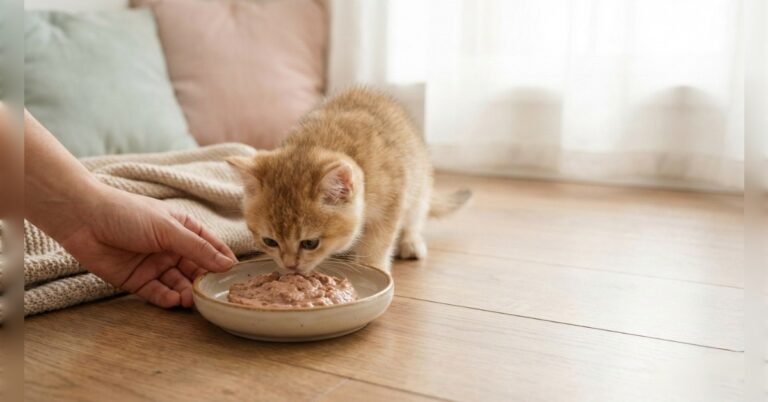
Dry cat food often has 30% to 40% protein. It contains less moisture, so protein concentrates more. Wet cat food usually has 8% to 12% protein. It holds more water, which lowers protein percentage.
Wet food is softer and easier to eat. Dry food stays fresh longer and is easy to store. Both types can meet a cat’s protein needs if balanced well.
Grain-free And High-protein Options
Grain-free cat foods focus on animal proteins. They often have higher protein levels than grain-based foods. These options suit cats with grain allergies or sensitivities.
High-protein foods can contain 40% or more protein. These support active cats or those needing extra nutrition. Always check the label to compare protein amounts clearly.
Reading Cat Food Labels
Reading cat food labels helps you understand what your cat eats. Labels show important details about the food’s ingredients. Protein is a key part of cat food. Knowing how to read these labels can help you pick the right food for your cat’s health.
Identifying Protein Percentages
Check the label for the percentage of protein. This number shows how much protein is in the food. It usually appears as “Crude Protein” on the label. Higher protein percentages mean more protein for your cat. Cats need protein to stay strong and healthy.
Common Protein Sources Listed
Look for the types of protein listed in the ingredients. Common sources include chicken, fish, beef, and turkey. Some foods use meat by-products or plant proteins like soy. Meat proteins are better for cats because they digest them easily. Knowing the source helps ensure your cat gets quality protein.
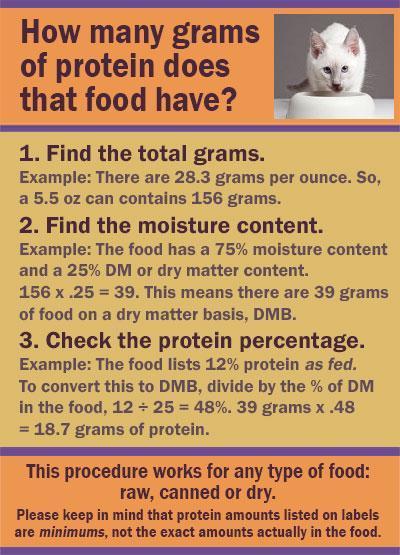
Credit: hare-today.com
Daily Protein Requirements For Cats
Cats need protein every day to stay healthy and active. Protein helps build strong muscles and supports body functions. Their bodies use protein for energy and repair. Different cats need different amounts of protein depending on their age and health. Feeding the right amount is key to their well-being.
Too little protein can cause weakness and health problems. Too much protein can strain their kidneys. Knowing how much protein your cat needs helps you choose the best food. Let’s explore the protein needs of kittens, adult cats, and senior cats.
Kittens Vs Adult Cats
Kittens grow fast and need more protein than adults. They use protein to build muscles and organs. Kittens require about 30% protein in their diet. This supports their rapid development and energy needs.
Adult cats need less protein than kittens. Their growth slows down, so they need around 26% protein daily. This amount keeps their muscles strong and body healthy. Balanced protein helps adult cats stay active and fit.
Senior Cats And Protein Needs
Senior cats need special care with protein. Their muscle mass may shrink with age. Older cats need enough protein to maintain muscle strength. Around 25-30% protein is good for many senior cats.
Some senior cats have kidney issues. In that case, protein intake should be adjusted carefully. Consult a vet to find the right protein level. Proper protein helps senior cats live comfortably and with energy.
Effects Of Too Little Or Too Much Protein
Protein plays a vital role in a cat’s diet. It helps build muscles, repair tissues, and support overall health. But too little or too much protein can cause problems for your cat. Balancing protein intake is important for their well-being. Below are the effects of protein imbalance in cat food.
Protein Deficiency Symptoms
Low protein in cat food can lead to weakness and poor growth. Cats may lose weight and look tired. Their fur can become dull and thin. A lack of protein affects the immune system. This makes cats more prone to infections. Cats might show less energy and seem less active. In severe cases, organ function can suffer. Early signs are often subtle but should not be ignored.
Risks Of Excess Protein Intake
Too much protein can strain a cat’s kidneys. This is especially risky for older cats. High protein diets may cause dehydration. Cats might drink more water than usual. Excess protein can also lead to weight gain. It may increase the chance of urinary problems. Some cats develop digestive upset, like vomiting or diarrhea. Monitoring protein levels helps keep cats healthy and happy.
Choosing The Right Protein Level
Protein is a key part of your cat’s diet. It helps build strong muscles and keeps your cat active. But not all cats need the same amount of protein. Choosing the right protein level depends on many things.
Too little protein can make your cat weak. Too much protein can cause health problems. Finding the right balance helps your cat stay healthy and happy.
Considering Cat’s Health And Lifestyle
Active cats need more protein for energy and muscle repair. Older cats or those with kidney issues may need less protein. Cats with special health needs might require a specific protein type.
Think about your cat’s age, activity, and health before picking food. Protein needs change during a cat’s life. Adjust protein levels to match your cat’s lifestyle.
Consulting A Veterinarian
A vet can guide you on the best protein amount for your cat. They can check your cat’s health and suggest the right diet. This helps avoid problems like allergies or kidney stress.
Always ask a vet before changing your cat’s food. Their advice ensures your cat gets the right nutrition for a long, healthy life.
Frequently Asked Questions
How Much Protein Do Cats Need Daily?
Cats require about 26-30% protein daily for optimal health. This supports muscle maintenance, energy, and overall growth. Protein needs vary by age, health, and activity. Always check your cat food label for protein content to ensure it meets these requirements.
What Is The Average Protein Content In Cat Food?
Most cat foods contain 30-40% protein. High-quality brands often have protein levels closer to 40%. Protein content depends on the food type, such as dry, wet, or raw. Always choose foods with adequate protein for your cat’s specific needs.
Does Protein Quality Matter In Cat Food?
Yes, protein quality is crucial. Cats need animal-based proteins because they contain essential amino acids. High-quality protein improves digestion and nutrient absorption. Look for named meat sources like chicken or fish on the label to ensure quality protein.
Can Too Much Protein Harm My Cat?
Excess protein is generally safe but can strain kidneys in cats with existing kidney disease. Balanced protein intake supports health without overloading organs. Consult your vet for personalized advice, especially if your cat has health issues.
Conclusion
Cats need the right amount of protein to stay healthy and strong. Check the labels on cat food to find protein levels. Different brands and types have different amounts. Make sure your cat gets enough protein for energy and muscle health.
Too little or too much protein can cause problems. Feeding your cat balanced food helps them live a happy life. Always keep your pet’s needs in mind when choosing food. Protein matters, but so do other nutrients too. Choose wisely for your furry friend’s well-being.