How Often Can You Give a Cat Catnip: Safe Frequency Tips

Are you curious about how often you can give your cat catnip without overdoing it? You want to make sure your furry friend enjoys the fun effects safely.
But how much is too much? Giving catnip at the right frequency can keep your cat happy and healthy, while too much might cause unwanted side effects. You’ll discover the best ways to use catnip, how often to offer it, and tips to keep your cat’s playtime exciting and safe.
Keep reading to learn exactly what your cat needs!
Credit: cats.com
Contents
Catnip Effects On Cats
Catnip is a herb that affects many cats in fun and curious ways. It can cause excitement or calmness depending on the cat. Understanding these effects helps in deciding how often to give catnip safely.
Behavioral Changes
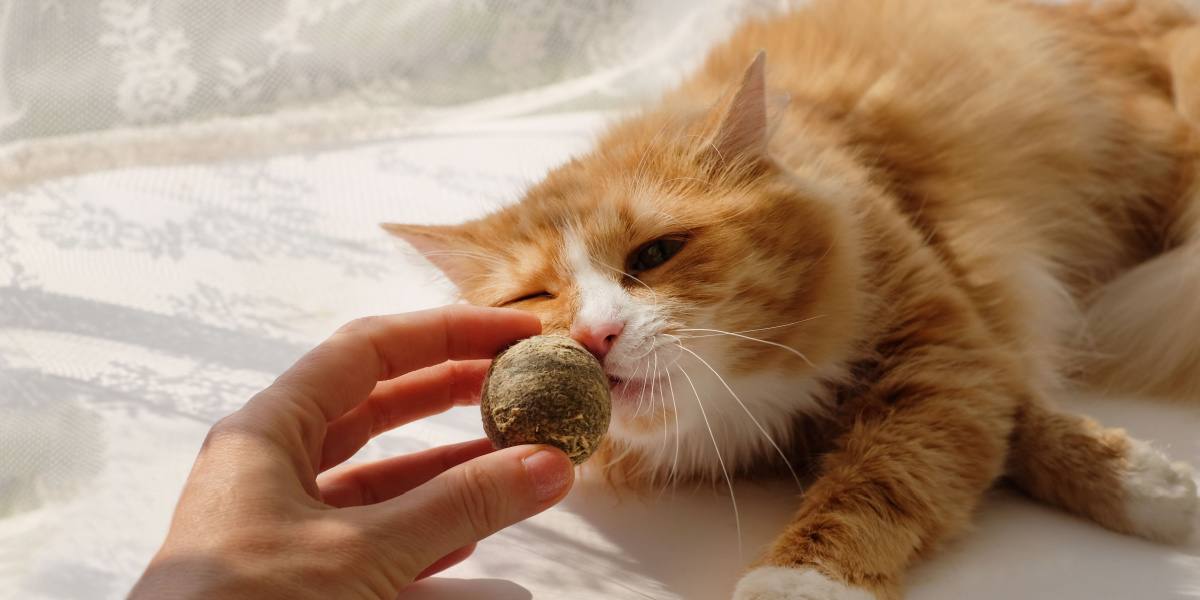
Catnip can make cats playful and active. Some cats roll, jump, or chase invisible things. Others may become relaxed and lie down quietly. Some cats even purr or meow more than usual. These changes last only for a short time.
Duration Of Response
The effects of catnip usually start within minutes. Most cats react for about 10 to 15 minutes. After this, cats lose interest and stop responding. It takes about an hour or more before catnip can affect them again.
Variability Among Cats
Not all cats react to catnip. About 30% of cats do not show any response. Sensitivity depends on genetics and age. Younger kittens and older cats may not react much. Each cat’s response is unique and can change over time.

Credit: www.wikihow.com
Safe Frequency For Catnip Use
Catnip is a fun treat for many cats, but it needs careful use. Giving catnip too often can cause issues. Knowing the safe frequency helps keep your cat happy and healthy. This section covers how often to give catnip and what to watch for.
Recommended Intervals
Most experts suggest giving catnip once every two to three weeks. This timing helps keep the catnip effect strong. Frequent use can make cats less interested in it. Space out catnip sessions to keep your cat excited.
Signs Of Overexposure
Watch for signs like vomiting or diarrhea after catnip use. If your cat seems tired or irritable, reduce the frequency. Some cats may become less playful or avoid catnip altogether. Overuse can cause mild stomach upset or restlessness.
Age And Health Considerations
Kittens under six months should avoid catnip. Their reactions can be unpredictable. Older cats or those with health issues may also need less catnip. Always check with a vet if your cat has health problems before giving catnip.
Different Forms Of Catnip
Catnip comes in various forms. Each offers a unique way to enjoy this herb. Understanding these forms helps you choose the best for your cat.
Dried Leaves
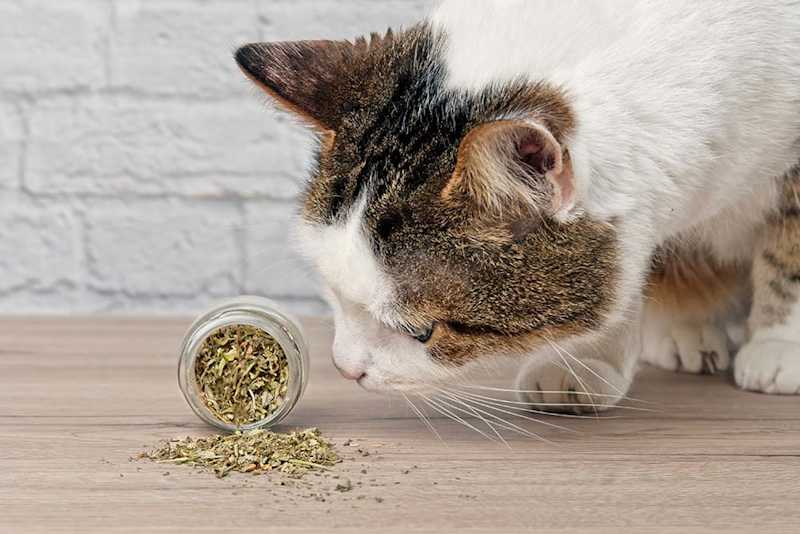
Dried catnip leaves are the most common form. They have a strong smell that attracts cats. You can sprinkle them on scratching posts or bedding. Cats love to roll on or chew these leaves. Use dried leaves sparingly to avoid overstimulation.
Sprays And Oils
Catnip sprays and oils are easy to apply. Just spray on toys, beds, or scratching posts. They provide a quick burst of catnip scent. Oils are more concentrated, so use a little at a time. These forms are great for cats who dislike loose leaves.
Toys Infused With Catnip
Toys filled with catnip offer fun and play. Cats enjoy batting, biting, and carrying these toys. The catnip inside releases scent during play. These toys keep cats active and entertained. Replace or refresh the toys to keep interest high.
Benefits Of Catnip For Cats
Catnip is a special herb that many cats love. It can make cats happy and active. Catnip also helps cats feel calm at times. Giving catnip to your cat can improve their daily life.
Each cat reacts to catnip in its own way. Some cats become playful, while others relax. Understanding these benefits helps you use catnip wisely.
Mental Stimulation
Catnip activates your cat’s brain. It sparks curiosity and fun. Cats may explore and sniff around more. This keeps their mind sharp and alert.
Mental activity is important for cats. It stops boredom and bad behavior. Catnip offers a simple way to boost brain activity.
Exercise Encouragement
Catnip often makes cats move more. They may chase toys or run around. This extra exercise keeps cats healthy and strong.
Active cats burn energy and stay fit. Catnip helps lazy cats get moving. It supports good muscle and joint health.
Stress Relief
Catnip can calm anxious or nervous cats. It helps them relax in new places or loud rooms. Stress can cause health problems in cats.
Using catnip at the right time soothes your pet. It creates a sense of comfort and safety. Catnip is a natural way to reduce stress.
Alternatives To Catnip
Some cats do not react to catnip. Others may enjoy it too often and lose interest. Alternatives to catnip offer new ways to keep your cat happy and active. These options can stimulate your cat without the risks of overuse. Each alternative has unique effects and benefits.
Silvervine
Silvervine is a plant from Asia that many cats love. It has a stronger effect than catnip for some cats. Silvervine can make cats playful and relaxed. Use it in small amounts to keep your cat excited. It is safe and non-addictive.
Valerian Root
Valerian root is a natural herb with a strong smell. Cats often react with excitement or calmness. It can help reduce stress and anxiety in cats. Use valerian root occasionally to avoid dulling its effect. It works well as a treat or toy filler.
Cat Grass
Cat grass is easy to grow at home. It helps with digestion and chewing needs. Cats enjoy nibbling on cat grass for fun and health. It does not cause a strong reaction like catnip. Offer cat grass regularly for a safe, healthy alternative.
Credit: www.smalldoorvet.com
Precautions And Tips
Giving catnip to your cat can be fun and safe. Still, some care is needed. Cats react differently to catnip. Watching their behavior helps keep them safe. Small steps prevent problems and keep catnip enjoyable.
Monitoring Your Cat’s Reaction
Watch your cat closely after giving catnip. Some cats get playful and happy. Others might feel sleepy or calm. Look for signs of stress or aggression. Stop giving catnip if your cat seems upset. Knowing your cat’s reaction helps you decide the right amount.
Avoiding Dependency
Do not give catnip every day. Too much can make cats less interested. Use catnip only a few times a week. This keeps it special and exciting. Give breaks between catnip sessions. This avoids your cat relying on it for fun.
Consulting A Veterinarian
Ask your vet about catnip use. Some cats with health issues should avoid it. Your vet can give safe advice for your cat. Always check before starting catnip for kittens or sick cats. A vet’s guidance keeps your cat healthy and happy.
Frequently Asked Questions
How Often Should I Give My Cat Catnip?
You can give catnip to your cat once every 1 to 2 weeks. This frequency prevents overstimulation and maintains their interest in catnip over time.
Can Daily Catnip Harm My Cat?
Giving catnip daily is not recommended. It may cause your cat to become less responsive and potentially lead to mild digestive upset.
How Long Does Catnip Effect Last On Cats?
Catnip effects usually last about 10 to 15 minutes. Afterward, cats need a break before they respond to catnip again.
Is It Safe To Give Catnip To Kittens?
Kittens under three months usually don’t react to catnip. It’s safe but won’t affect them until they are older.
Conclusion
Giving catnip to your cat a few times each week is safe. Watch your cat’s reaction to avoid overuse. Some cats love it; others may not care. Keep sessions short to keep catnip special. Always offer fresh water and a calm space.
Enjoy seeing your cat happy and playful. Remember, balance is key for your cat’s health. Simple care helps your pet stay joyful and active.