How Often Change Litter Box Cat: Ultimate Guide for Freshness

If you have a cat, you know how important a clean litter box is—for both your pet’s health and your home’s freshness. But how often should you really change your cat’s litter box?
Is daily cleaning enough, or can you wait a few days? Getting this right can save you from unpleasant odors, unhappy cats, and even health problems. You’ll discover simple, effective tips to keep your cat’s litter box fresh and comfortable.
Keep reading to learn exactly when and how often to change your cat’s litter box for a happier, healthier home.
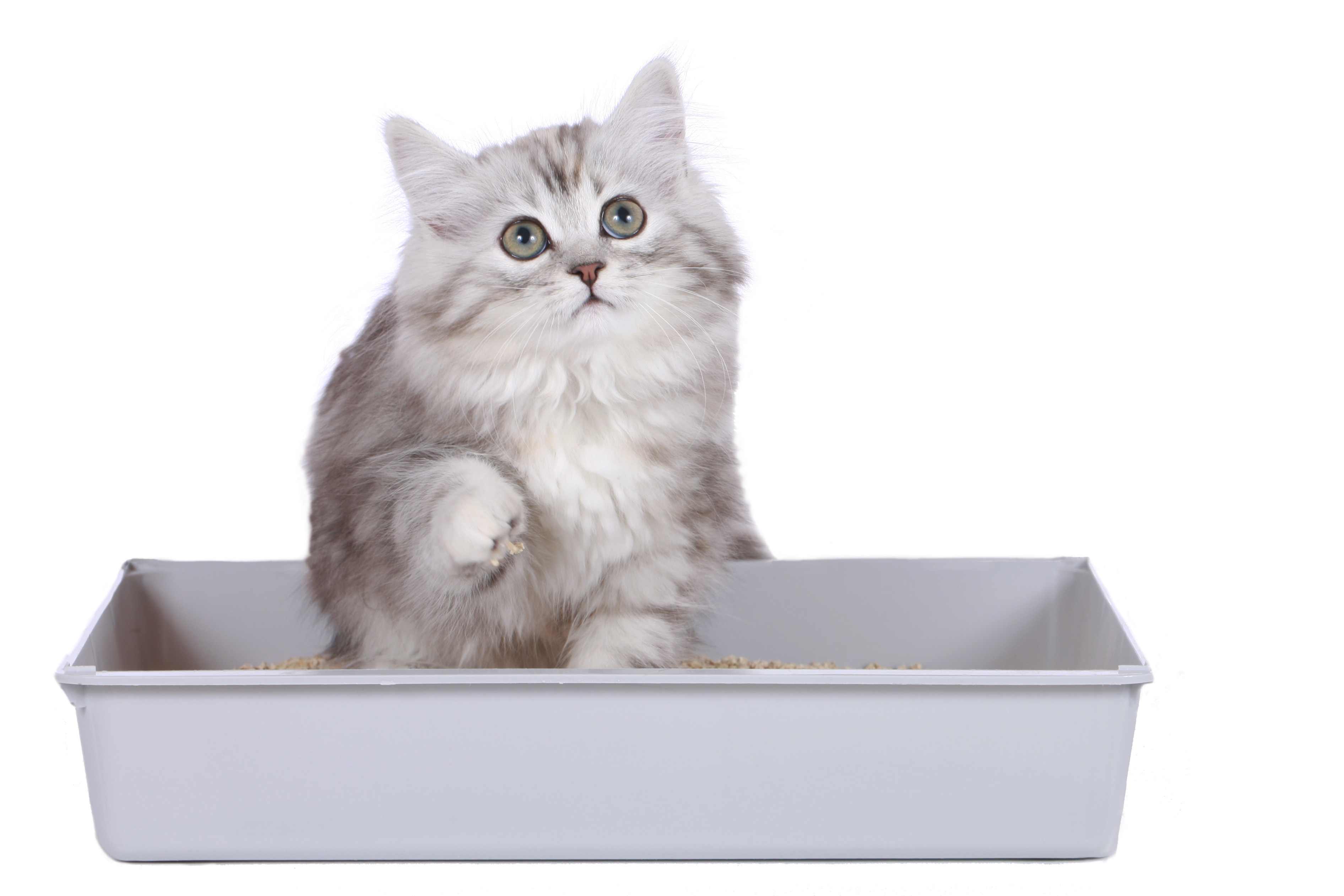
Credit: www.armandhammer.com
Contents
- 1 Ideal Litter Box Cleaning Frequency
- 2 Factors Affecting Litter Change
- 3 Signs Your Cat Needs A Fresh Litter Box
- 4 Choosing The Right Litter For Freshness
- 5 Tips To Maintain A Fresh Litter Box
- 6 Common Mistakes In Litter Box Maintenance
- 7 Impact Of Litter Box Cleanliness On Cat Behavior
- 8 Frequently Asked Questions
- 9 Conclusion
Ideal Litter Box Cleaning Frequency
Keeping your cat’s litter box clean is very important for their health and happiness. Knowing how often to clean the litter box helps keep bad smells away. It also stops germs from growing. A clean box makes your cat want to use it every time.
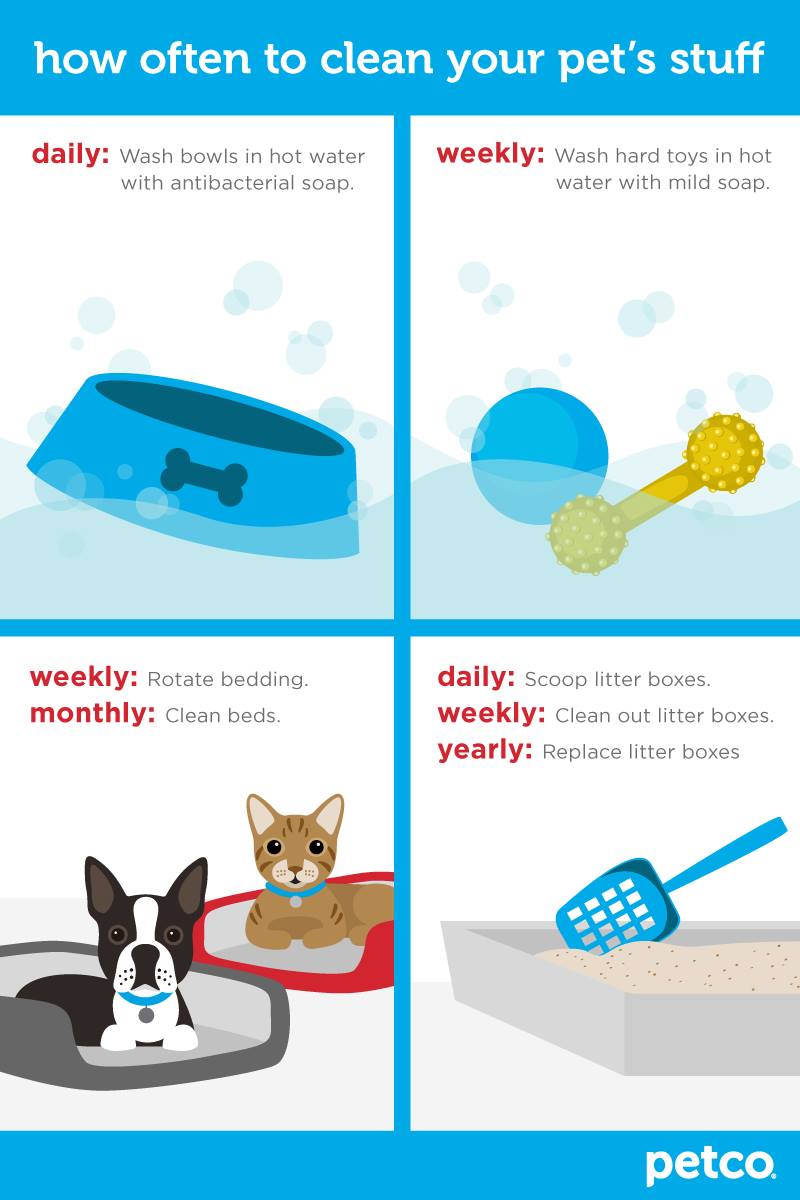
Here is the best way to clean the litter box regularly to keep it fresh and safe for your cat.
Daily Scooping Benefits
Scooping the litter box every day removes waste quickly. This stops smells from spreading. It also keeps the litter dry and fresh. Cats prefer a clean place to go. Daily scooping helps avoid accidents outside the box. It also lowers the chance of infections.
Weekly Full Litter Change
Changing all the litter once a week keeps the box clean. Over time, litter gets dirty and clumps break down. A full change stops bad odors and bacteria buildup. It makes the litter box feel new again. Your cat will enjoy a fresh, clean spot every week.
Monthly Box Washing
Washing the litter box every month removes germs and stains. Use warm water and mild soap. Avoid strong cleaners that can harm your cat. Washing the box helps prevent infections. It also stops smells that hiding in the box walls. A clean box is healthy for your cat and your home.
Factors Affecting Litter Change
Several factors affect how often you should change your cat’s litter box. Understanding these can help keep the box clean and your cat happy. Changing the litter at the right time prevents odors and keeps your home fresh. Watch your cat’s habits and the type of litter you use.
Number Of Cats
More cats mean faster litter box use. One cat may need a litter change once a week. Two or three cats need more frequent changes. The box fills up quickly and smells stronger. Clean the box every day if you have many cats.
Type Of Litter Used
Different litters absorb urine and control odor in different ways. Clumping litter makes it easier to remove waste daily. Non-clumping litter may need full changes more often. Some litters control smell better and last longer. Choose a litter that suits your cleaning routine.
Cat’s Health And Habits
Illness can change how often your cat uses the litter box. Cats with diarrhea or frequent urination need more cleaning. Healthy cats usually have regular bathroom habits. Watch your cat for changes in behavior. Adjust litter cleaning based on your cat’s needs.
Signs Your Cat Needs A Fresh Litter Box
Recognizing when your cat needs a fresh litter box is important for their health and comfort. Cats are clean animals and dislike dirty spaces. Watching for signs helps keep your cat happy and avoids accidents outside the box.
Avoidance Of The Box
Your cat may stop using the litter box if it is too dirty. They might go to other places in the house. This behavior shows they want a cleaner spot. Watch for sudden changes in their bathroom habits.
Strong Odor Presence
A bad smell coming from the litter box means it needs changing. Cats have a strong sense of smell and dislike strong odors. The smell can make them avoid the box. Clean the litter to keep the air fresh.
Visible Litter Clumps
Clumps of urine and feces show the litter box is full. These clumps make the box less inviting for your cat. Remove clumps daily and change the litter regularly. A clean box encourages your cat to use it.
Credit: www.liftingitalia.com
Choosing The Right Litter For Freshness
Choosing the right litter helps keep the cat’s area fresh and clean. The litter affects odor control and how often you change the box. Picking the best type makes cleaning easier and keeps your home smelling nice.
Different litters work for different cats and homes. Understanding the options helps you decide what fits your needs.
Clumping Vs. Non-clumping
Clumping litter forms solid clumps when wet. This makes scooping easy and quick. It helps remove waste without changing all the litter. Non-clumping litter absorbs moisture but stays loose. It needs full changes more often. Clumping litter usually controls odor better.
Scented Vs. Unscented
Scented litter masks bad smells with added fragrances. Some cats may dislike strong scents. Unscented litter uses natural odor control without perfumes. This option is safer for sensitive noses. Choose unscented if your cat avoids the box.
Natural And Eco-friendly Options
Natural litters use materials like corn, wheat, or pine. They break down faster in the environment. These litters are often dust-free and gentle on paws. Eco-friendly choices reduce waste and chemicals. They keep your home fresh without harming nature.
Tips To Maintain A Fresh Litter Box
Keeping your cat’s litter box fresh is important for both your pet and your home. A clean box helps stop bad smells and keeps your cat happy. Follow these simple tips to keep the litter box neat and fresh every day.
Proper Box Placement
Place the litter box in a quiet, low-traffic area. Cats like privacy when they use the box. Avoid noisy or busy spots. Keep the box away from food and water dishes. Good placement helps reduce stress for your cat. It also helps control odors better.
Using Liners And Mats
Use liners inside the litter box to make cleaning easier. Liners catch waste and protect the box from stains. Place a mat under and around the box. Mats catch stray litter and stop it from spreading. This keeps the area clean and reduces mess.
Regular Cleaning Supplies
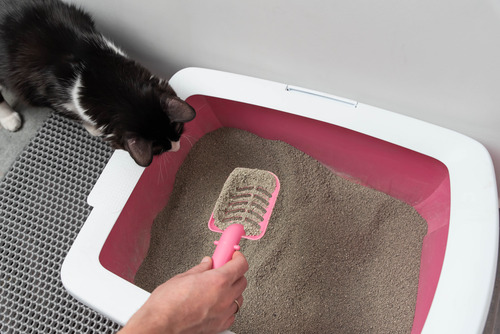
Keep cleaning tools nearby. Use a scoop daily to remove clumps and waste. Clean the entire box with soap and water once a week. Avoid strong-smelling cleaners that can bother your cat. Fresh litter and regular cleaning help keep odors low. It also makes the box more inviting for your cat.
Credit: mvavets.com
Common Mistakes In Litter Box Maintenance
Maintaining a clean litter box is vital for your cat’s health and comfort. Many cat owners make common mistakes that affect litter box hygiene and cat behavior. These errors can cause your cat to avoid the litter box or develop health problems. Understanding these mistakes helps keep your cat happy and healthy.
Infrequent Cleaning
Cleaning the litter box too rarely leads to bad odors and bacteria buildup. Cats dislike dirty litter boxes and may refuse to use them. Scoop waste daily and change litter completely at least once a week. This keeps the box fresh and inviting for your cat.
Overfilling The Box
Adding too much litter can cause problems. Cats prefer a shallow layer they can dig in easily. About two to three inches of litter is enough. Too much litter can trap moisture and make cleaning harder. Keep the amount balanced for comfort and cleanliness.
Ignoring Cat Preferences
Each cat has unique preferences for litter type and box location. Some cats like unscented litter, others prefer certain textures. Place the box in a quiet, private spot to encourage use. Watch your cat’s behavior and adjust as needed to meet their needs.
Impact Of Litter Box Cleanliness On Cat Behavior
Keeping the litter box clean is very important for a cat’s behavior. Cats are very clean animals. A dirty litter box can cause many problems. It affects how your cat acts and feels at home.
When the litter box is not cleaned often, cats may avoid using it. This can lead to accidents around the house. Understanding these effects helps you keep your cat happy and healthy.
Avoidance And Accidents
Cats dislike using a dirty litter box. They may choose other places to go instead. This can cause accidents on carpets or furniture. Avoidance happens quickly if the box smells bad or has too much waste. Cleaning the litter box often helps prevent this behavior.
Stress And Anxiety
A dirty litter box can make cats feel stressed. Stress can cause changes in their behavior. Cats may become nervous or hide more than usual. They need a clean place to feel safe and calm. Regular cleaning helps reduce anxiety in cats.
Health Issues
Dirty litter boxes can cause health problems for cats. Bacteria and germs grow in old waste. This can lead to infections or sickness. Cats may also develop urinary tract issues. Keeping the litter box clean protects your cat’s health.
Frequently Asked Questions
How Often Should I Change My Cat’s Litter Box?
Change your cat’s litter box completely at least once a week. Scoop waste daily to keep it clean and odor-free. Frequent changes prevent bacteria buildup and keep your cat healthy and happy.
What Is The Best Frequency To Scoop Cat Litter?
Scoop your cat’s litter box once or twice daily. This helps maintain cleanliness and reduces unpleasant odors. Regular scooping encourages your cat to use the box consistently.
Can Infrequent Litter Changes Harm My Cat?
Yes, infrequent litter changes can cause infections and stress. Dirty litter boxes may lead to urinary issues and litter box avoidance. Regular maintenance is essential for your cat’s well-being.
How Does Litter Type Affect Changing Frequency?
Clumping litter requires more frequent scooping but less frequent complete changes. Non-clumping litter needs full replacement more often. Choose a litter type that suits your cleaning routine and cat’s preference.
Conclusion
Changing your cat’s litter box regularly keeps your home fresh and your cat happy. Scoop waste daily to prevent odors and bacteria. Replace all the litter at least once a week for clean results. Watch your cat’s habits; changes can mean health issues.
Clean the box with mild soap and water to avoid strong smells. A clean litter box helps your cat feel safe and comfortable. Small efforts make a big difference in your cat’s health. Keep a routine, and your cat will thank you every day.