How Often Do Cats Use the Litter Box: Essential Insights Revealed

Have you ever wondered how often your cat should be using the litter box? Knowing this can help you spot if something is wrong with your furry friend’s health before it becomes serious.
If your cat is going more or less than usual, it might be trying to tell you something. You’ll discover the typical litter box habits of cats and learn what changes you should watch for. Keep reading to make sure your cat stays happy and healthy!
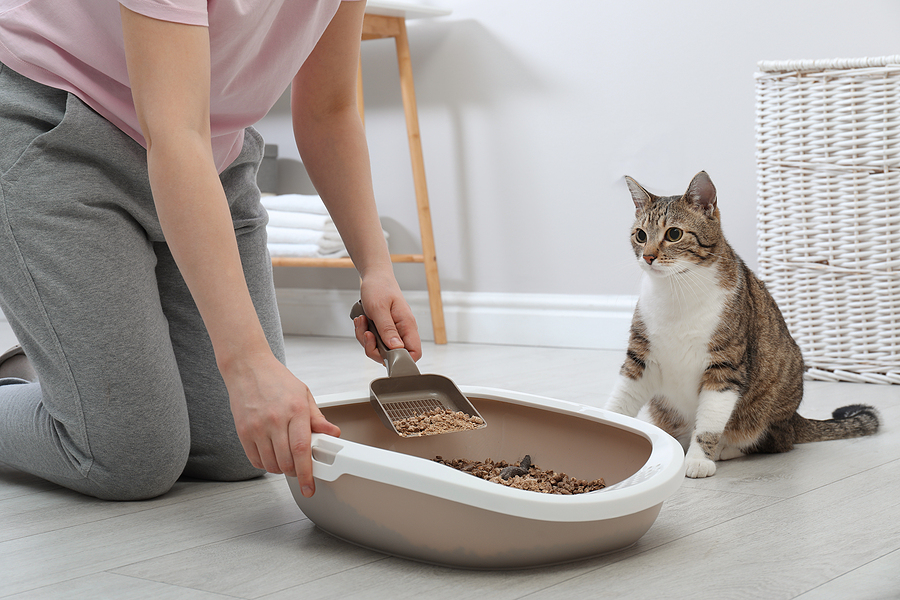
Credit: www.fearfreehappyhomes.com
Contents
Cat Litter Box Habits
Cats have clear habits around using their litter boxes. Understanding these habits helps keep your cat healthy. Watching how often your cat uses the box can alert you to health issues. Cats usually follow a routine for their bathroom needs. They prefer a clean, quiet place for their litter box. Changes in their habits may mean something is wrong. Knowing what is normal helps you spot problems early.
Typical Usage Frequency
Most cats use the litter box about two to four times a day. This includes both urination and bowel movements. Some cats may go a bit more or less, depending on their diet and health. Kittens often use the box more as they eat and drink more often. Older cats might go less due to lower activity. A sudden change in frequency is a sign to check with a vet. Clean litter boxes encourage cats to use them regularly.
Factors Influencing Litter Box Visits
Several things affect how often a cat uses the litter box. Diet is one key factor. Wet food increases urination, while dry food may reduce it. Water intake also changes how often cats urinate. Stress or changes in the home can make cats avoid the box. Illnesses like urinary tract infections change their bathroom habits. The number of litter boxes and their location matter too. Cats like privacy and a quiet, accessible place for their box.
Signs Of Healthy Litter Box Use
Recognizing signs of healthy litter box use is key for cat owners. It shows your cat feels safe and well. It also points to good health and hygiene. Watching your cat’s habits helps catch problems early. This keeps your cat happy and prevents messes in the home.
Normal Behavior Patterns
Cats usually visit the litter box several times a day. They often use it after eating or sleeping. Most cats cover their waste quickly and neatly. This is a natural behavior to hide their scent. A calm and quiet environment encourages regular use. Cats may take a moment before digging. This is normal and part of their routine.
What To Expect Daily
Expect your cat to urinate about two to four times a day. They usually poop once a day, sometimes twice. The litter box should have clean, dry spots. Check for any sudden changes in frequency or smell. A clean box invites your cat to use it regularly. Scoop waste daily and change litter weekly. This keeps your cat comfortable and healthy.
Changes In Litter Box Behavior
Cats usually have a routine for using the litter box. Changes in this behavior can signal a problem. These changes may be subtle or obvious. Paying attention helps keep your cat healthy and happy.
Common Causes Of Altered Habits
Stress is a common cause of litter box changes. Moving to a new home or loud noises can upset a cat. Illnesses like urinary tract infections also affect habits. Older cats may have trouble getting to the box. Sometimes, the litter box itself is the issue. Dirty or hard-to-reach boxes may cause avoidance.
When To Be Concerned
Frequent accidents outside the box need attention. Straining or crying while using the box is a warning sign. Sudden changes that last more than two days matter. Watch for blood in urine or stool. If your cat stops using the box completely, act fast. These signs often require a vet visit.
Impact Of Diet And Hydration
The diet and hydration of a cat play a key role in how often it uses the litter box. What your cat eats and drinks changes the amount and frequency of its urination. Understanding these effects helps you notice any changes in litter box habits quickly. It also helps keep your cat healthy and comfortable.
How Food Affects Urination
Wet food contains more moisture than dry food. Cats that eat mostly wet food usually urinate more often. Dry food has less water, so cats may urinate less frequently. Protein and salt levels in food also affect urination. Higher salt causes cats to drink more and urinate more. Balanced diets help maintain normal urination patterns.
Role Of Water Intake
Water intake is crucial for a cat’s urinary health. Cats that drink plenty of water tend to urinate more regularly. This helps flush out the bladder and reduce infections. Cats that drink less water may urinate less and have more concentrated urine. Always provide fresh water to encourage drinking. Hydration supports healthy kidneys and bladder function.
Litter Box Setup Tips
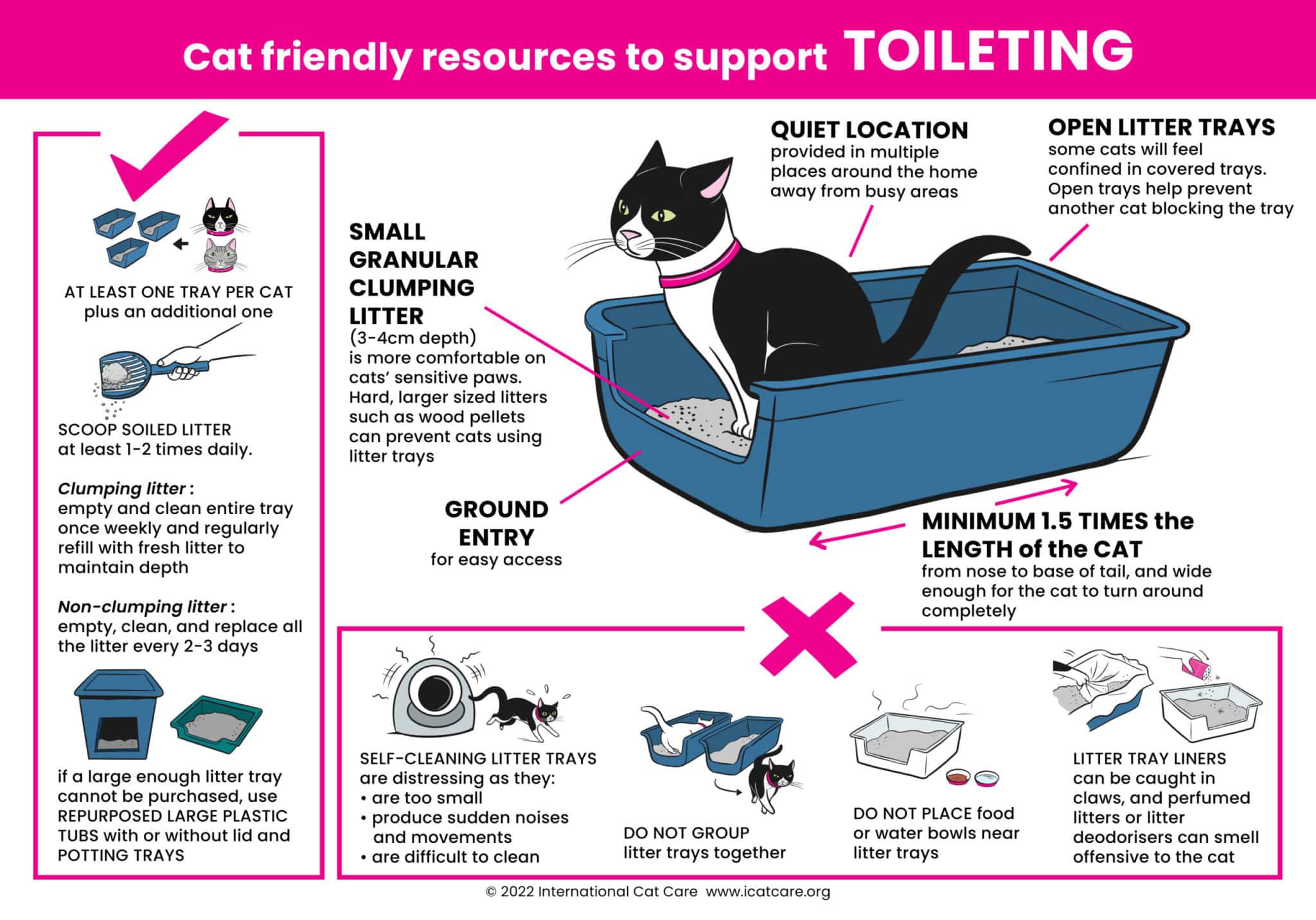
Setting up a litter box correctly helps cats use it often and comfortably. A good setup keeps your home clean and your cat happy. Small changes can make a big difference in how your cat feels about the litter box.
Below are simple tips to create the best litter box environment for your cat.
Choosing The Right Litter
Pick litter that is soft and clumps well. Cats like clean and fresh-smelling litter. Avoid strong scents that can bother their sensitive noses. Dust-free litter helps keep the air clean. Try unscented, natural options first. Change the litter regularly to keep it fresh. This encourages your cat to use the box often.
Ideal Box Placement
Place the litter box in a quiet, low-traffic area. Cats want privacy when they go. Avoid noisy or busy spots in the house. Keep the box away from their food and water bowls. A well-ventilated spot reduces odors. Make sure your cat can reach the box easily. This helps them use it without stress or delay.
Credit: sdhumane.org
Health Issues Linked To Litter Box Use
Cats’ litter box habits often reveal their health condition. Changes in how often cats use the litter box can signal health problems. Watching these habits helps catch issues early. Understanding health issues linked to litter box use is important for all cat owners.
Urinary Tract Problems
Urinary tract problems are common in cats. Cats with urinary tract infections may urinate more often. Sometimes, they strain or cry while urinating. Blood in the urine can also appear. These signs mean a visit to the vet is needed. Untreated urinary problems can become serious quickly.
Other Medical Concerns
Other health issues also affect litter box use. Kidney disease may cause increased urination. Diabetes can lead to more frequent urination and thirst. Stress or anxiety can change litter box habits too. Some cats avoid the box due to pain or discomfort. Monitoring litter box use helps detect these problems early.
Monitoring And Tracking Usage
Monitoring and tracking your cat’s litter box use helps keep your pet healthy. Cats usually use the litter box several times a day. Watching how often they go shows if something is wrong. Changes in their habits can mean health issues. Careful tracking helps catch problems early.
Tools And Techniques
Use a simple notebook or a phone app to note each visit. Count how many times your cat uses the box daily. Look for changes in frequency or behavior around the box. Some smart litter boxes track usage and send alerts. These tools save time and give precise data. Regular checks help you spot any unusual signs fast.
Benefits Of Regular Monitoring
Tracking litter box use helps detect illnesses early. Urinary tract infections or bladder problems often change how often cats go. Early detection means quicker treatment and less pain. Monitoring also keeps the litter box clean and fresh. A clean box encourages your cat to use it often. Your cat stays happier and healthier with regular checks.

Credit: modkat.com
Frequently Asked Questions
How Many Times Do Cats Use The Litter Box Daily?
Cats typically use the litter box 2 to 4 times a day. Frequency depends on age, diet, and health. Kittens and senior cats may use it more often. Monitoring usage helps detect health issues early and maintain cleanliness.
What Affects A Cat’s Litter Box Usage Frequency?
Diet, hydration, age, and health impact litter box use. Stress, changes in environment, or illness can alter habits. Proper diet and clean litter boxes encourage regular use. Consult a vet if usage suddenly changes.
Is It Normal For Cats To Miss The Litter Box?
Occasional misses can happen due to stress or illness. Frequent accidents may indicate medical issues or litter box problems. Keep the box clean and accessible. If problems persist, seek veterinary advice to rule out health concerns.
How To Encourage Regular Litter Box Use In Cats?
Keep the litter box clean and odor-free. Place it in a quiet, accessible location. Use the right litter type preferred by your cat. Maintain a consistent cleaning schedule and provide multiple boxes for multi-cat households.
Conclusion
Cats usually use the litter box several times each day. Watching their habits helps spot health problems early. Keep the box clean and in a quiet place. This makes cats comfortable and encourages use. Changes in frequency or behavior need attention.
Regular checks support your cat’s well-being and happiness. A happy cat means a happy home. Simple care keeps litter box use normal and stress-free. Stay observant and provide a good environment for your pet.