How Often Do You Clean the Litter Box: Ultimate Guide for Freshness

How often do you clean the litter box? You might think it’s just a small chore, but the truth is, it can make a huge difference for your cat’s health and happiness.
Imagine walking into a room that smells fresh and clean, where your furry friend feels comfortable and cared for. That feeling starts with how well you maintain the litter box. You’ll discover the simple habits that can keep your home smelling great and your cat purring with contentment.
Keep reading—you’ll be surprised how easy it is to get it right every time.
Contents
Litter Box Cleaning Basics
Keeping a litter box clean is key to a happy cat and a fresh home. It helps control odor and keeps your cat healthy. Understanding the basics of litter box cleaning makes the task easier and more effective. Simple habits can prevent many problems.
Why Regular Cleaning Matters
Regular cleaning stops bad smells from building up. Cats avoid dirty litter boxes, which can cause accidents. A clean box helps your cat feel comfortable and safe. It also reduces the risk of infections. Cleaning often keeps the litter box inviting for your cat.
Common Cleaning Frequencies
Many cat owners scoop waste daily. This keeps the box fresh and odor-free. Some change the litter completely once a week. Others do it every two weeks, depending on the number of cats and litter type. Watch your cat’s behavior to adjust cleaning times.
Credit: medicina-clinic.ru
Daily Maintenance Tips
Daily maintenance keeps the litter box clean and your cat happy. It helps control odors and prevents buildup. Small, regular efforts make a big difference. Follow simple steps to maintain hygiene and comfort.
Scooping Techniques
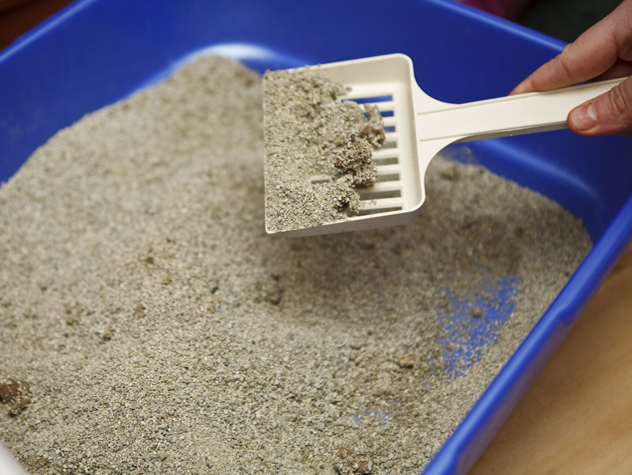
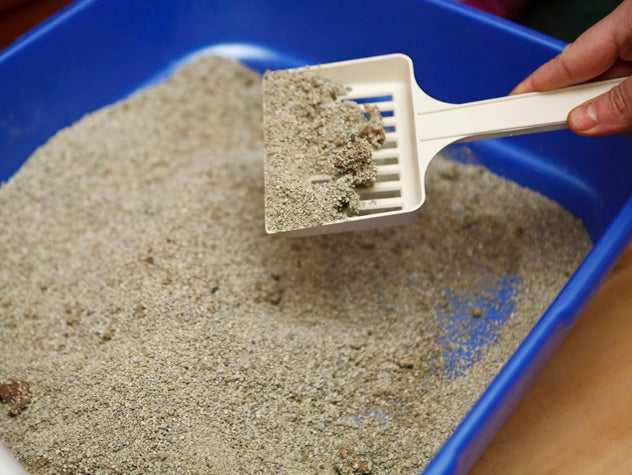
Scoop the litter box at least once a day. Use a scoop with fine holes to catch clumps. Remove all clumps of urine and feces. Stir the remaining litter lightly to keep it fresh. Avoid scooping too deep or too shallow. Dispose of waste in a sealed bag to control smells.
Spot Cleaning Strategies
Check the litter box for wet spots during the day. Remove any wet or soiled litter immediately. Replace it with fresh litter to keep the box inviting. Clean edges and corners where litter may collect. Use a damp cloth to wipe the sides if needed. Spot cleaning prevents odors and keeps the box tidy.
Weekly Deep Cleaning
Weekly deep cleaning keeps the litter box fresh and hygienic for your cat. It removes odors and harmful bacteria that daily scooping can miss. This deeper cleaning helps maintain a healthy environment for your pet. It also reduces the risk of litter box refusal. Follow these steps to do a proper weekly clean.
Complete Litter Replacement
Start by emptying all the old litter from the box. Dispose of it in a sealed bag to control smells. Avoid leaving any clumps or dust behind. Use a hand brush or cloth to remove stuck-on litter particles. This step prepares the box for a fresh start.
Sanitizing The Box
Wash the empty litter box with warm water and mild soap. Avoid harsh chemicals that can harm your cat. Rinse thoroughly to remove all soap residue. Dry the box completely with a clean towel or air dry. Sanitizing kills germs and keeps your cat safe.
Credit: www.petfinder.com
Choosing The Right Litter
Choosing the right litter is key to keeping your cat’s litter box clean and fresh. The type of litter affects how often you need to clean. It also impacts your cat’s comfort and health. Picking the best litter helps control odor and saves you time.
Different litters work better for different cats. Some clump well, while others absorb moisture quickly. Some litters control smell better than others. Understanding these differences helps you make a smart choice.
Types Of Cat Litter
There are many types of cat litter available. Clay-based litters are common and affordable. They clump well, making scooping easier. Silica gel litters absorb moisture and control odor. They last longer but cost more. Natural litters use materials like corn, wheat, or pine. They are biodegradable and eco-friendly. Some cats prefer softer litters made from recycled paper. Each type has pros and cons. Try a few to see what your cat likes best.
Litter’s Impact On Cleaning Frequency
The litter type affects how often you clean the box. Clumping litters make daily scooping quick and simple. Non-clumping litters may need full changes more often. Silica gel litters absorb urine and reduce odors longer. This means less frequent cleaning. Natural litters may break down faster and need more frequent changes. Choose litter that matches your cleaning routine and lifestyle. A good litter helps keep your home fresh and your cat happy.
Factors Affecting Cleaning Schedule
Cleaning the litter box is not a one-size-fits-all task. Several factors influence how often you need to clean it. Understanding these factors helps keep your cat happy and your home fresh. Let’s explore what affects the cleaning schedule.
Number Of Cats
More cats mean more waste. One cat usually needs the box cleaned once a day. Two or more cats require more frequent cleaning. Sometimes, multiple boxes work better than one. This keeps each cat comfortable and reduces odor.
Cat’s Health And Behavior
Sick cats may urinate or defecate more often. Older cats might need easier access to a clean box. Some cats are very picky and dislike dirty litter. Watch your cat’s habits to adjust cleaning times. A clean box encourages good bathroom habits.
Box Size And Type
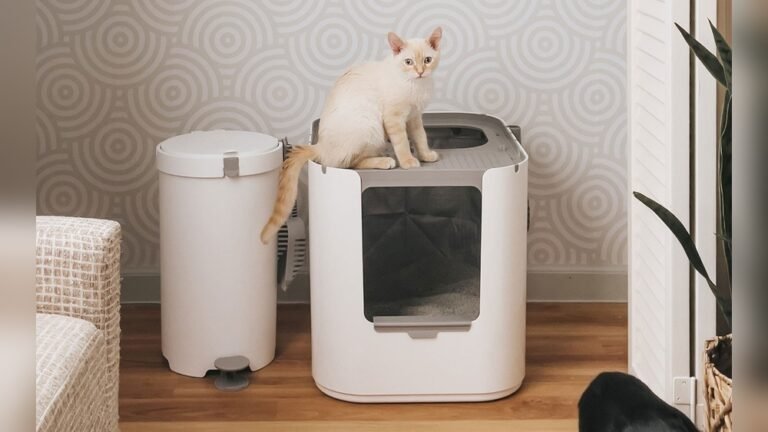
Small boxes fill up fast and need frequent cleaning. Large boxes hold more waste and last longer between cleanings. Covered boxes trap odor but can make cleaning harder. Open boxes are easier to clean but may smell more. Choose the type that fits your cleaning routine.
Tools And Products For Cleaning
Keeping the litter box clean is easier with the right tools and products. These help remove waste quickly and keep odors low. Choosing proper cleaning items makes the task less messy and more efficient. Simple tools and safe cleaning products protect your cat’s health and keep your home fresh.
Scoopers And Liners
Scoopers are essential for removing clumps and waste daily. Choose a sturdy scooper with wide slots to sift litter well. Plastic or metal scoopers work fine, but metal lasts longer. Liners are plastic bags placed inside the box to catch waste. They make cleaning faster by letting you lift all litter at once. Some cats dislike liners, so watch your cat’s reaction. Liners help keep the box itself cleaner and reduce odors.
Cleaning Solutions
Choose mild, pet-safe cleaning solutions to wash the box. Avoid strong chemicals like bleach that can harm cats. Soap and warm water work well to remove residue and smells. Vinegar diluted with water helps remove stubborn odors. Rinse the box thoroughly after cleaning to remove any soap. Dry the box completely before adding fresh litter. Regular cleaning prevents bacteria buildup and keeps your cat healthy.
Signs Your Litter Box Needs Attention
Knowing when to clean the litter box is key to keeping your cat happy and healthy. Signs that the box needs attention are often easy to spot. They help prevent bad smells and keep your cat using the box properly. Watch closely for these signals.
Odor Indicators
Bad smells are the first sign your litter box needs cleaning. A strong ammonia-like scent means waste has built up. If the room smells unpleasant, it’s time to scoop. Clean the box regularly to avoid odors. A fresh-smelling box encourages your cat to keep using it.
Behavioral Clues From Your Cat
Your cat’s actions can tell you if the box is dirty. Avoiding the litter box or going outside it shows discomfort. Scratching around the box or meowing more than usual can signal a problem. Changes in bathroom habits mean it’s time to check and clean the box. Cats prefer clean spaces and will tell you when they don’t like the mess.
Tips For Keeping The Area Fresh
Keeping the litter box area fresh helps your home smell clean. It also makes your cat happy. Small changes can make a big difference. Follow these tips to keep the space neat and odor-free.
Location Matters
Choose a quiet, low-traffic spot for the litter box. Avoid places near food or sleeping areas. This stops smells from spreading. A tucked-away spot helps control odors. It also gives your cat privacy and comfort.
Air Circulation And Deodorizers
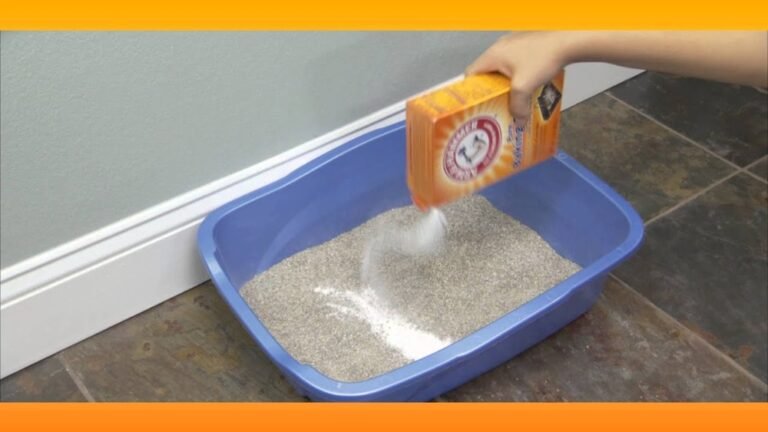
Good airflow reduces bad smells around the litter box. Open a window or use a fan near the area. Deodorizers can absorb odors but pick safe options. Baking soda is a natural deodorizer you can sprinkle under the litter. Avoid strong sprays that might bother your cat’s nose.

Credit: www.sageuae.com
Frequently Asked Questions
How Often Should You Scoop The Litter Box Daily?
Scooping the litter box once or twice daily is ideal. It keeps the box clean and odor-free. Frequent scooping helps maintain your cat’s health and comfort. It also prevents litter clumping and reduces bacteria buildup. Consistency is key for a fresh litter box environment.
When Is The Best Time To Completely Change Litter?
Completely change the litter every 1 to 2 weeks. This timing depends on the number of cats and litter type. Regular changes prevent odor, bacteria growth, and keep cats happy. Deep cleaning during litter changes improves hygiene and reduces litter box avoidance.
How Does Cleaning Frequency Affect Cat Behavior?
Infrequent cleaning can cause cats to avoid the litter box. Cats prefer clean, fresh spaces for elimination. Regular cleaning reduces stress, prevents accidents, and promotes healthy habits. A dirty box might lead to inappropriate urination around the house. Cleanliness supports positive cat behavior.
What Cleaning Supplies Are Safe For Litter Boxes?
Use mild soap and warm water to clean litter boxes. Avoid strong chemicals or ammonia-based cleaners that irritate cats. Non-toxic, pet-safe disinfectants are recommended for deep cleaning. Proper rinsing ensures no residue remains. Safe cleaning protects your cat’s health and comfort.
Conclusion
Cleaning the litter box often keeps your cat happy and healthy. It stops bad smells and keeps your home fresh. A clean box helps prevent health problems for your cat. Try to scoop waste every day and change the litter weekly.
Simple steps make a big difference. Your cat will thank you with love and purrs. Clean habits make life easier for both you and your pet. Keep the litter box tidy and enjoy a happier home.