How to Apply Topical Flea Treatment to Cats: Easy Step-by-Step Guide

If your cat is scratching more than usual or seems uncomfortable, fleas might be the cause. Applying topical flea treatment can quickly bring relief, but you might wonder how to do it safely and effectively.
You want to protect your furry friend without causing stress or mistakes. This guide will walk you through simple, clear steps to apply flea treatment confidently. By the end, you’ll know exactly how to keep your cat flea-free and happy.
Keep reading to learn the best way to protect your cat and enjoy a pest-free home together.
Contents
Choosing The Right Flea Treatment
Choosing the right flea treatment is key to keeping your cat safe and comfortable. Not all flea treatments are the same. Some work better for certain cats than others. Selecting the correct product can stop fleas quickly and prevent future problems.
Consider your cat’s health, age, and lifestyle before making a choice. A wrong treatment can cause side effects or may not work at all. Take time to find the best option for your pet.
Consulting Your Veterinarian
Your vet knows your cat’s health history best. Ask them which flea treatment suits your cat. Vets can suggest safe and effective products. They can also warn you about treatments to avoid.
Bring any questions or concerns to your vet. This helps prevent risks and ensures your cat’s well-being.
Reading Product Labels
Product labels provide important information. Check active ingredients to know what kills fleas. Look for directions on how to apply the treatment. Follow these instructions carefully for best results.
Labels also list possible side effects. Read warnings to keep your cat safe. Never use a dog flea treatment on cats.
Considering Cat’s Age And Weight
Age and weight affect the right flea treatment dose. Kittens need gentler formulas. Older cats may need special care. Use treatments made for your cat’s size to avoid overdose.
Weigh your cat before buying treatment. Choose a product that matches their weight range exactly. This keeps your cat safe and the treatment effective.
Credit: www.hartz.com
Preparing Your Cat For Application
Preparing your cat for topical flea treatment is important. It helps make the process smooth and stress-free. A calm cat is easier to handle and less likely to resist. Gathering the right supplies beforehand saves time and avoids interruptions. Choosing the best spot for application ensures the medicine works well and stays on your cat.
Calming Your Cat
Start by petting your cat gently. Speak in a soft, quiet voice. Let your cat sit on your lap or a comfortable surface. Use treats to create a positive mood. Avoid sudden movements or loud noises. Take deep breaths to stay calm yourself. A relaxed owner helps calm the cat.
Gathering Supplies
Collect the flea treatment tube or bottle. Have some tissues or paper towels ready. Keep treats nearby for reward after application. Use a towel if your cat struggles. Make sure your hands are clean before starting. Prepare everything in one place to avoid delays.
Selecting The Application Area
Pick a quiet, well-lit spot for the application. A bathroom or kitchen counter works well. Choose a surface easy to clean if spills happen. Make sure the area is safe and free from distractions. Your cat should feel secure and not trapped. This helps the treatment go smoothly.
Applying The Flea Treatment
Applying flea treatment to your cat is a simple process. It helps keep your pet free from fleas and comfortable. Following the right steps makes sure the medication works well. Stay calm and gentle. Your cat will feel safe and relaxed during the application.
Opening The Treatment Package
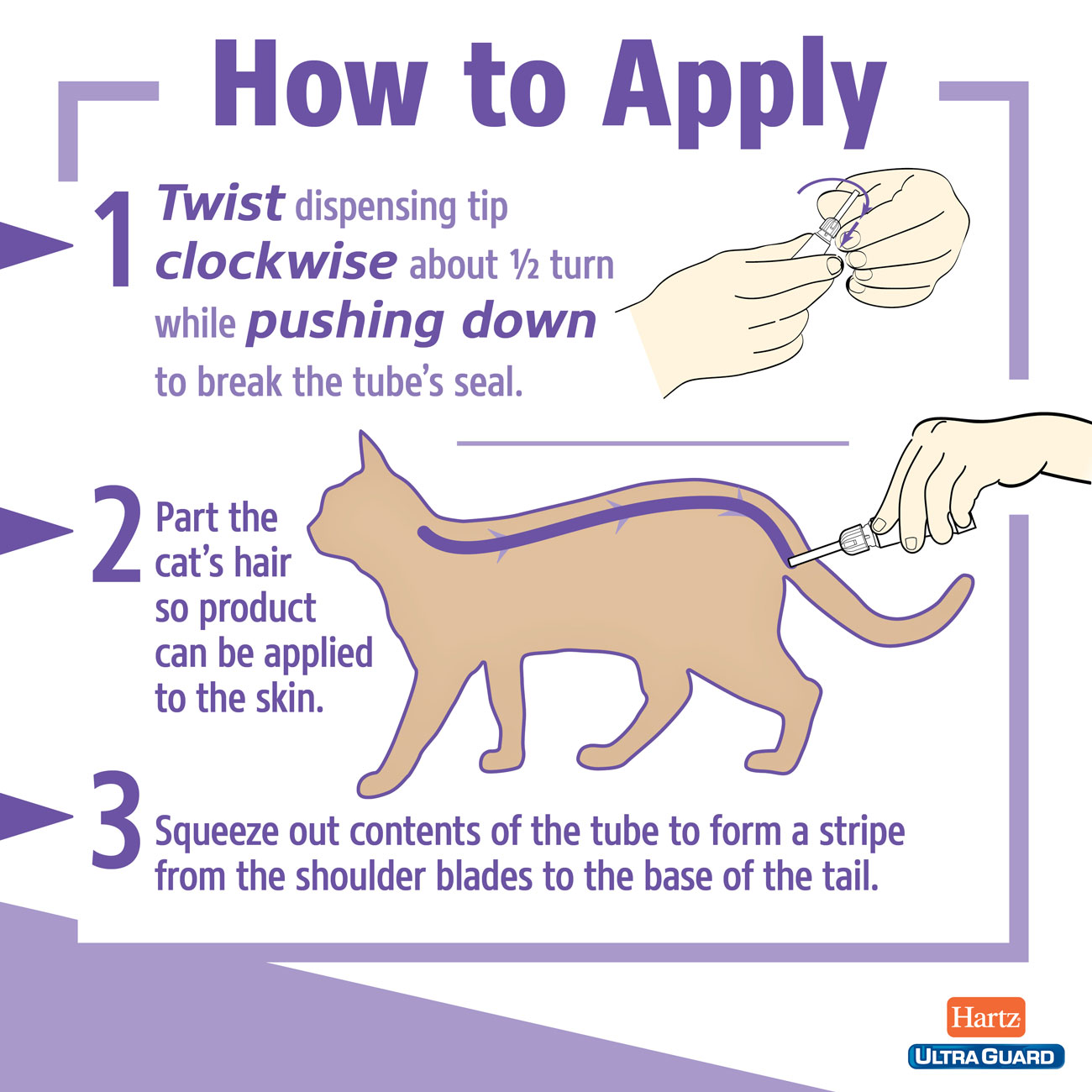
Start by carefully opening the package. Use scissors if needed to avoid spilling the medication. Hold the tube upright to keep the liquid inside. Avoid touching the tip to keep it clean. Ready the tube for easy application.
Parting The Fur
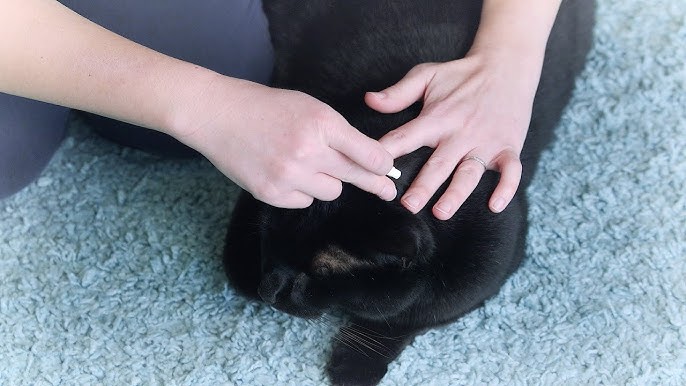
Find a spot between your cat’s shoulder blades. Use your fingers to part the fur. Make a clear path to the skin. The medication must reach the skin to work well. Keep your cat still to prevent movement.
Applying The Medication To The Skin
Place the tube’s tip directly on the skin. Squeeze the tube gently to release the liquid. Apply all the medication in one spot. Do not rub or spread it around. Let the medicine dry naturally for best effect.
Credit: www.youtube.com
Post-application Care
After applying topical flea treatment to your cat, proper care helps the medicine work well. It also keeps your cat safe and comfortable. Follow these steps carefully to make sure your cat stays healthy after treatment.
Avoiding Bathing Or Grooming
Do not bathe your cat for at least 48 hours after applying the treatment. Water can wash away the medicine, making it less effective. Avoid grooming your cat too much during this time. Let the product dry and absorb into the skin fully.
Monitoring For Side Effects
Watch your cat closely for any unusual signs. Look for redness, itching, or hair loss where you applied the treatment. Also, check for vomiting, shaking, or changes in behavior. Contact your vet immediately if you notice any of these problems.
Keeping Other Pets Safe
Keep your treated cat separate from other pets for at least 24 hours. Flea medicine can transfer through licking or close contact. This helps prevent accidental exposure to your other animals. After a day, it is usually safe for pets to be together again.
Common Mistakes To Avoid
Applying topical flea treatment to cats can be tricky. Many cat owners make simple mistakes that reduce the treatment’s effectiveness. Avoiding these errors ensures your cat stays flea-free and healthy. Below are common mistakes to watch out for during application.
Using Dog Products On Cats
Dog flea treatments can harm cats. Their ingredients differ and may be toxic. Always use products made specifically for cats. Check the label carefully before applying any treatment.
Applying Too Much Or Too Little
Too much treatment can cause skin irritation or poisoning. Too little may not kill fleas effectively. Follow the product instructions for the right amount. Measure doses based on your cat’s weight.
Ignoring Reapplication Schedules
Flea treatments lose effectiveness over time. Skipping reapplication lets fleas return quickly. Keep track of the schedule on the product label. Set reminders to apply treatments on time.
When To Seek Veterinary Help
Applying topical flea treatment to your cat is usually safe. Still, some situations need expert help. Watch your cat closely after treatment. Notice any unusual signs or behaviors. Acting quickly can protect your cat’s health.
Signs Of Allergic Reactions
Some cats react badly to flea treatment. Look for redness, swelling, or rash on the skin. Your cat may scratch or lick the treated area a lot. Breathing problems, vomiting, or swelling of the face require urgent care. Allergic reactions need a vet’s attention fast.
Persistent Flea Infestation
Topical treatments usually kill fleas within days. Fleas still biting after a week means trouble. Your cat might have resistance or another skin issue. A vet can offer stronger treatments or check for other problems. Do not delay if fleas keep coming back.
Behavioral Changes After Treatment
Watch your cat’s mood and actions after applying medicine. If your cat becomes very tired, restless, or hides often, seek help. Sudden aggression or unusual meowing can also signal distress. These changes might mean the treatment is harming your cat.

Credit: www.greatpetcare.com
Frequently Asked Questions
How Often Should I Apply Topical Flea Treatment To Cats?
Topical flea treatments are usually applied once a month. Always follow the product’s instructions for safe and effective use. Overuse can harm your cat’s skin and health.
Can I Apply Flea Treatment To A Wet Cat?
No, flea treatments should be applied to a dry cat. Wet fur can dilute the product, reducing its effectiveness. Always ensure your cat is dry before application.
Where Exactly Do I Apply Topical Flea Treatment?
Apply the treatment directly to the cat’s skin, usually between the shoulder blades. Avoid the fur to ensure full absorption. This spot prevents the cat from licking the product.
Is It Safe To Use Flea Treatment On Kittens?
Check the product label for kitten safety and age restrictions. Many flea treatments are safe only for cats over eight weeks old. Consult your vet before treating young kittens.
Conclusion
Applying flea treatment to cats is simple and important. Always read the instructions carefully before starting. Part your cat’s fur to reach the skin. Place the treatment directly on the skin, not the fur. Avoid touching the area until it dries.
Keep your cat calm during and after application. Regular use helps keep fleas away and your cat healthy. Watch for any reactions and contact a vet if needed. This small step protects your cat and home from fleas.