How to Change Cat Food: Expert Tips for a Smooth Transition

Changing your cat’s food might seem simple, but doing it the right way is crucial for your furry friend’s health. If you switch too fast or choose the wrong type, your cat could face stomach problems or lose interest in eating. Understanding how to change cat food properly can make the transition much safer and easier.
You want to make sure your pet stays happy, healthy, and well-nourished. In this guide, you’ll discover easy steps to change your cat’s food smoothly, avoid common mistakes, and keep your kitty purring with joy. Keep reading to learn how to make this important change stress-free for both you and your cat.
Credit: www.platinum.com
Contents
Reasons To Change Cat Food
Changing your cat’s food can feel confusing. But many reasons make switching necessary. Cats’ needs can shift over time. Their health, tastes, or diet may demand new food. Understanding these reasons helps you choose the best option for your pet.
Health Benefits
Changing cat food can improve overall health. Some foods support better digestion. Others help with weight control or skin care. Special diets can manage allergies or illnesses. Fresh, quality ingredients boost energy and vitality. Switching food can reduce health risks and discomfort.
Dietary Needs
Cats need different nutrients at different ages. Kittens require more protein and fat. Older cats need food that supports joints and kidneys. Cats with health problems need special diets. Changing food meets these changing nutritional needs. Proper diet keeps your cat strong and active.
Taste Preferences
Cats can get bored with the same food. They may refuse to eat if bored. Trying new flavors or textures can help. Some cats prefer wet food over dry. Others like fish more than chicken. Changing food keeps mealtime exciting and enjoyable.
Choosing The Right Cat Food
Choosing the right cat food is key to your pet’s health and happiness. Cats need a balanced diet that fits their age, weight, and health needs. The market offers many options, so knowing what to pick can feel tricky. This guide helps you understand different foods, how to read labels, and when to ask a vet for advice.
Types Of Cat Food
Dry food is crunchy and easy to store. It helps keep teeth clean but has less moisture. Wet food contains more water, which helps with hydration. It often has stronger smells that cats like. There is also raw and homemade food, but these need careful preparation to be safe. Each type has pros and cons. Mix types for variety and balance.
Reading Labels
Look for high protein content first. Cats are carnivores and need meat in their diet. Check the first ingredient; it should be a named meat like chicken or fish. Avoid foods with too many fillers like corn or wheat. Also, check for added vitamins and minerals. These help keep cats healthy. Avoid artificial colors, flavors, and preservatives.
Consulting A Veterinarian
Vets know your cat’s health best. They can recommend food based on age, weight, and health issues. Some cats need special diets for allergies or kidney problems. Talk to a vet before making big changes. They can guide you to safe and healthy options. Regular check-ups help keep your cat’s diet on track.
Preparing For The Switch
Changing your cat’s food needs careful preparation. Cats can be sensitive to new food. A smooth switch helps avoid stomach upset. Preparing well makes the change easier for your cat.
Assessing Current Diet
Start by checking what your cat eats now. Note the type of food, brand, and flavor. Look at ingredients and nutrition facts. Understand your cat’s likes and dislikes. Also, consider any health issues that affect diet.
Gathering Supplies
Buy the new cat food you want to try. Have both old and new food ready. Get clean bowls for feeding. Keep measuring cups to control portions. Prepare treats or supplements if your vet suggests them.
Setting A Transition Timeline
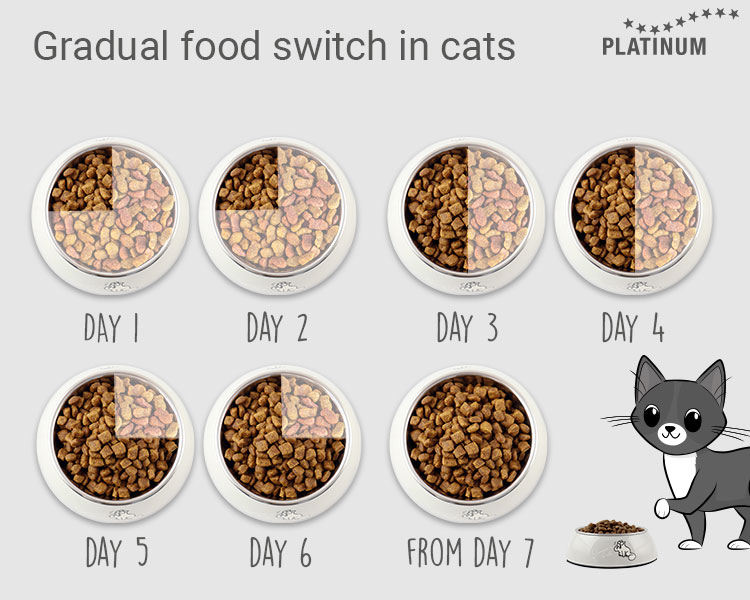
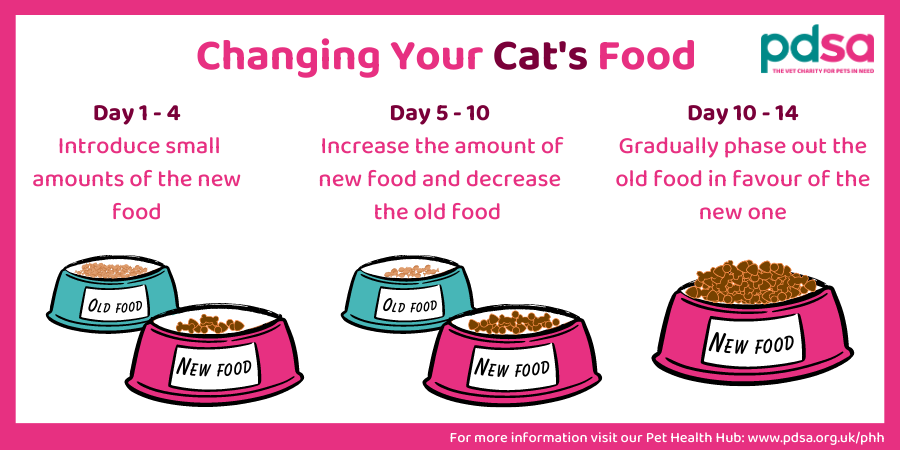
Plan to change food slowly over 7 to 10 days. Mix a small amount of new food with old food. Gradually increase new food and reduce old food daily. Watch your cat’s reaction during this time. Adjust speed if your cat shows discomfort.

Credit: www.expertcatcare.com
Step-by-step Transition Process
Changing your cat’s food requires care and patience. A slow transition helps your cat’s stomach adjust. It reduces the risk of digestive problems. Follow these simple steps to make the change smooth and stress-free for your cat.
Mixing Old And New Food
Start by mixing a small amount of new food with the old food. Use about 25% new food and 75% old food. This mix helps your cat get used to the new taste and smell. Serve this mix for three days to give your cat time to adjust.
Gradual Increase Of New Food
After three days, increase the new food to 50%. Decrease the old food to 50%. Keep this ratio for another three days. Then, move to 75% new food and 25% old food. This slow increase helps avoid stomach upset.
Monitoring Cat’s Response
Watch your cat’s behavior and digestion closely. Look for signs like vomiting, diarrhea, or loss of appetite. If your cat shows problems, slow down the transition. Give more time at each step. A healthy cat means a successful food change.
Handling Common Challenges
Changing your cat’s food can be tricky. Cats may resist new tastes or face tummy troubles. Knowing how to handle these common challenges helps your cat adjust smoothly. Patience and small steps make a big difference.
Dealing With Picky Eaters
Some cats refuse new food at first. Offer the new food mixed with the old. Start with mostly old food and add a little new food daily. Try warming the food slightly to enhance smell. Changing flavors slowly helps cats accept new tastes.
Managing Digestive Issues
Digestive problems may appear during food changes. Watch for diarrhea or vomiting. Cut the new food amount if symptoms occur. Give your cat plenty of fresh water. If issues last more than a few days, contact your vet.
Adjusting Transition Pace
Not all cats change food at the same speed. Some need more time to adapt. Extend the transition over two weeks or longer if needed. Small changes every few days reduce stress. Slow transitions help avoid stomach upset and refusal.
Maintaining A Balanced Diet
Changing your cat’s food needs care to keep their diet balanced. Cats need a mix of nutrients to stay healthy and active. A balanced diet supports their energy, coat, and overall well-being. Pay attention to what your cat eats during the transition.
Nutritional Requirements
Cats need protein, fat, vitamins, and minerals in the right amounts. Protein is key for muscle and tissue health. Fats give energy and help absorb vitamins. Vitamins and minerals support immune health and body functions. Choose cat food that meets these needs clearly. Check the label for complete and balanced nutrition.
Supplementing If Needed
Sometimes, new cat food lacks certain nutrients your cat needs. Supplements can fill these gaps safely. Talk to your vet before adding supplements. They can suggest vitamins or minerals based on your cat’s health and diet. Avoid giving random supplements that may harm your cat.
Regular Health Checkups
Routine vet visits help track your cat’s health during diet changes. The vet checks weight, coat condition, and overall wellness. They can spot nutrient deficiencies early. Regular checkups ensure your cat adapts well to new food. Keep a record of your cat’s progress for these visits.
Credit: www.pdsa.org.uk
Frequently Asked Questions
How Do I Safely Change My Cat’s Food?
Introduce new food gradually over 7-10 days. Mix increasing amounts of new food with old food daily. This helps avoid digestive issues and lets your cat adjust comfortably.
When Should I Change My Cat’s Food?
Change food when your cat needs better nutrition, has allergies, or health issues. Consult a vet before switching for specific guidance.
Can Sudden Cat Food Changes Cause Health Problems?
Yes, sudden changes can cause vomiting, diarrhea, or upset stomach. Always transition slowly to prevent digestive distress and keep your cat healthy.
What Signs Show My Cat Dislikes New Food?
Watch for refusal to eat, vomiting, diarrhea, or lethargy. These signs mean the food may not suit your cat’s taste or health.
Conclusion
Changing your cat’s food takes time and patience. Start slowly and watch your cat’s reactions. Small steps help avoid tummy troubles. Always keep fresh water nearby. Remember, each cat is different and may need extra care. Stay calm, and your cat will adjust well.
Healthy food means a happy cat. Keep learning and caring every day. Your cat will thank you with purrs and love.