How to Change Litter Box: Easy Steps for a Fresh, Clean Home

Changing your cat’s litter box might seem like a simple chore, but doing it the right way can make a big difference for both you and your furry friend. If you want to keep your home fresh and your cat happy, knowing how to change the litter box quickly and effectively is key.
In this guide, you’ll discover easy steps to make the process less messy, save time, and avoid common mistakes that many pet owners make. Ready to turn a dreaded task into a smooth routine? Let’s dive in and get your litter box fresh and clean in no time.
Contents
Choosing The Right Litter Box
Choosing the right litter box is important for both you and your cat. The right box makes cleaning easier and keeps your cat happy. It helps prevent accidents and keeps your home fresh. Understanding different types and sizes helps you pick the best one.
Types Of Litter Boxes
There are many types of litter boxes. Open boxes are simple and allow easy access. Covered boxes help contain smells and litter scatter. Self-cleaning boxes save time by scooping waste automatically. Some boxes have high sides to reduce mess. Consider your cat’s habits and needs before choosing.
Size And Placement Tips
Choose a litter box that fits your cat comfortably. Bigger cats need bigger boxes to move freely. Place the box in a quiet, low-traffic area. Avoid noisy or busy spots that scare your cat. Keep the box away from food and water bowls. Clean the box regularly to keep it fresh and inviting.
Selecting The Best Cat Litter
Choosing the right cat litter makes changing the litter box easier and cleaner. The best litter keeps your home fresh and your cat happy. Different types of litter suit different cats and homes. This guide helps you pick the best option for your cat’s needs.
Clumping Vs Non-clumping
Clumping litter forms solid clumps when wet. It makes cleaning the box faster and easier. You can scoop out only the dirty parts. Non-clumping litter absorbs moisture but does not form clumps. It may need full replacement more often. Clumping is popular for its convenience and odor control. Some cats prefer the texture of non-clumping litter. Try both types to see what your cat likes.
Scented Vs Unscented
Scented litter masks odors with added fragrance. It can keep the litter box smelling fresh longer. Some cats dislike strong scents and avoid the box. Unscented litter relies on natural odor control. It is better for sensitive cats or homes with allergies. Unscented litter often feels more natural to cats. Choose based on your cat’s preference and your home’s air quality.
Natural And Eco-friendly Options
Natural litters use materials like corn, wheat, or wood. They are biodegradable and safer for the environment. Many natural litters clump well and control odors. Eco-friendly options reduce waste and chemical use. These litters are often dust-free, which helps cats with breathing problems. Natural litters may cost more but are worth it for health and planet care. Check ingredients to avoid allergens for your cat.
Gathering Cleaning Supplies
Changing a litter box is a simple task that needs the right supplies. Gathering cleaning supplies helps keep the process smooth and hygienic. Having everything ready saves time and effort. It also ensures a clean, fresh space for your cat. Here is what you need to gather before you start cleaning.
Essential Tools
Start with the basics. A sturdy scoop helps remove clumps easily. A trash bag is needed to dispose of used litter quickly. Have a pair of gloves to protect your hands. A small brush or sponge is useful for scrubbing the box. Keep a clean towel or paper towels nearby to dry the box after washing.
Safe Cleaning Products
Choose cleaning products that are safe for pets. Mild soap or dish detergent works well without harsh chemicals. Avoid bleach or strong chemicals that can harm your cat. White vinegar is a natural cleaner that removes odors. Use warm water to rinse the box thoroughly. Make sure the box is fully dry before adding fresh litter.
Removing Old Litter
Removing old litter is a key step in keeping your cat’s litter box clean and fresh. Regular cleaning stops smells and keeps your cat happy. It also helps prevent bacteria build-up. Take your time and follow simple steps for best results.
Proper Disposal Methods
Start by scooping out all the old litter carefully. Use a sturdy bag to hold the waste. Tie the bag tightly to avoid spills. Dispose of it in an outside trash bin. Avoid flushing litter down the toilet. It can cause plumbing problems. Use biodegradable bags for a greener option.
Handling Odors
Old litter can leave strong odors behind. Sprinkle baking soda in the empty box before adding new litter. Baking soda absorbs bad smells naturally. Clean the box with mild soap and warm water. Rinse well and dry completely. This keeps odors from building up over time.
Cleaning The Litter Box
Cleaning the litter box is an important step in keeping your cat’s space fresh and healthy. Regular cleaning helps prevent odors and keeps your cat happy. It also reduces the risk of bacteria and germs spreading in your home. Follow simple steps to clean the box thoroughly and safely.
Scrubbing Techniques
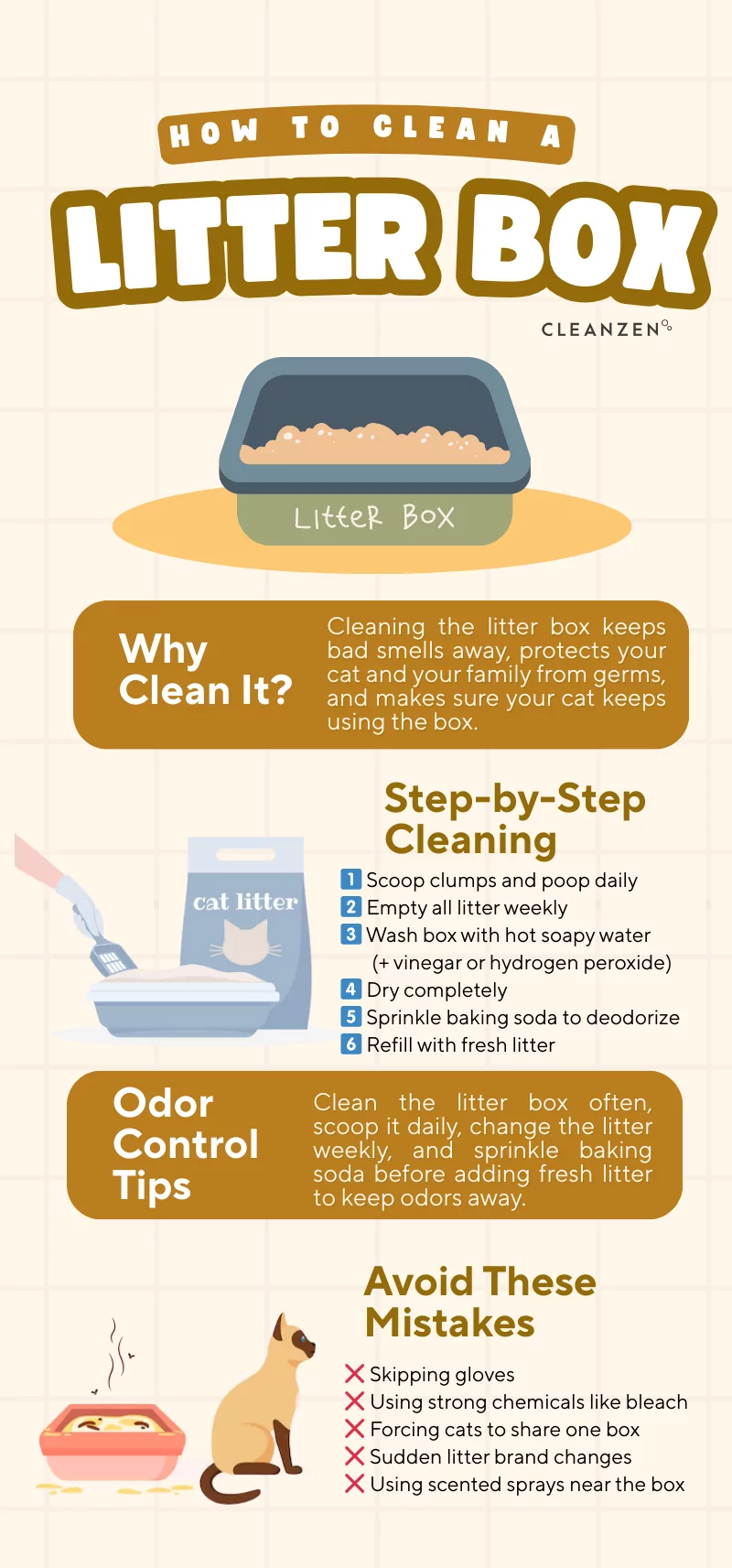
Start by emptying all the old litter from the box. Use warm water and mild soap to wash the inside. A soft brush or sponge works best to reach corners. Scrub gently to remove any stuck waste or stains. Rinse the box well to remove all soap. Dry the box completely before adding new litter.
Disinfecting Safely
Choose a pet-safe disinfectant to kill germs without harming your cat. Diluted white vinegar is a natural option. Spray or wipe the inside of the box with the disinfectant. Let it sit for a few minutes to work. Rinse the box again to remove any chemicals. Dry the box fully to avoid moisture buildup.
Credit: cleanzen.com
Refilling With Fresh Litter
Refilling the litter box with fresh litter is a key step in keeping your cat happy and your home clean. Using the right amount and spreading it well makes the box comfortable for your pet. It also helps control odors and keeps the litter lasting longer.
Recommended Litter Depth
Fill the litter box with about 2 to 3 inches of litter. This depth lets cats dig and cover waste easily. Too little litter can make the box messy. Too much litter can waste product and make cleaning harder.
Spreading Litter Evenly
After pouring the litter, spread it smoothly across the box. Use your hands or a scoop to level the surface. Even spreading prevents clumps from forming in one spot. It also helps your cat find a clean place to do their business.
Maintaining A Fresh Litter Box
Maintaining a fresh litter box is key for a happy cat and a clean home. A clean box helps stop odors and keeps your cat comfortable. Regular care makes the task easier and less messy. It also helps your cat use the box without stress.
Daily Scooping Routine
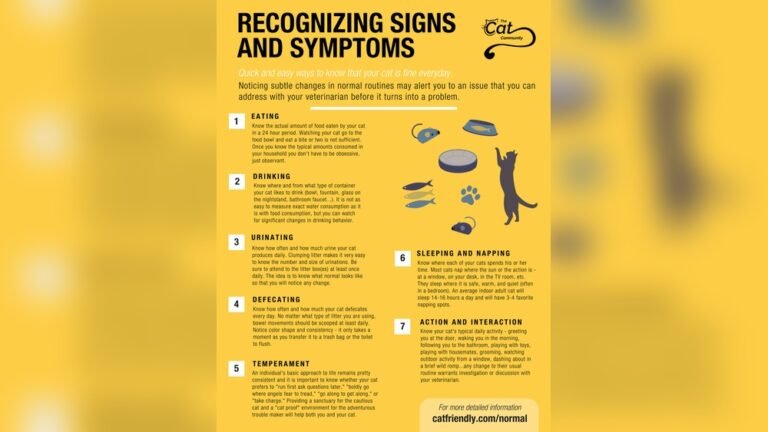
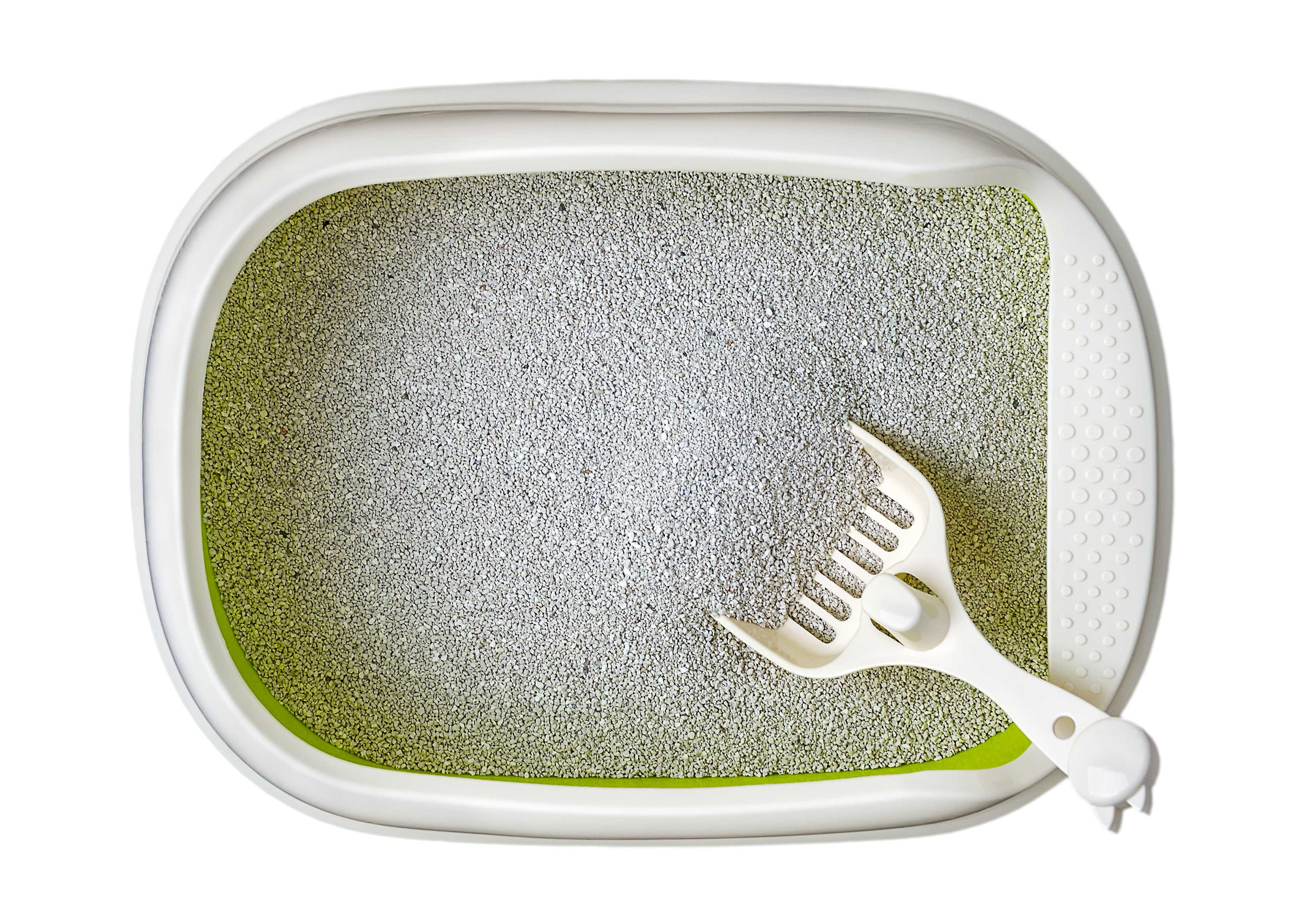
Scoop the litter box every day. Remove clumps and solid waste to keep it clean. Use a scoop with holes to save litter. This keeps the litter fresh and dry. Daily scooping stops bad smells from building up. It also helps you notice any changes in your cat’s health.
Regular Deep Cleaning Schedule
Clean the litter box deeply at least once a week. Empty all the litter and wash the box with mild soap and warm water. Avoid strong cleaners that can harm your cat. Dry the box completely before adding new litter. This removes bacteria and keeps the box safe. Deep cleaning helps stop bad odors and keeps the litter fresh longer.
Credit: www.armandhammer.com
Tips For A Cat-friendly Litter Area
Creating a cat-friendly litter area is key to keeping your cat happy and your home clean. Cats prefer a quiet, safe spot where they feel comfortable. The right place encourages regular use and reduces accidents. A few simple tips can make a big difference.
Quiet And Accessible Location
Choose a calm spot away from noise and heavy foot traffic. Cats need privacy when using the litter box. Avoid places near loud appliances or busy rooms. Make sure your cat can reach the box easily. If your cat is older or less mobile, keep the box on the main floor. This helps your cat feel secure and relaxed during use.
Minimizing Tracking
Tracking litter around the house is a common problem. Use a litter mat outside the box to catch loose particles. Low-tracking litter types can reduce mess significantly. Keep the box clean to prevent litter from sticking to your cat’s paws. Regular scooping also keeps the area fresh. These small steps make your home cleaner and more comfortable.

Credit: mantellritchie.com
Frequently Asked Questions
How Often Should I Change My Cat’s Litter Box?
Change your cat’s litter box completely every 1 to 2 weeks. Scoop daily to keep it clean and odor-free. Frequent cleaning ensures a healthy environment for your cat and reduces unwanted smells in your home.
What Type Of Litter Is Best For Changing Boxes?
Clumping, unscented litter is usually best for easy cleaning. It absorbs moisture well and controls odor. Avoid scented litters if your cat has allergies or sensitivities to reduce discomfort.
How Do I Safely Dispose Of Old Cat Litter?
Dispose of old litter in a sealed bag before placing it in the trash. Avoid flushing litter down the toilet to prevent plumbing issues. Always wash your hands thoroughly after handling used litter.
Can I Change Litter Boxes Without Stressing My Cat?
Yes, change boxes gradually by keeping the new box near the old one. Introduce the new litter slowly to avoid sudden changes. Maintain a calm environment during the switch to reduce your cat’s stress.
Conclusion
Changing a litter box is simple and important for your cat’s health. Clean the box often to keep odors away. Use fresh litter that your cat likes. Place the box in a quiet, easy-to-reach spot. Watch your cat’s habits to know when to change the litter.
Small steps make a big difference in your cat’s happiness. A clean litter box helps your home stay fresh and tidy. Keep these tips in mind to make the process smooth and stress-free. Your cat will thank you with a happy purr.